
 Penelope Hailey
Bergamot essential oil is a remarkable gem derived from the fragrant bergamot orange, captivating the senses and captivating the mind. This oil, rich in history and therapeutic properties, has been embraced across cultures for its enchanting aroma and healing capabilities. From its origins in Italy to its modern-day applications, bergamot essential oil offers a delightful blend of tradition and innovation, inviting you to explore its many facets.
As we delve into the journey of bergamot essential oil, we uncover its unique chemical composition, the therapeutic benefits it offers, and practical ways to incorporate it into daily life. Understanding its safety considerations and role in the fragrance industry further enriches our appreciation for this versatile oil.
The origin and history of Bergamot essential oil
Bergamot essential oil has a rich history and cultural significance that spans centuries. This fragrant oil is derived from the fruit of the bergamot orange tree, a hybrid citrus fruit whose origins can be traced back to Southeast Asia. Over time, it has become a symbol of luxury and wellness in various cultures, prized for its aromatic properties and therapeutic benefits.
The historical journey of bergamot begins with its introduction to Europe in the 17th century. Initially cultivated in Calabria, Italy, the bergamot orange tree flourished in this region’s ideal climate, leading to its widespread use. The oil extracted from the fruit has been used in perfumery, culinary delights, and traditional medicine, showcasing its versatility. Bergamot’s distinct aroma and flavor made it a desirable ingredient, particularly in Earl Grey tea, which combines black tea with bergamot oil, creating a beloved beverage.
Cultivation and extraction methods of Bergamot oil
The cultivation of bergamot has evolved over the years, adapting to changing agricultural practices and market demands. Key aspects of its cultivation and extraction methods include:
– Geographical origins: Primarily sourced from Calabria, Italy, bergamot is also grown in other regions like South America and the Mediterranean. The unique climate of Calabria, characterized by mild winters and warm summers, is ideal for producing high-quality bergamot.
– Traditional cultivation practices: Historically, bergamot trees were tended to by hand, with farmers employing sustainable farming techniques. Over the years, some modern practices have been introduced to increase yield while maintaining the fruit’s quality.
– Methods of extraction: The essential oil from bergamot is primarily obtained through cold-pressing, a traditional method that involves mechanically pressing the fruit peel to release the oil. This technique preserves the oil’s aromatic and therapeutic properties, ensuring a high-quality product. Historically, distillation methods were also used, but cold-pressing has become the preferred method due to its efficiency and the preservation of beneficial compounds.
– Cultural significance: Bergamot oil has been celebrated in various cultures for its uplifting scent and therapeutic properties. In aromatherapy, it is renowned for its mood-enhancing effects, helping to alleviate stress and anxiety. The historical context of its use in traditional medicine further emphasizes its importance across different societies.
“Bergamot essential oil is not just an aromatic delight; it embodies a rich history and cultural significance that continues to thrive.”
As we delve into the world of bergamot essential oil, its origins and cultivation reveal a fascinating blend of tradition and innovation, making it a timeless treasure in the realm of natural wellness.
The chemical composition of Bergamot essential oil
Bergamot essential oil is derived from the peel of the bergamot orange, a citrus fruit known for its distinctive fragrance and therapeutic properties. The unique aroma and effects of bergamot oil are attributed to its rich chemical composition, which includes a variety of volatile compounds. These constituents play vital roles in both aroma and health benefits, making bergamot a popular choice in aromatherapy and perfumery.
The primary chemical constituents found in bergamot essential oil include limonene, linalool, and bergapten, among others. Each component contributes distinctly to the oil’s aroma and therapeutic effects. Limonene is primarily responsible for the sweet, citrusy scent and has been studied for its uplifting mood effects and potential anti-inflammatory properties. Linalool, with its floral and slightly spicy notes, is known for its calming and relaxing effects, often used to alleviate stress and anxiety. Bergapten, while less prominent in scent, can have phototoxic properties, which is important to consider in diluting and using the oil safely on the skin.
Key chemical constituents and their roles
The following compounds are significant contributors to the therapeutic benefits and aroma of bergamot oil:
- Limonene: A major component that promotes a refreshing and uplifting scent. It is known for its anti-anxiety effects and potential ability to enhance mood.
- Linalool: Provides a calming floral aroma and is used for its sedative qualities, helping to reduce stress and promote relaxation.
- Citral: Offers a strong lemony scent and is recognized for its potential antibacterial and antifungal properties.
- Bergapten: Though it can cause skin sensitivity when exposed to sunlight, it has been studied for its potential to support emotional well-being.
- Alpha-pinene: This compound contributes to a fresh, pine-like aroma, known for its anti-inflammatory and respiratory benefits.
The chemical makeup of bergamot oil significantly influences its effects on the human body and mind. The combination of uplifting and calming compounds allows it to be used effectively in various applications, from promoting emotional balance to enhancing cognitive function. For instance, studies suggest that inhaling bergamot oil can reduce cortisol levels, leading to a reduction in stress and anxiety.
When comparing the chemical profiles of bergamot oil with other citrus essential oils, such as lemon or orange oil, several distinctions arise. While all citrus oils share some common constituents like limonene, bergamot oil’s unique combination of floral and herbal notes—especially due to linalool and bergapten—sets it apart. This complexity allows bergamot to provide a more nuanced aroma and a broader range of therapeutic benefits, making it a versatile addition to both aromatherapy and skincare.
In summary, bergamot essential oil is characterized by its diverse chemical composition, which contributes to its uplifting and calming properties. Its unique profile distinguishes it from other citrus oils, making it a valuable ally for mental and emotional support.
Therapeutic properties associated with Bergamot essential oil
Bergamot essential oil, extracted from the rind of the bergamot orange, is renowned for its delightful aroma and numerous health benefits. This essential oil has found its place in aromatherapy and holistic practices due to its therapeutic properties, which can promote emotional balance and overall well-being. The unique chemical composition of bergamot oil allows it to serve various purposes, particularly in alleviating mental health issues such as stress and anxiety.
Bergamot essential oil is commonly utilized in aromatherapy settings, where its calming scent is believed to help reduce feelings of stress and anxiety. Its uplifting properties can enhance mood and create a sense of tranquility. The oil contains compounds such as linalool and linalyl acetate, which are known for their anxiolytic effects. Studies have shown that inhaling bergamot oil can reduce cortisol levels, the hormone associated with stress, thus promoting relaxation. Additionally, research conducted by the University of Fukuyama revealed that participants who inhaled bergamot oil experienced a significant decrease in anxiety levels, highlighting its efficacy as a natural remedy for mental health challenges.
Stress and anxiety relief through bergamot oil
The application of bergamot oil in managing stress and anxiety has been substantiated by various anecdotal evidence and clinical studies. Many individuals have reported remarkable improvements in their mental health after incorporating bergamot essential oil into their daily routines.
For instance, a case study involving a group of patients undergoing treatment for anxiety disorders revealed that those who used bergamot oil in aromatherapy sessions experienced reduced anxiety levels and improved coping mechanisms. This improvement was attributed to the oil’s ability to promote a sense of calmness and its potential to alter neurochemistry.
Furthermore, a recent pilot study published in the Journal of Alternative and Complementary Medicine indicated that participants who diffused bergamot oil in their workspace reported higher levels of job satisfaction and lower perceived stress compared to those who did not use the oil.
In practical terms, bergamot oil can be utilized in different ways to harness its therapeutic benefits. It can be added to a diffuser, mixed with a carrier oil for topical application, or even incorporated into bath products for a relaxing soak.
“The calming scent of bergamot not only enhances mood but also serves as a natural antidote to stress.”
Overall, the therapeutic properties of bergamot essential oil make it a valuable tool in addressing mental health concerns, particularly stress and anxiety. Its integration into daily wellness routines can provide individuals with a natural means of fostering emotional balance and improving overall mental health.
Practical applications of Bergamot essential oil in daily life
Bergamot essential oil, renowned for its refreshing citrus aroma, offers a multitude of applications that can enhance daily life. From skincare to culinary uses, bergamot is not just a fragrant delight but also a versatile addition to various routines. This oil is extracted from the peel of the bergamot orange, making it a popular choice in aromatherapy and holistic practices. Its benefits extend far beyond its delightful scent, providing wellness and relaxation in everyday activities.
Common Integrations of Bergamot Essential Oil
Integrating bergamot essential oil into daily routines can be both simple and rewarding. Below is a list of common ways to utilize this oil in various aspects of life, emphasizing its versatility and the importance of safety in its usage.
- Skincare: Bergamot oil can be added to carrier oils like jojoba or coconut oil for a fragrant moisturizer. It helps in balancing oily skin and improving overall skin tone. Always perform a patch test before applying it topically due to its photosensitivity.
- Aromatherapy: Using a diffuser, bergamot oil can fill a room with its uplifting scent, promoting relaxation and reducing stress levels. It can also enhance focus during work or study sessions.
- Massage: When diluted with a carrier oil, bergamot can be used for massages to relieve tension and muscle soreness, providing a soothing experience.
- Culinary Uses: Bergamot oil can be used sparingly in cooking to add a unique flavor to desserts, salads, and beverages. Just a drop can elevate the taste of your favorite dishes.
- Baths: Adding several drops to a warm bath can create a spa-like experience, maximizing relaxation and enhancing the mood.
Methods of Using Bergamot Essential Oil
There are various methods to safely enjoy the benefits of bergamot essential oil, each catering to different preferences and situations.
- Diffusion: Use a few drops in a diffuser to disperse the aroma throughout your space. This method is ideal for calming anxious feelings and creating a welcoming atmosphere.
- Topical Application: Always dilute bergamot oil with a carrier oil before applying to the skin to prevent irritation. A common ratio is 2-3 drops of bergamot oil to one tablespoon of carrier oil.
- Culinary Addition: When incorporating bergamot oil into food, remember that it is potent. Typically, one drop is enough for flavoring, and it can be combined with honey or sweeteners in tea or dessert recipes.
Recipes and Blends with Bergamot Essential Oil
Creating your own blends and recipes with bergamot essential oil can enhance its benefits while providing personalized experiences. Here are a few suggestions to consider:
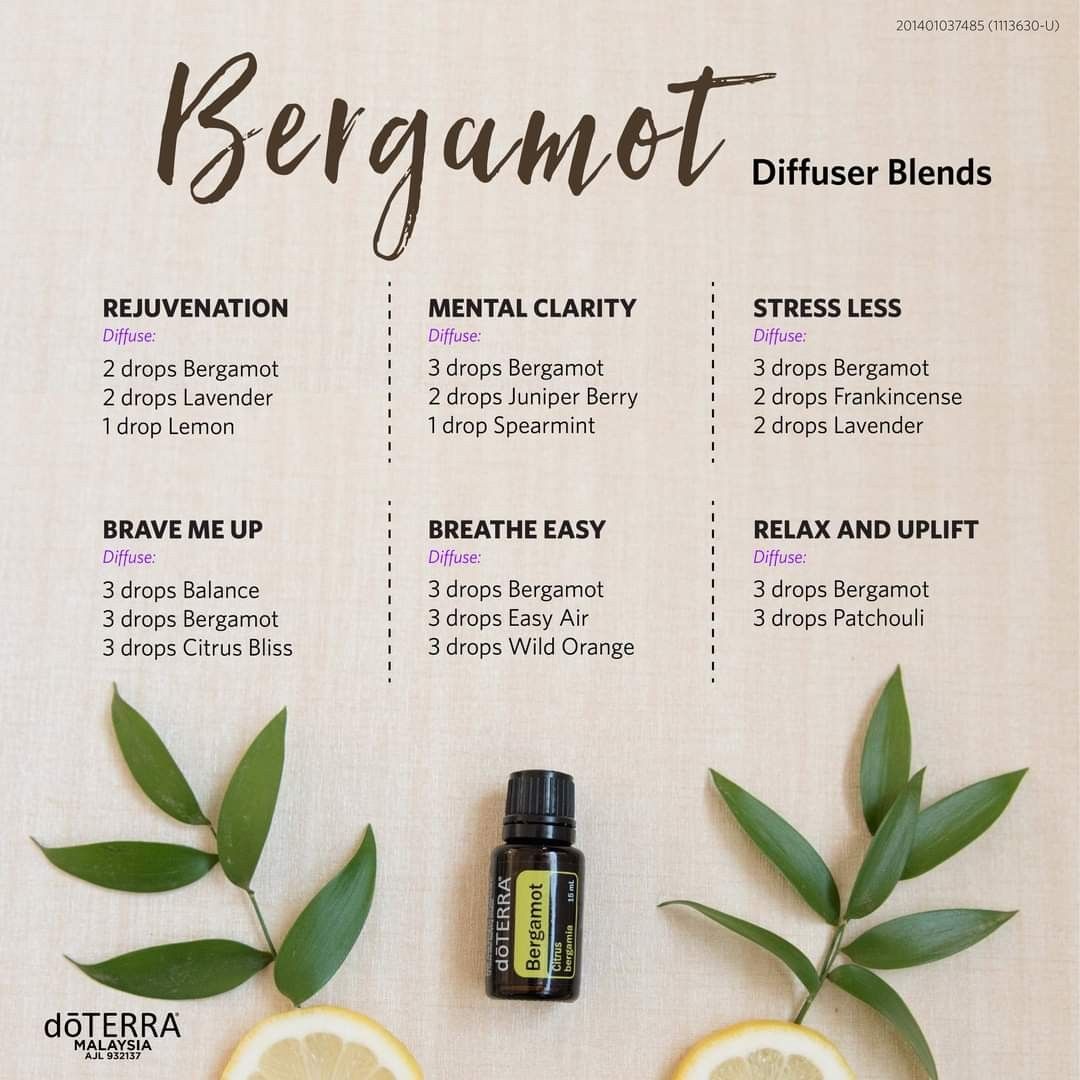
- Bergamot and Lavender Relaxation Blend: Mix 2 drops of bergamot oil with 2 drops of lavender oil and 1 tablespoon of jojoba oil for a calming massage oil. This blend is great for unwinding after a long day.
- Bergamot Citrus Dressing: Combine 1 drop of bergamot oil, 2 tablespoons of olive oil, 1 tablespoon of apple cider vinegar, and a pinch of salt for a refreshing salad dressing.
- Bergamot Herbal Tea: Steep your favorite herbal tea and add 1 drop of bergamot oil for a delightful citrus twist that enhances flavor and aroma.
- Uplifting Room Spray: Combine 20 drops of bergamot oil with 2 ounces of distilled water in a spray bottle. Shake well before use to refresh any space with a cheerful scent.
Always remember to check for any allergies and consult a healthcare provider when using essential oils, especially if pregnant or under medical treatment.
Safety considerations when using Bergamot essential oil
Bergamot essential oil, derived from the rind of the bergamot orange, offers numerous benefits in aromatherapy and personal care. However, it is crucial to consider its safety profile before use. Understanding potential risks and the importance of proper usage ensures a safe and enjoyable experience with this aromatic oil.
Bergamot essential oil can lead to certain side effects if not used appropriately. One of the significant concerns is its phototoxicity, which can result in skin irritation or burns when exposed to sunlight after application. This phototoxic effect is primarily due to compounds such as bergapten present in the oil. Proper usage is essential to mitigate these risks and to enjoy the benefits without adverse effects.
Risks and contraindications
It’s essential to recognize specific populations that may be at higher risk when using bergamot essential oil. The following groups should exercise caution or avoid its use:
- Pregnant women: Due to the lack of comprehensive studies, it is advisable for pregnant women to avoid bergamot essential oil to prevent any potential harm to the fetus.
- Children: Bergamot oil should be diluted significantly for children, and in some cases, it may be best to avoid its use altogether due to their sensitive skin and developing systems.
- Individuals with skin sensitivities: Those prone to allergic reactions or with conditions like eczema should conduct a patch test before using bergamot oil to ensure no adverse reactions occur.
To mitigate these risks, individuals can implement several guidelines for dilution and safe application methods. Always dilute bergamot essential oil with a carrier oil before topical application. A recommended dilution ratio is 1-2 drops of bergamot oil in a teaspoon of carrier oil such as jojoba, coconut, or almond oil. This practice helps reduce the chances of skin irritation and enhances safety.
When using bergamot essential oil in aromatherapy, it is advisable to use a diffuser or inhalation method that does not require direct skin contact. Additionally, avoid direct exposure to sunlight or tanning beds for up to 12 hours after application to prevent phototoxic reactions.
“Bergamot essential oil can enhance mood and relieve stress, but safety should always come first.”
By adhering to these safety considerations and guidelines, users can enjoy the therapeutic properties of bergamot essential oil while minimizing potential risks.
The role of Bergamot essential oil in the fragrance industry
Bergamot essential oil, derived from the rind of the bergamot orange, has gained a prominent place in the fragrance industry due to its unique and refreshing scent profile. Known for its bright, citrusy aroma, bergamot serves as a crucial top note in many perfumes, offering an uplifting and vibrant opening that can enhance the overall olfactory experience. Its distinctive aroma not only provides freshness but also acts as a bridge between various fragrance components, making it an indispensable ingredient for perfumers.
Bergamot oil is particularly valued in perfumery for its ability to create complex and sophisticated scent compositions. As a top note, it evaporates quickly, delivering an initial burst of citrus that captures attention. This volatility allows it to set the stage for heart and base notes to follow, contributing to the overall harmony of the fragrance. The oil’s balancing qualities help to soften sharper notes and enhance floral or woody elements, making it a versatile companion in many blends.
Examples of Popular Perfumes Featuring Bergamot
Several iconic fragrances prominently feature bergamot as a key ingredient. Its inclusion is often a hallmark of high-quality perfumes, appealing to a wide range of consumers. Here are a few notable examples:
- Colonia by Acqua di Parma: This classic cologne showcases bergamot at the top, combined with other citrus notes, creating a clean and elegant scent profile that embodies Italian sophistication.
- Chanel No. 5: A legendary fragrance that incorporates bergamot to provide a fresh start, complementing the floral heart of the perfume and enhancing its timeless appeal.
- Dior Sauvage: Featuring bergamot prominently, this modern fragrance emphasizes a vibrant and rugged essence, making it a favorite among males who appreciate bold scents.
- Jo Malone London Lime Basil & Mandarin: This fragrance blends bergamot with lime, providing an aromatic twist that highlights the citrusy freshness, perfect for a casual yet refined scent.
The preference for bergamot oil among perfumers can be attributed to its versatility and the emotional responses it evokes. The oil’s ability to blend seamlessly with both floral and woody notes, while simultaneously imparting a sense of freshness, makes it a favorite in crafting perfumes that can be worn for various occasions and seasons.
Trends in the Use of Natural Versus Synthetic Bergamot Oil
The fragrance industry has witnessed a growing trend towards natural ingredients, with bergamot oil often being at the forefront of this movement. Many consumers are increasingly seeking authentic, natural scents, prompting perfumers to incorporate naturally derived bergamot oil into their formulations. This shift is driven by a desire for transparency in ingredient sourcing and a preference for products perceived as more environmentally friendly.
However, synthetic alternatives to bergamot oil, such as bergamot acetate, are also prevalent in the market. These synthetics provide consistency in scent and are often more affordable than their natural counterparts, which can vary in quality due to factors like crop yield and production methods. The debate between natural and synthetic options continues, with some perfumers advocating for the use of both to achieve the desired fragrance profile without compromising on quality or sustainability.
“Natural bergamot oil captures the essence of freshness, while synthetic versions offer consistency and affordability.”
The fragrance industry is at a crossroads, balancing the allure of natural ingredients with the practicality of synthetic alternatives. This dynamic suggests that bergamot essential oil will remain a staple, valued for its diverse applications in creating captivating scents.
Final Summary
In conclusion, bergamot essential oil stands out not only for its aromatic allure but also for its numerous health benefits and diverse applications. Whether used in aromatherapy, personal care, or perfumery, its rich history and unique properties continue to capture the hearts and minds of many. Embracing bergamot essential oil in your life can lead to delightful experiences and holistic wellness, making it a timeless addition to any routine.
Frequently Asked Questions
What is bergamot essential oil used for?
Bergamot essential oil is commonly used for alleviating stress and anxiety, enhancing mood, and supporting skincare routines.
Can bergamot essential oil be ingested?
Yes, but it should be done with caution and under the guidance of a qualified professional to ensure safety.
Is bergamot essential oil safe for children?
While it can be used in diluted forms, it’s best to consult a healthcare professional before using it on children.
How should bergamot essential oil be stored?
Bergamot essential oil should be stored in a cool, dark place in a tightly sealed container to maintain its quality.
What are the side effects of bergamot essential oil?
Potential side effects include skin irritation or photosensitivity; proper dilution and application methods can help mitigate these risks.