 Penelope Hailey
Mood enhancement oil has captivated our senses and emotions for centuries, serving as a bridge between ancient wisdom and modern wellness. These oils, derived from nature’s bounty, have been woven into the fabric of various cultures, each with its own rich traditions and practices aimed at elevating mood and promoting emotional health.
Exploring the science behind these oils reveals a fascinating interplay between their chemical compounds and our brain’s emotional responses. As we delve deeper, we uncover not only the historical significance but also the contemporary relevance of mood enhancement oils in enhancing our daily lives.
Mood enhancement oil origins and historical uses
Mood enhancement oils have a rich history rooted in ancient practices across various cultures, serving as a bridge between physical wellness and emotional balance. Historically, these oils were utilized not just for their aromatic properties but also for their ability to influence mood, promote relaxation, and support mental clarity. As societies evolved, so did the understanding and applications of these potent natural substances.
The use of essential oils can be traced back to ancient civilizations, where they played a significant role in spiritual rituals, medicinal practices, and everyday life. In ancient Egypt, for instance, essential oils were integral to religious ceremonies and were believed to connect the earthly realm with the divine. Similarly, in traditional Chinese medicine, aromatic herbs were utilized to enhance emotional health, demonstrating the longstanding recognition of the connection between scent and mood.
Traditional practices associated with mood enhancement oils
Across different cultures, various traditional practices highlight the profound impact of mood enhancement oils. These practices often combined aromatherapy with local customs and beliefs, reinforcing the therapeutic benefits of essential oils.
One such practice includes the use of frankincense and myrrh in ancient Middle Eastern cultures for meditation and spiritual cleansing. These oils were often burned as incense, creating a calming atmosphere conducive to reflection and emotional healing.
In India, Ayurveda has utilized essential oils for centuries to balance the mind and body, emphasizing the importance of mental well-being through the application of specific oils. For example, sandalwood oil is revered for its calming effects, commonly employed in massage and meditation.
In the European context, during the Renaissance period, figures such as Paracelsus and Galen advocated for the use of aromatic plants for their medicinal properties, further entrenching the practice of aromatherapy in Western medicine. The cultivation and distillation of essential oils became an important trade, influencing the development of modern perfumery and therapeutic practices.
Cultural significance of essential oils in various societies
Essential oils have held cultural significance that extends beyond their aromatic appeal, often symbolizing wellness, spirituality, and healing.
In ancient Greece, essential oils such as lavender were used not only for their fragrance but also for their calming effects, significantly aiding in emotional regulation. The Greeks believed that these oils could restore harmony within the body and mind, making them a staple in bath rituals and social gatherings.
Native American tribes also utilized essential oils in their spiritual practices, calling upon the scents of cedar and sage for purification and protection. These practices illustrated a deep connection to nature and the belief in the emotional benefits derived from natural aromas.
In East Asian cultures, particularly in Japan, the practice of “shinrin-yoku” or forest bathing incorporates essential oils derived from trees like cypress and cedar to enhance relaxation and mental clarity, showcasing how the environment and essential oils merge for emotional health.
“The aroma of essential oils can evoke profound emotional responses, influencing our state of mind and well-being.”
Historical figures and their use of aromatherapy for emotional well-being
Throughout history, numerous prominent figures have acknowledged and utilized the benefits of aromatherapy for emotional well-being. Their practices often set the stage for contemporary understanding of essential oils.
Cleopatra, the last active ruler of the Ptolemaic Kingdom of Egypt, was known for her extensive use of essential oils, particularly rose oil, which she believed enhanced her beauty and emotional allure. Historical accounts suggest that she used these oils to foster feelings of love and attraction.
In the realm of medicine, the famed physician Avicenna (Ibn Sina) in the 10th century extensively documented the therapeutic properties of aromatic plants, laying the groundwork for both modern pharmacology and herbal medicine. His work emphasized the relationship between scent and emotional states, advocating for the use of oils like peppermint to invigorate the mind.
In modern history, figures such as Dr. Jean Valnet, a French physician, utilized essential oils in the 20th century for their antiseptic and calming properties, further establishing a scientific basis for their emotional benefits. His contributions have been pivotal in bringing aromatherapy into the realm of contemporary wellness practices.
The science behind mood enhancement oils and their ingredients
Mood enhancement oils harness the power of natural ingredients to positively influence emotional states. The blend of essential oils and their unique chemical compounds can help elevate mood, reduce anxiety, and promote relaxation. Understanding the science behind these oils reveals how they interact with our body and mind, providing a natural avenue for emotional well-being.
The key to mood enhancement oils lies in their chemical composition, particularly the active compounds present in essential oils. These compounds, such as terpenes, esters, and phenols, play significant roles in affecting our brain chemistry and hormonal responses. For example, linalool, found in lavender oil, is known for its calming effects. Similarly, limonene, prevalent in citrus oils, can enhance mood and energy levels.
Chemical compounds influencing emotional states
The interaction of essential oils with our body involves specific chemical compounds that affect mood and emotional health. Here are some notable compounds and their effects:
- Limonene: Found in citrus oils, limonene is linked to improved mood and stress relief. It may also have anti-anxiety properties.
- Linalool: Common in lavender oil, this compound promotes relaxation and helps reduce anxiety, leading to a more positive emotional state.
- Beta-caryophyllene: Present in black pepper and clove oils, it can interact with cannabinoid receptors in the brain, offering potential anti-inflammatory and mood-enhancing benefits.
- Geraniol: Found in rose and geranium oils, geraniol is thought to have uplifting effects on mood and can help mitigate feelings of sadness.
The impact of these compounds on mood is often attributed to their ability to stimulate certain areas of the brain and influence neurotransmitter activity. For example, when inhaled, these compounds can activate olfactory receptors, sending signals to the limbic system, which is responsible for emotions and memories.
Essential oils promoting positive moods
Several essential oils are widely recognized for their mood-enhancing properties. Each oil brings a unique set of benefits that can contribute to emotional well-being. Here is a collection of essential oils known for their positive effects:
- Lavender: This oil is renowned for its calming properties, helping to alleviate stress and anxiety while promoting sleep.
- Sweet Orange: Its uplifting scent can boost mood and energy levels, making it a popular choice for those feeling down.
- Peppermint: Known for its invigorating aroma, peppermint oil can enhance alertness and improve concentration, countering mental fatigue.
- Ylang-Ylang: This floral oil is often used to reduce stress and create a sense of emotional balance, promoting a feeling of joy.
These essential oils can be used in various ways, such as through aromatherapy, topical application, or in bath products, allowing individuals to find their preferred method of mood enhancement.
Interaction with the brain’s receptors and hormonal systems
The way mood enhancement oils work on a physiological level involves intricate interactions with brain receptors and hormonal systems. When essential oils are inhaled or absorbed through the skin, they can influence neurotransmitter release, such as serotonin and dopamine, which are crucial for mood regulation.
For example, the scent of citrus oils can stimulate the production of serotonin, often referred to as the “feel-good” neurotransmitter. This interaction not only uplifts mood but can also contribute to reduced levels of the stress hormone cortisol.
“The therapeutic effects of essential oils on mood are closely linked to their ability to interact with our brain’s chemistry and hormonal balance.”
Understanding these interactions helps illustrate why mood enhancement oils are increasingly used in holistic practices for emotional support and mental clarity. By utilizing the power of nature, these oils offer a simple yet effective means of promoting well-being and enhancing mood.
Common types of mood enhancement oils and their benefits
Mood enhancement oils are increasingly popular for their ability to positively influence emotional well-being. These essential oils are derived from various plants and are known for their therapeutic properties. Understanding the different types of mood enhancement oils and their unique benefits can help individuals select the best option for their emotional support needs.
There are several well-known mood enhancement oils, each with distinct properties that can aid in emotional balance. Below is a list of commonly used oils along with their benefits.
Popular Mood Enhancement Oils and Their Benefits
The following oils play a significant role in mood enhancement and can be utilized in various ways to promote emotional well-being:
- Lavender Oil: Renowned for its calming effects, lavender oil can reduce anxiety and help improve sleep quality. Its soothing aroma can promote relaxation and emotional stability.
- Sweet Orange Oil: This oil is uplifting and can help alleviate feelings of stress and depression. Its bright and cheerful scent can energize the mind and elevate mood.
- Frankincense Oil: Known for its grounding properties, frankincense oil can help center the mind and promote feelings of peace. It is often used in meditation practices to enhance emotional clarity.
- Ylang Ylang Oil: This oil is famous for its ability to boost self-esteem and promote a sense of joy. Its sweet floral scent can enhance mood and reduce feelings of frustration.
- Peppermint Oil: Known for its invigorating properties, peppermint oil can help increase energy levels and mental clarity. It can also relieve feelings of fatigue and help uplift the spirit.
Each of these oils can be used in various forms, including diffusers, topical application, or added to baths. For instance, lavender oil can be mixed with carrier oils for massage, while sweet orange oil can be diffused to fill a room with its uplifting scent.
“The right essential oil can create a significant positive shift in emotional well-being.”
When choosing a mood enhancement oil, it’s important to consider personal preferences and specific emotional needs. Some individuals may respond better to uplifting scents, like sweet orange, while others might prefer the calming effects of lavender. Additionally, those seeking grounding and centering might find frankincense oil more beneficial.
Ultimately, experimenting with different oils and their combinations can help individuals find the ideal blend for their emotional support. With the right selection, mood enhancement oils can play a transformative role in promoting psychological wellness.
Methods of using mood enhancement oils effectively
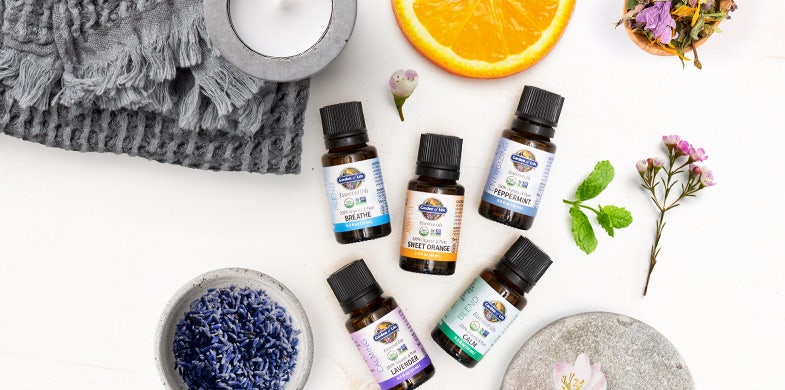
Mood enhancement oils offer a versatile and effective way to uplift your spirits and create a positive atmosphere. By utilizing different application methods, you can customize your experience to suit your preferences and needs. Whether you’re seeking relaxation, focus, or an overall mood boost, the right approach can make a significant difference in how you experience these oils.
Various methods can be employed to use mood enhancement oils effectively. The most popular methods include diffusion, topical application, and inhalation. Each technique has its benefits and can be chosen based on your environment and the desired outcome. Below are detailed explanations of each method along with helpful guidelines for blending oils and creating a calming atmosphere.
Diffusion of mood enhancement oils
Diffusing oils is one of the most popular methods due to its ability to fill a space with fragrant aromas that can influence mood and emotions. Diffusers are widely available and come in various styles, from electric to candle-based.
- Choose your essential oil or blend: Select oils known for mood enhancement, such as lavender for calming, citrus oils for energizing, or peppermint for focus.
- Fill the diffuser with water: Most diffusers have a fill line, so be sure not to overfill.
- Add essential oils: Follow the guidelines for your diffuser, usually about 3-10 drops of essential oil per 100 ml of water.
- Turn on the diffuser: Set it to your desired time or intensity, allowing the scent to permeate the room.
- Enjoy the atmosphere: Take a moment to breathe deeply and immerse yourself in the calming environment.
Topical application of mood enhancement oils
Topical application allows for the direct absorption of oils through the skin, which can enhance their effects. It is essential to dilute essential oils with a carrier oil to prevent skin irritation.
- Select your favorite mood enhancement oils: Popular choices include bergamot for uplifting, chamomile for calming, and ylang-ylang for balancing.
- Prepare a carrier oil: Use oils like coconut, jojoba, or almond as they are gentle on the skin.
- Mix the oils: A common blend ratio is 1-2 drops of essential oil per teaspoon of carrier oil.
- Apply to pulse points: Common areas include wrists, neck, and behind the ears. Gently massage the oil into the skin.
- Reapply as needed: Pay attention to how your body responds, and feel free to reapply throughout the day.
Inhalation of mood enhancement oils
Inhalation is a simple yet effective method that allows for immediate access to the benefits of essential oils. This method can be particularly useful in stressful or overwhelming situations.
- Obtain your essential oils: Choose oils based on your mood enhancement goals, such as cedarwood for grounding or lemon for uplifting.
- Use a personal inhaler: These small devices can be filled with your chosen oils for easy access.
- Direct inhalation: Alternatively, place a few drops of oil on a tissue or cotton ball and inhale deeply.
- Practice deep breathing: Take a moment to breathe in the aroma, allowing it to calm your mind and elevate your mood.
- Repeat as necessary: Inhalation can be done multiple times throughout the day to maintain an uplifting atmosphere.
Blending oils for a personalized experience
Creating personalized blends of mood enhancement oils can enhance their effectiveness and tailor the experience to individual preferences.
- Experiment with combinations: Some effective blends include lavender and bergamot for stress relief or peppermint and rosemary for focus.
- Keep ratios in mind: Start with a base of one dominant oil and add supporting oils in smaller amounts to create a balanced blend.
- Test your blend: Apply a small amount to your skin or diffuse it to see how it affects your mood before making larger batches.
- Store properly: Keep blends in dark glass bottles to preserve their potency and protect them from light.
- Document your favorites: Maintain a journal of your blends and their effects to refine your personal recipes over time.
Creating a calming atmosphere with oils
Setting the right mood with mood enhancement oils can transform any space into a sanctuary of calm and relaxation.
- Choose the right time: Plan your oil usage during moments when you need serenity, such as before bed or during meditation.
- Set up your space: Dim the lights and declutter the area to create a peaceful environment.
- Diffuse calming oils: Use oils like frankincense, sandalwood, or lavender to fill the space with soothing scents.
- Incorporate soft music: Pair the aromas with gentle music or nature sounds to enhance relaxation.
- Engage in calming activities: Consider reading, journaling, or practicing mindfulness while surrounded by the uplifting atmosphere.
Safety considerations and potential side effects of mood enhancement oils
Using mood enhancement oils can significantly improve one’s emotional well-being. However, it’s essential to approach their usage with caution and understanding of potential risks. Safety precautions can help mitigate adverse effects and ensure that users experience the benefits of these oils without unnecessary complications.
Mood enhancement oils, while often considered safe, can pose risks if not used correctly. It’s crucial to be aware of the specific oils being used, as different oils may have unique properties and potential side effects. Precautions should also be taken to understand individual sensitivities and potential allergic reactions.
Safety precautions for usage
When using mood enhancement oils, it is vital to follow certain safety precautions to minimize risks. These precautions include:
- Patch Testing: Always perform a patch test before applying a new essential oil to the skin. This involves applying a small amount of diluted oil on a patch of skin and monitoring for any adverse reactions over 24 hours.
- Proper Dilution: Essential oils should be diluted with carrier oils (like coconut or jojoba oil) to reduce the risk of skin irritation or allergic reactions.
- Consultation with Professionals: Individuals, particularly those with pre-existing conditions or who are pregnant, should consult a healthcare provider before using mood enhancement oils.
- Avoid Ingestion: Many mood enhancement oils are not safe for ingestion and should only be used topically or in diffusers unless specified otherwise by a qualified practitioner.
Potential allergic reactions and adverse effects
Certain mood enhancement oils may cause allergic reactions or other side effects in some individuals. It’s important to recognize common adverse effects associated with specific oils:
- Lavender Oil: Although widely used for its calming effects, lavender can cause skin irritation or nausea in sensitive individuals.
- Peppermint Oil: Some may experience headaches or gastrointestinal discomfort if used in excess or without proper dilution.
- Eucalyptus Oil: This oil can lead to respiratory issues in those with asthma or other respiratory conditions.
- Ylang Ylang Oil: Known for its uplifting properties, it may cause headaches or nausea if used excessively.
Recommendations for special populations
Special populations such as children and pregnant individuals require additional considerations when using mood enhancement oils. Recommendations include:
- For Children: Use oils that are specifically safe for children and avoid those known for causing irritation. Always consult a pediatrician before use.
- For Pregnant Individuals: Certain oils, like rosemary or sage, should be avoided. Consulting a healthcare provider is crucial to ensure safety.
- Diffusion Over Direct Inhalation: Using a diffuser may be safer for pregnant women and children than applying oils directly on the skin.
- Monitoring for Reactions: Closely monitor for any signs of adverse reactions when introducing oils to children or during pregnancy.
“Safety should always be the priority when incorporating mood enhancement oils into your routine.”
Personal testimonies and experiences with mood enhancement oils
Many individuals have found solace and emotional relief through the use of mood enhancement oils, sharing transformative experiences that highlight their efficacy. These oils, often derived from natural sources, are believed to help balance emotions, reduce anxiety, and enhance overall mood. Users report a variety of situations where these oils have made a significant difference in their daily lives, reflecting a growing trend in holistic wellness approaches.
Incorporating mood enhancement oils into daily routines has shown a positive impact on mental health for various individuals. Regular use can lead to improved emotional resilience, better stress management, and enhanced clarity of thought. The following personal stories illustrate the diverse ways in which these oils have provided relief to those seeking emotional balance.
Real-life experiences with mood enhancement oils
A collection of anecdotes showcases the varied situations where mood enhancement oils have been beneficial:
1. Stress Relief at Work: A corporate professional shared how diffusing lavender oil during long hours in a high-pressure environment helped ease her anxiety and boost productivity. She noted that just a few drops on her desk transformed her workspace into a calming oasis, allowing her to focus better on her tasks.
2. Support During Life Transitions: A new mother recounted her struggles with postpartum challenges. After incorporating a blend of bergamot and chamomile oils into her relaxation routine, she experienced a significant uplift in her mood, making it easier to bond with her baby and manage the stresses of motherhood.
3. Evening Wind Down: An individual who struggled with insomnia found that using a combination of sandalwood and ylang-ylang oils in her nighttime routine helped her unwind. She shared that this practice led to improved sleep quality, which in turn fostered a better mood during the day.
4. Aiding Mindfulness Practices: A yoga instructor expressed how adding essential oils to her sessions enhanced the meditative experience for her students. She observed that the calming effects of eucalyptus and peppermint oils helped participants deepen their practice and promote a sense of inner peace.
5. Transitional Clarity: A college student mentioned that using rosemary oil while studying aided her concentration and memory retention. She described feeling more alert and focused, which translated into better grades and reduced stress levels during exam periods.
These stories illustrate the profound impact that mood enhancement oils can have on emotional well-being. Users have reported not only immediate relief but also long-term benefits that contribute to an overall enhanced quality of life. As more people incorporate these oils into their routines, the positive outcomes become increasingly evident, supporting a shift towards natural and holistic mental health practices.
DIY mood enhancement oil recipes for personal use
Creating your own mood enhancement oils can be a rewarding and therapeutic experience. With a few essential oils and carrier oils, you can tailor blends that uplift your spirits and soothe your mind. These recipes are designed for ease of preparation and can be customized to suit your personal preferences.
When making mood enhancement oils, selecting the right ingredients is essential. High-quality essential oils offer not only pleasant aromas but also therapeutic benefits. Carrier oils such as jojoba, sweet almond, or coconut help dilute essential oils, making them safe for skin application. Proper storage and maintenance of your oils ensure their potency and effectiveness over time.
Essential Oil Combinations for Mood Enhancement
Combining various essential oils can create a powerful mood-enhancing blend. Here are a few recipes to get you started:
- Citrus Joy Blend
This uplifting blend combines the refreshing scents of citrus oils, perfect for elevating your mood.
Mix 5 drops of sweet orange oil, 3 drops of lemon oil, and 2 drops of grapefruit oil with 2 tablespoons of jojoba oil.
- Relaxation Elixir
This calming blend helps to ease tension and promote relaxation, ideal for use in a diffuser or for massage.
Combine 4 drops of lavender oil, 3 drops of chamomile oil, and 2 drops of frankincense oil with 2 tablespoons of coconut oil.
- Focus and Clarity Blend
This blend supports concentration and mental clarity, making it great for studying or work.
Mix 3 drops of rosemary oil, 3 drops of peppermint oil, and 2 drops of lemon oil with 2 tablespoons of sweet almond oil.
Storing and Maintaining Your Oils
Proper storage is vital for maintaining the potency and effectiveness of your homemade mood enhancement oils. Here are key tips on how to store them:
- Use Dark Glass Containers
Opaque or dark glass bottles protect oils from sunlight, which can degrade their quality over time. Choose amber or cobalt blue bottles for best results.
- Keep in a Cool, Dry Place
Store your oils away from heat sources, humidity, and direct sunlight. A cool cupboard or drawer is ideal.
- Label and Date Your Blends
Clearly label each blend with its contents and the date of creation. This practice helps you keep track of the freshness and usage of your oils.
Maintaining the potency of your homemade oils is just as important as the initial preparation. Regularly check for any changes in scent or consistency, and always use clean, dry hands or tools when handling your oils to avoid contamination.
The role of mood enhancement oils in modern wellness practices
Mood enhancement oils are increasingly becoming a staple in holistic wellness practices, as individuals seek natural remedies to support their emotional health. These oils harness the therapeutic properties of essential oils known for their ability to uplift spirits, reduce stress, and promote relaxation. With an ever-growing focus on holistic approaches, mood enhancement oils are carving out a significant place in self-care routines, providing a complementary option alongside traditional mental health practices.
In the current wellness landscape, mood enhancement oils integrate seamlessly into a variety of routines that prioritize mental well-being. These oils are often applied through aromatherapy, topical applications, or incorporated into massage therapies, providing versatile options for users. As awareness of mental health continues to grow, many people are looking for alternative or supplementary methods to support their emotional resilience. Mood enhancement oils have surged in popularity due to their perceived benefits and ease of use, making them a favored choice for those exploring holistic health solutions.
Popularity compared to other mental health support methods
The rising interest in mood enhancement oils can be compared to other mental health support methods, such as therapy, medication, and mindfulness practices. While these traditional approaches remain essential, mood enhancement oils present a natural and accessible alternative, especially for individuals looking to incorporate wellness into their daily lives.
The following points illustrate the popularity of mood enhancement oils in relation to other mental health practices:
- Many users find mood enhancement oils to be a convenient, on-the-go solution for managing stress and anxiety.
- They are often viewed as a low-cost alternative, requiring minimal investment compared to ongoing therapy sessions or prescribed medications.
- Users appreciate the holistic aspect, as mood enhancement oils can be paired with other wellness practices, such as yoga or meditation, for a more comprehensive approach.
- The sensory experience of aromatherapy offers immediate effects, enhancing the appeal for individuals seeking quick relief from emotional distress.
Current trends and innovations in mood enhancement products
As the market for mood enhancement oils expands, several trends and innovations are shaping the industry. Brands are continuously evolving to meet consumer demand for unique experiences and heightened efficacy.
Key trends include:
- Blended formulations that combine multiple essential oils tailored for specific emotional outcomes, such as relaxation or focus, are gaining traction.
- Eco-friendly and sustainable practices are becoming more prevalent, with many companies prioritizing natural sourcing and environmentally conscious packaging.
- Education and transparency about the sourcing and benefits of ingredients are increasingly important to consumers, prompting brands to provide detailed information on their products.
- Personalized mood enhancement oils, often based on individual assessments or preferences, are emerging, allowing consumers to tailor their wellness products to their unique emotional needs.
“Mood enhancement oils embody a holistic approach to well-being, reinforcing the idea that emotional health deserves dedicated care, just like physical health.”
Last Point
In summary, mood enhancement oils not only offer a delightful sensory experience but also provide significant emotional benefits. Whether through historical insights, scientific evidence, or personal stories, it is clear that incorporating these oils into our routines can lead to improved mental well-being and heightened emotional awareness.
Helpful Answers
What are mood enhancement oils made of?
Mood enhancement oils are typically made from essential oils derived from plants, flowers, and herbs, each possessing unique properties that can influence emotions.
How can I use mood enhancement oils?
You can use mood enhancement oils through diffusion, topical application, or inhalation, depending on your preference and the oil’s guidelines.
Are mood enhancement oils safe for children?
While many mood enhancement oils are safe for children, it’s essential to dilute them properly and consult a healthcare provider before use.
Can I mix different mood enhancement oils?
Yes, blending different oils can create a personalized aroma and enhance their emotional benefits, but it’s important to follow guidelines for safe mixing.
Do mood enhancement oils have any side effects?
Some individuals may experience allergic reactions or sensitivities to certain oils, so it’s best to conduct a patch test before full application.