
 Penelope Hailey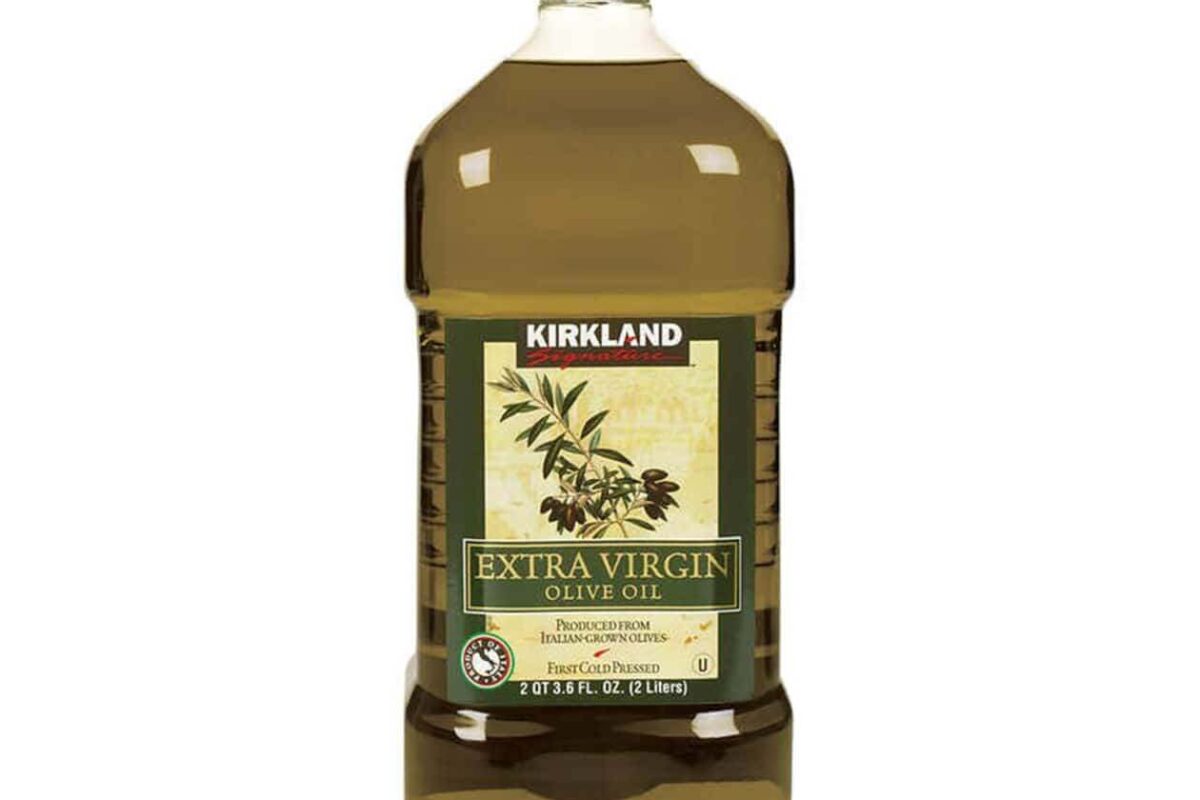
Olive oil, often hailed as liquid gold, has been an integral part of Mediterranean culture for thousands of years. From its ancient origins where it was revered for its versatility and significance in rituals, to its modern-day status as a health-boosting culinary staple, olive oil is more than just an ingredient—it’s a symbol of heritage and well-being. This golden elixir not only enhances the flavor of dishes but also comes packed with essential nutrients that can contribute to a healthier lifestyle.
The history of olive oil is rich and diverse, reflecting the civilization’s dependence on it for sustenance, health, and even spirituality. As we explore the myriad facets of olive oil—from its remarkable health benefits to its various types and culinary uses—we begin to understand why it has held such a revered place in kitchens and cultures around the world.
The Historical Significance of Olive Oil in Mediterranean Cultures
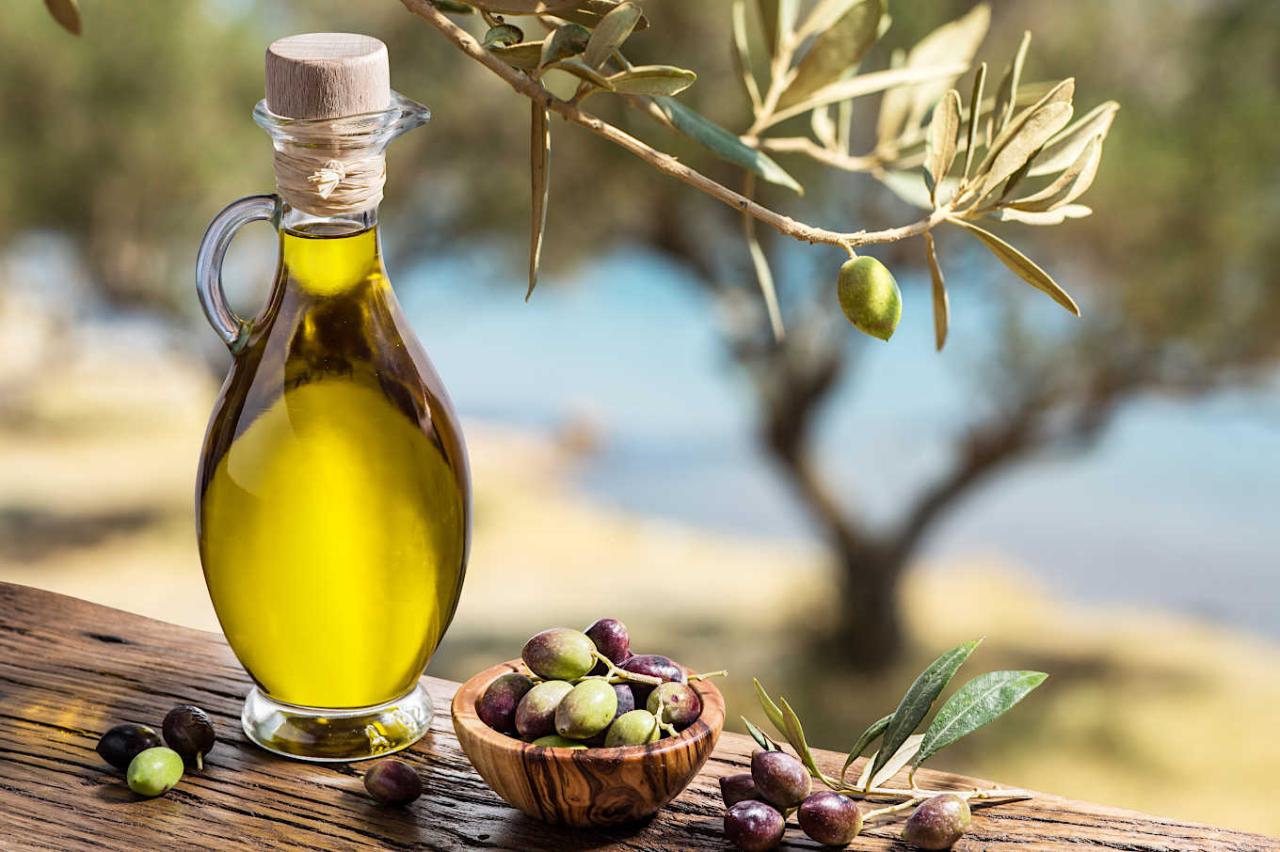
Olive oil holds a prestigious place in the cultural, economic, and social fabric of Mediterranean societies, tracing its origins back thousands of years. Initially cultivated in the ancient Near East, olive trees flourished across the Mediterranean basin, becoming a central component in the everyday lives of various civilizations. Olive oil was not merely a cooking ingredient; it was a multifaceted substance woven into the rituals, traditions, and economies of ancient peoples, primarily the Greeks, Romans, and Phoenicians.
The significance of olive oil in daily routines and sacred practices cannot be overstated. In ancient Greece, it was a symbol of wealth and prosperity, often associated with the gods and the divine. Olive oil was utilized in various religious ceremonies, where it represented purity and sacredness. It was used to anoint kings, victors of the Olympic Games, and in rituals honoring deities. The liquid gold was also a staple in the diets of ancient Greeks, consumed not only as food but also as a dressing for various dishes, enhancing flavors while providing essential nutrients.
In Roman society, the production and trade of olive oil were vital to the economy. Romans developed sophisticated methods for pressing olives and extracting oil, leading to a surge in production and distribution throughout their empire. The Romans understood the health benefits of olive oil and incorporated it into their daily lives, using it for cooking, skincare, and even as a lamp fuel. The extensive trade networks established during this time facilitated the proliferation of olive oil as a staple commodity.
Evolution of Olive Oil Production Techniques
The journey of olive oil production has undergone remarkable transformation, evolving from rudimentary methods to advanced techniques over the centuries. Initially, ancient civilizations relied on simple stone mortars or wooden presses to grind and extract oil from olives. This process was labor-intensive and yielded modest quantities of oil, primarily for local consumption.
Over time, advancements in technology and understanding of the oil extraction process led to more efficient methods. The introduction of mechanical olive presses in the Middle Ages, often powered by animals or water, enhanced oil extraction efficiency. This innovation allowed for larger quantities of oil to be produced, catering to the growing demand across Europe and beyond.
The Renaissance period marked a significant turning point in olive oil production, with improved agricultural practices and cultivation techniques. Farmers began to select specific olive varieties for oil production, enhancing quality and flavor. This era also saw the rise of trade routes that spread olive oil to new regions, establishing it as a global commodity.
In modern times, the advent of industrial technology has revolutionized olive oil production. The use of centrifuges and advanced filtration systems has optimized the extraction process, resulting in higher yields and purity. Furthermore, the emphasis on organic farming practices and sustainability has shaped the contemporary olive oil industry, reflecting a growing awareness of health and environmental concerns. Today, olive oil remains an essential element of culinary traditions across the Mediterranean, celebrated for its flavor and health benefits.
The Nutritional Benefits of Olive Oil for Health
Olive oil, particularly extra virgin olive oil, is renowned for its delicious flavor and extensive health benefits. Rich in essential fatty acids and antioxidants, it serves as a cornerstone of the Mediterranean diet, which has been linked to numerous health advantages. Understanding the nutritional profile of olive oil can illuminate its role in promoting overall health and well-being.
Olive oil is predominantly composed of monounsaturated fatty acids, particularly oleic acid, which constitutes about 55-83% of its total fat content. This type of fat is known for its favorable effects on heart health. Additionally, olive oil is a rich source of antioxidants like vitamin E and polyphenols, which contribute to its anti-inflammatory properties. The presence of these elements is crucial for combating oxidative stress in the body, which can lead to chronic diseases.
Health Benefits of Olive Oil
The multitude of health benefits associated with olive oil has been supported by extensive research. Notably, its positive impact on cardiovascular health is well-documented. Regular consumption of olive oil can lead to improved cholesterol levels, reducing the risk of heart disease. The Mediterranean diet, which includes a high intake of olive oil, has been shown to lower the incidence of cardiovascular events.
Several studies have substantiated these claims. For example, a study published in the New England Journal of Medicine in 2013 found that individuals adhering to a Mediterranean diet supplemented with extra virgin olive oil showed a significant reduction in cardiovascular risk factors. Participants in the study experienced a 30% lower risk of heart attack or stroke compared to those on a low-fat diet. Another research published in the Journal of Nutrition in 2019 indicated that the polyphenols in olive oil can help reduce inflammation, which is a key factor in many chronic diseases, including arthritis and diabetes.
The anti-inflammatory properties of olive oil are further highlighted by its high oleocanthal content, a compound that has been shown to act similarly to ibuprofen in reducing inflammation. Regular intake of olive oil can thus play a pivotal role in managing inflammatory conditions.
In addition to heart health and inflammation, olive oil’s antioxidants are believed to support brain health, potentially lowering the risk of cognitive decline and diseases such as Alzheimer’s. A study published in the journal Frontiers in Nutrition in 2020 reported that participants who consumed a Mediterranean diet rich in olive oil exhibited better cognitive function compared to those who consumed a typical Western diet.
In conclusion, olive oil is much more than a flavorful cooking ingredient; it is a nutritional powerhouse that supports heart health, reduces inflammation, and may protect against cognitive decline. Incorporating this healthy fat into your daily diet can facilitate not just better culinary experiences but also promote a healthier lifestyle.
Different Varieties of Olive Oil and Their Culinary Uses
Olive oil is a staple in many kitchens around the world, offering not just health benefits, but also a range of flavors that can elevate any dish. Understanding the different types of olive oil and their specific culinary uses can help you make informed decisions in your cooking, whether you’re drizzling it over a salad, sautéing vegetables, or baking bread.
The primary types of olive oil are extra virgin, virgin, and refined. Each type varies in quality, flavor, and best use based on its production method. Extra virgin olive oil (EVOO) is made from the first cold pressing of olives, meaning it retains the most flavor and nutritional value. It has a robust taste with fruity and peppery notes, making it ideal for dressings, drizzling over dishes, or dipping bread. Virgin olive oil is also made from the first pressing but has slightly more acidity and a milder flavor. This type works well for sautéing and baking where lower flavor intensity is desired. Refined olive oil, on the other hand, is made from virgin olive oil that has been chemically or physically processed to neutralize flavors and acidity. With a light taste, it’s suited for high-heat cooking such as frying, where the oil’s flavor can be masked.
Comparison of Olive Oil Varieties
To better understand the differences between these olive oil varieties, here’s a comparison table that Artikels their characteristics, uses, and best cooking methods:
| Type | Flavor Profile | Acidity Level | Best Uses | Notes |
|---|---|---|---|---|
| Extra Virgin Olive Oil | Robust, fruity, and peppery | Less than 0.8% | Dressings, drizzling, dipping | Highest quality, rich in antioxidants |
| Virgin Olive Oil | Milder than EVOO | Up to 2% | Sautéing, baking | Good all-purpose oil |
| Refined Olive Oil | Neutral and light | Up to 1% | Frying, high-heat cooking | Less flavor, but higher smoke point |
Extra virgin olive oil is the go-to for flavor, while refined olive oil shines in high-heat cooking.
When choosing an olive oil for your culinary endeavors, consider the dish you are making and the flavor profile you desire. This knowledge not only enhances the taste of your meals but also aligns with the health benefits that olive oil offers.
The Process of Making Olive Oil from Harvesting to Bottling
Olive oil production is a meticulous process that involves several critical stages, each of which plays a significant role in preserving the quality of the final product. From the moment the olives are harvested to the time they are bottled and ready for consumers, each step requires careful attention to detail. Understanding this process not only highlights the craftsmanship involved but also reinforces the importance of quality control at every turn.
Key Stages of Olive Oil Production
The production of olive oil can be broken down into several key stages, each essential to ensuring that the oil retains its maximum flavor, aroma, and health benefits. Below is a flowchart format presenting these stages:
1. Harvesting: The olives are picked from the olive trees, typically when they are ripe, which can vary according to the type of olive and desired flavor profile. Hand-picking is preferred as it minimizes bruising and damage to the fruit.
2. Cleaning: After harvesting, the olives are cleaned to remove leaves, dirt, and any other debris that could affect the oil’s quality. This step is crucial as impurities can lead to off-flavors in the final product.
3. Crushing: The cleaned olives are then crushed, traditionally using stone mills or modern mechanical grinders. This process helps to release the oil from the fruit’s cells. The method used can influence the flavor and characteristics of the oil.
4. Malaxation: In this stage, the crushed olives are gently mixed for 20 to 40 minutes to facilitate oil separation. The temperature during this process is carefully monitored to prevent the loss of aromatic compounds. Proper malaxation is vital for achieving high-quality oil.
5. Separation: The mixture of oil, water, and olive solids is then separated. This can be done through traditional pressing or modern centrifugation methods. Efficient separation ensures that the oil remains free from water and solids, which can cause spoilage.
6. Storage: Once separated, the oil needs to be stored in stainless steel containers or dark glass bottles to protect it from light and air, which can degrade its quality. Optimal storage conditions contribute to the oil’s longevity.
7. Bottling: Finally, the oil is bottled in airtight containers, often dark glass or metal, to preserve its freshness. Adequate labeling is also essential, providing information on the origin, quality, and harvest date to consumers.
“Each step from harvesting to bottling is crucial in maintaining the integrity and quality of olive oil.”
Quality preservation is paramount at every stage of production. For instance, during harvesting, the timing affects not only the yield but also the flavor profile of the olive oil. Olives harvested too late may lead to a bitter taste, while early-harvested olives often yield a more robust flavor. The cleaning process is equally important; any residual impurities can result in a diminished taste and freshness.
The crushing stage must be executed with care, as excessive heat can negatively impact the oil’s flavor and nutritional properties. Additionally, malaxation requires a balance of time and temperature; too much heat can lead to a loss of essential volatile compounds that contribute to the oil’s aroma and health benefits.
In conclusion, each phase plays a pivotal role in shaping the final product. Understanding these stages not only enhances appreciation for high-quality olive oil but also emphasizes the craftsmanship involved in its production. This knowledge empowers consumers to make informed choices and encourages producers to uphold standards that ensure the finest quality olive oil reaches the market.
The Environmental Impact of Olive Oil Production
The production of olive oil is often celebrated for its health benefits and culinary versatility, but it is also crucial to consider the environmental impact of olive oil farming practices. The ecological footprint of olive oil production can vary significantly based on the methods employed by farmers. Traditional farming techniques may lead to soil degradation, water scarcity, and loss of biodiversity, while more sustainable practices can mitigate these adverse effects.
Sustainable Practices in Olive Oil Production
Implementing sustainable practices in olive oil production is essential for reducing its environmental impact and ensuring the longevity of olive farming. Here are several key strategies that can be adopted within the industry:
1. Organic Farming: Organic olive farming avoids the use of synthetic pesticides and fertilizers, promoting healthy soil and biodiversity. This approach not only protects the environment but also enhances the quality of the olives.
2. Agroforestry: Integrating olive trees with other crops or livestock can create a more resilient ecosystem. This practice enhances biodiversity, improves soil health, and reduces the need for chemical inputs.
3. Water Conservation Techniques: Olive trees are drought-resistant; however, efficient irrigation methods such as drip irrigation can significantly reduce water usage. Harvesting rainwater and maintaining soil moisture through cover cropping are also effective methods.
4. Soil Management: Implementing cover crops and crop rotation can improve soil health and prevent erosion. Practices like composting and reduced tillage help maintain soil structure and fertility.
5. Biodiversity Promotion: Encouraging the presence of natural predators and pollinators can reduce the reliance on chemical pest control. Maintaining natural habitats around olive groves can support a diverse ecosystem.
Successful examples of sustainable olive farms illustrate the feasibility and benefits of these practices. For instance, the organic olive farm “Finca La Torre” in Spain utilizes biodynamic farming techniques that promote soil health and ecosystem balance. They implement a closed-loop system, reusing resources and minimizing waste. Another example is “Olives of the World,” based in California, which employs advanced water management strategies, including soil moisture sensors to optimize irrigation.
These farms demonstrate that sustainable practices are not only environmentally beneficial but can also enhance the economic viability of olive oil production. By prioritizing ecological considerations, olive oil producers can contribute to a healthier planet while continuing to provide high-quality products to consumers.
The Role of Olive Oil in Modern Cuisine Around the World
Olive oil has long been celebrated not only for its rich flavor but also for its myriad health benefits. It plays a pivotal role in modern cuisine across various cultures, demonstrating versatility that transcends traditional Mediterranean dishes. In today’s culinary landscape, chefs around the globe are embracing olive oil, incorporating it into everything from appetizers to desserts, showcasing its adaptability and enhancing the overall dining experience.
The influence of olive oil extends beyond its use as a mere cooking fat; it serves as a key ingredient that enhances flavors and adds depth to dishes. Chefs are now exploring innovative ways to incorporate olive oil that goes beyond simple sautéing or dressing. For instance, many are using high-quality extra virgin olive oil as a finishing drizzle over meals, allowing its fruity, peppery notes to shine through. Others have started to infuse olive oil with herbs and spices, creating unique blends that can elevate the simplest of dishes. Additionally, olive oil is finding its way into the baking process, where it can replace butter or other oils, contributing moistness and a nuanced flavor profile to breads and pastries.
Innovative Uses of Olive Oil in Modern Recipes
The culinary landscape is ripe with creative applications of olive oil. Here are some innovative ways that chefs are incorporating this versatile oil into their recipes:
- Incorporating olive oil into homemade mayonnaise and aioli adds a fresh, vibrant taste while providing a healthier alternative to traditional fats.
- Using olive oil in marinades not only tenderizes meats but also imparts rich flavors when combined with garlic, lemon, and herbs.
- Drizzling high-quality olive oil over grilled vegetables can enhance their natural sweetness and smokiness in a simple yet effective way.
- Substituting olive oil for butter in cookies and cakes can yield a delightful twist, offering a moist texture and complex flavor.
- Olive oil ice cream is a trendy dessert, where the creamy base is enriched with the aromatic taste of olive oil, creating a unique culinary experience.
The versatility of olive oil allows for its inclusion in a wide range of popular dishes. Below is a list of notable dishes that prominently feature olive oil as an essential ingredient:
- Bruschetta: A traditional Italian appetizer topped with tomatoes, basil, and a drizzle of olive oil.
- Hummus: A Middle Eastern dip made creamy with tahini and extra virgin olive oil.
- Paella: A Spanish rice dish that uses olive oil for its base, enriching the flavors of seafood and meats.
- Ratatouille: A classic French dish that showcases seasonal vegetables sautéed in olive oil.
- Focaccia: An Italian bread generously doused with olive oil, often topped with herbs and sea salt.
Olive oil is more than just an ingredient; it is an integral part of modern culinary expression that connects tradition with innovation.
Understanding the Labeling and Quality Standards of Olive Oil
When it comes to olive oil, the labeling and quality standards are essential for consumers to make informed choices. Knowing how to read labels can help you select the best oils that suit your culinary needs while ensuring you’re getting a product that meets industry standards. This understanding not only enhances your cooking but also allows you to appreciate the nuances of different olive oils.
The production and labeling of olive oil are governed by various regulations set by organizations such as the International Olive Council (IOC) and the European Union. These standards ensure that consumers receive products that are both safe and of high quality. For instance, terms like “extra virgin” indicate that the oil has been derived from the first pressing of olives and meets specific acidity and flavor criteria. Extra virgin olive oil must have less than 0.8% acidity and exhibit superior taste and aroma profiles. Additionally, labeling must comply with local regulations regarding geographical indications, which help in authenticating the origin of the oil.
Importance of Quality Standards for Consumers
Understanding these quality standards is crucial for consumers for several reasons. Firstly, it protects consumers from misleading marketing practices. With a clearer understanding of what terms like “pure” or “light” mean, consumers can avoid lower-quality oils that do not deliver on flavor or health benefits. Secondly, these standards ensure that the oils are produced under safe conditions, which is vital for health-conscious individuals.
When selecting high-quality olive oil in stores, consider these tips:
– Look for certifications: Check for seals from recognized organizations that guarantee quality assurance, such as the IOC or USDA Organic.
– Examine the harvest date: Freshness matters in olive oil. Opt for oils that list a harvest date rather than an expiration date, as this indicates the oil is newer and likely more flavorful.
– Choose dark glass bottles: Olive oil is sensitive to light; thus, oils stored in dark glass are better protected from degradation.
– Read the labels carefully: Be wary of terms that do not clearly define the quality, like “light” or “pure,” which may not indicate high-grade oils.
By following these insights, consumers can confidently select olive oil that not only enhances their meals but also aligns with their health and culinary preferences.
The Future of Olive Oil in Global Markets
Recent years have showcased significant shifts in the global olive oil market. As health trends drive consumers toward healthier fats, olive oil has become more popular. The Mediterranean diet continues to influence global dietary habits, leading to increased demand for high-quality olive oil. Countries known for producing olive oil, such as Spain, Italy, and Greece, are experiencing both challenges and opportunities in this evolving market landscape.
Trends in Olive Oil Consumption and Production
The current trends in olive oil consumption highlight a growing preference for premium, extra virgin varieties. Consumers are becoming more health-conscious and are increasingly aware of the health benefits associated with olive oil, including its high levels of monounsaturated fats and antioxidants. This has resulted in a steady rise in demand for olive oil, particularly in North America and parts of Asia. The rise of e-commerce is also changing how consumers purchase olive oil, providing them with access to a wider range of products than traditional retail options offer.
In terms of production, olive oil output is influenced by numerous factors, including agricultural practices and regional climate conditions. Spain remains the largest producer, accounting for nearly 50% of global production. However, the olive oil industry is facing growing competition from other cooking oils such as canola and sunflower oil, which are often cheaper to produce. The market is fluctuating, with predictions indicating that production needs to adapt to meet future demand.
Impact of Climate Change on Olive Oil Availability
Climate change poses a significant threat to the olive oil industry, affecting both production and quality. Olive trees are particularly sensitive to climate variations, with temperature changes and unpredictable weather patterns disrupting traditional growing cycles. Key points on the impact of climate change include:
- The increase in average temperatures can lead to reduced yields as olives may not ripen properly.
- Prolonged droughts and changes in rainfall patterns can stress olive trees, impacting their health and fruit production.
- Extreme weather events, like heavy rainfall or frost, can adversely affect the harvest, leading to lower oil quality and quantity.
- Shifts in suitable growing regions may occur as traditional olive-growing areas become less viable, pushing producers to seek new locations.
The future availability of olive oil depends on adaptation strategies within the industry. Research is ongoing into developing more resilient olive tree varieties that can withstand climate stresses, and producers are experimenting with sustainable agricultural practices.
Market Predictions for Olive Oil Compared to Other Cooking Oils
Market predictions indicate a robust growth trajectory for olive oil, which is anticipated to outpace other cooking oils in the coming years. According to industry reports, the global olive oil market is expected to reach USD 17 billion by 2025, growing at a compound annual growth rate (CAGR) of over 5%.
In contrast, other oils such as palm and canola oil are expected to face stagnation or decreased demand due to health concerns. For instance, palm oil production is being scrutinized for its environmental impact, which may shift consumer preferences toward more sustainable options like olive oil.
As consumers continue to prioritize health and sustainability, olive oil is projected to solidify its position as a leading cooking oil choice, further enhancing its market share relative to other oils. The synergy of health trends, climate adaptation, and consumer education will play pivotal roles in shaping the future landscape of the olive oil market.
Summary
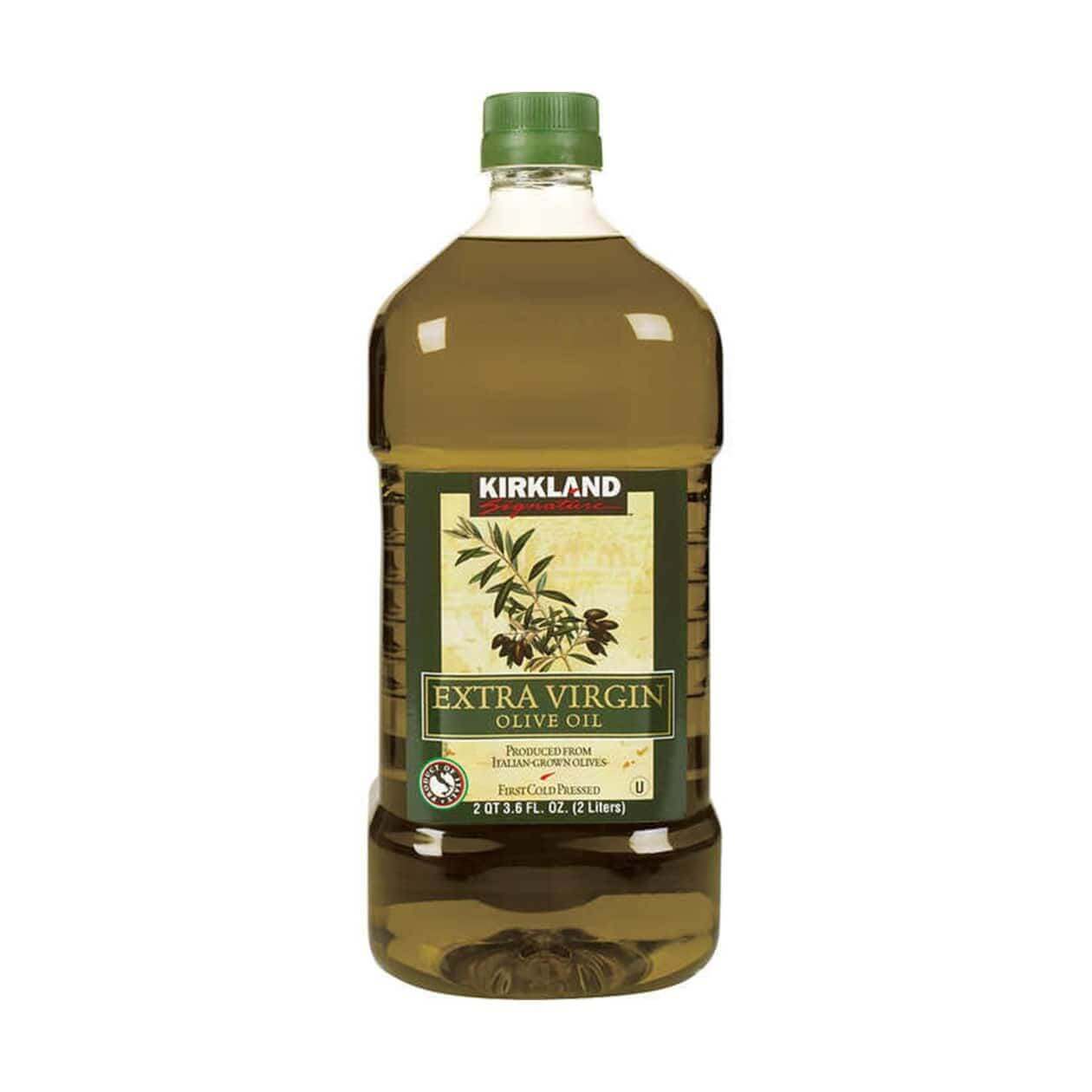
In conclusion, the journey of olive oil is a fascinating blend of history, health benefits, and culinary versatility. As we continue to embrace this age-old ingredient, it’s essential to recognize its impact on our health and the environment. Whether drizzled over a fresh salad or used as a base for delicious Mediterranean dishes, olive oil remains a timeless treasure, enhancing our meals and enriching our lives.
FAQ Section
What is the difference between extra virgin and regular olive oil?
Extra virgin olive oil is made from the first cold pressing of olives and has a superior flavor and lower acidity compared to regular olive oil, which may be refined and blended.
Can olive oil go bad?
Yes, olive oil can go rancid over time, especially if not stored properly. It’s best to keep it in a cool, dark place and use it within 1-2 years of the harvest date.
Is olive oil suitable for high-heat cooking?
While extra virgin olive oil has a lower smoke point, it can still be used for sautéing and baking. For higher heat, light or refined olive oil is recommended.
How can I tell if my olive oil is high quality?
High-quality olive oil should have a fruity aroma, a slight peppery taste, and a harvest date on the bottle. Look for certifications and avoid oils labeled simply as “olive oil.”
Can olive oil help with weight loss?
In moderation, olive oil can be part of a healthy diet that supports weight loss, thanks to its healthy fats that promote satiety and overall health.