
 Penelope Hailey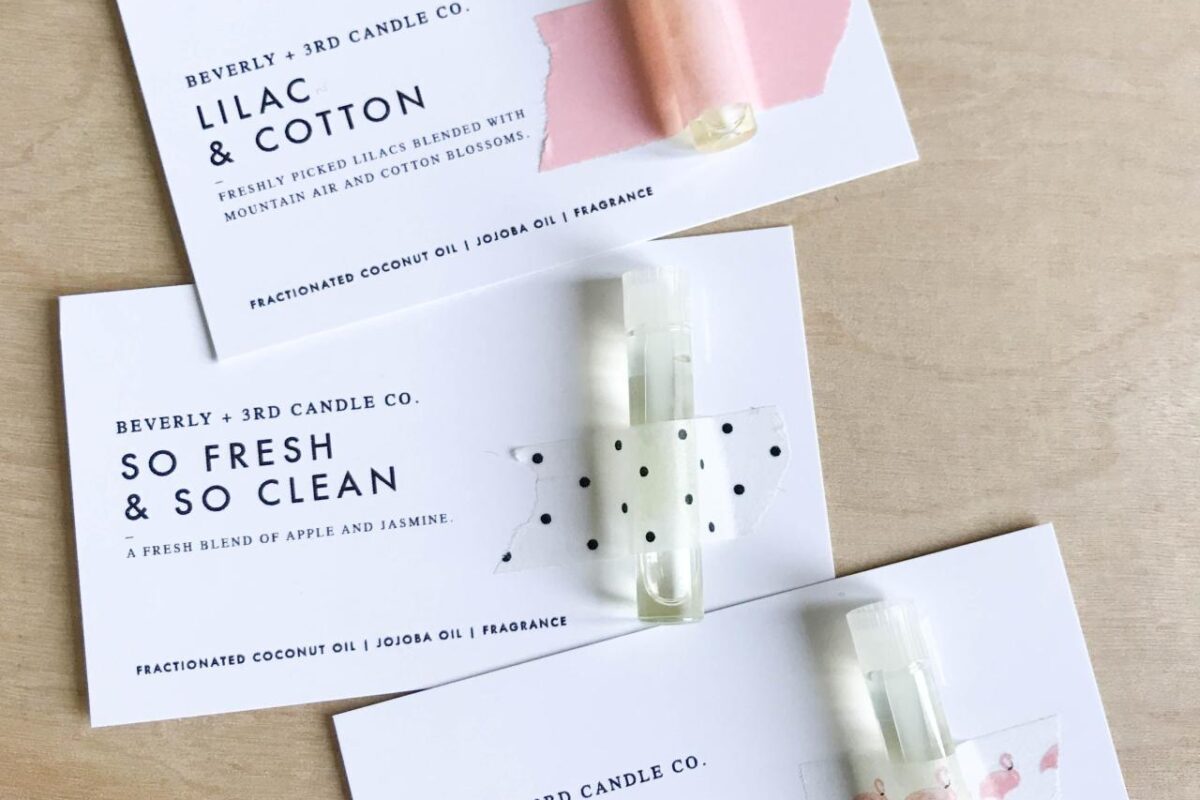
Oil based perfume offers a journey through time, revealing the rich history and cultural significance of fragrances that have captivated humanity for centuries. From their origins in ancient civilizations, where they played vital roles in rituals and daily life, to their revival in modern perfumery, oil-based perfumes embody an intimate connection to our senses.
This exploration delves into the meticulous craftsmanship behind oil-based fragrances, highlighting unique extraction methods and blending techniques that create captivating scents. As we navigate the benefits of oil over alcohol-based perfumes, we uncover their lasting allure and skin-friendly properties, making them a preferred choice for many fragrance enthusiasts today.
The Historical Significance of Oil Based Perfumes
Oil-based perfumes boast a long and rich history, tracing their roots back to ancient civilizations. From the temples of Egypt to the marketplace of ancient Arabia, these fragrant concoctions played a significant role in various cultural practices and daily life. Their unique ability to evoke emotions and create connections made them not just accessories, but essential elements in spiritual and social contexts.
In ancient cultures, oil-based fragrances were not merely for personal scent; they were intricately woven into rituals and traditions. Egyptians, for instance, utilized oils infused with myrrh and frankincense during religious ceremonies to honor their gods. Similarly, in Mesopotamia, perfumes were believed to have divine origins, leading to their use in temples and during significant life events. The scent of oils was believed to carry prayers to the heavens, establishing an ethereal link between the mortal and divine.
Civilizations and Their Fragrance Practices
Different civilizations embraced oil-based perfumes distinctively, employing them in ceremonies, daily life, and even medicinal practices. The following highlights some prominent cultures and their unique uses of fragrance:
- Ancient Egypt: Egyptians created elaborate oil blends for cosmetics and anointing rituals. Oils like cedarwood and nutmeg were essential in mummification processes, believed to ensure a safe passage to the afterlife.
- Ancient Greece: Greeks popularized the use of scented oils in personal grooming and beauty routines, often mixing them with olive oil to create luxurious body and hair treatments.
- Ancient India: In India, oil scents played a crucial role in Ayurvedic practices, with fragrances derived from flowers like jasmine and sandalwood being used for their supposed healing properties.
- Arabian Peninsula: Arab cultures have a storied history with perfume, integrating oil-based fragrances into their hospitality customs and daily life, often using attars made from natural ingredients like rose and oud.
Throughout history, key figures have significantly influenced the development of perfumery. The famous physician and philosopher Avicenna is credited with perfecting the distillation process that allowed for the extraction of essential oils from plants, revolutionizing the fragrance industry. His work laid the groundwork for modern perfumery, blending artistry with science. Additionally, the Queen of Sheba and Cleopatra are known for their opulent use of oils, associating their beauty with the unique scents of their time and contributing to the allure of fragrances in royal courts.
The ability of oil-based perfumes to convey emotion and tell a story has made them timeless treasures, transcending mere olfactory pleasure.
The Process of Crafting Oil Based Perfumes
Creating oil-based perfumes is an art that combines natural ingredients with a deep understanding of fragrance composition. This process not only highlights the beauty of essential oils but also the craftsmanship involved in blending them to create unique scents. By following a meticulous approach, perfume makers can transform raw materials into captivating fragrances.
The initial steps involve selecting high-quality natural ingredients, which typically include a variety of essential oils, carrier oils, and additional botanicals. This selection is crucial, as the quality of these components significantly impacts the final product. Once the ingredients are gathered, the extraction methods used to obtain essential oils play a pivotal role in the fragrance’s profile.
Extraction Methods of Essential Oils
Various extraction methods are employed to isolate essential oils from their source materials, each affecting the quality and fragrance characteristics of the oils. Understanding these methods is vital for anyone looking to create their own oil-based perfumes. Below are the primary extraction techniques:
- Steam Distillation: This is the most common method, where steam passes through plant material, vaporizing the volatile compounds. The vapor is then cooled to collect the essential oil.
- Cold Pressing: Typically used for citrus oils, this method involves mechanically pressing the fruit peel to release the oils. This method preserves the fresh aroma and natural properties of the fruit.
- Solvent Extraction: This technique uses solvents to dissolve the essential oils from plant material. After the solvent evaporates, a thick, aromatic substance called an absolute is obtained, often used in high-end perfumes.
- CO2 Extraction: This involves using carbon dioxide under high pressure to extract oils. This method is praised for producing high-quality oils that retain a more complete fragrance profile.
Significance of Blending Techniques
Blending techniques are essential in the creation of oil-based perfumes, as they determine how different fragrances interact and evolve over time. A successful blend captures the essence of the individual ingredients while creating a harmonious final product. The process requires knowledge of fragrance families and notes, including top, middle, and base notes, which contribute to the scent’s longevity and complexity.
The importance of these techniques can be understood through the following aspects:
- Balance: Achieving a well-balanced fragrance is crucial. Each note must complement and elevate the others, creating a cohesive scent.
- Layering: By layering different oils, perfumers can craft a richer scent experience. For instance, a floral note might be layered with a fruity undertone to create depth.
- Time and Patience: Allowing the blend to mature is vital. Some fragrances can change significantly after resting for a few days, requiring patience to achieve the desired outcome.
- Testing and Adjusting: Frequent testing during the blending process ensures that the fragrance develops as intended. Adjustments may be needed to refine the final scent profile.
In conclusion, the process of crafting oil-based perfumes from natural ingredients encompasses careful selection, effective extraction methods, and skilled blending techniques. By understanding these elements, one can create unique and captivating fragrances that resonate with the essence of nature.
The Benefits of Choosing Oil Based Perfumes Over Alcohol Based Ones
Oil-based perfumes are making a significant impact in the fragrance industry, and for good reasons. Unlike traditional alcohol-based fragrances, oil-based perfumes offer a range of benefits that enhance the overall experience of wearing a scent. From longevity to skin health and environmental concerns, the advantages of these perfumes are worth exploring.
Longevity and Intensity of Fragrance
Oil-based perfumes are known for their impressive staying power compared to alcohol-based ones. The absence of alcohol, which can quickly evaporate, allows oil-based scents to linger on the skin much longer. This is especially beneficial for individuals with busy lifestyles who want their fragrance to last throughout the day without the need for frequent reapplication.
– Oil-based perfumes can last anywhere from 6 to 12 hours, while alcohol-based fragrances often fade within 3 to 5 hours.
– The intensity of the fragrance is also more pronounced in oil-based options, as the concentrated nature of the oils provides a richer scent profile that evolves beautifully over time.
– Users often report that oil fragrances develop uniquely with body chemistry, leading to a more personalized scent experience.
“The depth and character of an oil-based perfume can create a lasting impression, making it feel truly yours.”
Skin-Friendly Properties and Skin Health
One of the standout features of oil-based perfumes is their skin-friendly formulation. Many people experience irritation or sensitivity from alcohol-based fragrances due to the drying effects of alcohol on the skin. In contrast, oil-based perfumes are typically infused with nourishing natural oils.
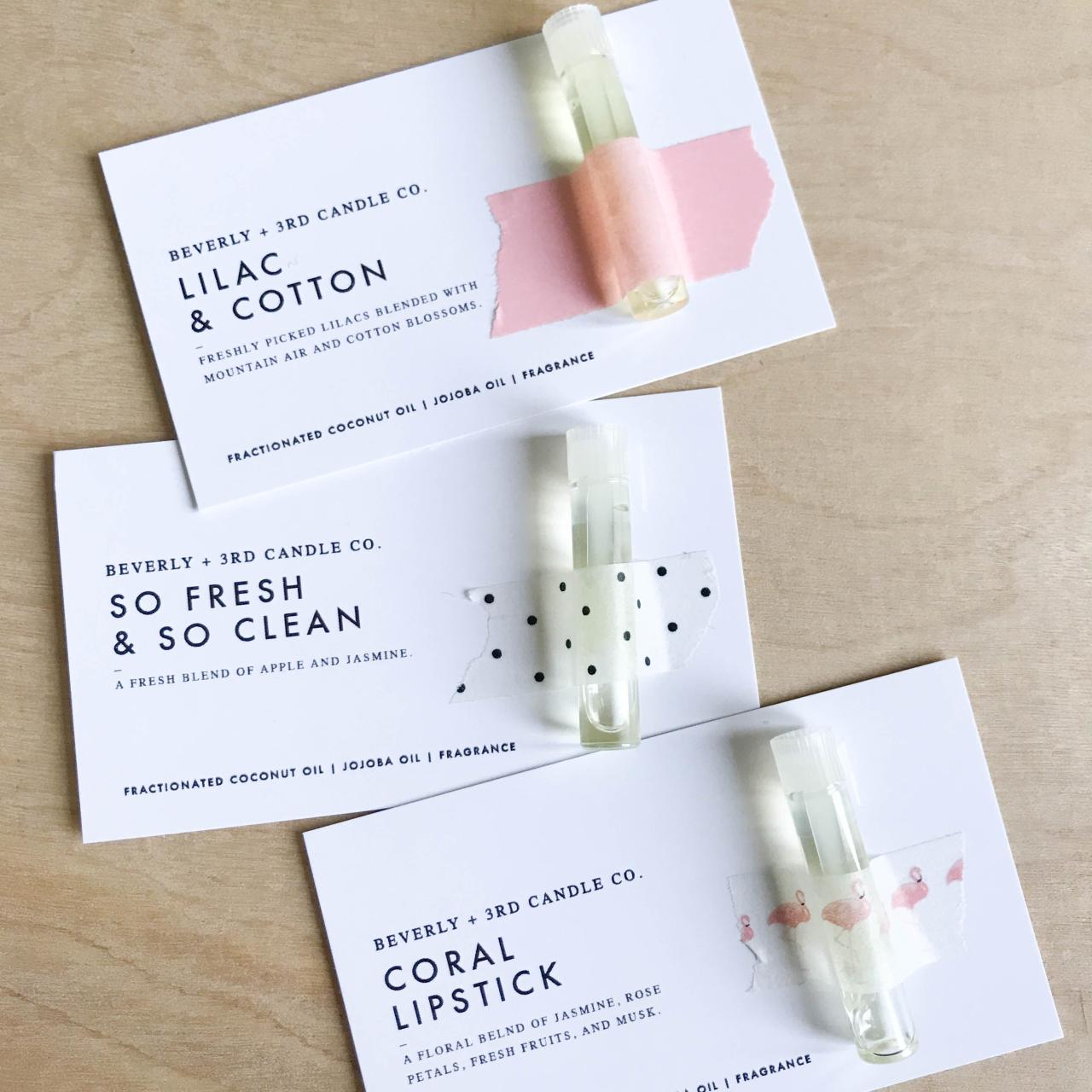
– Natural oils like jojoba, coconut, and almond oil serve as moisturizing agents, helping to hydrate the skin and prevent dryness.
– These oils can also have therapeutic benefits, such as calming inflammation or providing antioxidants that promote skin health.
– The absence of synthetic chemicals in many oil-based perfumes means a lower risk of allergic reactions or skin irritation, making them suitable for sensitive skin types.
“Choosing oil-based fragrances can mean a more comfortable and healthy experience for your skin.”
Environmental Benefits of Natural Oils
In an increasingly eco-conscious world, opting for oil-based perfumes can contribute positively to the environment. Many oil-based fragrances utilize natural plant extracts and essential oils, reducing reliance on synthetic materials that can be harmful to both the environment and human health.
– Natural oils are often biodegradable and produced through sustainable practices, minimizing environmental impact.
– The production of alcohol for perfumes can be resource-intensive, while oil extraction from plants can be more efficient and eco-friendly.
– Supporting brands that focus on natural ingredients encourages responsible sourcing and ethical practices in the fragrance industry.
“By choosing oil-based perfumes, you not only benefit personally but also contribute to a healthier planet.”
The Diverse Range of Scents Available in Oil Based Perfumes
Oil-based perfumes offer a rich tapestry of scents that appeal to varied tastes and occasions. Their unique composition allows for a deeper and longer-lasting fragrance experience compared to alcohol-based perfumes. This versatility in scent profiles makes them a favorite among fragrance enthusiasts, as they can find options that suit every mood, style, and event.
When exploring the diverse range of oil-based perfumes, it’s essential to understand the primary scent families. Each family possesses distinct characteristics that can evoke different emotions and memories. Here are some of the most popular scent families found in oil-based perfumes:
Popular Scent Families in Oil-Based Perfumes
The following list illustrates the main scent families commonly found in oil-based perfumes, complete with their defining characteristics:
- Floral: These fragrances are characterized by the scent of blooming flowers, often evoking feelings of romance and softness. Examples include rose, jasmine, and peony.
- Citrus: Fresh and vibrant, citrus scents such as bergamot, lemon, and orange provide an invigorating and uplifting aroma.
- Woody: Rich and warm, woody scents like sandalwood, cedar, and patchouli offer a grounding and earthy experience.
- Oriental: Exotic and sensual, oriental fragrances often combine spices, resins, and vanilla, creating a warm and inviting scent. Examples include amber and musk.
- Gourmand: These fragrances are reminiscent of sweet food items, featuring notes like caramel, vanilla, and chocolate, appealing to those with a sweet tooth.
Each of these scent families can be blended and layered, creating complex fragrances that cater to individual preferences.
In addition to family characteristics, various unique oil-based perfumes are available that cater to specific occasions, further enhancing the olfactory experience. For instance:
Examples of Unique Oil-Based Perfumes for Different Preferences and Occasions
Selecting the right perfume for an occasion can elevate the experience significantly. Here are a few unique oil-based perfumes tailored to distinct preferences:
- Casual Daily Wear: “Neroli” by Aftelier Perfumes, known for its bright and cheerful scent, perfect for everyday use.
- Evening Events: “Black Opium” by Yves Saint Laurent, a seductive blend of coffee and vanilla that captures attention.
- Romantic Dates: “Jasmine Sambac” by Jo Malone, with its intoxicating floral notes, ideal for creating a romantic ambiance.
- Outdoor Activities: “Citrus Verbena” by L’Occitane, refreshing and light, perfect for a day in the sun.
Understanding how personal body chemistry influences the scent profile of oil-based fragrances is also crucial.
Influence of Personal Body Chemistry on Scent Profiles
The way a fragrance develops on an individual’s skin can vary significantly due to body chemistry. Factors such as skin type, diet, hormonal changes, and even mood can affect how a scent is perceived.
“The same fragrance can smell entirely different on two different people.”
For instance, oil-based perfumes can interact with the natural oils on the skin, enhancing certain notes while muting others. Individuals with drier skin may find that scents dissipate more quickly, while those with oilier skin may notice that fragrances last longer and project more intensely. This variability highlights the importance of testing a scent on the skin before committing to a bottle.
In conclusion, the diverse range of scents available in oil-based perfumes provides endless options for personalization, allowing each individual to find their signature scent that resonates with their unique identity.
The Cultural Variations in the Use of Oil Based Perfumes
The world of oil-based perfumes is vast and deeply intertwined with various cultural practices and traditions. In many societies, fragrances are not merely aesthetic additions but hold profound significance, connecting individuals to their heritage, rituals, and social interactions. Understanding these cultural variations enriches our appreciation of how scents shape human experiences across the globe.
Oil-based perfumes have been a part of human culture for centuries, often serving as markers of identity, spirituality, and social status. In some cultures, the application of these perfumes is a ritualistic act, while in others, it is a social norm. The significance of fragrance often extends beyond the individual, reflecting community values, religious beliefs, and historical narratives.
Incorporation of Oil Based Perfumes in Traditions
Different cultures have unique methods of incorporating oil-based perfumes into their traditions. In Middle Eastern cultures, for example, the use of oils like oud and musk is prevalent. These fragrances are often used in religious practices and during celebrations, symbolizing hospitality and wealth. The ritual of applying these scents can be seen during significant events such as weddings or festivals, where fragrance plays a vital role in the overall ambiance.
In contrast, in many Western cultures, oil-based perfumes are often marketed as luxury items and are typically associated with personal branding and fashion statements. The significance here revolves more around individual expression rather than communal practices.
Fragrance in Social Contexts
Fragrance serves as a social marker in various cultures, influencing perceptions and interactions. In some African communities, the use of particular scents is tied to social status and heritage. The use of natural oils made from local plants signifies a deep connection to nature and traditional values.
In Asian cultures, scents often play a role in holistic health practices. For instance, essential oils are used in aromatherapy to promote well-being, and the fragrance of certain oils is believed to invoke positivity and calmness.
Regional Preferences for Specific Scents
Fragrance preferences vary significantly across the globe, often reflecting local flora, climate, and cultural norms.
- Middle East: The scents of oud and rose are highly favored, often infused in traditional perfumes due to their strong connection with cultural identity.
- Asia: Countries like India and China often favor floral and spicy scents, with sandalwood and jasmine being prominent in many traditional practices.
- Europe: Fresh and citrus scents are popular, with a focus on light and refreshing fragrances that align with the region’s outdoor lifestyle.
- North America: There is a growing trend towards organic and natural scents, with consumers gravitating towards earthy and woody fragrances.
The preferences for specific scents in different regions highlight not just individual taste but also the intertwined nature of culture, environment, and social practices.
“Fragrance is a universal language that transcends barriers, telling stories of tradition, identity, and social connection.”
The Future of Oil Based Perfumes in the Fragrance Industry
The landscape of the fragrance industry is evolving, with oil-based perfumes carving out a distinct niche that resonates with modern consumer values. As preferences shift towards more sustainable and natural products, the future looks promising for these richly scented, concentrated alternatives.
Emerging trends indicate a growing demand for oil-based perfumes, driven by a consumer shift towards authenticity and experience in fragrance. These products, known for their longevity and vibrant scent profiles, are gaining traction among both seasoned fragrance enthusiasts and newcomers alike. This trend reflects a broader movement within the beauty industry that values quality over quantity, encouraging brands to focus on unique scent combinations and artisanal craftsmanship.
Emerging Trends in Oil-Based Perfumes
The popularity of oil-based perfumes is interconnected with several key trends that highlight their unique advantages. These include:
- Personalization: Many brands are now offering customizable oil-based fragrances, allowing consumers to create scents that reflect their individual identities.
- Layering: Consumers are increasingly interested in layering different oil-based scents to create complex, signature aromas that stand out.
- Minimalism: There is a notable movement towards minimalism in fragrance, with oil-based perfumes often featuring fewer ingredients that are more concentrated and impactful.
- Gender Neutrality: Oil-based perfumes are being marketed as unisex, appealing to a broader audience and breaking down traditional gender norms in fragrance.
Innovations in Sustainable Sourcing
Sustainability plays a critical role in the future of oil-based perfumes. As consumers become more environmentally conscious, brands are responding with innovative sourcing practices. Sustainable practices are paramount for ensuring that the ingredients used are ethically harvested and responsibly produced.
- Ethical Harvesting: Many companies are now committed to sourcing plant materials through fair trade practices, ensuring that local communities benefit from the cultivation of raw ingredients.
- Biotechnology: Advances in biotechnology are enabling the creation of synthetic alternatives to natural oils, reducing environmental impact and dependence on natural resources.
- Recycling Initiatives: Some brands are also implementing programs to recycle packaging, further promoting a circular economy in the fragrance industry.
Consumer Preferences for Natural and Organic Products
The shift towards natural and organic ingredients is reshaping consumer preferences in perfumery. More individuals are opting for products that reflect their values, prioritizing health, wellness, and ecological impact.
- Health Consciousness: Consumers are increasingly aware of the potential chemical additives in synthetic fragrances, leading them to prefer oil-based options that offer cleaner, non-toxic formulations.
- Transparency: Brands that provide clear information about ingredient sourcing and formulation processes are gaining consumer trust, as transparency becomes a critical factor in purchasing decisions.
- Wellness Integration: The incorporation of aromatherapy principles into oil-based perfumes is appealing to consumers looking for holistic wellness benefits beyond mere fragrance.
Tips for Applying and Storing Oil Based Perfumes
Applying and storing oil-based perfumes correctly can enhance their longevity and effectiveness. These fragrances, known for their rich and concentrated scents, require specific techniques to maximize their benefits. Understanding the nuances of application and storage can significantly elevate your fragrance experience.
Best Practices for Applying Oil-Based Perfumes
To achieve the best results with oil-based perfumes, consider the following application techniques. Unlike alcohol-based fragrances, oil perfumes have a thicker consistency and require a different approach for application.
- Apply on Pulse Points: Focus on areas where blood vessels are close to the skin, such as the wrists, behind the ears, and the base of the throat. The warmth from these areas enhances the fragrance.
- Use a Light Touch: A little goes a long way with oil-based perfumes. Apply a small amount and allow it to develop naturally on your skin, rather than overapplying.
- Layer with Unscented Lotion: For longer-lasting scent, apply an unscented moisturizer before the perfume. The lotion helps the oil adhere better to your skin, extending the life of the fragrance.
- Don’t Rub: Avoid rubbing your wrists together after applying perfume, as this can break down the fragrance molecules and alter the scent.
Optimal Storage Conditions for Oil-Based Fragrances
Storing your oil-based perfumes in the right conditions is crucial for maintaining their integrity. Proper storage can prevent degradation and ensure that your scent remains as intended.
- Keep Away from Light: Store perfumes in dark places, as exposure to light can cause chemical reactions that diminish fragrance quality.
- Maintain a Stable Temperature: Perfumes should be kept at room temperature and away from extreme heat or cold, which can alter their composition.
- Use Original Bottles: Retain the perfume in its original bottle to protect it from environmental factors. These bottles are designed to shield the fragrance from air exposure.
- Avoid Humidity: High humidity can affect the fragrance. Store in a dry area to maintain optimal conditions.
Common Mistakes to Avoid with Oil-Based Perfumes
Understanding what not to do with oil-based perfumes can help you avoid pitfalls that may affect your fragrance experience. Here are some common mistakes to steer clear of:
- Overapplying: Applying too much can lead to overwhelming scents that may not be pleasant to yourself or others.
- Ignoring Skin Type: Fragrance performance can vary based on skin type. Oily skin tends to hold scent longer, while dry skin may require more frequent reapplication.
- Storing in Bathrooms: Bathrooms are often humid and can lead to quicker degradation of the fragrance.
- Mixing Scents: Layering different fragrances without care can lead to clashing scents that diminish the unique qualities of each perfume.
“Proper application and storage of oil-based perfumes can significantly enhance their longevity and overall scent experience.”
Tips for Applying and Storing Oil Based Perfumes
Applying and storing oil-based perfumes correctly can make a significant difference in the longevity and scent quality of your fragrance. Understanding the unique nature of oil-based perfumes is essential to maximize their effects and preserve their integrity. Below are some best practices to consider.
Best Practices for Applying Oil-Based Perfumes
When applying oil-based perfumes, technique plays a crucial role. Unlike alcohol-based fragrances, oils require a more intentional approach to application. The following points highlight effective methods for applying oil-based perfumes:
- Apply to Pulse Points: Focus on areas where the body generates heat, such as the wrists, behind the ears, and the neck. These areas enhance the fragrance’s projection and longevity.
- Use a Light Touch: Because oil-based scents are concentrated, a little goes a long way. Avoid over-applying to prevent overwhelming intensity.
- Layering: Consider pairing complementary fragrances. Applying a light layer of unscented lotion before the perfume can create a more profound scent experience and help the oil adhere better to the skin.
- Wait Before Dressing: Allow the oil to absorb into your skin for a few minutes before getting dressed to minimize the chances of staining clothing.
Optimal Storage Conditions for Oil-Based Fragrances
The preservation of oil-based perfumes hinges on proper storage conditions. Storing these fragrances away from certain elements can significantly enhance their lifespan. Here are the recommended guidelines for storage:
- Keep Away from Sunlight: Exposure to direct sunlight can cause the oils to break down, altering the scent. Store your perfumes in a cool, dark place.
- Temperature Stability: Ideal storage temperatures range from 15 to 20 degrees Celsius (59 to 68 degrees Fahrenheit). Avoid storing in places with extreme temperature fluctuations.
- Airtight Containers: Use tightly sealed containers or the original packaging to prevent oxidation and evaporation, ensuring the fragrance remains intact.
- Avoid Humid Areas: High humidity can influence the quality of the scent. Avoid storing perfumes in bathrooms or near sources of moisture.
Common Mistakes to Avoid When Using Oil-Based Perfumes
Being aware of frequent pitfalls can enhance your experience with oil-based fragrances. Here are some mistakes to avoid:
- Applying to Dry Skin: Oil-based perfumes perform best on moisturized skin. Applying on dry skin can lead to quicker evaporation and diminished scent strength.
- Mixing with Other Fragrances: Combining different scents without consideration can create an unpleasant aroma. Stick to one fragrance for the best results.
- Ignoring Shelf Life: Oil-based perfumes can have a longer shelf life than alcohol-based ones, but they still degrade over time. Check for changes in color or scent.
- Using Too Much: Over-application is common. Remember, the potency of oil-based perfumes is high, and a small amount is usually sufficient for a lasting effect.
Conclusion
In summary, oil based perfume is not just about scent; it encapsulates history, culture, and artistry, making it a profound choice for personal expression. As the fragrance industry continues to evolve, the enduring appeal of oil-based perfumes stands testament to our collective appreciation for nature’s aromatic treasures, ensuring their place in our lives for years to come.
Q&A
What makes oil based perfumes last longer?
Oil based perfumes are more concentrated and evaporate slower than alcohol-based ones, resulting in longer-lasting scents.
Can oil based perfumes irritate sensitive skin?
Generally, oil based perfumes are gentler on the skin, but it’s always wise to test for allergies or sensitivities with a patch test.
How should I apply oil based perfumes?
Apply oil based perfumes to pulse points like wrists and neck for the best effect, as these areas emit heat, enhancing the fragrance.
Are oil based perfumes suitable for all occasions?
Yes, oil based perfumes come in a variety of scents suitable for both casual and formal occasions, making them versatile options.
How should I store oil based perfumes?
Store oil based perfumes in a cool, dark place to maintain their integrity and prolong their shelf life.