
 Penelope Hailey
Top 10 essential oils shine a light on the incredible world of nature’s potent extracts that have captivated humans for centuries. These oils not only add delightful scents to our lives but also offer a myriad of health benefits that can support our physical and mental well-being. As we delve into the history, uses, and advantages of these essential oils, prepare to discover how they can enhance your daily routine.
From ancient civilizations relying on natural extracts for healing and spiritual practices to modern applications in skincare and home cleaning, essential oils have evolved significantly. Their extraction methods have improved, ensuring purity and potency that caters to today’s wellness enthusiasts. This exploration will provide insights into the top 10 essential oils, revealing their unique benefits and practical applications for a healthier lifestyle.
The History and Origins of Essential Oils
Essential oils have a rich history that spans thousands of years, deeply woven into the tapestry of ancient cultures and practices. These aromatic compounds, extracted from plants, have been valued not only for their delightful scents but also for their medicinal and spiritual properties. From the temples of ancient Egypt to the healing practices of traditional Chinese medicine, essential oils played a crucial role in the lives of those who sought wellness and connection to the divine.
The historical significance of essential oils can be traced back to various ancient civilizations. In Egypt, essential oils like frankincense and myrrh were used in religious rituals, burial practices, and skincare. The Egyptians believed these oils had protective and purifying properties, often using them in the embalming process. Similarly, in India, essential oils became essential components of Ayurveda, a holistic healing system that dates back over 3,000 years. The practice of aromatherapy emerged in ancient Greece, where philosophers like Hippocrates recognized the importance of scent in promoting emotional and physical health.
Evolution of Essential Oils and Their Uses
The use of essential oils has evolved significantly over time, reflecting changes in culture, science, and technology. In the Middle Ages, essential oils gained prominence in Europe as the knowledge of herbal medicine flourished. Aromatic plants were distilled to create oils that were utilized for medicinal purposes, as well as for preserving food and warding off diseases, particularly during the Black Plague.
During the 20th century, essential oils experienced a revival, particularly with the advent of aromatherapy. Pioneers like René-Maurice Gattefossé and Marguerite Maury advanced the therapeutic applications of essential oils, integrating them into modern holistic health practices. Today, essential oils are widely used in various sectors, including cosmetics, food, and wellness, showcasing their versatility and enduring appeal.
Methods of Extraction Historically Employed
The methods of extracting essential oils have undergone notable changes throughout history. Traditionally, the most common techniques included:
– Steam Distillation: This method involves passing steam through the plant material, causing the essential oil to evaporate and then condense, allowing for collection. It was developed in the Roman Empire and remains the most widely used technique today.
– Cold Pressing: Primarily used for citrus oils, this technique involves mechanically pressing the rind of the fruit to release the oil. This method was widely adopted in Mediterranean cultures, particularly for producing oils like lemon and orange.
– Solvent Extraction: This method uses solvents to dissolve the essential oils, which are then separated from the solvent. It was particularly useful for extracting oils from delicate flowers that couldn’t withstand heat.
– Enfleurage: An ancient technique where flowers are placed in a fatty substance that absorbs the essential oils. While labor-intensive, it was primarily used for delicate blooms like jasmine and tuberose in the 19th century.
Each method reflects the technological innovations of its time and the persistent quest for harnessing the aromatic and therapeutic properties of plants. Essential oils, with their enduring legacy, continue to captivate and heal in both modern and ancient practices.
The Top 10 Essential Oils and Their Unique Benefits
Essential oils are highly concentrated plant extracts that have been used for centuries in various cultures for their therapeutic properties. These oils are known for their ability to enhance physical and emotional health, providing a natural alternative to over-the-counter remedies. Understanding the unique benefits of each essential oil can help you harness their power for improved well-being.
List of Top 10 Essential Oils with Benefits
The following list Artikels the top essential oils along with their specific benefits and uses. Each oil has distinct properties that can serve various purposes, from relaxation to healing.
- Lavender Oil: Known for its calming and soothing effects, lavender oil is often used for stress relief, sleep improvement, and as a natural remedy for headaches.
- Peppermint Oil: This invigorating oil is great for alleviating headaches, digestive issues, and boosting energy levels. It can also help relieve muscle pain when applied topically.
- Eucalyptus Oil: Eucalyptus is renowned for its respiratory benefits, making it useful for colds, congestion, and as a natural antiseptic.
- Tea Tree Oil: A powerful antibacterial and antifungal agent, tea tree oil is commonly used in skincare for acne treatment and wound healing.
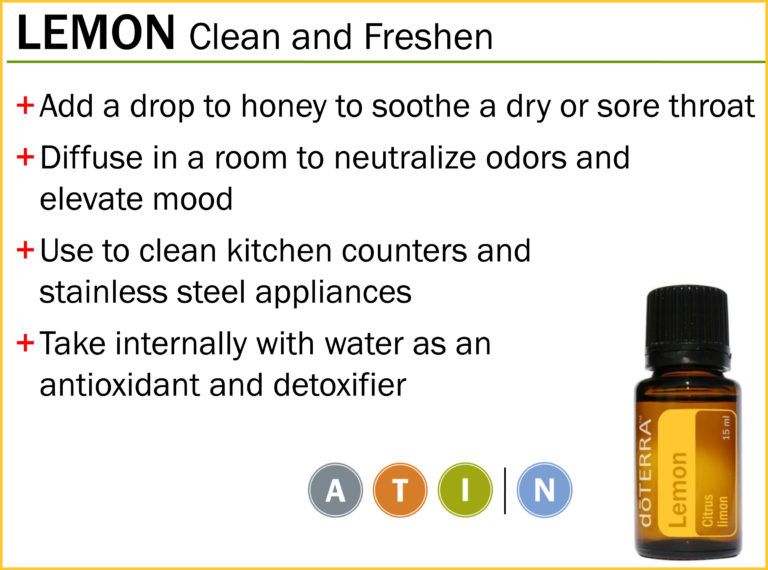
- Lemon Oil: With its uplifting aroma, lemon oil can enhance mood, aid digestion, and is often used for its antibacterial properties in cleaning products.
- Frankincense Oil: This oil is known for its anti-inflammatory properties and is often used in aromatherapy to promote relaxation and meditation.
- Chamomile Oil: Chamomile is celebrated for its gentle calming effects, making it ideal for reducing anxiety and promoting better sleep.
- Rosemary Oil: Often associated with improving memory and concentration, rosemary oil also has antioxidant properties and can promote hair growth.
- Orange Oil: With its cheerful aroma, orange oil is effective for reducing stress and boosting mood, and it’s often used in household cleaning due to its natural antimicrobial properties.
- Sandalwood Oil: Known for its grounding effects, sandalwood oil is utilized in meditation practices and is also recognized for its anti-inflammatory and antiseptic qualities.
Comparative Therapeutic Properties of Essential Oils and Common Over-the-Counter Remedies
The therapeutic properties of essential oils often provide a more holistic approach to health compared to conventional over-the-counter remedies. While OTC medications may target specific symptoms, essential oils can address the underlying causes of discomfort and promote overall wellness.
Essential oils offer a natural alternative to synthetic medications, with fewer side effects and the ability to enhance emotional and mental health.
For example, while common pain relievers like ibuprofen may effectively reduce inflammation, peppermint oil can relieve muscle tension and headaches without the gastrointestinal side effects associated with many OTC medications. Similarly, while decongestants can provide temporary relief for colds, eucalyptus oil aids in reducing inflammation in the respiratory system and clears nasal passages naturally.
By integrating essential oils into your wellness routine, you can benefit from their wide-ranging effects that promote balance, relaxation, and healing, making them a valuable addition to your health arsenal.
Methods of Using Essential Oils Effectively
Essential oils are versatile and can be used in various ways to enhance your well-being and improve your living environment. Understanding the different application methods allows you to make the most out of these natural extracts. Whether you want to diffuse calming scents throughout your home, apply oils topically for skincare benefits, or incorporate them into your cooking, knowing how to use essential oils safely and effectively is crucial.
There are three primary methods of using essential oils: diffusion, topical application, and ingestion. Each method has its own unique benefits and considerations, making it important to choose the right one for your needs. Additionally, safety precautions play a vital role in ensuring a positive experience with essential oils. Below, we will explore these methods in detail.
Diffusion
Diffusion is a popular method for dispersing essential oils into the air, allowing you to enjoy their aromatic benefits. Here are a few effective ways to diffuse essential oils:
- Ultrasonic Diffuser: This device uses water and ultrasonic waves to disperse a fine mist of essential oils into the air. It’s ideal for creating a soothing atmosphere in your home.
- Essential Oil Burner: By placing water and essential oils in a bowl above a candle, the heat releases the oils into the air. This method is simple but requires careful monitoring to prevent overheating.
- Inhalers: Portable inhalers allow you to carry your favorite essential oils with you for on-the-go aromatherapy. Simply inhale through the nostrils for quick relief.
Topical Application
Topical application involves applying essential oils directly to the skin. This method is effective for targeted benefits such as pain relief or skincare. However, it’s essential to dilute essential oils with a carrier oil to prevent skin irritation. Common carrier oils include coconut oil, jojoba oil, and almond oil.
Consider these points when using topical applications:
- Patch Test: Always perform a patch test on a small area of skin to check for allergic reactions before applying oils more broadly.
- Sun Sensitivity: Some oils, like citrus oils, can increase skin sensitivity to sunlight. Avoid sun exposure after applying these oils topically.
- Targeted Areas: Apply oils to pulse points such as wrists, temples, or behind the ears for optimal absorption.
Ingestion
Ingesting essential oils can be beneficial, but it should be done with caution. Only certain essential oils are safe for consumption, and it is best to consult with a healthcare professional before doing so. When ingesting essential oils, consider the following:
- Quality Matters: Use only high-quality, food-grade essential oils from reputable sources. Check for purity and certification.
- Small Quantities: Start with one drop or a few drops mixed in food or drink to assess your body’s reaction.
- Recipes: Incorporate oils into recipes, such as adding a drop of peppermint oil to smoothies or using lemon oil in salad dressings.
Safety Precautions
Safety is paramount when using essential oils, regardless of the method of application. Here are some key precautions to keep in mind:
- Consultation: Always consult with a healthcare provider, especially if you are pregnant, nursing, or have underlying health conditions.
- Storage: Store essential oils in a cool, dark place, away from children and pets to prevent accidental ingestion or exposure.
- Dosage: Follow recommended dilution ratios for topical applications and avoid overuse to prevent adverse effects.
Creating DIY Blends
Crafting your own essential oil blends can be a rewarding experience. Here’s a simple guide to creating customized blends using the top 10 essential oils:
- Start with a Base: Choose a base oil or blend such as sweet almond oil or jojoba oil.
- Select Your Oils: Combine 3-5 essential oils based on their properties. For example, lavender for relaxation, peppermint for invigoration, and tea tree for skincare.
- Follow Ratios: A good rule of thumb is a 2% dilution ratio for topical blends, which means about 12 drops of essential oil per ounce of carrier oil.
- Mix and Store: Combine your chosen oils in a dark glass bottle to protect them from light. Label your blend with the date and ingredients.
Essential Oils in Aromatherapy Practices
Aromatherapy is a holistic healing practice that harnesses the power of essential oils to enhance physical and psychological well-being. By utilizing these natural extracts, individuals can create an environment conducive to relaxation and healing. The psychological effects of essential oils can influence mood, emotions, and even cognitive function, making them a valuable tool in personal well-being routines.
Essential oils are primarily utilized in aromatherapy through various methods such as diffusion, inhalation, and topical application. Each of these methods allows for unique interactions between the oils and the user, facilitating a range of psychological benefits. For instance, lavender oil is well-known for its calming effects, promoting relaxation and reducing anxiety. Research has shown that inhalation of essential oils can stimulate brain areas linked to memory and emotion, suggesting that aromatherapy can effectively alter mood and emotional states.
Evidence-based Studies on Aromatherapy Efficacy
Numerous studies have been conducted to evaluate the effectiveness of aromatherapy using essential oils. These studies demonstrate the ability of specific oils to alleviate symptoms of various conditions, enhancing mental health and well-being.
For a better understanding, here are some notable findings:
- Stress Reduction: A study published in the Journal of Alternative and Complementary Medicine found that participants who inhaled lavender essential oil experienced significant reductions in stress levels compared to a control group.
- Anxiety Management: Research in the International Journal of Nursing Studies demonstrated that aromatherapy with chamomile oil led to decreased anxiety levels in patients undergoing surgery.
- Improved Sleep Quality: A clinical trial featured in the Journal of Clinical Psychiatry revealed that the inhalation of bergamot essential oil significantly improved sleep quality among participants suffering from insomnia.
These findings highlight the potential of essential oils to offer therapeutic benefits, validating the use of aromatherapy in various wellness practices.
Creating a Personal Aromatherapy Routine
Establishing a personal aromatherapy routine can significantly enhance your well-being. By incorporating essential oils into daily practices, individuals can create a tailored experience that supports mental and emotional health. Here’s a structured approach to developing your routine:
1. Choose Your Essential Oils: Select oils based on the desired outcome. For relaxation, consider lavender or chamomile. For energy, citrus oils like lemon or orange can be beneficial.
2. Select Application Methods: Decide how to incorporate the oils into your routine. Options include:
– Diffusing: Use an essential oil diffuser to disperse the aroma in your living space.
– Inhalation: Directly inhale from the bottle or place a few drops on a tissue.
– Topical Application: Dilute essential oils with a carrier oil and apply to pulse points, such as wrists or behind the ears.
3. Establish a Schedule: Incorporate aromatherapy at specific times, such as during morning routines for an energy boost or in the evening for relaxation.
4. Create a Relaxing Space: Designate an area in your home where you can practice aromatherapy comfortably. This space should be calming and free from distractions.
5. Monitor Your Response: Keep track of how different oils and methods affect your mood and well-being. Adjust your routine based on these observations to find the most effective combination.
By following these steps, individuals can cultivate a personalized aromatherapy practice that enhances their lifestyle and emotional health. The integration of essential oils into daily routines not only promotes relaxation but also contributes to overall well-being.
The Role of Essential Oils in Skincare
Essential oils have been celebrated for their diverse benefits, and their role in skincare is particularly noteworthy. These concentrated plant extracts offer various therapeutic properties that can enhance skin health and vitality. From promoting hydration to combating signs of aging, essential oils can be a valuable addition to any skincare routine.
Incorporating essential oils into your daily skincare regimen can be simple and effective. For those seeking natural alternatives to conventional products, essential oils provide a holistic approach to skincare. They can be used individually or blended in formulations, making them versatile options for addressing specific skin concerns. Below are some of the top essential oils recognized for their skin health benefits.
Top Essential Oils Beneficial for Skin Health
The following essential oils are renowned for their positive effects on the skin, each offering unique properties that can address various skin issues:
- Tea Tree Oil: Known for its antiseptic and antibacterial properties, tea tree oil is effective in treating acne and oily skin. This oil helps to clear blemishes and reduce inflammation, making it a staple in acne-fighting products.
- Lavender Oil: Lavender oil is celebrated for its calming effects and ability to soothe irritated skin. Its anti-inflammatory properties can help alleviate redness, while its antiseptic qualities promote healing.
- Rosehip Oil: Rich in essential fatty acids and antioxidants, rosehip oil is excellent for hydrating and rejuvenating the skin. It is known to improve skin tone and texture, as well as reduce the appearance of scars and fine lines.
- Frankincense Oil: Often used for its anti-aging benefits, frankincense oil helps to reduce the appearance of wrinkles and promote skin elasticity. It also has healing properties that can improve the overall complexion.
- Geranium Oil: Geranium oil is effective for balancing oily skin and improving skin elasticity. Its astringent properties help tighten the skin, while its uplifting scent enhances mood during application.
Understanding how to integrate these essential oils into your skincare routine is crucial for maximizing their benefits. One effective method is to blend a few drops of essential oil with a carrier oil, such as jojoba or coconut oil, and apply it directly to the skin. Another option is to add essential oils to moisturizers, serums, or toners for enhanced effects. It’s essential to perform a patch test before full application to ensure compatibility with your skin type.
Comparison of Essential Oil-Infused Products versus Traditional Skincare Products
When selecting skincare products, it’s essential to understand the differences between essential oil-infused options and traditional formulations. Essential oil-infused products often contain natural ingredients that can provide therapeutic benefits without the harsh chemicals found in many conventional creams and lotions. Here are some factors to consider:
- Ingredient Purity: Essential oil-infused products typically feature fewer synthetic ingredients, making them suitable for sensitive skin types.
- Therapeutic Benefits: The natural compounds in essential oils can promote healing and rejuvenation, whereas traditional products may rely on synthetic additives for similar effects.
- Fragrance: Essential oil-infused products often have natural scents, which can enhance the sensory experience of skincare routines, while many traditional products use synthetic fragrances that can irritate the skin.
- Environmental Impact: Many essential oil brands focus on sustainable sourcing and eco-friendly practices, which can contribute to better environmental health compared to mass-produced traditional skincare lines.
“Essential oils not only nourish the skin but also elevate the overall skincare experience.”
Incorporating essential oils into skincare opens up a world of natural benefits, allowing individuals to tailor their routines to meet their unique skin needs while embracing holistic wellness.
Essential Oils for Home Use and Cleaning
Essential oils have gained significant attention as effective and natural alternatives for household cleaning products. Their antibacterial, antiviral, and antifungal properties make them not only safe but also powerful agents in maintaining a clean and healthy home environment. Utilizing essential oils offers a dual benefit: achieving cleanliness while infusing your space with pleasant, natural aromas.
The effectiveness of essential oils as natural cleaning agents lies in their ability to combat germs and odors without the harsh chemicals found in many conventional cleaners. For instance, tea tree oil has been shown to possess strong antimicrobial properties, while lemon oil can effectively cut through grease and leave surfaces shining. Essential oils can be incorporated into a variety of homemade cleaning products, providing an eco-friendly solution to household hygiene.
Formulating Homemade Cleaning Products
Creating your own cleaning products with essential oils is not only simple but also allows you to customize them to suit your preferences. Below are several formulations you can easily make at home.
To start, consider the following recipes for various cleaning needs:
1. All-Purpose Cleaner
– Combine 1 cup of distilled water, 1 cup of white vinegar, and 15-20 drops of essential oil (such as lavender or lemon) in a spray bottle. Shake well before use.
– This blend harnesses the antibacterial properties of vinegar along with the delightful scent of essential oils.
2. Disinfectant Spray
– Mix 1 cup of water, ½ cup of rubbing alcohol, and 10 drops of tea tree oil in a spray bottle.
– The rubbing alcohol aids in disinfecting surfaces, while the tea tree oil offers additional antimicrobial benefits.
3. Glass Cleaner
– Combine 1 cup of water, 1 cup of vinegar, and 10 drops of peppermint or citrus essential oil.
– This solution will leave your windows streak-free and bright, all while providing a refreshing scent.
4. Laundry Freshener
– Add 10-15 drops of your favorite essential oil (like eucalyptus or lavender) to your laundry load, either directly on the clothes or in the detergent compartment.
– Essential oils can help eliminate odors and add a wonderful fragrance to your laundry.
These recipes highlight the versatility of essential oils in household cleaning. When formulating, keep in mind that different essential oils have unique properties; for example, eucalyptus oil is known for its cleansing abilities, while peppermint oil can invigorate your cleaning routine with its fresh scent.
Environmental Benefits of Essential Oils
Using essential oils for cleaning not only benefits your home but also positively impacts the environment. Traditional chemical cleaners often contain toxic substances that can harm aquatic life and pollute water systems. In contrast, essential oils are biodegradable and derived from natural sources, making them a much safer choice for the environment.
The manufacturing processes of chemical cleaners typically involve harsh chemicals that contribute to air pollution and can be harmful to factory workers. Essential oils, being plant-based, reduce the carbon footprint associated with cleaning products. Transitioning to essential oils can lead to less plastic waste as well, especially when you use refillable bottles for your homemade cleaners.
In summary, embracing essential oils for home cleaning not only promotes a healthier household but also fosters a sustainable and environmentally-friendly lifestyle. By opting for natural cleaning agents, you are making a conscious choice for both your well-being and the planet.
Essential Oils and Their Impact on Mental Health
Essential oils have become increasingly recognized for their influence on mental health, serving as powerful tools in promoting emotional balance and wellbeing. The scents derived from various plants can evoke feelings of calmness, happiness, and relaxation, making them a valuable addition to mental wellness practices. Research indicates a strong connection between olfactory stimuli and emotional responses, highlighting how essential oils can enhance mood and reduce symptoms of stress and anxiety.
The relationship between specific essential oils and mood enhancement is well documented. For instance, studies have shown that inhaling lavender oil can lead to reduced anxiety levels, while citrus-based oils like lemon and orange can uplift spirits and energize the mind. Conversely, oils such as chamomile and bergamot are noted for their calming properties. The key lies in the brain’s response to these scents, which can trigger the release of neurotransmitters like serotonin and dopamine, fostering positive feelings and alleviating tension.
Integration of Essential Oils in Mental Wellness Practices
Incorporating essential oils into daily routines can create a holistic approach to mental wellness. The following methods can enhance the effectiveness of essential oils in managing stress and anxiety:
- Aromatherapy Diffusion: Using a diffuser to disperse essential oils into the air can create a serene environment. Lavender and frankincense are particularly effective for promoting relaxation during meditation or yoga sessions.
- Topical Application: Diluting essential oils with a carrier oil allows for direct application on pulse points. Oils like peppermint can invigorate, while ylang-ylang calms the nervous system.
- Bath Rituals: Adding a few drops of essential oils to bathwater can transform the experience into a soothing ritual. Eucalyptus and sandalwood can uplift mood and enhance relaxation.
- Inhalation Techniques: Direct inhalation from the bottle or applying a drop to the hands and cupping them over the nose can provide quick relief during stressful moments.
- Mindful Breathing: Combining deep breathing exercises with essential oil inhalation can amplify relaxation effects. Focusing on the scent while breathing deeply can ground the mind and ease anxiety.
“The right essential oil can be an emotional ally, turning anxiety into calm and stress into peace.”
In summary, the ability of essential oils to positively influence mental health is rooted in their unique aromatic properties and the body’s response to them. By integrating these oils into everyday mental wellness practices, individuals can harness their potential for enhancing mood and alleviating the burdens of stress and anxiety.
Common Myths and Misconceptions about Essential Oils
The world of essential oils is teeming with an array of benefits, but it is also riddled with myths that can lead to confusion and misuse. Understanding these misconceptions is vital for anyone looking to safely incorporate essential oils into their wellness routines. Addressing these myths not only clarifies the actual benefits of essential oils but also reinforces the importance of proper education before use.
It is important to debunk prevalent myths surrounding essential oils to promote safe and effective use. One common misconception is that all essential oils are safe to use undiluted. In reality, many essential oils can cause skin irritation or sensitization when applied directly. Furthermore, there is a belief that essential oils can replace medical treatments entirely, which is misleading. While they can support health and wellness, they should complement, not replace, traditional medical care.
Prevalent Myths about Essential Oils
Understanding the myths surrounding essential oils provides insights into the importance of education and responsible use. Here are some common misconceptions:
- All essential oils are safe: Not all essential oils are suitable for everyone, and some can provoke allergies or sensitivities.
- Essential oils can cure diseases: While they may aid in symptom relief, they should not be seen as a substitute for professional medical advice.
- High-quality essential oils are always expensive: Quality does not always correlate with price; some affordable options can be of excellent quality.
- Essential oils are just for aromatherapy: Their use spans topical applications, cleaning products, and even cooking, expanding their versatility.
- More is better: Using excessive amounts of essential oils can lead to adverse reactions; less is often more when it comes to efficacy.
Proper education on essential oils is essential to maximize their benefits while minimizing risks.
Testimonials play a crucial role in highlighting the consequences of misconceptions. For instance, one case involved a user who believed that using undiluted peppermint oil on the skin would enhance its invigorating effects. Instead, she experienced significant irritation and discomfort, leading her to seek medical attention. Through this experience, she learned the importance of diluting essential oils with a carrier oil for safe application.
Another example revolves around a family that replaced their over-the-counter cold medications with essential oils. Initially, they found temporary relief; however, when symptoms persisted, they realized the need for medical consultation. This experience underscored the importance of understanding that while essential oils can support health, they are no substitute for professional medical treatment.
Awareness and proper education are key in navigating the world of essential oils. By debunking myths and sharing testimonials, individuals can make informed choices, ultimately leading to a more beneficial experience with essential oils.
Essential Oils for Wellness and Immune Support
In today’s fast-paced world, maintaining optimal wellness and a strong immune system is more important than ever. Essential oils, derived from plants, have been used for centuries due to their therapeutic properties. These natural extracts can support immune health and help fend off seasonal illnesses, particularly during cold and flu season.
Essential oils possess antibacterial, antiviral, and antifungal properties, making them valuable allies in immune support. Research has shown that certain essential oils can enhance the body’s natural defenses, reduce inflammation, and improve overall health. Incorporating these oils into your daily routine can be an effective strategy for bolstering your immune system.
Essential Oils Beneficial During Cold and Flu Season
As the weather changes, so does the risk of catching a cold or the flu. The following essential oils can play a vital role in supporting your immune system during these times:
- Tea Tree Oil: Known for its powerful antimicrobial properties, tea tree oil can help combat viruses and bacteria.
- Eucalyptus Oil: This oil helps relieve respiratory issues, making it easier to breathe when you have a cold.
- Peppermint Oil: Its menthol content can soothe sore throats and alleviate headaches.
- Lavender Oil: This essential oil is not only relaxing but also has antibacterial properties that can support overall wellness.
- Oregano Oil: Rich in antioxidants, oregano oil has been shown to provide significant immune support.
- Thyme Oil: This oil is known for its ability to fight respiratory infections and enhance immune function.
- Frankincense Oil: Often used in traditional medicine, frankincense can help reduce inflammation and boost immune health.
- Rosemary Oil: This oil has antimicrobial properties and can help improve circulation, which is essential during illness.
- Clove Oil: Known for its antiviral properties, clove oil can protect against various pathogens.
- Lemon Oil: Its high vitamin C content can help strengthen the immune system and detoxify the body.
The above list illustrates the diverse range of essential oils that can be utilized to support your health during the cold and flu season. Each oil offers unique benefits that can contribute to a stronger immune response.
Creating a Wellness Blend for Boosting Immunity
Combining essential oils can enhance their effects and create a powerful immunity-boosting blend. Here’s a simple process for creating your own wellness blend:
1. Choose Your Base Oils: Select 2-3 essential oils from the list above based on personal preference and desired effects.
2. Determine the Ratio: A common ratio is 2-3 drops of each essential oil per tablespoon of carrier oil (like coconut or almond oil). Adjust according to strength and sensitivity.
3. Mix Oils: In a dark glass bottle, combine the essential oils and the carrier oil. Dark glass helps to protect the oils from light degradation.
4. Shake Well: Ensure the oils are well combined by gently shaking the bottle.
5. Store Safely: Keep your blend in a cool, dark place to maintain its potency.
For application, you can use the blend in a diffuser, add it to your bath, or apply it topically to pulse points.
“Essential oils are not just complementary therapies; they’re part of a holistic approach to wellness.”
Future Trends in the Essential Oils Industry
The essential oils industry is experiencing dynamic shifts driven by consumer preferences, technological advancements, and a growing focus on sustainability. As we move further into the 21st century, the demand for natural products continues to rise, reflecting a broader movement towards health, wellness, and eco-conscious living. Understanding these trends can provide valuable insights into the future trajectory of the market.
Emerging trends within the essential oils sector indicate significant innovation and adaptation. The integration of technology into production processes and product offerings is shaping how consumers interact with essential oils. As consumers become more educated about the benefits and uses of essential oils, their preferences lean towards organic and sustainably sourced products. This shift is not merely a trend but a reflection of a deeper societal change towards holistic health and environmental stewardship.
Consumer Preferences for Organic and Sustainable Sourcing
The increasing awareness around health and environmental issues is prompting consumers to prioritize organic and sustainably sourced essential oils. These preferences are reshaping market dynamics and influencing production methods. The following factors contribute to this trend:
- Demand for Transparency: Consumers are seeking clear information regarding the sourcing and production of essential oils. Brands that provide detailed sourcing information and sustainability certifications are gaining trust and loyalty.
- Health Consciousness: With growing concerns about synthetic additives and chemicals, there is a heightened interest in pure, organic essential oils. This has led to a boom in the organic segment of the market.
- Environmental Impact Awareness: A shift towards eco-friendly practices is evident, as consumers opt for companies that engage in ethical sourcing and environmentally sustainable practices. This includes support for fair trade, regenerative agriculture, and minimal packaging.
Developments in Essential Oil Research and Applications
The field of essential oils is also seeing groundbreaking research that expands the understanding of their benefits and applications. This research is paving the way for new products and uses across various industries. Notable developments include:
- Therapeutic Applications: Studies are increasingly focusing on the therapeutic potential of essential oils. Research is being conducted on their efficacy in managing stress, anxiety, and even physical ailments, leading to their incorporation into wellness practices and health products.
- Food and Beverage Industry Innovations: Essential oils are finding their way into culinary applications, with chefs and food manufacturers utilizing them for flavoring and preservation. This trend is accompanied by consumer interest in natural flavoring alternatives.
- Cosmetic and Personal Care Formulations: The beauty industry is embracing essential oils for their aromatherapeutic benefits and natural properties in skincare formulations. Brands are innovating by incorporating essential oils into lotions, creams, and serums.
“The shift towards organic and sustainable sourcing is not just a market trend; it’s a reflection of a collective desire for health and environmental responsibility.”
Conclusive Thoughts
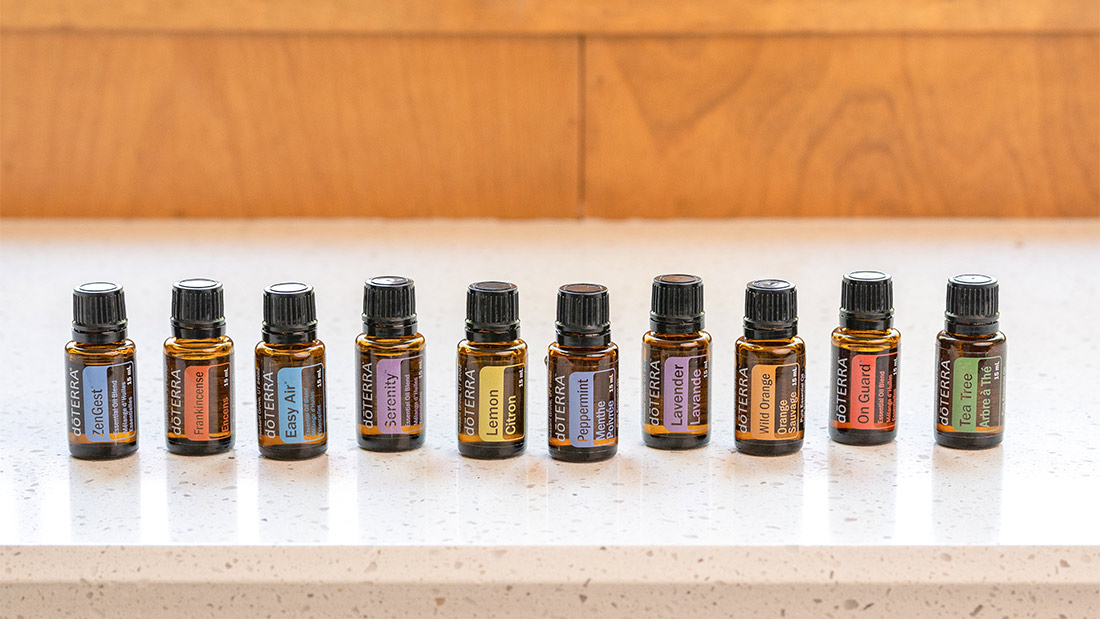
In conclusion, embracing the Top 10 essential oils opens a world of possibilities for enhancing our health and home. These versatile extracts are not only effective alternatives to conventional remedies but also play a significant role in aromatherapy and self-care routines. As we continue to uncover the endless potential of essential oils, integrating them into our lives promotes a blend of wellness, tranquility, and natural beauty.
Quick FAQs
What are essential oils?
Essential oils are concentrated extracts from plants that capture their natural fragrance and beneficial properties.
Can essential oils be ingested?
Some essential oils can be ingested, but it’s essential to consult a professional before doing so, as not all oils are safe for consumption.
How do I choose high-quality essential oils?
Look for oils that are 100% pure, organic, and come from reputable brands, preferably with third-party testing for quality assurance.
Can I use essential oils on my skin?
Yes, but always dilute them with a carrier oil to prevent skin irritation and perform a patch test first.
Are essential oils safe for pets?
Many essential oils are not safe for pets; always consult a veterinarian before using them around animals.