
 Penelope Hailey
Organic essential oils for aromatherapy are not just fragrant liquids; they are powerful agents that can enhance our mental and physical well-being. With the rise of holistic health practices, these oils have captured the attention of wellness enthusiasts and professionals alike. Each essential oil is derived from natural sources, offering unique therapeutic properties that can transform our daily routines and promote a healthier lifestyle.
Understanding the extraction methods of these oils, from steam distillation to cold pressing, is crucial for appreciating their quality and effectiveness. Organic cultivation practices further ensure that these oils retain their purity, making them ideal for therapeutic applications. This exploration dives into the fascinating world of organic essential oils, their benefits for mental well-being, safety considerations, and practical ways to incorporate them into daily life.
Organic essential oils and their extraction methods are crucial to understanding their therapeutic properties.
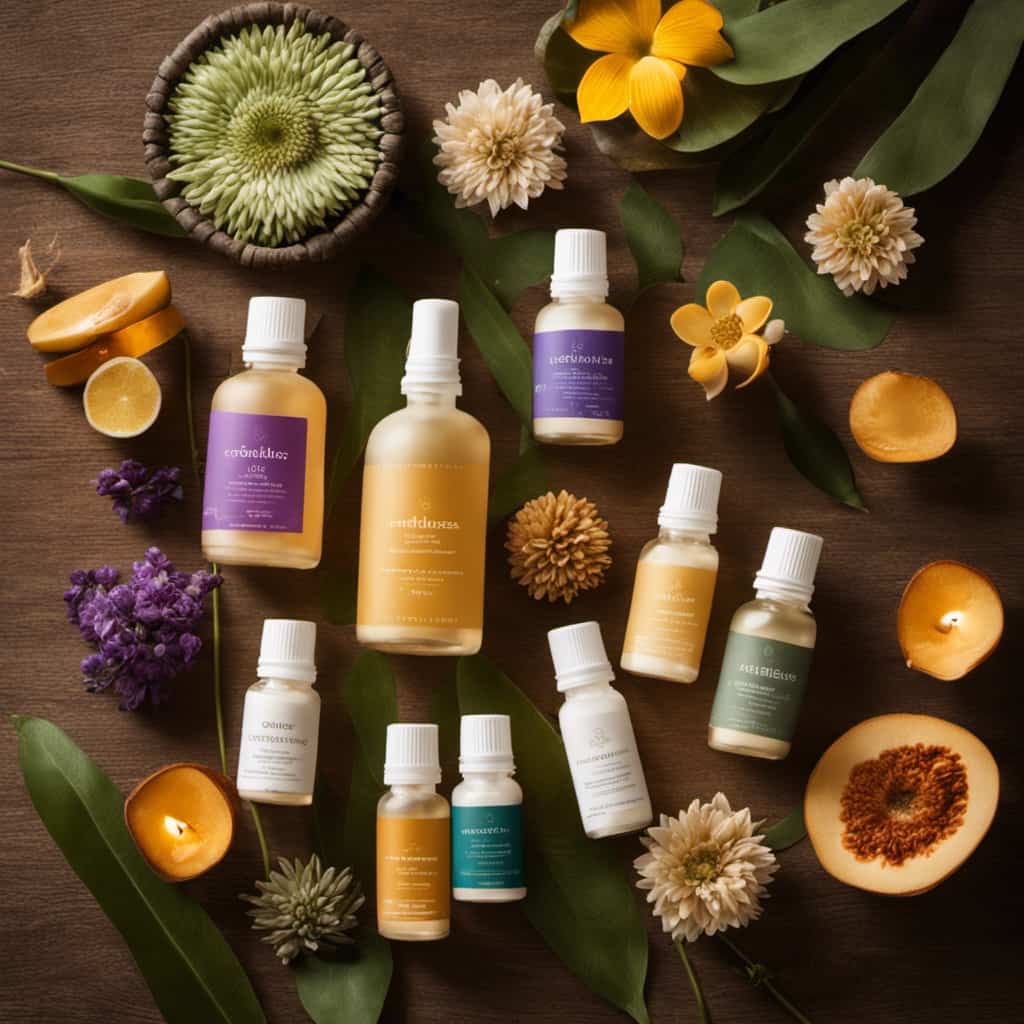
Organic essential oils are celebrated for their myriad therapeutic benefits, but to truly appreciate their value, one must understand the methods employed in their extraction. These methods not only preserve the integrity and potency of the oils but also determine their overall quality. The extraction process is a delicate art, requiring precision and an understanding of plant chemistry.
Extraction Methods and Their Impact on Oil Quality
The extraction of organic essential oils can be achieved through several methods, each influencing the final product’s quality and efficacy. The primary techniques include steam distillation, cold pressing, and solvent extraction.
1. Steam Distillation: This is the most common method for extracting essential oils. It involves passing steam through plant material, which vaporizes the volatile compounds. As the steam cools, the vapor condenses back into liquid, allowing the essential oil to separate from the water. This method is favored for its ability to preserve the integrity of the oil, leading to a high-quality product.
2. Cold Pressing: Primarily used for citrus oils, this technique entails mechanically pressing the rinds of fruits to release the essential oils. The process does not involve heat, which helps retain the oil’s natural fragrance and properties. Cold-pressed oils are often considered more aromatic and fresh compared to those extracted through heat methods.
3. Solvent Extraction: This method employs solvents like ethanol to extract the essential oils. The plant material is soaked in the solvent, dissolving the aromatic compounds. The solution is then evaporated, leaving behind a concentrated oil. While solvent extraction can yield a higher quantity of oil, it may contain residues from the solvent, potentially affecting purity.
The significance of using organic materials in these extraction processes cannot be overstated. Organic plants are grown without synthetic pesticides or fertilizers, ensuring that the oils extracted are free from harmful chemicals. This purity contributes to the essential oils’ effectiveness and safety for therapeutic use. Furthermore, organic oils are more likely to retain their natural aromatic profiles and therapeutic properties, enhancing their appeal in aromatherapy.
Comparing the efficiency and yield of these methods reveals notable differences:
– Steam Distillation: Generally provides a high yield and preserves the oil’s quality, making it the preferred choice for most essential oils.
– Cold Pressing: While effective for citrus oils, it yields less oil than steam distillation and is limited to specific plant types.
– Solvent Extraction: Produces a higher quantity of oil but may compromise purity, making it less desirable for therapeutic applications.
Different extraction methods significantly influence the yield, quality, and therapeutic properties of essential oils.
The role of organic essential oils in promoting mental well-being through aromatherapy should be examined.
Aromatherapy, the practice of using organic essential oils for therapeutic benefits, has gained widespread recognition for its positive impact on mental well-being. These oils, derived from plants, flowers, and herbs, offer more than just pleasant fragrances; they hold the potential to enhance mood, alleviate stress, and promote relaxation. Scientific studies and anecdotal evidence suggest that incorporating organic essential oils into daily routines can significantly contribute to mental health improvements.
Research indicates that certain essential oils can activate brain regions associated with emotion regulation. For instance, a study published in the Journal of Alternative and Complementary Medicine found that inhaling lavender essential oil led to a marked decrease in anxiety levels among participants. This highlights the profound connection between scent and emotional responses, a concept rooted in psychology known as olfactory conditioning.
Specific oils effective for relaxation and clarity
Exploring specific organic essential oils reveals those particularly effective for promoting relaxation and mental clarity. The following oils have been widely recognized for their beneficial properties:
- Lavender: Known for its calming effects, lavender essential oil is often used to ease tension and promote restful sleep. Its soothing fragrance can help lower heart rates and reduce anxiety, making it an excellent choice for evening rituals.
- Peppermint: This invigorating oil is effective in enhancing mental clarity. Inhaling peppermint oil can stimulate the mind, aiding focus and concentration, which is particularly beneficial during work or study sessions.
- Frankincense: Valued for its grounding properties, frankincense oil promotes a sense of peace and relaxation. It is often used in meditation practices to create a serene atmosphere that enhances emotional clarity.
- Bergamot: A favorite for its uplifting scent, bergamot essential oil is known to reduce feelings of stress and anxiety. Studies have shown that its aroma can improve mood and create a sense of well-being.
The scent profiles of these oils can significantly influence emotional responses. For example, studies have shown that citrus scents like bergamot can stimulate feelings of happiness and motivate positivity, while floral scents like lavender can evoke calmness and serenity. This phenomenon is linked to the limbic system, the brain’s emotional center, which is activated by specific scents, leading to various psychological and physiological responses.
The versatility of organic essential oils provides endless possibilities for creating personalized aromatherapy experiences tailored to individual needs. Whether through diffusing oils in the air, incorporating them into massage blends, or adding them to bathwater, the potential to enhance mental well-being is profound.
An analysis of common organic essential oils and their unique benefits is necessary for effective aromatherapy practice.
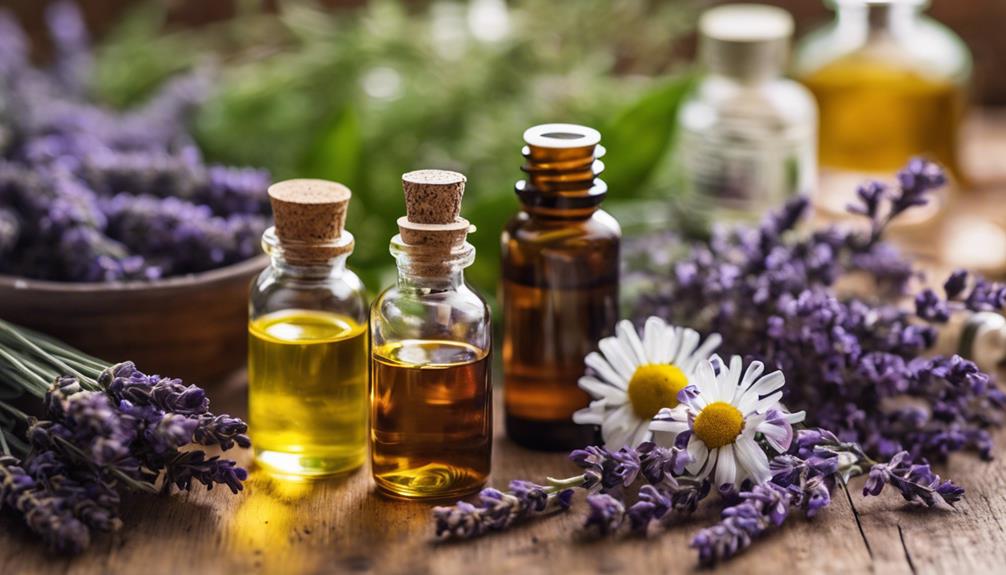
Aromatherapy has gained recognition for its potential to enhance emotional and physical well-being through the use of organic essential oils. These concentrated extracts from plants carry unique properties that can influence mood, promote relaxation, and alleviate various health issues. Understanding the distinct benefits of different oils is essential for optimizing their use in therapeutic practices.
The following discussion aims to delve into five popular organic essential oils, highlighting their unique characteristics and benefits. Each oil has its own spectrum of uses and conditions it can help alleviate, making them invaluable tools in aromatherapy.
Common Organic Essential Oils and Their Benefits
In this section, we will explore some of the most sought-after organic essential oils, detailing their benefits and applications.
Lavender Oil: Known for its calming properties, lavender oil is often used to alleviate stress, anxiety, and insomnia. Its floral, herbaceous scent has been shown to reduce cortisol levels, promoting relaxation and emotional balance. Lavender can also be beneficial for treating skin conditions such as acne, eczema, and psoriasis due to its anti-inflammatory properties. Furthermore, it has antiseptic qualities, making it a useful addition to first aid kits for minor cuts and burns.
Eucalyptus Oil: This essential oil is renowned for its ability to clear respiratory pathways. Eucalyptus oil can relieve symptoms of colds, coughs, and congestion by opening up the airways and promoting easier breathing. Additionally, it acts as a natural pain reliever, often used in massages to soothe sore muscles and joint pain. The refreshing scent of eucalyptus can also help increase mental clarity and concentration, making it a great choice for study or work environments.
Tea Tree Oil: With its strong antifungal, antibacterial, and antiviral properties, tea tree oil is a powerhouse in the realm of natural remedies. It is frequently used in skincare for its ability to treat acne and other blemishes, as it helps reduce inflammation and combat the bacteria that cause breakouts. Furthermore, tea tree oil can be utilized in household cleaning solutions due to its disinfectant qualities, providing a natural alternative to chemical cleaners.
Peppermint Oil: The invigorating aroma of peppermint oil is not just refreshing; it also aids in digestive health. Often used to relieve symptoms of indigestion and bloating, peppermint oil can soothe the gastrointestinal tract. Additionally, it has cooling properties that can alleviate headaches and migraines when applied topically or inhaled. The uplifting scent of peppermint can also improve focus and stimulate mental alertness, making it a popular choice in workspaces.
Frankincense Oil: This ancient oil has been valued for centuries for its profound effects on spirituality and meditation. Frankincense promotes emotional healing, helping reduce feelings of anxiety and depression. It also possesses anti-inflammatory properties, which can be beneficial for skin rejuvenation and reducing the appearance of scars and blemishes. Moreover, its grounding scent can enhance focus during meditation and prayer, fostering a deeper connection to one’s spiritual practices.
The table below summarizes the key benefits and primary uses of these essential oils for quick reference:
| Essential Oil | Primary Uses | Conditions Alleviated |
|---|---|---|
| Lavender | Relaxation, sleep aid, skin treatment | Stress, anxiety, insomnia, skin irritations |
| Eucalyptus | Respiratory relief, muscle pain relief | Colds, coughs, muscle soreness |
| Tea Tree | Skincare, cleaning | Acne, fungal infections, disinfecting |
| Peppermint | Digestive aid, headache relief | Indigestion, migraines, focus enhancement |
| Frankincense | Spiritual practices, anti-aging | Anxiety, skin aging, meditation |
Comparing the therapeutic properties of lavender, eucalyptus, and tea tree oil reveals distinct contributions to health and wellness. Lavender is primarily celebrated for its calming effects and skin benefits, while eucalyptus excels in respiratory health and muscle relief. On the other hand, tea tree oil stands out for its powerful antibacterial properties, making it a go-to for skin issues. Each oil brings a unique set of characteristics that can cater to different needs, proving the versatility of essential oils in aromatherapy.
Safety considerations and contraindications when using organic essential oils in aromatherapy must be addressed.
When delving into the world of organic essential oils for aromatherapy, safety should always be a top priority. These potent plant extracts offer numerous benefits, but improper use can lead to adverse reactions. Understanding the importance of dilution, potential side effects, and interactions with medications is crucial for anyone looking to incorporate these oils into their wellness routine.
The safe usage of essential oils starts with the principle of dilution. These oils are highly concentrated and can cause skin irritations or other reactions when applied undiluted. It is essential to dilute essential oils with a carrier oil, such as coconut, jojoba, or almond oil, before topical application. The standard recommendation for dilution is to mix 1-2 drops of essential oil with one teaspoon (5 ml) of carrier oil for adults. For sensitive skin or children, this ratio might need to be increased to ensure safety. Inhalation is another common application method, but even here, one should be cautious. Diffusing essential oils in a well-ventilated area and limiting exposure time—no more than 30 minutes at a stretch—can minimize potential risks. Additionally, when using oils in baths, it’s advisable to mix them with an emulsifier like milk or honey to ensure they disperse properly in water.
Potential side effects and interactions
While organic essential oils are generally safe when used correctly, they can cause side effects such as skin irritations, allergic reactions, and respiratory issues. It is vital to conduct a patch test by applying a small diluted amount to a discreet area of skin before widespread use. Furthermore, individuals with pre-existing health conditions or those who are pregnant or breastfeeding should consult a healthcare professional before using essential oils. Certain essential oils can interact with medications, potentially altering their effectiveness or increasing side effects. For example, oils like peppermint and eucalyptus may interfere with blood thinners, while citrus oils can increase photosensitivity, leading to skin damage when exposed to sunlight.
“Always dilute essential oils, perform patch tests, and consult a healthcare professional for safe and effective aromatherapy practices.”
Additionally, beginners in aromatherapy should be aware of the “dos and don’ts” of essential oil usage. Familiarizing oneself with the specific guidelines ensures a safe experience and maximizes the therapeutic benefits of these oils. Being informed is the first step towards safely enjoying the holistic advantages that organic essential oils can offer.
The impact of organic essential oils on physical health and wellness should be d.
Organic essential oils have emerged as a popular alternative or complementary approach in promoting physical health and wellness. Derived from natural plant sources, these oils carry therapeutic properties that can significantly aid in the treatment of various ailments. With the increasing awareness of natural healing methods, many are turning to organic essential oils to address both minor and major health concerns.
The efficacy of organic essential oils in treating specific conditions such as headaches, digestive issues, and respiratory problems has been well-documented. For instance, peppermint oil is renowned for its ability to alleviate headaches due to its cooling effect and ability to improve blood circulation. Similarly, rosemary oil can also offer relief, thanks to its anti-inflammatory properties. When addressing digestive issues, oils like ginger and fennel have proven beneficial; ginger oil can help reduce nausea, while fennel oil may alleviate bloating and discomfort. For respiratory problems, eucalyptus and tea tree oils serve as powerful allies, with eucalyptus oil facilitating easier breathing and tea tree oil providing antibacterial support to the respiratory system.
Comparison of Organic Essential Oils with Traditional Remedies and Pharmaceuticals
While organic essential oils provide a natural approach, it’s essential to weigh their effectiveness against traditional remedies and pharmaceutical options. Each method has its advantages and drawbacks, which can influence personal preferences and outcomes.
Organic Essential Oils:
– Pros: Natural, fewer side effects, aromatic experience, and holistic benefits.
– Cons: May take longer to show results, limited scientific research for some oils, and potential allergic reactions for sensitive individuals.
Traditional Remedies and Pharmaceuticals:
– Pros: Often faster-acting, well-researched, and regulated with clear dosing guidelines.
– Cons: Potential side effects, dependency issues, and the risk of interactions with other medications.
To provide clarity on the specific benefits of organic essential oils, the following chart categorizes notable oils based on their targeted health advantages:
| Essential Oil | Targeted Health Benefit |
|---|---|
| Peppermint Oil | Headache relief and improved digestion |
| Ginger Oil | Nausea and digestive issues |
| Fennel Oil | Bloating and gastrointestinal discomfort |
| Eucalyptus Oil | Respiratory health and congestion relief |
| Tea Tree Oil | Antibacterial for respiratory infections |
By understanding the specific uses and benefits of various organic essential oils, individuals can make informed decisions regarding their health and wellness strategies. These oils not only offer supportive care but also encourage a holistic lifestyle that aligns with the principles of natural healing.
Methods for incorporating organic essential oils into daily routines for enhanced living should be proposed.
Incorporating organic essential oils into everyday life can significantly enhance well-being and overall quality of living. These natural extracts offer various therapeutic properties that can positively influence mood, energy levels, and even mental clarity. By integrating essential oils into daily routines, individuals can create an environment that fosters relaxation, focus, and rejuvenation, making them an invaluable addition to personal care, home ambiance, and mindfulness practices.
One effective way to utilize organic essential oils is through practical application in daily activities. Here are some methods that can seamlessly fit into your routine:
Daily Usage Tips for Essential Oils
Creating a balanced daily routine with essential oils not only promotes wellness but also personalizes the atmosphere in which one lives. Here are several situations where essential oils can be beneficial:
- Morning Boost: Start your day by diffusing uplifting oils like citrus oils (like orange or lemon) in your bedroom or kitchen. This can energize your space and help wake your senses for a productive day ahead.
- Personal Care: Incorporate essential oils into your skincare regimen. A few drops of lavender oil can be added to a moisturizer for its soothing properties, or tea tree oil can be mixed into a carrier oil for spot treatment on blemishes.
- Focus at Work: Place a few drops of peppermint oil on a cotton ball and keep it nearby while working to promote concentration. Or, use a personal inhaler with a blend of rosemary and citrus oils to enhance cognitive function.
- Evening Relaxation: At night, consider using a diffuser with calming oils like chamomile or frankincense. This can create a serene environment conducive to winding down and preparing for sleep.
- Meditative Practices: During meditation, apply a drop of ylang-ylang or sandalwood oil to your wrists. The inviting scent can deepen your experience and promote tranquility.
To help structure the incorporation of essential oils, consider a simple daily routine like this:
1. Morning: Diffuse lemon oil (energizing) while preparing breakfast.
2. Afternoon: Use peppermint oil (stimulating) in a personal inhaler during work breaks.
3. Evening: Add lavender oil (relaxing) to your evening bath.
4. Night: Diffuse chamomile oil (soothing) in your bedroom before sleep.
Creative Blending Ideas for Unique Aromatherapy Experiences
Blending essential oils allows for a personalized aromatherapy experience tailored to individual preferences. Here are some creative combinations:
- Uplifting Blend: Mix grapefruit, bergamot, and lavender for a cheerful atmosphere.
- Grounding Mix: Combine cedarwood, sandalwood, and vetiver for a calming effect, perfect for meditation or evening relaxation.
- Focus Blend: Blend rosemary, lemon, and peppermint to enhance concentration during work or study sessions.
- Sleepy Time Blend: Mix lavender, chamomile, and sweet marjoram to prepare for a restful night.
By thoughtfully incorporating these methods into your daily life, you can unlock the full potential of organic essential oils, enhancing your living experience and nurturing your well-being.
Conclusion
In summary, organic essential oils for aromatherapy provide a wealth of benefits for both mental and physical health. By understanding their extraction methods, unique properties, and safe usage, anyone can harness the power of these natural wonders. Whether you are looking to elevate your mood, alleviate stress, or improve your overall wellness, incorporating these oils into your life can be both enriching and transformative. Explore the possibilities and embrace the aromatic journey of organic essential oils.
General Inquiries
What are organic essential oils?
Organic essential oils are concentrated plant extracts obtained through various extraction methods, made from organically grown plants without synthetic pesticides or chemicals.
How do I know if an essential oil is organic?
Look for certification labels on the packaging, such as USDA Organic or other recognized organic certifications that guarantee the oil’s purity and sourcing.
Can essential oils be ingested?
While some essential oils are safe for internal use, it’s crucial to consult a healthcare professional before ingestion as many can be toxic.
How should I store essential oils?
Essential oils should be stored in a cool, dark place in tightly sealed bottles to maintain their potency and extend shelf life.
Are there any allergies or sensitivities to essential oils?
Yes, some individuals may have allergic reactions or sensitivities to certain essential oils, so it’s advisable to perform a patch test before use.
Can I use essential oils during pregnancy?
Many essential oils are contraindicated during pregnancy; always consult a healthcare provider before use.
What is the best way to use essential oils for aromatherapy?
The most common methods include diffusion, topical application with dilution, and inhalation. Choose the method that best suits your needs and preferences.