
 Penelope Hailey
Natural remedies for dry skin present an inviting opportunity for those struggling with skin that feels tight, flaky, or irritated. In a world filled with synthetic products and harsh chemicals, many are turning back to nature for solutions that soothe and hydrate. This exploration not only uncovers the physiological and environmental factors contributing to dry skin but also delves into effective natural oils, herbal remedies, diet, and DIY treatments that can restore moisture and health.
From understanding the essential nutrients your skin craves to crafting personalized skincare routines, this discussion aims to empower you with knowledge and practical tips. Whether you’re looking to incorporate nourishing oils or discover the benefits of regular exfoliation, the journey to revitalizing your skin begins with informed choices and a touch of nature’s goodness.
Understanding the Causes of Dry Skin
Dry skin, or xerosis, is a common condition that affects many individuals regardless of age or gender. The sensation of tightness, flakiness, and in some cases, irritation or itching can make daily life uncomfortable. Understanding the various factors that contribute to dry skin is essential in addressing and treating this condition effectively.
The physiological factors influencing dry skin primarily revolve around the skin’s barrier function and its ability to retain moisture. The outermost layer of the skin, known as the stratum corneum, is responsible for protecting against environmental pollutants while also preventing water loss. When this barrier is compromised—due to factors such as reduced lipid production or cellular turnover—it can lead to inadequate hydration levels. Conditions like eczema or psoriasis can further exacerbate this issue, as they disrupt the normal skin barrier and contribute to transepidermal water loss.
Environmental Factors Affecting Skin Hydration
Various environmental elements play a significant role in exacerbating dry skin conditions. Understanding these factors can help individuals take proactive measures to protect their skin.
– Climate: Cold, dry air, especially during winter months, can strip moisture from the skin. Conversely, hot, humid weather can also lead to dehydration if adequate hydration is not maintained.
– Indoor Heating and Air Conditioning: Central heating and air conditioning systems lower the humidity levels in indoor spaces, leading to increased moisture loss from the skin.
– Sun Exposure: Ultraviolet (UV) rays can damage the skin’s natural barrier and lead to accelerated water loss, resulting in dry and aged skin.
– Pollution and Chemicals: Exposure to harsh environmental pollutants and chemicals in products can irritate the skin and diminish its natural moisture-retaining abilities.
Lifestyle Choices Contributing to Dry Skin
Lifestyle choices significantly impact skin health, and certain habits can lead to increased dryness. Adopting a holistic approach can help mitigate these effects.
– Diet: A lack of essential fatty acids and nutrients, such as omega-3s, vitamins A and E, can hinder the skin’s ability to retain moisture. Incorporating foods rich in these nutrients can help maintain skin hydration.
– Hydration Levels: Insufficient water intake directly contributes to skin dryness. Staying well-hydrated is crucial for maintaining skin elasticity and moisture.
– Bathing Habits: Long, hot showers can strip the skin of its natural oils, leading to dryness. It’s advisable to limit shower time and use lukewarm water.
– Use of Harsh Soaps and Products: Many commercial soaps and skincare products contain sulfates and alcohol that can deplete skin moisture. Opting for gentle, hydrating cleansers can help preserve the skin’s natural moisture barrier.
“Maintaining skin hydration is a reflection of overall health; lifestyle choices significantly influence the skin’s ability to retain moisture.”
Addressing these physiological, environmental, and lifestyle factors can lead to improved skin health and a reduction in dryness, making it easier to implement natural remedies for relief and long-term care.
Exploring Effective Natural Oils for Hydration
Natural oils have long been celebrated for their hydrating properties, making them an essential part of any skincare routine for those battling dry skin. These oils not only provide moisture but also enhance the skin’s barrier functions, ensuring prolonged hydration and improved texture. By understanding the various natural oils available, their unique absorption rates, and effective application methods, individuals can customize their skincare regime to achieve optimal hydration.
The following oils stand out for their effectiveness in moisturizing dry skin, providing nourishment and replenishing essential fatty acids. Each oil has its unique profile, making them suitable for various skin types and conditions. Here’s a closer look at some of the most beneficial natural oils for hydration:
Popular Natural Oils for Moisturizing
The key to selecting the right natural oil lies in understanding their properties and how they absorb into the skin. Below is a comparison of several popular natural oils:
- Argan Oil: Known for its lightweight texture and rapid absorption, argan oil is rich in vitamin E and essential fatty acids, making it a favorite for restoring moisture without leaving a greasy residue.
- Coconut Oil: This oil is highly emollient and creates a protective barrier on the skin. However, its absorption rate may vary, as it can sometimes leave a slightly oily finish.
- Jojoba Oil: Similar in composition to the skin’s natural sebum, jojoba oil absorbs quickly and is non-comedogenic, making it ideal for all skin types, including oily skin.
- Olive Oil: A heavier oil that offers deep moisture, olive oil is particularly beneficial for extremely dry skin, but may take longer to absorb completely.
“The key to selecting the right natural oil lies in understanding their properties and absorption rates.”
Incorporating these oils into a daily skincare routine can greatly enhance hydration levels. Here are some effective methods to consider:
Incorporating Natural Oils into Skincare Routines
Integrating natural oils into your skincare regimen can be simple and rewarding. Below are several methods for effective usage:
- Direct Application: Apply a few drops of the chosen oil directly onto damp skin after cleansing to lock in moisture.
- Mix with Moisturizers: Combine a few drops of oil with your regular moisturizer to boost hydration and improve skin texture.
- In DIY Treatments: Use natural oils as key ingredients in homemade face masks or scrubs for added hydration and nourishment.
- Facial Massage: Incorporate oils into facial massage routines to enhance absorption and promote circulation.
With the variety of natural oils available, finding the right one for your skin type can make a significant difference in mitigating dryness and enhancing overall skin health.
The Role of Herbal Remedies in Alleviating Dry Skin
Herbal remedies have been used for centuries to address various skin ailments, including dry skin. These natural solutions often contain powerful compounds that can help soothe, heal, and hydrate the skin, making them a great alternative to synthetic products. By understanding the properties of specific herbs, one can effectively incorporate them into a skincare routine for enhanced hydration and nourishment.
Many herbs are renowned for their skin-soothing and moisturizing properties. Utilizing these herbs in topical applications can provide relief from dryness, irritation, and discomfort. Below are some notable herbs known for their remarkable benefits regarding dry skin:
Herbs Known for Soothe and Hydrate Dry Skin
To effectively manage dry skin, one can turn to herbs such as:
- Aloe Vera: Widely recognized for its hydrating properties, aloe vera contains enzymes, vitamins A, C, and E, and other compounds that promote skin healing and moisture retention.
- Chamomile: This calming herb has anti-inflammatory properties that can soothe irritated skin. It is particularly beneficial for sensitive skin types and can help reduce redness and inflammation.
- Calendula: Known for its healing properties, calendula can help restore moisture to dry skin while also providing anti-inflammatory benefits. Its soothing effect makes it an excellent choice for healing chapped skin.
- Lavender: With its antiseptic and anti-inflammatory properties, lavender not only helps to hydrate but also calms the skin, making it perfect for those with dryness due to irritation.
Preparing herbal infusions or poultices for topical application is straightforward and can enhance the benefits of these herbs. Here is a simple guide to creating a soothing herbal infusion:
1. Select Your Herbs: Choose dried or fresh herbs based on your skin’s needs. For instance, aloe vera can be used in gel form, while chamomile and calendula are often dried for teas.
2. Prepare the Infusion: For dried herbs, place about 1-2 tablespoons in a cup and pour boiling water over them. Let it steep for 10-15 minutes, then strain the mixture.
3. Apply Topically: Once cool, the infusion can be applied directly to the skin using a cotton ball or cloth. For a poultice, make a paste with the infused herbs mixed with a carrier like honey or oatmeal, and apply it to affected areas for 20-30 minutes.
The medicinal properties of these herbs contribute significantly to skin health. Aloe vera’s high water content makes it an exceptional moisturizer, while chamomile’s soothing effects can alleviate redness and irritation. Calendula is rich in antioxidants that promote skin repair, and lavender’s antimicrobial properties can protect against infections. Regular use of these herbal remedies can lead to healthier, more hydrated skin.
Incorporating herbal remedies into your skincare routine can significantly improve hydration and soothe dry skin, offering a gentle and effective approach to natural wellness.
The Importance of Diet in Maintaining Skin Moisture
Maintaining healthy skin goes beyond topical treatments; what you eat plays a significant role in keeping your skin hydrated and glowing. A balanced diet rich in specific nutrients can enhance skin moisture, improve elasticity, and contribute to an overall radiant complexion. Understanding the connection between diet and skin health can empower you to make wiser food choices that benefit your skin.
Certain foods possess properties that can enhance skin hydration significantly. Foods rich in healthy fats, antioxidants, and vitamins contribute not only to internal health but also to the moisture levels of your skin. For example, foods containing omega-3 fatty acids help maintain the skin’s lipid barrier, reducing water loss and enhancing hydration. Berries and leafy greens, packed with antioxidants, further promote skin health by combating oxidative stress.
Essential Nutrients for Skin Moisture and Elasticity
A well-rounded diet filled with essential nutrients can profoundly influence the moisture content of your skin. Below are key nutrients that play a crucial role in supporting skin hydration and elasticity:
- Omega-3 Fatty Acids: Found in fish such as salmon and seeds like flaxseed, these fats help maintain the skin’s barrier function, locking in moisture.
- Vitamin E: A powerful antioxidant present in nuts and seeds that protects skin cells from damage while promoting hydration.
- Vitamin C: Found in citrus fruits, this vitamin aids collagen production, essential for skin elasticity and hydration.
- Hydration: Drinking sufficient water is vital; adequate hydration directly influences skin’s moisture levels and overall appearance.
- Collagen: Consuming bone broth or collagen supplements may contribute to improved skin elasticity and hydration.
Ensuring you incorporate these nutrients into your diet can help maintain skin moisture, elasticity, and health. Remember, the balance of hydration and nutrient intake is fundamental to achieving a vibrant, well-hydrated complexion.
“A diet high in nutrients not only improves overall health but also significantly enhances skin hydration and appearance.”
DIY Natural Masks for Treating Dry Skin
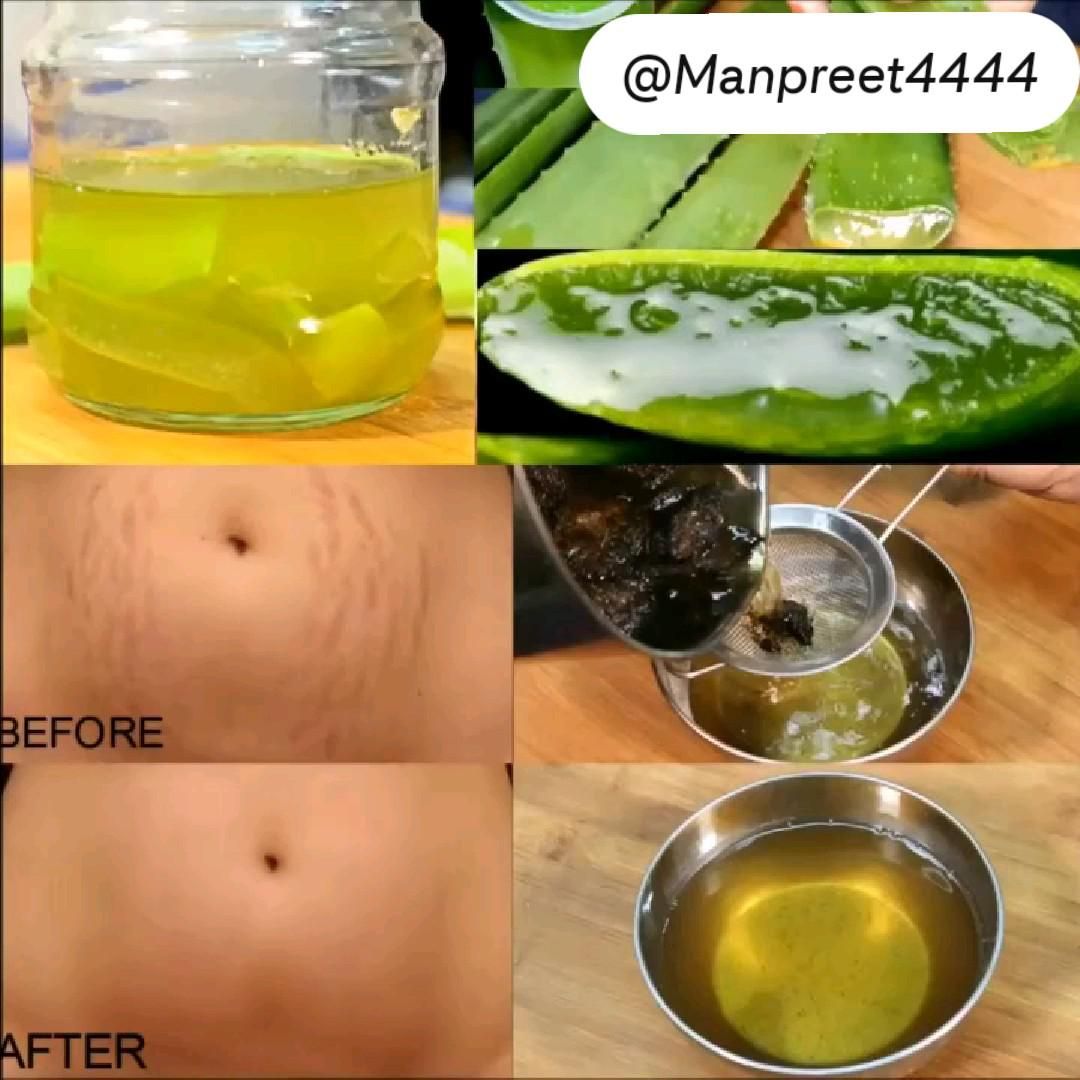
For those struggling with dry skin, incorporating natural masks into your skincare routine can significantly enhance moisture retention and overall skin health. These DIY masks utilize easily accessible ingredients that can nourish, hydrate, and rejuvenate tired skin, making them an excellent alternative to store-bought products laden with chemicals.
Homemade masks not only allow for customization based on your unique skin type and needs but also provide a fun and creative outlet for self-care. Below are several recipes for effective natural masks, complete with preparation steps and tips for modifications.
Avocado and Honey Hydrating Mask
This rich, creamy mask combines the moisturizing properties of avocado with the soothing effects of honey, making it ideal for dry skin.
- Ingredients: 1 ripe avocado, 2 tablespoons honey.
- Preparation: Mash the avocado in a bowl until smooth. Mix in the honey until well combined.
- Application: Apply the mask evenly across your face, avoiding the eye area. Leave on for about 15-20 minutes, then rinse off with lukewarm water.
- Modification Tip: For sensitive skin, consider using only 1 tablespoon of honey to avoid irritation.
Oatmeal and Yogurt Soothing Mask
This mask leverages the calming effects of oatmeal and the moisturizing properties of yogurt, perfect for those with inflamed or itchy dry skin.
- Ingredients: 1/2 cup cooked oatmeal, 1/4 cup plain yogurt.
- Preparation: Combine the cooked oatmeal and yogurt in a mixing bowl until you achieve a smooth consistency.
- Application: Spread the mixture over your face and neck, leaving it for about 20-30 minutes before rinsing off with warm water.
- Modification Tip: If you have oily skin, you can add a few drops of lemon juice to help balance oil production.
Coconut Oil and Banana Moisturizing Mask
Rich in vitamins and healthy fats, this mask helps to deeply hydrate and nourish the skin, making it suitable for very dry skin types.
- Ingredients: 1 ripe banana, 2 tablespoons coconut oil.
- Preparation: Mash the banana in a bowl and mix in the coconut oil until the mixture is smooth.
- Application: Gently apply the mask to your face and let it sit for 15-20 minutes before rinsing with warm water.
- Modification Tip: For combination skin, add a teaspoon of honey for added moisture while preventing excess oiliness.
Honey and Aloe Vera Healing Mask
Combining honey with aloe vera offers a soothing effect that is particularly beneficial for skin that may be irritated or sun-damaged.
- Ingredients: 2 tablespoons honey, 2 tablespoons fresh aloe vera gel.
- Preparation: Mix the honey and aloe vera gel in a small bowl until well incorporated.
- Application: Apply generously to the face, allowing it to sit for about 20 minutes before rinsing off with cool water.
- Modification Tip: For extra hydration, incorporate a few drops of essential oils like lavender or chamomile, which are gentle on the skin.
Yogurt and Cucumber Refreshing Mask
This refreshing mask combines the cooling effect of cucumber with the moisturizing properties of yogurt, making it perfect for revitalizing dull, dry skin.
- Ingredients: 1/2 cup yogurt, 1/2 cucumber (grated).
- Preparation: Mix the grated cucumber with yogurt until you get a uniform consistency.
- Application: Apply the mask to your face and leave it on for about 15-20 minutes before rinsing with cool water.
- Modification Tip: Incorporate a few drops of olive oil for an added moisture boost if your skin is extremely dry.
These DIY natural masks are simple to make and require minimal ingredients, making them perfect for anyone looking to enhance their skincare routine. Remember to perform a patch test with any new ingredient to ensure compatibility with your skin type. Enjoy the process of creating these masks and pamper your skin naturally!
The Benefits of Regular Exfoliation for Dry Skin
Exfoliation is a crucial step in any skincare routine, especially for those dealing with dry skin. By removing dead skin cells, exfoliation enhances the skin’s texture while promoting moisture absorption, allowing hydrating products to penetrate deeper and work more effectively. Regular exfoliation can transform dull, flaky skin into a smoother, more radiant complexion.
One of the most significant benefits of exfoliation for dry skin is its ability to improve moisture absorption. When dead skin cells accumulate on the surface, they create a barrier that hinders moisturizers and treatments from reaching the deeper layers of the skin. By gently sloughing away these dead cells, the skin can better absorb the nourishing ingredients in moisturizers, leading to improved hydration and overall skin health.
Natural Exfoliation Methods for Dry Skin
Using natural exfoliation methods can be an effective and gentle approach to treating dry skin. Here are some easy and natural ways to exfoliate without causing irritation:
- Oatmeal Scrub: Ground oatmeal is an excellent natural exfoliant. Mix it with honey and water to create a paste. Gently massage this mixture onto your skin in circular motions and rinse with lukewarm water. Oatmeal soothes and hydrates while exfoliating.
- Sugar Scrub: Combine brown sugar with olive oil or coconut oil to make a nourishing scrub. The oil hydrates, while the sugar granules effectively remove dead skin cells. Use this scrub once a week for soft skin.
- Yogurt and Honey Mask: The lactic acid in yogurt acts as a mild exfoliant. Mix with honey for added moisture and apply it as a face mask. Leave it on for 10-15 minutes before gently rinsing.
- Coffee Grounds Scrub: Used coffee grounds can work wonders. Mix them with a carrier oil like almond or jojoba oil and gently scrub your skin. Coffee is rich in antioxidants and can increase blood circulation.
When incorporating exfoliation into your routine, it’s essential to consider the frequency and timing to avoid irritation. For dry skin, exfoliating once a week is generally sufficient. Over-exfoliating can strip the skin of its natural oils, leading to increased dryness and sensitivity.
Timing is also crucial; consider exfoliating in the evening to allow your skin to recover overnight. Be mindful of how your skin responds and adjust the frequency if you notice any redness or irritation. Always follow up with a good moisturizer to replenish hydration and protect the skin barrier.
Regular exfoliation can transform your skincare routine, making your moisturizers more effective and your skin healthier.
Analyzing the Impact of Weather on Skin Dryness
Weather plays a crucial role in our skin’s health, particularly when it comes to hydration levels. Various conditions, from the biting cold of winter to the sweltering heat of summer, can significantly affect how our skin retains moisture. Understanding these impacts helps us take proactive steps to maintain healthy, hydrated skin throughout the year.
Different weather conditions can either exacerbate or alleviate skin dryness. Cold, dry air, common in winter months, can strip away moisture, leaving skin flaky and irritated. Conversely, hot and humid weather might not be as harsh, but excessive sun exposure can lead to dehydration and further exacerbate existing dryness. In addition, indoor heating during winter and air conditioning during summer can contribute to a lack of moisture in the air, ultimately affecting our skin.
Strategies for Protecting Skin During Extreme Weather Conditions
Adapting your skincare routine to counteract the effects of extreme weather is essential for maintaining healthy skin. Here are some effective strategies:
- Hydration is Key: Drink plenty of water, especially in hot weather, to keep skin hydrated from within. Aim for at least 8 glasses a day.
- Moisturizing Products: Use thicker creams or ointments during colder months for better moisture retention. Look for products containing ceramides and hyaluronic acid.
- Protective Clothing: Wear clothing that protects your skin from harsh weather. In winter, use scarves and gloves; in summer, opt for hats and long sleeves.
- Humidifiers: Use a humidifier indoors during winter months to add moisture to the air, which can help combat skin dryness.
- SPF Protection: Apply sunscreen daily, even in cloudy or cold weather, to shield your skin from harmful UV rays.
Adjusting Skincare Routines with Changing Seasons
As seasons change, so should your skincare routine. Tailoring your products and practices to the current weather can greatly enhance skin health. Consider the following tips for seasonal adjustments:
- Spring: Transition to lighter moisturizers as humidity increases. Incorporate antioxidants in your routine to combat allergens.
- Summer: Use gel-based moisturizers that are lightweight. Don’t forget to reapply sunscreen every two hours.
- Autumn: Begin introducing richer creams, as the air starts to dry out. Look for ingredients like glycerin and shea butter.
- Winter: Switch to a thicker, oil-based moisturizer to lock in moisture. Gentle, hydrating cleansers are also recommended to avoid stripping the skin.
“Skin hydration levels are not static; they fluctuate with the seasons and weather conditions. Adjusting your routine is essential for optimal skin health.”
Creating a Personalized Skincare Routine for Dry Skin
Developing a personalized skincare routine is essential for individuals with dry skin, as it addresses specific needs while promoting hydration and overall skin health. A tailored approach not only helps alleviate symptoms but also forms a fundamental part of long-term skincare practices. By incorporating natural remedies and maintaining consistency, individuals can significantly improve their skin condition over time.
Creating a skincare routine involves several steps that cater to the unique challenges posed by dry skin. It’s crucial to establish a regimen that includes cleansing, moisturizing, and protecting the skin. Additionally, the use of products with natural ingredients can enhance the effectiveness of the routine, ensuring that the skin receives the nourishment it requires.
Step-by-Step Skincare Routine
The following steps Artikel a comprehensive skincare routine designed for dry skin. Each step is vital in maintaining moisture and promoting a healthy skin barrier:
- Cleansing: Begin with a gentle, hydrating cleanser that removes impurities without stripping the skin of its natural oils. Look for cleansers containing ingredients like glycerin and aloe vera, which help retain moisture.
- Exfoliating: Incorporate a mild exfoliant once or twice a week to slough off dead skin cells. Opt for natural exfoliants, such as oatmeal or sugar, which offer gentle exfoliation without causing irritation.
- Toning: After cleansing, apply an alcohol-free toner that contains hydrating ingredients like rose water or chamomile. This step helps restore the skin’s pH balance and adds an extra layer of hydration.
- Serum: Utilize a hydrating serum infused with natural oils such as jojoba, argan, or rosehip. These oils provide deep moisture and support skin repair, ideal for dry skin conditions.
- Moisturizing: Choose a rich, creamy moisturizer with ingredients like shea butter, coconut oil, or hyaluronic acid. This step is crucial for sealing in moisture and providing lasting hydration.
- Sun Protection: Apply a broad-spectrum sunscreen with at least SPF 30 daily, even on cloudy days. Look for mineral-based sunscreens that contain zinc oxide or titanium dioxide, as they are less likely to irritate dry skin.
Consistency in skincare practices is vital for achieving desired results. Daily adherence to this routine allows the skin to adapt and benefit from the nourishing ingredients over time. Establishing a morning and evening ritual encourages a habit that enhances the natural barrier function of the skin.
Importance of Natural Ingredients
When selecting products for a dry skin routine, focusing on natural ingredients is beneficial for both skin health and overall well-being. Natural components often contain fewer harsh chemicals, making them more suitable for sensitive skin.
The following natural ingredients are particularly effective for dry skin:
- Aloe Vera: Known for its soothing and hydrating properties, aloe vera gel can be used as a moisturizer or added to serums.
- Honey: This natural humectant attracts moisture and provides antibacterial benefits, making it excellent for dry, irritated skin.
- Shea Butter: Rich in vitamins A and E, shea butter deeply nourishes and softens dry skin, promoting elasticity.
- Oatmeal: Colloidal oatmeal is known for its skin-soothing properties and can help relieve dryness and itching.
- Jojoba Oil: Its composition closely resembles the skin’s natural oils, making it an excellent choice for hydration without clogging pores.
“The key to a successful skincare routine for dry skin lies in understanding your skin’s needs and choosing products enriched with natural, nourishing ingredients.”
Evaluating the Effectiveness of Natural Remedies
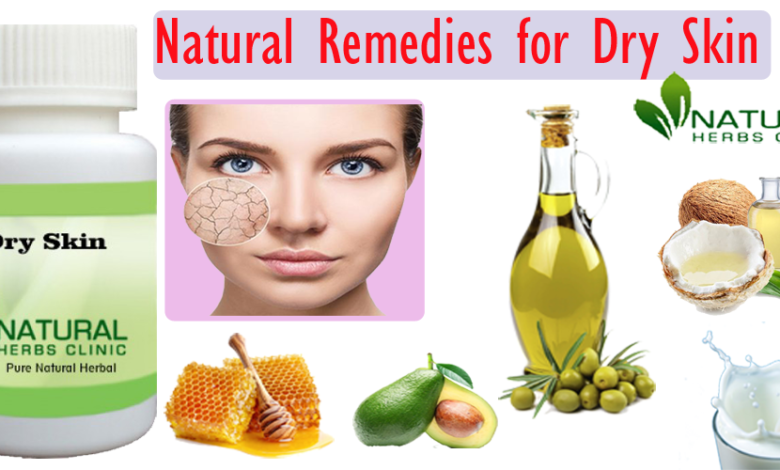
Natural remedies for dry skin have gained popularity as people seek more holistic and gentle approaches to skincare. Many individuals have turned to natural treatments, hoping to find relief without the harsh chemicals often found in commercial products. This section will evaluate the effectiveness of these remedies through personal experiences, testimonials, and user reviews, while also addressing any potential challenges or side effects.
The efficacy of various natural treatments for dry skin can vary widely from person to person. Anecdotal evidence often plays a significant role in assessing these remedies, as individual experiences can highlight the successes or failures of certain approaches. For instance, many users have reported positive results using coconut oil, shea butter, or aloe vera—common ingredients in DIY skincare routines. These substances are praised for their hydrating properties and ability to soothe irritated skin. Below are some common natural treatments and their reported effectiveness based on user reviews:
Common Natural Treatments and User Experiences
User testimonials reveal a diverse array of experiences with natural remedies. Here are some popular treatments along with their perceived efficacies:
- Coconut Oil: Many users have found coconut oil to be an effective moisturizer, providing lasting hydration and improving skin texture. Users report that applying it daily has led to significant improvements in dryness and flakiness.
- Aloe Vera: Frequently used for its soothing properties, aloe vera is often mentioned in testimonials as a go-to for calming irritated skin. Several users noted a reduction in redness and itchiness after regular application.
- Shea Butter: This natural butter is celebrated for its rich emollient properties. Users describe it as a powerful remedy that not only moisturizes but also helps to heal cracked skin. Many recommend it for those with severe dryness.
- Honey: Known for its antibacterial properties, users have found honey to be effective in retaining moisture. Regular use as a mask or mixed with other ingredients has yielded positive feedback, especially for preventing further dryness.
Despite the favorable reviews, some challenges and side effects may arise from using natural remedies. Not everyone finds relief with the same ingredients, and some individuals might experience adverse reactions. Here are some potential issues reported by users:
- Allergic Reactions: Certain natural ingredients can cause allergic responses. For example, while honey is generally safe, a small percentage of users may experience irritation or rashes.
- Greasy Residue: Products like coconut oil and shea butter can leave a greasy feel on the skin. Some users find this uncomfortable and prefer lighter alternatives.
- Inconsistency in Results: While many users swear by a specific remedy, others might find no noticeable improvement. This inconsistency can lead to frustration for those seeking reliable solutions.
“Natural remedies can provide excellent relief for dry skin, but individual experiences vary widely. It’s essential to test and find what works best for you.”
Overall, while many natural remedies offer promising results for dry skin, individual experiences underscore the importance of personalized skincare. Users should approach these treatments with realistic expectations, aware of both the benefits and potential side effects.
Closing Notes
In summary, embracing natural remedies for dry skin not only enhances the overall health of your skin but also fosters a deeper connection with the elements that nourish it. By integrating these insights into your daily routine, you’re setting the stage for lasting hydration and vitality. Remember, the path to beautiful skin is often found in simple, natural solutions that align with your body’s needs, so take these tips to heart and enjoy the transformation.
User Queries
What are common causes of dry skin?
Common causes include environmental factors like low humidity, excessive sun exposure, harsh soaps, and certain medical conditions.
How often should I apply natural oils to my skin?
Applying natural oils daily or several times a week can help maintain hydration, especially after bathing.
Can drinking water improve my skin condition?
Yes, staying hydrated by drinking adequate water is essential for maintaining skin moisture levels.
Are there any side effects to using natural remedies?
While generally safe, some individuals may experience allergic reactions or irritation; it’s best to patch-test new ingredients first.
How long does it take to see results from natural remedies?
Results can vary, but many people start to notice improvements in skin texture and hydration within a few weeks of consistent use.