
 Penelope Hailey
Moisturizing body oil is more than just a luxurious addition to your skincare routine; it’s a powerhouse for enhancing skin health. These nourishing oils penetrate deep into the skin, providing hydration, improving elasticity, and delivering essential nutrients. Whether you have dry, oily, or sensitive skin, there’s a body oil formulation tailored to meet your specific needs. Ingredients like jojoba, argan, and coconut oil are renowned for their ability to soothe and protect the skin while promoting a healthy glow.
From everyday hydration to DIY creations, the versatility of moisturizing body oil makes it a beloved staple among skincare enthusiasts. Understanding how to select the right oil for your skin type and incorporate it into your daily regimen can elevate your skincare game. With ongoing discussions around sustainability, it’s also vital to consider the environmental impact of the products we choose. This exploration will unveil the myriad benefits of moisturizing body oils and how they can enrich your skincare routine.
The benefits of using moisturizing body oil for skin health
Moisturizing body oils are more than just luxurious indulgences; they are essential for achieving and maintaining healthy skin. These oils provide a myriad of benefits that can transform your skin care routine and enhance overall skin health. Packed with nourishing ingredients, moisturizing body oils help to hydrate, protect, and rejuvenate the skin, making them a staple for anyone looking to achieve that coveted glow.
One of the primary benefits of moisturizing body oils is their ability to lock in moisture. Unlike lotions, which primarily contain water, body oils form a barrier on the skin that prevents water loss. This is particularly beneficial for individuals with dry or sensitive skin. Oils can penetrate deeply into the skin, providing nourishment and promoting elasticity. They also soothe irritation and can alleviate conditions like eczema and psoriasis, making them a go-to option for those with compromised skin barriers.
Types of Skin That Benefit from Moisturizing Body Oils
Different skin types can reap the rewards of using moisturizing body oils, each benefiting from specific properties depending on their needs.
- Dry Skin: Individuals with dry skin find that body oils provide an intense level of hydration that can help alleviate flakiness and tightness.
- Sensitive Skin: Natural oils such as jojoba or almond oil are often gentle enough to soothe sensitive skin without causing irritation, promoting overall calmness.
- Aging Skin: Anti-aging properties found in oils like argan or rosehip oil can help improve skin texture and reduce the appearance of fine lines.
- Oily Skin: Surprisingly, even oily skin can benefit from lightweight oils such as grapeseed oil, which can help balance sebum production without clogging pores.
Incorporating body oils into your routine not only hydrates but also nourishes the skin with essential vitamins and fatty acids. Some key ingredients that are often found in moisturizing body oils and their skin health benefits include:
- Jojoba Oil: Mimics the skin’s natural sebum, making it excellent for all skin types, particularly oily and acne-prone skin.
- Argan Oil: Rich in Vitamin E and fatty acids, it hydrates and improves skin elasticity, making it ideal for aging skin.
- Sweet Almond Oil: Loaded with vitamins A and E, this oil is perfect for soothing dry and sensitive skin.
- Rosehip Oil: Known for its regenerative properties, it helps with scars and pigmentation issues, making it beneficial for all skin types.
“Using moisturizing body oils can significantly enhance skin health by providing hydration, nourishment, and protection.”
How to choose the right moisturizing body oil for your skin type
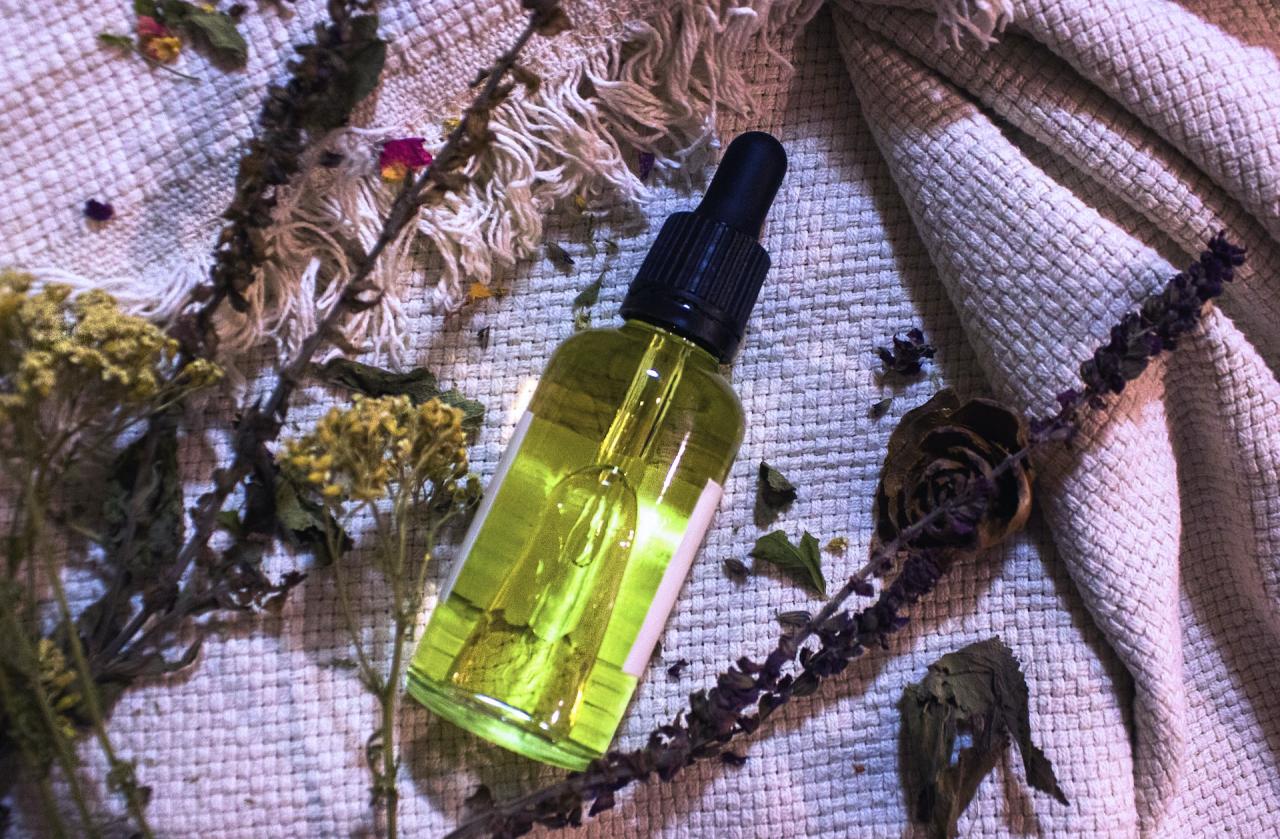
Selecting the perfect moisturizing body oil can significantly enhance your skincare routine, but it requires a bit of knowledge about your skin’s unique needs. Different skin types react differently to various oils, making it essential to choose one that complements your specific characteristics. Here’s a detailed guide to help you navigate the selection process.
Identifying Your Skin Type and Ingredients to Consider
Understanding your skin type is crucial in selecting a body oil that truly benefits your skin. Here’s a breakdown of common skin types along with recommended ingredients:
- Oily Skin: Look for lightweight oils that won’t clog pores. Ingredients like grapeseed oil and jojoba oil are excellent choices as they help regulate sebum production without leaving a greasy residue.
- Dry Skin: Opt for richer oils that provide deep hydration. Sweet almond oil and coconut oil are both highly moisturizing and help in sealing in moisture effectively.
- Sensitive Skin: Select oils that are gentle and soothing, such as avocado oil and argan oil, which are known for their calming properties and ability to reduce irritation.
Incorporating these oils into your skincare routine can help maximize hydration and improve skin texture.
Comparing Popular Body Oils
With a myriad of body oils available, it’s beneficial to assess their suitability based on individual skin needs. Here’s a look at some popular options:
| Body Oil | Ideal For | Key Ingredients |
|---|---|---|
| Bio-Oil | All skin types | PurCellin Oil, Vitamins A & E |
| Neutrogena Body Oil | Dry skin | Sesame Oil |
| Weleda Skin Food Body Oil | Dry and sensitive skin | Sunflower Seed Oil, Chamomile |
Each product has unique benefits. For instance, Bio-Oil is particularly renowned for improving the appearance of scars and uneven skin tone, while Neutrogena’s formula provides long-lasting moisture. Weleda’s Skin Food is beloved for its rich, nourishing properties perfect for dry and sensitive skin.
Choosing the right moisturizing body oil tailored to your skin type can enhance hydration and overall skin health.
The role of moisturizing body oil in daily skincare routines
In today’s skincare landscape, moisturizing body oils have carved out a prominent niche, celebrated for their ability to hydrate, nourish, and enhance skin radiance. Integrating body oil into daily skincare routines can elevate the experience and effectiveness of your regimen. Whether in the morning rush or winding down in the evening, understanding the right way to incorporate body oil can make all the difference.
Applying body oil effectively requires a strategic approach, particularly regarding the sequence of application relative to other skincare products. In the morning routine, the best practice is to start with cleansing. After washing your face or body with a gentle cleanser, pat your skin dry. While your skin is still slightly damp, apply a few drops of body oil. This method allows the oil to lock in moisture, providing a dewy finish that feels light and refreshing throughout the day.
After applying body oil, you can layer on other skincare products. For those who use a moisturizer or sunscreen, it is best to apply them after the oil. Body oil creates a barrier that can enhance the moisturizing effects of your subsequent products, ensuring that your skin is well-hydrated. If using sunscreen, allow the body oil to absorb for a couple of minutes before applying it to ensure that your sun protection remains effective.
In the evening, the application sequence is similar, but you may want to consider additional steps for deeper hydration. Begin with cleansing, followed by any toners or serums you typically use. After this, apply body oil, focusing on areas that are particularly dry or in need of extra care, such as elbows, knees, and heels. This can help repair the skin overnight, allowing you to wake up to a soft, supple texture.
For an even more comprehensive skincare routine, consider adding complementary products that enhance the effects of body oils. These can include:
- Exfoliating Scrubs: Use a mild scrub a few times a week to remove dead skin cells. This will prepare your skin to absorb body oil more effectively.
- Hydrating Body Creams: Layering a rich body cream on top of body oil can seal in moisture and provide long-lasting hydration.
- Serums: Incorporate a vitamin C or hyaluronic acid serum before applying body oil for an added boost of hydration and skin-rejuvenating properties.
- Body Butters: For ultra-dry skin, combining body oil with a nourishing body butter can provide intense hydration, especially during colder months.
In summary, the strategic integration of moisturizing body oil into both morning and evening skincare routines not only enhances physical appearance but also improves overall skin health. With the right application technique and complementary products, body oil becomes an essential component of any effective skincare regimen.
DIY recipes for creating your own moisturizing body oil at home

Crafting your own moisturizing body oil at home is not only a fun activity but also a fantastic way to customize your skincare routine with natural ingredients that suit your skin’s needs. By blending oils and essential oils, you can create a product that hydrates, nourishes, and uplifts your senses. Here’s a step-by-step guide to DIY body oil recipes that will leave your skin feeling soft and supple.
Step-by-step guide to making moisturizing body oil
Creating personalized body oil blends can be simple and rewarding. Here’s a basic recipe to get you started:
Ingredients:
– Base Oils: Choose one or more of the following — Jojoba Oil, Sweet Almond Oil, Coconut Oil, or Olive Oil.
– Essential Oils: Select your favorite for fragrance and added benefits.
– Vitamin E oil (optional): Acts as a natural preservative and adds nourishment.
Equipment:
– A clean glass bottle or jar for storage.
– A funnel (optional, for easier pouring).
Instructions:
1. Choose Your Base Oil: Start by selecting a base oil. Jojoba oil mimics skin’s natural oils and is excellent for all skin types. Sweet almond oil is rich in vitamins A and E, making it great for dry skin. Coconut oil provides deep hydration but may solidify in cooler temperatures. Olive oil is rich in antioxidants and ideal for mature skin.
2. Measure Your Base Oil: Pour approximately ½ cup of your chosen base oil into the storage container. This will be the primary moisturizing agent.
3. Add Essential Oils: Now, it’s time to add essential oils. Start with about 10-15 drops of your preferred essential oil. Lavender promotes relaxation, tea tree oil offers antibacterial properties, and citrus oils like sweet orange can uplift your mood.
4. Incorporate Vitamin E: If using, add about 1 teaspoon of vitamin E oil. This will enhance the shelf life of your body oil and provide additional skin benefits.
5. Mix Thoroughly: Cap the container and shake gently to combine all ingredients. Give it a good shake to ensure the oils are well blended.
6. Let It Rest: Allow the mixture to sit for at least 24 hours. This helps the scents to meld and the oils to infuse.
7. Store Properly: Keep the oil in a cool, dark place. When ready to use, apply after bathing for optimal absorption.
Benefits of the ingredients
Understanding the benefits of each ingredient can help you choose the right combination for your needs.
- Jojoba Oil: Mimics skin’s natural oils, making it suitable for all skin types and helping to balance oil production.
- Sweet Almond Oil: Rich in vitamins A and E, it nourishes the skin and helps reduce inflammation.
- Coconut Oil: Provides intense hydration and has antibacterial properties, perfect for dry skin.
- Olive Oil: Packed with antioxidants, it combats free radicals and is excellent for aging skin.
- Essential Oils: Not only do they provide delightful fragrances, but they also offer therapeutic benefits, such as calming properties from lavender or invigorating effects from citrus oils.
- Vitamin E Oil: Known for its skin-protecting properties, it helps in healing and preventing skin damage.
Essential oils for fragrance and additional benefits
When selecting essential oils, consider both their aroma and therapeutic properties. Here’s a list of popular essential oils to enhance your body oil:
- Lavender: Calming and soothing, ideal for relaxation.
- Tea Tree: Antimicrobial properties, beneficial for acne-prone skin.
- Sweet Orange: Uplifting scent that can boost mood.
- Rosemary: Stimulates circulation, great for tired muscles.
- Ylang Ylang: Balances oil production and has a floral aroma that relaxes.
- Geranium: Helps balance hormones and has a sweet, rosy scent.
Common misconceptions about moisturizing body oil
Many people are hesitant to use moisturizing body oils due to several prevailing misconceptions. These myths can often stem from a lack of understanding about how body oils function and the benefits they provide. By addressing these common misunderstandings, we can encourage more individuals to embrace body oils as an essential part of their skincare routine.
One of the most prevalent myths is that body oils cause breakouts. This misconception is primarily rooted in the assumption that all oils clog pores, leading to acne. However, not all oils are created equal. According to dermatologists, non-comedogenic oils, such as jojoba oil, argan oil, and grapeseed oil, can actually help to balance the skin’s natural oil production. These oils are lightweight and can penetrate the skin without leaving a greasy residue, making them suitable even for those with oily or acne-prone skin.
Another common belief is that body oils are too greasy and will leave a slick film on the skin. While some oils can be heavier, many modern formulations are designed to absorb quickly and provide a non-greasy finish. Experts suggest looking for dry oils, which provide hydration without that heavy feeling. For instance, oils like squalane and marula oil are known for their quick absorption and lightweight texture, making them great options for daily use without the greasy aftermath.
Furthermore, many people think that body oils are only beneficial for dry skin types. This is a misconception since individuals with oily or combination skin can also benefit from the right oil. Oils can help maintain hydration and improve the overall skin barrier, regardless of skin type. Incorporating a body oil into a skincare routine can provide essential fatty acids and antioxidants that benefit all skin types.
The idea that body oils are only suitable for colder months is also misleading. In fact, body oils can provide essential moisture year-round, combating hydration loss caused by environmental factors such as sun exposure or air conditioning. Using a lightweight oil in the summer can help maintain skin elasticity and prevent dryness if used after showering, making it a versatile option throughout the year.
“Understanding the unique properties of different oils can help dispel the myths surrounding their use.” – Skin Care Expert
In conclusion, addressing these misconceptions can empower individuals to make informed decisions about incorporating body oils into their skincare regimen. By understanding the various types of oils and their benefits, users can enjoy the hydration and nourishment that body oils provide, without the fear of breakouts or greasiness.
The environmental impact of commercial moisturizing body oils
The choice of moisturizing body oils can significantly affect the environment due to the ingredients sourced, production processes, and packaging. Understanding these factors is crucial for consumers who wish to make environmentally conscious decisions.
Commercial body oils often contain synthetic ingredients derived from petrochemicals, which can contribute to pollution and environmental degradation. Additionally, many conventional brands rely on unsustainable practices that can result in deforestation, habitat destruction, and adverse effects on local communities. On the other hand, eco-friendly brands prioritize sustainability, using natural, organic ingredients sourced through responsible practices that support biodiversity and local economies.
Comparison of eco-friendly brands versus conventional brands in terms of sustainability
When evaluating the sustainability of body oils, it’s essential to consider the following aspects that differentiate eco-friendly brands from conventional ones:
– Ingredient Sourcing: Eco-friendly brands utilize organic and natural ingredients that are often sourced from sustainable farms. Conventional brands may resort to harmful chemicals and synthetic fragrances.
– Production Practices: Sustainable brands focus on eco-friendly manufacturing methods, minimizing waste and energy consumption. Conventional brands may have higher carbon footprints due to mass production techniques.
– Packaging: Eco-conscious brands often use recyclable or biodegradable materials, while conventional brands frequently rely on plastic packaging that contributes to environmental pollution.
To aid consumers in identifying environmentally responsible products, certain certifications are critical indicators of sustainability. These certifications include:
- USDA Organic: Ensures that the product is made from organic ingredients without synthetic additives.
- EcoCert: Verifies environmentally friendly production processes and ingredient sourcing.
- Fair Trade: Guarantees fair wages and working conditions for farmers, promoting social equity and sustainable practices.
- Leaping Bunny: Indicates that the product is cruelty-free, meaning no animal testing was involved in production.
Selecting moisturizing body oils with these certifications not only contributes to personal wellness but also supports a healthier planet. By making informed choices, consumers can play a pivotal role in fostering sustainable practices within the beauty industry.
Epilogue
In summary, moisturizing body oils serve as an invaluable ally in achieving healthier skin. Their ability to hydrate, nourish, and adapt to different skin types makes them an essential component of any skincare routine. By choosing the right oil and integrating it effectively into your daily practices, you can enjoy the myriad benefits they offer. Let’s embrace moisturizing body oils not just for their cosmetic appeal but also for their potential to enhance skin health and support sustainable choices.
FAQ Overview
Can moisturizing body oil be used on the face?
Yes, but it’s essential to choose a lighter oil suitable for facial skin to avoid clogging pores.
How often should I use moisturizing body oil?
Daily use is recommended, especially after showering, to lock in moisture and keep skin hydrated.
Can I mix different oils together?
Absolutely! Mixing oils can provide enhanced benefits, just be sure to choose compatible oils.
Is moisturizing body oil suitable for all skin types?
Yes, there are formulations designed for oily, dry, and sensitive skin, ensuring everyone can benefit.
Do I need to use a lotion after applying body oil?
It’s not necessary; however, using both can provide extra hydration for very dry skin.
Are there any allergens to watch out for in body oils?
Yes, always check for common allergens like nuts or fragrances if you have sensitive skin.
How should I store my body oil?
Keep it in a cool, dark place to maintain its efficacy and extend its shelf life.