
 Penelope Hailey
Body oil has been a beloved staple in skincare routines across the globe, captivating users with its versatility and nourishing properties. From ancient Egyptian rituals to modern wellness practices, body oils have played a pivotal role in enhancing skin health and beauty. This exploration dives into the rich history, scientific foundation, and practical applications of body oils, revealing why they remain a popular choice today.
Understanding body oils involves looking at their historical significance, the unique benefits they offer for different skin types, and the environmental considerations tied to their production. Whether you seek hydration, a soothing aroma, or a natural glow, body oils present an array of options tailored to individual needs.
The Historical Use of Body Oils in Various Cultures
Body oils have been utilized across various cultures for centuries, serving both cosmetic and therapeutic purposes. Their significance is deeply rooted in traditions and rituals, reflecting the values and lifestyles of ancient civilizations. From enhancing beauty to promoting health, body oils have played a multifaceted role in human history.
In ancient Egypt, body oils were considered essential for daily life, often used by both genders. The Egyptians utilized oils not only for their moisturizing properties but also for their fragrant scents, which were believed to appease the gods and enhance one’s social status. Similarly, in the Middle East, olive oil has held significant cultural importance, often used in religious ceremonies and as a staple in daily grooming.
Uses of Body Oils in Different Cultures
The applications of body oils varied significantly across different cultures, showcasing their versatility and importance. Here are some notable examples:
- Ancient Egypt: Oils such as myrrh and frankincense were routinely used for anointing during rituals, as well as for personal grooming.
- India: Ayurvedic practices incorporated sesame and coconut oils, which were applied for therapeutic massages and to promote overall health.
- Greece and Rome: Olive oil was widely used not only in cooking but also in bathing and as a skin moisturizer, reflecting its importance in daily life.
- China: Traditional Chinese medicine utilized oils like camellia oil for skin health and nourishment, emphasizing holistic wellness.
The ingredients used in body oils throughout history often reflected the natural resources available in these cultures. For example, the use of olive oil in Mediterranean regions can be attributed to its abundance and nutritional benefits, while the preference for sesame oil in Asia highlights its health properties and cultural significance.
“The use of body oils is a testament to humanity’s enduring desire for beauty, healing, and connection to nature.”
The Science Behind Body Oils and Skin Absorption
Body oils have gained popularity in skincare routines for their nourishing properties and ability to enhance skin health. Understanding the science behind these oils and how they interact with the skin is crucial for maximizing their benefits. Body oils serve not only as moisturizers but also as essential components that penetrate the skin barrier, delivering hydration and vital nutrients.
The composition of body oils typically includes a blend of carrier oils and essential oils, each with unique properties. Carrier oils, such as jojoba, almond, and coconut oil, are derived from plants and are rich in fatty acids, vitamins, and antioxidants. Essential oils, on the other hand, are concentrated plant extracts that provide aromatic benefits and often have therapeutic properties. When applied to the skin, these oils interact with the outer layer, the stratum corneum, which plays a significant role in skin hydration and protection.
Differences Between Oils and Their Absorption Rates
Understanding the absorption rates of different oils is essential for selecting the right one for specific skin types and concerns. Each oil has a unique fatty acid profile that determines how quickly it penetrates the skin.
The following are key points regarding various oils and their absorption characteristics:
- Jojoba Oil: Mimics the skin’s natural sebum, making it easily absorbed without leaving a greasy residue. Ideal for oily and combination skin.
- Coconut Oil: Offers deep hydration but has a slower absorption rate due to its higher saturated fat content. Best suited for dry skin types.
- Sweet Almond Oil: Rich in vitamins A and E, it absorbs moderately well, providing a good balance for most skin types.
- Grapeseed Oil: Lightweight and quickly absorbed, making it an excellent choice for those with oily skin or acne-prone conditions.
The understanding of these absorption rates helps in tailoring skincare routines and achieving desired outcomes, be it hydration, oil control, or therapeutic effects.
Role of Fatty Acids in Body Oils
Fatty acids are the building blocks of oils and play a pivotal role in maintaining the skin’s overall health and appearance. They help form the lipid barrier, which is essential for retaining moisture and protecting against environmental aggressors.
Key benefits of fatty acids include:
- Omega-3 Fatty Acids: Found in oils like flaxseed and hemp, these acids help reduce inflammation, making them beneficial for sensitive and acne-prone skin.
- Omega-6 Fatty Acids: Present in evening primrose and borage oils, omega-6 promotes skin barrier function and hydration.
- Oleic Acid: Common in olive oil, this fatty acid enhances skin permeability, allowing for better absorption of nutrients and hydration.
- Linoleic Acid: Found in sunflower and safflower oils, it helps maintain skin elasticity and is particularly beneficial for oily or acne-prone skin.
Incorporating body oils rich in these fatty acids can lead to improved skin texture, reduced dryness, and overall enhanced health. The combination of these components not only aids in hydration but also contributes to the skin’s resilience against aging and environmental stressors.
The synergy of fatty acids in body oils is crucial for optimizing skin health and appearance.
How to Choose the Right Body Oil for Your Skin Type
Choosing the right body oil can significantly enhance your skincare routine and provide your skin with the nourishment it needs. Since everyone’s skin is unique, understanding your skin type is essential in selecting an oil that will work best for you. Here’s a guide to help identify different skin types and their specific needs, alongside suitable body oil examples.
Identifying Skin Types and Their Needs
Determining your skin type lays the groundwork for selecting the right body oil. The primary skin types include oily, dry, and combination skin. Each type has distinct characteristics and requires different care approaches. Here’s a brief overview of how to identify and understand each skin type:
- Oily Skin: Skin appears shiny, particularly in the T-zone (forehead, nose, chin). Pores may be enlarged, and you may experience frequent breakouts.
- Dry Skin: Skin feels tight, rough, or flaky, often showing visible dryness and fine lines. It may be sensitive or inflamed.
- Combination Skin: A mix of both oily and dry areas. The T-zone may be oily while the cheeks are dry or normal, requiring a balanced approach.
Recommended Body Oils for Different Skin Types
Selecting the appropriate body oil can greatly benefit your skin. Below are examples of body oils best suited for each skin type, taking into consideration their unique needs:
- Oily Skin: Lightweight oils such as jojoba oil or grapeseed oil are ideal as they mimic the skin’s natural sebum and help regulate oil production without clogging pores.
- Dry Skin: Rich oils like almond oil or avocado oil provide deep moisturizing benefits. These oils contain fatty acids that restore hydration and improve skin texture.
- Combination Skin: A balanced oil like hemp seed oil offers moisture without excess oiliness, making it suitable for both oily and dry areas of the skin.
The Importance of Patch Testing
To ensure your skin responds positively to a new body oil, patch testing is vital. This process helps identify any adverse reactions before full application. Follow these steps for effective patch testing:
- Select a small area of skin, such as the inner forearm or behind the ear.
- Apply a small amount of the body oil to this area.
- Wait for 24 to 48 hours to observe if any irritation, redness, or allergic reaction occurs.
“Patch testing can save you from unpleasant skin reactions and helps ensure your chosen body oil is compatible with your skin.”
DIY Body Oil Recipes for Every Skin Concern
Creating your own body oils can be a delightful and effective way to address various skin concerns. By using natural ingredients, you can tailor your body oil to suit your specific needs, whether it’s hydration for dry skin or treatment for blemishes. This guide will provide you with simple ingredients, step-by-step procedures, and tips for storage, ensuring you can make your own body oil with ease.
Simple Ingredients for Homemade Body Oils
A variety of natural oils and essential oils can be combined to create effective body oils. The following ingredients are commonly used and can be chosen based on your skin’s needs:
- Coconut Oil: Moisturizing and antibacterial, ideal for dry skin.
- Jojoba Oil: Balances oil production and is suitable for all skin types.
- Sweet Almond Oil: Rich in Vitamin E, perfect for soothing and hydrating the skin.
- Argan Oil: Nourishing and anti-aging properties, great for mature skin.
- Tea Tree Oil: Natural antiseptic, effective against blemishes and acne.
- Lavender Essential Oil: Calming and soothing, beneficial for sensitive skin.
- Frankincense Essential Oil: Promotes skin rejuvenation and reduces the appearance of scars.
Crafting Body Oils for Specific Skin Issues
Homemade body oils can target specific skin concerns effectively. Below are two recipes focusing on dryness and blemishes.
Hydrating Body Oil for Dry Skin
This body oil is perfect for providing deep hydration to dry skin, leaving it soft and smooth.
- In a clean glass container, combine 2 tablespoons of coconut oil and 2 tablespoons of sweet almond oil.
- Add 10 drops of lavender essential oil for a calming scent and additional skin benefits.
- Mix the oils thoroughly until well blended.
- Pour the mixture into a dark glass bottle for storage.
Clarifying Body Oil for Blemishes
This recipe helps to reduce blemishes and promote clearer skin.
- Start with 2 tablespoons of jojoba oil as your base oil.
- Add 5 drops of tea tree oil, known for its antibacterial properties.
- Include 5 drops of frankincense essential oil to enhance skin healing.
- Stir the mixture well and transfer it to a dark glass container.
Storage and Shelf Life of Homemade Body Oils
Proper storage of your homemade body oils can significantly extend their shelf life. Here are essential tips for keeping your oils fresh:
- Use Dark Glass Containers: These help protect the oils from light, which can degrade their quality.
- Store in a Cool, Dry Place: Avoid exposure to direct sunlight and heat to prevent oxidation.
- Label Your Oils: Include the ingredients and the date of creation to keep track of freshness.
- Check for Changes: If your oil develops an off odor or changes in consistency, it’s best to discard it.
Homemade body oils can be a luxurious and effective solution for specific skin concerns, providing a personalized experience tailored just for you.
The Benefits of Incorporating Body Oils into Your Skincare Routine

Body oils have gained popularity in the world of skincare due to their numerous benefits for the skin. These luxurious oils not only nourish and hydrate but also provide a multitude of advantages that enhance your overall skincare routine. By understanding the benefits of body oils, you can make informed decisions about incorporating them into your daily regimen.
Regular use of body oils can significantly improve skin health and appearance. They are packed with essential fatty acids, vitamins, and antioxidants that help to maintain skin’s moisture barrier, promote elasticity, and soothe dry or irritated skin. This nourishment leads to a more radiant and youthful complexion. Additionally, body oils can address specific skin concerns such as dryness, uneven skin tone, and even signs of aging.
Enhanced Effectiveness of Other Skincare Products
Integrating body oils into your skincare routine can amplify the benefits of other products. When applied correctly, body oils can lock in moisture and enhance the absorption of serums and lotions, making them more effective. Consider the following points when utilizing body oils alongside your existing products:
- Layering Technique: Apply body oils on slightly damp skin after showering. This traps hydration and allows your skin to better absorb the following products.
- Mixing with Creams: Combine a few drops of body oil with your favorite body lotion or cream. This boosts hydration and adds a silky finish.
- Facial Application: While primarily designed for the body, high-quality body oils can also be used on the face, providing deep hydration and improving the efficacy of facial moisturizers.
- Post-Exfoliation: After exfoliating, apply body oil to replenish moisture and soothe the skin. This is particularly beneficial for sensitive or newly exfoliated skin.
Body oils are best applied at specific times to maximize their effectiveness. For optimal results, consider incorporating them into your routine during these moments:
- After Bathing: The best time to apply body oil is post-shower or bath when your skin is still slightly damp.
- Before Bed: Applying body oil before sleep allows it to work overnight, resulting in soft and supple skin by morning.
- During Massage: Body oils are perfect for massages, as they provide slip and nourishment while relaxing the muscles.
Incorporating body oils into your skincare routine can transform your skin, providing deep hydration and enhancing the effectiveness of your other skincare products. The key lies in understanding when and how to apply them for maximum benefit.
The Environmental Impact of Body Oil Production
Body oil production carries significant ecological considerations that impact both the environment and consumers. As the demand for natural skincare products rises, it is crucial to evaluate the sourcing and production processes involved in body oils. From the cultivation of raw materials to the packaging and distribution, each stage presents opportunities and challenges related to sustainability and environmental responsibility.
The sourcing of ingredients for body oils often entails the use of various plants and seeds, which can lead to deforestation, loss of biodiversity, and habitat destruction if not managed responsibly. For example, palm oil, a common ingredient in many body oils, has been linked to extensive deforestation in Southeast Asia, contributing to climate change and threatening wildlife. Hence, understanding the ecological impact of these products is vital for eco-conscious consumers.
Sustainable and Ethical Brands
Several brands prioritize sustainability and ethical practices by ensuring that their ingredients are sourced responsibly and their production processes minimize environmental harm. These brands often engage in fair trade practices and support local communities. Key examples include:
- SheaMoisture: Known for its commitment to community commerce, SheaMoisture sources its shea butter from women’s cooperatives in Africa, ensuring fair wages and sustainable harvesting practices.
- EcoTools: This brand utilizes bamboo and other sustainable materials for its products, focusing on eco-friendly practices throughout its supply chain.
- Alba Botanica: With a strong ethos on sustainability, Alba Botanica incorporates ingredients that are not only effective but also ethically sourced and environmentally friendly.
These brands exemplify how businesses can thrive while maintaining a commitment to environmental responsibility. Consumers are often drawn to these companies for their transparency and dedication to sustainability.
Informed Consumer Choices
Making informed decisions about body oil purchases involves considering various factors, including ingredient sourcing, brand ethics, and environmental impact. Consumers can take the following steps to ensure their choices align with eco-friendly practices:
- Research brands to understand their sourcing methods and commitment to sustainability.
- Look for certifications such as USDA Organic, Fair Trade, or cruelty-free, which indicate adherence to ethical practices.
- Prioritize products with minimal and recyclable packaging to reduce waste.
By taking these factors into account, consumers can actively contribute to a more sustainable market for body oils and support brands that are dedicated to protecting the environment.
Common Myths and Misconceptions About Body Oils
Body oils have gained popularity for their moisturizing and nourishing properties, yet many misconceptions surround their use. Understanding these myths is essential for consumers to make informed choices about their skincare routines. Here, we will debunk prevalent myths and clarify the truth about body oils, ensuring that you can enjoy their benefits without confusion.
Myth: Body Oils Are Only for Dry Skin
It is a common belief that body oils are exclusively beneficial for individuals with dry skin. While they do provide excellent hydration, body oils can benefit all skin types, including oily and combination skin. In fact, using oils can help balance the skin’s moisture levels.
“Using body oils can benefit all skin types, not just those with dryness.”
Myth: Body Oils Clog Pores
Another prevalent myth is that body oils clog pores and lead to breakouts. This is not necessarily true. The comedogenic rating of an oil determines its likelihood of clogging pores, and many oils, like jojoba and argan oil, have low comedogenic ratings.
It is important to choose oils based on your skin type. For instance, lighter oils may be better suited for oily skin, while richer oils can be ideal for dry skin.
Myth: Body Oils Are Only for Massage
Body oils are often associated with massages, leading to the misconception that their use is limited to this purpose. However, body oils can be used in various ways, such as after showering for enhanced moisture retention or mixed with lotions for an added boost of hydration.
Using body oils in your daily skincare routine can enhance overall skin health and appearance.
Myth: All Body Oils Are the Same
Not all body oils are created equal; different oils offer varying benefits and properties. For example, coconut oil is known for its antibacterial properties, while almond oil is rich in vitamins E and A.
Understanding the specific properties of each oil can help consumers select the right product for their skin needs.
“Different body oils offer unique benefits; choosing the right one is key.”
Potential Side Effects of Body Oils
While body oils are generally safe, some individuals may experience sensitivity or allergic reactions. It is crucial to perform a patch test before widespread application, especially for those with sensitive skin.
Additionally, the quality of the oil matters. Low-quality oils may contain additives that can irritate the skin. Always opt for pure, cold-pressed oils to minimize potential side effects.
Distinguishing Between Myths and Reality
Here are some factual points to help consumers distinguish between myths and reality regarding body oil usage:
- Body oils are beneficial for hydration: They effectively lock in moisture, making them suitable for all skin types.
- Oils can balance oil production: Using the right oils can actually help regulate skin oiliness.
- Quality matters: Always choose high-quality, organic oils to avoid skin irritation.
- Consult with dermatologists: If unsure about the best oil for your skin, professional guidance can provide personalized recommendations.
Popular Trends in the Body Oil Market Today
The body oil market has witnessed significant evolution in recent years, driven by changing consumer preferences and innovative ingredient formulations. Today, body oils are not only celebrated for their moisturizing capabilities but also for their multifunctional benefits. From luxurious textures to eco-conscious sourcing, these elements are defining the latest trends shaping the industry.
Emerging trends in body oils are largely influenced by a demand for natural and organic products. Consumers are increasingly looking for body oils that incorporate unique ingredients known for their skin-nourishing properties. This shift is prompting brands to explore innovative formulations that combine traditional oils with modern components, enhancing their appeal and efficacy.
Innovative Ingredients in Body Oils
The incorporation of novel ingredients into body oils is transforming how consumers perceive and utilize these products. Here are some of the trending components making waves in the body oil sector:
- Adaptogenic Herbs: Ingredients like ashwagandha and reishi mushroom are gaining traction for their stress-relieving properties and ability to enhance skin resilience.
- Exotic Oils: Oils such as marula, baobab, and prickly pear are becoming popular due to their rich nutrient profiles and hydrating benefits, catering to a luxury audience.
- Essential Oils: Aromatherapy benefits are being harnessed with essential oils like lavender and chamomile, promoting a holistic approach to skincare.
- Biohacking Ingredients: Formulations that include peptides and hyaluronic acid are emerging, offering cutting-edge solutions for anti-aging and skin repair.
These innovative ingredients are not just about hydration; they address specific skin concerns, making body oils more appealing to a diverse range of consumers.
Consumer Preferences Influencing Trends
Today’s consumers are more informed and discerning, leading to a marked shift in what they expect from body oil products. Factors influencing these preferences include sustainability, ethical sourcing, and multifunctionality. Brands that emphasize transparency in their ingredient sourcing and production processes are resonating strongly with eco-conscious buyers.
The following aspects highlight current consumer preferences impacting the body oil market:
- Clean Beauty: There is a strong preference for products free from synthetic ingredients, parabens, and sulfates, driving brands towards cleaner formulations.
- Multi-Purpose Use: Consumers are looking for body oils that serve multiple functions, such as moisturizing, soothing irritated skin, and providing aromatherapy benefits.
- Customizable Options: Many consumers appreciate the ability to mix and match oils or personalize their body oil blends to suit specific skin needs.
These preferences are reshaping product offerings, encouraging brands to innovate and adapt to remain competitive.
Examples of Popular Body Oil Products
Several body oil products have gained recognition for their innovative formulations and unique marketing strategies. These examples reflect the current trends and consumer demands in the market:
- Herbivore Botanicals Jasmine Body Oil: This product blends nourishing oils with the calming scent of jasmine, appealing to those seeking relaxation and hydration.
- Osea Undaria Algae Body Oil: Infused with nutrient-rich seaweed, this oil combines the benefits of hydration and anti-aging properties, highlighting the trend for ocean-inspired ingredients.
- Frank Body Original Coffee Scrub: While primarily a scrub, its coffee oil base has opened conversations around body oil benefits, showing how popular ingredients can crossover between product types.
These examples illustrate how innovation and a deep understanding of consumer desires are key to success in the evolving body oil market.
Ultimate Conclusion
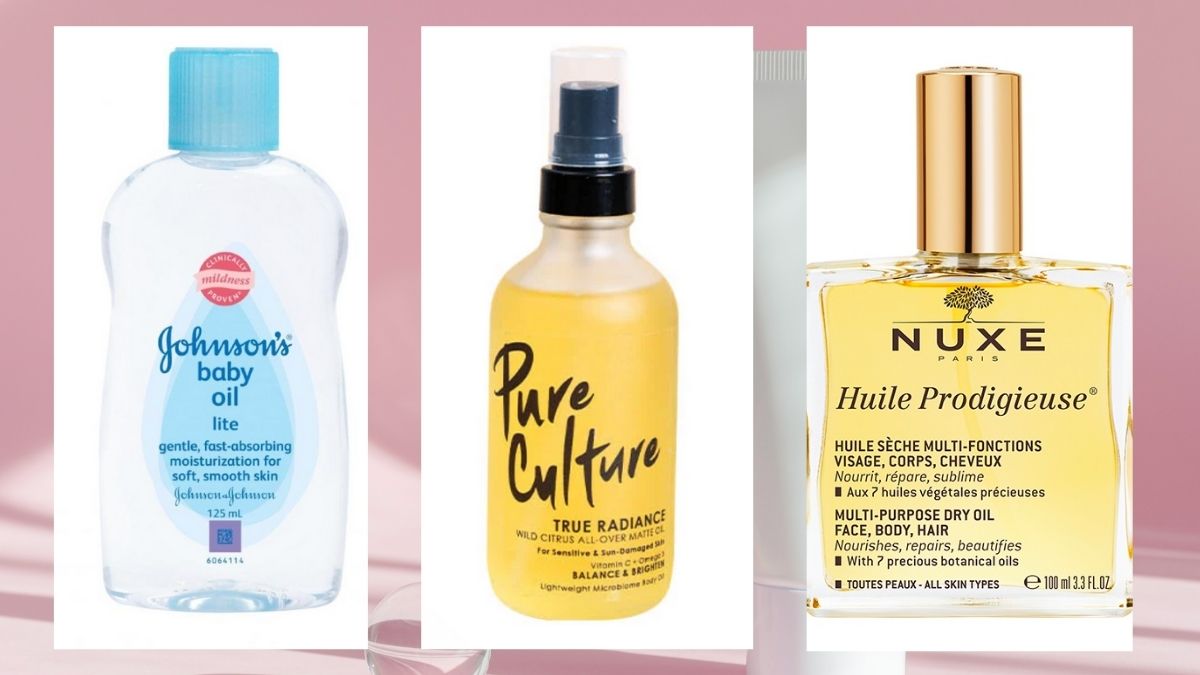
In summary, body oils emerge not just as a luxurious addition to skincare, but as functional products that address various skin concerns while celebrating cultural traditions. By incorporating the right body oil into your routine, you’re not only enhancing your skin’s health but also participating in a historical journey that spans civilizations. Embrace the benefits of body oils, and let your skin indulge in the nourishment they provide.
Clarifying Questions
What skin types benefit most from body oil?
All skin types can benefit from body oil, but oily skin types may prefer lighter oils, while dry skin types thrive with richer formulations.
Can body oil be used on the face?
Yes, but it’s essential to choose oils specifically formulated for facial use to avoid clogging pores.
How often should I apply body oil?
For best results, apply body oil daily or as needed, particularly after bathing when skin is still damp.
Is body oil suitable for sensitive skin?
Many body oils are suitable for sensitive skin, especially those with natural ingredients, but patch testing is recommended prior to use.
What is the shelf life of homemade body oils?
Homemade body oils typically last about 6 months when stored in a cool, dark place, but always check for changes in scent or texture.