
 Penelope Hailey
Delving into Eucalyptus oil for body, this essential oil has been treasured for centuries, thanks to its myriad of benefits and rich history across various cultures. Originating from the eucalyptus tree, this oil boasts a range of therapeutic properties that make it a favorite in holistic health practices. From its extraction methods to its diverse applications, eucalyptus oil plays a crucial role in body care routines, enabling individuals to harness its potent healing powers.
As we explore the chemical composition and therapeutic advantages of eucalyptus oil, it becomes clear that this oil is not just another addition to your wellness toolkit. Its anti-inflammatory and antiseptic properties support respiratory health and overall well-being, making it a valuable ally in your self-care regimen. Whether you’re looking to incorporate it into your skincare routine or seeking relief through aromatherapy, eucalyptus oil offers versatile solutions for everyday health concerns.
The origins and extraction methods of eucalyptus oil
Eucalyptus oil has a rich history that traces back to its origins in Australia, where it was first used by Indigenous Australians for its antiseptic and anti-inflammatory properties. Over time, eucalyptus oil found its way into various cultures around the world, appreciated for its medicinal and aromatic benefits. Today, it is a popular ingredient in aromatherapy, health products, and natural remedies.
Eucalyptus oil is primarily extracted from the leaves of the eucalyptus tree, specifically from species like Eucalyptus globulus and Eucalyptus radiata. The extraction methods vary, with steam distillation being the most common technique. This method involves using steam to extract the essential oil from the plant material, resulting in high-quality oil that retains the tree’s therapeutic properties. Cold pressing is another technique used, although it is less common for eucalyptus oil. This method involves mechanically pressing the leaves to release the oil, often resulting in a different profile of the oil’s aromatic compounds.
Extraction methods of eucalyptus oil
The choice of extraction method significantly influences the quality and characteristics of eucalyptus oil. Here are the primary methods used in the industry:
- Steam Distillation: This is the most widely used method for extracting eucalyptus oil. It involves passing steam through the plant material, causing the oil to evaporate. The steam and oil are then condensed back into liquid form, separating the oil from the water. Steam distillation preserves the oil’s aromatic and therapeutic properties, making it highly sought after for both medicinal and cosmetic applications.
- Cold Pressing: Though more commonly associated with citrus oils, cold pressing can also be used for eucalyptus. This method involves mechanically pressing the leaves to release the oil. The result is typically a more robust and different scent profile, though it may contain fewer therapeutic compounds compared to steam-distilled oil.
The eucalyptus plant species play a crucial role in determining the quality and scent of the oil produced. There are over 700 species of eucalyptus, with each offering distinct characteristics that affect the essential oil’s composition. For example, Eucalyptus globulus is known for its strong menthol-like aroma and potent medicinal qualities, while Eucalyptus radiata has a milder scent and is often preferred in aromatherapy for its calming effects.
Eucalyptus oil’s unique properties stem from its diverse plant species, each contributing to its distinct aroma and therapeutic benefits.
The chemical composition of eucalyptus oil and its therapeutic benefits
Eucalyptus oil, derived from the leaves of the eucalyptus tree, is renowned for its distinctive aroma and numerous health benefits. The oil is rich in various chemical compounds that contribute to its therapeutic properties, making it a staple in aromatherapy and natural medicine. Understanding these compounds and their effects on the body can enhance our appreciation of eucalyptus oil and its applications.
The primary chemical component of eucalyptus oil is eucalyptol, also known as 1,8-cineole. This compound is responsible for many of the oil’s notable effects on the body. Eucalyptol exhibits anti-inflammatory, analgesic, and antiseptic properties, making it particularly beneficial for respiratory issues and skin care. Other significant compounds include alpha-pinene, limonene, and citronellal, each offering unique benefits that contribute to the overall therapeutic profile of eucalyptus oil.
Main chemical compounds in eucalyptus oil
Eucalyptus oil contains several key compounds that play a crucial role in its therapeutic effects. Below is a brief overview of these compounds and their associated benefits:
- Eucalyptol (1,8-cineole): Known for its potent anti-inflammatory and analgesic properties, eucalyptol helps relieve respiratory issues like asthma and bronchitis. It can also aid in reducing pain and swelling when applied topically.
- Alpha-pinene: This compound is recognized for its anti-inflammatory and bronchodilator effects. It helps in clearing respiratory pathways, making breathing easier during colds or allergies.
- Limonene: With its uplifting citrus aroma, limonene possesses mood-enhancing properties and is often used for stress relief. It also has antiseptic qualities that can aid in cleaning and disinfecting surfaces.
- Citronellal: Known for its insect-repelling properties, citronellal can also provide calming effects and help alleviate stress and anxiety when diffused or inhaled.
The therapeutic benefits of eucalyptus oil extend beyond its pleasant scent. These compounds work synergistically to provide a range of effects. For example, eucalyptol can help to reduce mucus production in the airways, facilitating easier breathing. Additionally, alpha-pinene can increase airflow to the lungs and enhance overall respiratory comfort.
“The combination of these compounds in eucalyptus oil not only supports respiratory health but also promotes overall well-being.”
In terms of mechanisms, eucalyptol exerts its effects by interacting with the body’s inflammatory pathways, reducing the production of pro-inflammatory cytokines. This action leads to decreased inflammation and pain perception. On the other hand, alpha-pinene may influence neurotransmitter systems related to mood regulation and anxiety, marking its utility in stress relief.
Overall, the chemical composition of eucalyptus oil supports its reputation as a natural remedy for various ailments, providing both physical and emotional benefits through its multi-faceted compounds.
Practical applications of eucalyptus oil for body care
Eucalyptus oil, known for its refreshing scent and therapeutic properties, can be a valuable addition to your body care regimen. This versatile essential oil is not only a natural antiseptic but also offers benefits for relaxation and rejuvenation. Incorporating eucalyptus oil into your daily routine can enhance your skincare, promote relaxation, and improve overall well-being.
Incorporating eucalyptus oil into daily body care routines
Eucalyptus oil can be seamlessly integrated into various aspects of body care. Here are some practical applications to consider:
– Moisturizing Creams: Adding a few drops of eucalyptus oil to your regular moisturizer can enhance its hydrating properties. The oil helps to soothe irritated skin and provides a refreshing scent.
– Massage Oils: Create a soothing massage oil by mixing eucalyptus oil with a carrier oil such as coconut or almond oil. This combination can provide relief from muscle tension while leaving your skin feeling nourished.
– Deodorants: Eucalyptus oil’s natural antibacterial properties make it an effective ingredient in homemade deodorants. Mixing it with baking soda and a carrier oil can yield a fresh-smelling, natural deodorant alternative.
Before using eucalyptus oil, it’s essential to perform a patch test to ensure there are no adverse reactions, especially for individuals with sensitive skin.
Creating eucalyptus-infused oils or creams for topical application
Crafting your own eucalyptus-infused products allows for customization and ensures the use of high-quality ingredients. Below are detailed procedures for making eucalyptus-infused oils and creams.
1. Eucalyptus-Infused Oil:
– Ingredients: 1 cup of carrier oil (olive, coconut, or jojoba) and 10-15 drops of eucalyptus essential oil.
– Procedure:
1. In a clean glass jar, combine the carrier oil with the eucalyptus oil.
2. Seal the jar tightly and place it in a warm, dark place for at least a week, shaking it gently every couple of days.
3. After a week, strain the oil through a cheesecloth into another container, discarding the solids. The infused oil is now ready for use in massages or as a moisturizer.
2. Eucalyptus Cream:
– Ingredients: ½ cup of shea butter, ¼ cup of coconut oil, and 15 drops of eucalyptus oil.
– Procedure:
1. Melt the shea butter and coconut oil in a double boiler until combined.
2. Remove from heat and let cool slightly before adding eucalyptus oil.
3. Whip the mixture with a hand mixer until it becomes creamy and fluffy.
4. Transfer the cream to a container and allow it to cool completely before sealing. This cream can be applied to dry skin for hydration and relief.
Using eucalyptus oil in baths or aromatherapy practices
Eucalyptus oil is highly effective in baths and aromatherapy, promoting relaxation and wellness. Consider the following methods for incorporating this essential oil into your self-care routine:
– Relaxing Bath Soak: Adding eucalyptus oil to a warm bath can create a soothing spa-like experience. Mixing 5-10 drops of eucalyptus oil with Epsom salt before adding it to your bathwater allows the oil to disperse evenly, helping to ease muscle tension and promote relaxation.
– Aromatherapy Diffuser: Utilizing an essential oil diffuser with eucalyptus oil can enhance your environment. The scent promotes clarity and relaxation, making it ideal for meditation or unwinding after a long day.
– Steam Inhalation: For respiratory benefits, eucalyptus oil can be used in steam inhalation. Add a few drops to a bowl of hot water, drape a towel over your head, and lean over the bowl to inhale the steam. This practice can help clear sinuses and promote easier breathing.
By integrating eucalyptus oil into your body care routine, you can enjoy its multitude of benefits, from skincare to relaxation techniques. These practical applications not only enhance your daily self-care rituals but also contribute to overall well-being.
Safety considerations and potential side effects of eucalyptus oil
Eucalyptus oil, known for its refreshing aroma and numerous health benefits, requires careful handling to ensure safe use. As with any essential oil, it’s crucial to be aware of safety precautions, particularly for those with sensitive skin or existing health conditions. Understanding potential side effects and the importance of proper application methods can help in maximizing its benefits while minimizing risks.
In the realm of essential oils, eucalyptus oil stands out for its versatility, but improper use can lead to adverse reactions. It’s important to recognize that everyone’s skin and body chemistry are different, which means that what works for one person might not be safe for another. Misuse of eucalyptus oil can lead to skin irritation, respiratory issues, and allergic reactions. Therefore, exercising caution and adhering to safety guidelines is essential for a positive experience with this oil.
Safety Precautions for Eucalyptus Oil Usage
When using eucalyptus oil, especially for sensitive individuals, certain precautions should be observed to minimize potential risks. Here are essential safety measures to consider:
- Consult a Healthcare Professional: Before using eucalyptus oil, especially for children, pregnant or nursing women, and those with pre-existing medical conditions, consult a healthcare provider for tailored advice.
- Use High-Quality Oil: Ensure the eucalyptus oil is 100% pure and sourced from reputable suppliers. Adulterated oils can pose significant health risks.
- Avoid Ingestion: Eucalyptus oil should not be consumed. Oral ingestion can lead to serious health complications, including toxicity.
- Keep Away from Sensitive Areas: Do not apply eucalyptus oil near the eyes, mucous membranes, or broken skin, as it may cause irritation.
Potential Side Effects and Allergic Reactions
While eucalyptus oil is widely used, it can cause side effects, particularly when used improperly. Some common reactions include:
- Skin Irritation: Direct application of undiluted eucalyptus oil on the skin can lead to redness, itching, or a burning sensation, particularly for sensitive individuals.
- Respiratory Issues: Inhalation of eucalyptus oil vapors in high concentrations may cause respiratory distress, particularly in individuals with asthma or other lung conditions.
- Allergic Reactions: Some individuals may experience allergic reactions such as rash, hives, or swelling after exposure to eucalyptus oil. A patch test is recommended for first-time users.
Importance of Dilution and Patch Testing
Before applying eucalyptus oil more broadly on the skin, it is crucial to dilute it properly and perform patch testing. Here’s why these steps are vital:
- Dilution: Eucalyptus oil should always be diluted with a carrier oil (like coconut or jojoba oil) to reduce the risk of skin irritation. A common dilution ratio is 2-3 drops of eucalyptus oil per teaspoon of carrier oil.
- Patch Testing: Conducting a patch test involves applying a small diluted amount of the oil to a discreet area of skin, such as the inner forearm. Wait for 24 hours to monitor for any adverse reactions.
- Gradual Introduction: If the patch test is successful, introduce eucalyptus oil gradually into your routine, carefully observing for any side effects or sensitivities.
“Safety first: The proper use of eucalyptus oil can enhance wellness while minimizing the risk of adverse effects.”
Case studies of eucalyptus oil use in holistic health practices
Eucalyptus oil has garnered attention not only for its aromatic qualities but also for its therapeutic benefits in holistic health practices. Many individuals have found effective ways to incorporate this essential oil into their health and wellness routines, leading to improved well-being. This section delves into real-life examples and the roles that holistic practitioners play in utilizing eucalyptus oil for various treatments.
Integration of Eucalyptus Oil in Individual Routines
Numerous individuals have reported positive experiences after integrating eucalyptus oil into their wellness practices. For example, a yoga instructor named Sarah began using eucalyptus oil during her sessions to promote relaxation and clear the respiratory system. The calming aroma not only enhanced the yoga experience but also helped her students focus better, resulting in a more profound practice. Feedback from her classes highlighted increased relaxation and reduced tension among participants.
Additionally, John, a runner, started applying diluted eucalyptus oil to his muscles before and after workouts. He discovered that it helped alleviate soreness and provided a refreshing sensation. His routine now includes a DIY muscle rub combining eucalyptus oil with a carrier oil, which he swears by for faster recovery and enhanced performance.
Utilization by Holistic Practitioners
Holistic practitioners utilize eucalyptus oil in various therapeutics, ranging from aromatherapy to massage. In aromatherapy, practitioners employ diffusers to disperse eucalyptus oil into the air, which aids in respiratory health and enhances mood. Clients commonly report feeling more invigorated and less congested following a session.
In massage therapy, practitioners may incorporate eucalyptus oil into their blends for its anti-inflammatory properties. A massage therapist shared a case where a client with chronic pain found significant relief after multiple sessions using eucalyptus-infused oils. The client provided feedback on how the combination of massage techniques and the oil’s properties resulted in reduced pain levels and improved mobility.
Outcomes and Feedback from Users
The benefits of eucalyptus oil extend beyond anecdotal evidence; many users have shared their experiences in various forums and wellness communities. A study involving patients recovering from respiratory infections noted that those who used eucalyptus oil reported a significant decline in symptoms compared to those who did not.
Moreover, a wellness blog featured testimonials from users who included eucalyptus oil in their skincare routines, particularly for its antiseptic qualities. Individuals dealing with acne and skin irritations noted improved skin clarity and reduced breakouts after consistently using products containing eucalyptus oil.
“Integrating eucalyptus oil into my routine not only made me feel rejuvenated but also transformed my overall well-being. I can breathe easier and recover faster!” – Sarah, yoga instructor.
Comparing eucalyptus oil to other essential oils for body health
Eucalyptus oil, known for its refreshing scent and numerous health benefits, stands out among essential oils. When compared to other popular essential oils such as tea tree, lavender, and peppermint, eucalyptus oil possesses unique qualities that contribute to body health. Each essential oil offers distinctive properties and benefits, making them valuable additions to natural wellness routines.
Eucalyptus oil is celebrated for its anti-inflammatory and antimicrobial properties, making it particularly effective for respiratory issues and skin irritations. In contrast, tea tree oil is renowned for its potent antibacterial and antifungal effects, often used for treating acne and other skin conditions. Lavender oil, with its calming aroma, is primarily utilized for its relaxing and stress-relieving benefits, while peppermint oil is favored for its invigorating scent and ability to alleviate headaches and digestive issues. Understanding these differences helps individuals choose the right oil for their specific health needs.
Properties and Uses of Eucalyptus, Tea Tree, Lavender, and Peppermint Oils
To better understand and compare these essential oils, the following table organizes their respective properties, uses, and health benefits for easy reference:
| Essential Oil | Properties | Common Uses | Health Benefits |
|---|---|---|---|
| Eucalyptus Oil | Anti-inflammatory, antimicrobial, decongestant | Respiratory relief, antiseptic for wounds | Reduces inflammation, relieves congestion, promotes healing |
| Tea Tree Oil | Antibacterial, antifungal, antiviral | Treating acne, athlete’s foot, insect bites | Fights infections, improves skin health |
| Lavender Oil | Calming, relaxing, soothing | Stress relief, sleep aid, skincare | Reduces anxiety, promotes sleep, alleviates skin irritation |
| Peppermint Oil | Cooling, stimulating, analgesic | Headache relief, digestive support, respiratory aid | Relieves headaches, aids digestion, enhances focus |
The unique qualities of eucalyptus oil make it a valuable asset in supporting respiratory health and combating inflammation, while tea tree, lavender, and peppermint oils offer their own specialized benefits. Incorporating these essential oils into daily routines can enhance overall wellness and promote body health.
Creating customized blends with eucalyptus oil for specific body concerns
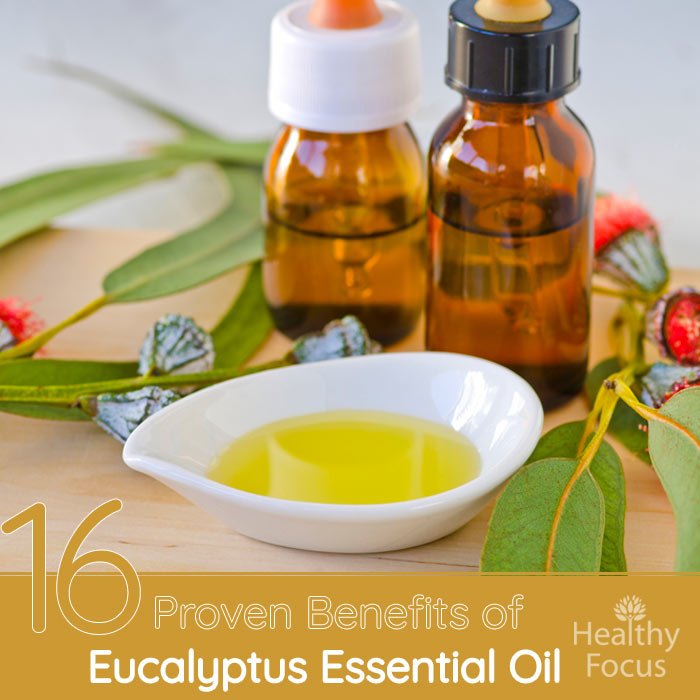
Eucalyptus oil is renowned for its therapeutic properties, making it an ideal choice in customized essential oil blends that target specific body concerns. Whether you’re addressing respiratory issues, muscle tension, or skin irritations, blending eucalyptus with other essential oils can enhance its effectiveness and create a tailored solution. This guide will help you formulate personalized blends that cater to your individual health needs using eucalyptus oil.
When formulating these blends, it is vital to understand the properties of complementary oils that can synergize with eucalyptus. Combining eucalyptus with the right oils not only boosts the therapeutic effects but also creates a pleasing aromatic experience. Here’s a list of some complementary oils and their properties to consider for your blends:
Complementary oils and their properties
Choosing the right oils to blend with eucalyptus can make a significant difference in the effectiveness of your custom formulations. Below is a list of essential oils that pair well with eucalyptus, along with a brief description of their benefits:
- Peppermint Oil: Known for its cooling sensation, peppermint oil alleviates headaches and muscle pain and enhances respiratory function.
- Lavender Oil: This calming oil promotes relaxation, reduces stress, and aids in sleep, making it an excellent choice for blends aimed at relaxation.
- Tea Tree Oil: With its antimicrobial properties, tea tree oil is effective for skin irritations and infections, improving the healing effects of eucalyptus.
- Rosemary Oil: Known to stimulate circulation and relieve muscle pain, rosemary oil can complement eucalyptus in blends for physical discomfort.
- Frankincense Oil: This oil is revered for its anti-inflammatory properties and emotional balancing effects, making it suitable for blends designed to relieve tension and anxiety.
Before proceeding with the blending process, it’s essential to follow safe practices for creating these customized oil combinations. This ensures that the blends are not only effective but also safe for topical application. Here are the steps to safely blend and use eucalyptus oil effectively on the body:
Steps for blending and using eucalyptus oil
Creating your customized essential oil blends involves a few straightforward steps. Adhering to these methods will help you achieve the best results while minimizing the risk of adverse reactions.
- Select Your Base Oil: Choose a carrier oil such as jojoba, sweet almond, or coconut oil. These oils dilute the essential oils, making them safe for skin application.
- Determine Your Ratios: For every 1-2 drops of eucalyptus oil, consider blending it with 2-3 drops of complementary oils. The general guideline is to maintain a dilution of 1-2% for topical blends.
- Combine the Oils: In a small glass bottle, add your chosen essential oils and carrier oil. Use a funnel for precision and to avoid spills.
- Mix Thoroughly: Cap the bottle and shake gently to mix the oils well. This ensures an even distribution of the essential oils within the carrier.
- Patch Test: Before applying the blend to larger areas of your skin, conduct a patch test by applying a small amount of the mix to your inner forearm. Wait 24 hours to check for any adverse reactions.
- Application: Once deemed safe, apply the blend to your desired area, such as sore muscles or chest to support respiratory health. Remember to use it sparingly.
“Always consult a healthcare professional if you have concerns about using essential oils, especially if you have underlying health conditions or are pregnant.”
By understanding how to customize blends with eucalyptus oil, you can address specific body concerns effectively while enjoying the aromatic benefits of essential oils. Personalizing your blends not only enhances their effectiveness but also allows for a holistic approach to wellness tailored to your needs.
Closure
In conclusion, Eucalyptus oil for body presents a fantastic opportunity to enhance your health and wellness through natural means. By understanding its origins, benefits, and safe application practices, you can confidently integrate this remarkable oil into your life. With the right knowledge and precautions, eucalyptus oil can transform your body care routines and promote holistic health in a simple yet effective way.
Detailed FAQs
What are the primary uses of eucalyptus oil?
Eucalyptus oil is commonly used for respiratory support, as an antiseptic, and in skin care for its anti-inflammatory properties.
Can eucalyptus oil be used on the skin directly?
No, eucalyptus oil should be diluted with a carrier oil before applying it directly to the skin to prevent irritation.
Is eucalyptus oil safe for children?
While eucalyptus oil can be beneficial, it should be used with caution in children and is best diluted; consult a pediatrician before use.
Can I use eucalyptus oil in a diffuser?
Yes, eucalyptus oil can be used in a diffuser to promote relaxation and respiratory health through inhalation.
How should I store eucalyptus oil?
Eucalyptus oil should be stored in a cool, dark place, away from direct sunlight, to maintain its potency.