
 Penelope Hailey
Vitamin A body oil is not just a beauty trend; it’s a powerful ally for your skin’s health. This versatile oil harnesses the benefits of Vitamin A, known for its incredible ability to enhance skin hydration and elasticity. As we dive into the world of Vitamin A body oil, we’ll explore its nutritional benefits, scientific absorption mechanisms, and its role in your skincare routine, revealing why it’s a must-have in your beauty arsenal.
From understanding how Vitamin A penetrates the skin barrier to learning the best application methods, each aspect of this oil contributes to a comprehensive skincare approach. Whether you’re combating dryness or aiming for a youthful glow, Vitamin A body oil holds the key to achieving that radiant skin you desire.
The Nutritional Benefits of Vitamin A in Body Oils
Vitamin A is a vital nutrient known for its multifaceted role in skin health and overall wellness. It is often included in body oil formulations due to its remarkable properties that promote skin vitality. This content explores how Vitamin A enhances skin hydration and elasticity, and the differences between natural and synthetic sources of this essential vitamin.
Role of Vitamin A in Skin Hydration and Elasticity
Vitamin A plays an indispensable role in maintaining skin hydration and elasticity, crucial for a youthful appearance. It aids in the regulation of skin cell production and turnover, ensuring that the skin retains moisture effectively.
Rich sources of Vitamin A, such as retinol and beta-carotene, help to nourish the skin from within. These components stimulate the production of collagen, a protein that helps keep the skin firm and elastic. Increased collagen levels lead to a reduction in the appearance of fine lines and wrinkles, promoting a more youthful look.
The hydration benefits of Vitamin A can be summarized as follows:
- Moisture Retention: Vitamin A enhances the skin’s barrier function, thereby preventing moisture loss and keeping the skin hydrated.
- Improved Texture: Regular use of Vitamin A in body oils can result in smoother and softer skin texture.
- Elasticity Support: By promoting collagen production, Vitamin A helps maintain skin elasticity, reducing sagging and increasing firmness.
Natural vs. Synthetic Sources of Vitamin A
When it comes to body oil formulations, Vitamin A can be derived from both natural and synthetic sources, each having distinct characteristics.
Natural sources of Vitamin A include plant-based ingredients such as carrot seed oil, sweet potato, and spinach. These sources not only provide Vitamin A but also come with additional antioxidants and nutrients beneficial for the skin. For example, carrot seed oil is known for its regenerative properties, making it a popular choice in organic skincare.
On the other hand, synthetic forms of Vitamin A, such as retinol and retinyl palmitate, are often used in commercial skincare products due to their stability and potency. These compounds can deliver visible results and are widely studied for their effectiveness. However, they may cause irritation in sensitive skin types if not formulated correctly.
Considering the differences, here are some factors to keep in mind:
- Bioavailability: Natural sources are often more easily absorbed by the skin, providing a gentle yet effective treatment.
- Stability: Synthetic forms tend to have a longer shelf life and maintain potency over time, making them a preferred choice for mass-produced products.
- Skin Compatibility: Natural sources are generally better tolerated, reducing the risk of irritation for those with sensitive skin.
The Science Behind the Absorption of Vitamin A through the Skin
Vitamin A is a vital nutrient known for its crucial role in maintaining skin health. When incorporated into body oils, it offers numerous benefits, including enhanced hydration, improved texture, and reduced signs of aging. Understanding how Vitamin A penetrates the skin barrier can help maximize these benefits and elevate skincare routines.
The absorption of Vitamin A through the skin involves complex mechanisms that facilitate its entry and efficacy. The skin is composed of multiple layers, primarily the epidermis and dermis, which act as barriers to external substances. Vitamin A is typically found in two forms: retinoids, which are derived from animal sources, and carotenoids, sourced from plants. When applied topically, Vitamin A penetrates the outermost layer of skin, known as the stratum corneum, through lipid channels. This penetration is influenced by the solubility of Vitamin A in oil-based formulations, as lipophilic substances can traverse the skin barrier more effectively than water-soluble compounds.
Factors Affecting the Absorption Rate of Vitamin A Body Oil
Several factors can significantly impact how efficiently Vitamin A is absorbed through the skin. These factors include:
- Formulation: The composition of the body oil, including emollients and carriers, can enhance or hinder absorption. Oils rich in fatty acids can improve the permeability of the skin.
- Skin Condition: Healthy skin with an intact barrier allows for better absorption compared to compromised skin, which may absorb nutrients inefficiently.
- Application Method: Massaging the oil into the skin can enhance absorption by increasing blood circulation and promoting deeper penetration.
- Concentration of Vitamin A: Higher concentrations may lead to more significant absorption, but they also carry the risk of irritation if too potent.
- Environmental Factors: Humidity levels and temperature can affect the skin’s permeability, with warmer and more humid conditions often enhancing absorption rates.
Effectiveness of Topical Application versus Oral Intake of Vitamin A for Skin Health
Topical application of Vitamin A tends to have a more immediate and localized effect on skin health compared to oral intake. When applied directly to the skin, Vitamin A can target specific areas of concern, such as fine lines, pigmentation, and texture, resulting in visible improvements. Conversely, oral intake of Vitamin A supports overall skin health from within, promoting cellular functions and systemic well-being.
The effectiveness of each method can be illustrated with an example: a study indicated that individuals using topical retinoids experienced a 50% improvement in skin texture and tone over 12 weeks, while participants who relied solely on oral Vitamin A exhibited gradual improvements that took longer to manifest.
Topical Vitamin A provides targeted results, while oral Vitamin A supports broader skin health.
In summary, while both methods have their merits, the choice between topical and oral Vitamin A largely depends on specific skin concerns and individual preferences. Understanding the mechanics of absorption and the factors influencing it can lead to informed choices in skincare routines.
How to Incorporate Vitamin A Body Oil into Your Skincare Routine
Incorporating Vitamin A Body Oil into your skincare routine is a fantastic way to enhance your skin’s health and appearance. Known for its ability to promote cell turnover and enhance skin texture, Vitamin A can offer numerous benefits when used correctly. This guide will provide you with a step-by-step approach to applying this oil effectively, highlight common mistakes to avoid, and discuss the ideal frequency of use for optimal results.
Step-by-step Guide for Application
To maximize the effectiveness of Vitamin A body oil, follow these steps during your skincare routine:
1. Cleanse Your Skin: Start with a gentle cleanser to remove dirt, oil, and makeup. This ensures that your skin is receptive to the nutrients in the oil.
2. Pat Dry: Use a clean towel to softly pat your skin dry. This helps retain some moisture, allowing the oil to absorb more effectively.
3. Apply the Oil: Dispense a small amount of Vitamin A body oil into your palms. Rub your hands together to warm the oil slightly, then apply it evenly across your skin in gentle, circular motions.
4. Focus on Target Areas: Pay extra attention to areas that need more hydration or have specific concerns, such as dryness or uneven texture.
5. Allow Absorption: Give your skin a few moments to absorb the oil before adding any additional products. This step ensures that you gain the full benefits of the oil.
6. Moisturize: If desired, follow up with a moisturizer. This can help lock in the oil and provide additional hydration.
7. Sunscreen: If you’re applying the oil in the morning, don’t forget to use sunscreen afterward. Vitamin A can make your skin more sensitive to sunlight.
Common Mistakes to Avoid
Awareness of potential pitfalls when using Vitamin A body oil can significantly enhance your experience. Here are some mistakes that are commonly made:
– Over-Application: Using too much oil can lead to greasiness and may not provide additional benefits. A few drops are usually sufficient for the entire area.
– Applying on Wet Skin: Using the oil on wet skin can dilute its effectiveness. Always ensure your skin is dry before application.
– Ignoring Sunscreen: Skipping sunscreen can increase the risk of sun damage, especially since Vitamin A can make skin more sensitive.
– Combining with Retinoids: Avoid using other retinoid products simultaneously, as this can lead to irritation. Stick to one retinoid at a time.
– Inconsistent Use: For best results, consistency is key. Using the oil sporadically will not yield the desired benefits.
Ideal Frequency of Use
Finding the right frequency for applying Vitamin A body oil is essential to achieving optimal skin benefits. Here are some guidelines:
– Initial Use: Begin by using the oil two to three times a week. This allows your skin to acclimate to the active ingredients without overwhelming it.
– Increase Gradually: As your skin builds tolerance, you can increase the frequency to every other day or even daily, depending on your skin type and sensitivity.
– Monitor Skin Response: Pay attention to how your skin reacts. If you notice irritation or excessive dryness, reduce the frequency of application.
– Seasonal Adjustments: During colder months, when skin is typically drier, you may choose to apply the oil more frequently to combat dryness.
By following these steps, avoiding common mistakes, and adjusting your frequency of use, you can effectively incorporate Vitamin A body oil into your skincare routine, leading to healthier, more radiant skin.
The Potential Risks and Side Effects of Using Vitamin A Body Oil
Vitamin A body oil is praised for its numerous skin benefits, but it’s essential to be aware of potential risks and side effects associated with its use. While many users enjoy positive results, some may experience adverse reactions that could affect their skin health. This segment will explore these possible side effects, identify contraindications for certain skin types or conditions, and discuss strategies to mitigate any negative effects.
Possible Adverse Reactions Associated with Vitamin A Body Oil
Using Vitamin A body oil can lead to several adverse reactions, especially for individuals with sensitive skin or specific conditions. Common side effects can include:
- Skin Irritation: Some users may experience redness, itching, or a burning sensation upon application.
- Dryness and Peeling: Vitamin A can cause excessive dryness and flakiness, particularly when first introduced to the skincare routine.
- Photosensitivity: Users may become more sensitive to sunlight, increasing the risk of sunburn or skin damage.
- Allergic Reactions: Rarely, individuals may develop an allergic response characterized by hives or swelling.
“It’s critical to patch test any new product containing Vitamin A to avoid unwanted reactions.”
Contraindications for Individuals with Specific Skin Types or Conditions
Certain individuals should approach Vitamin A body oil with caution or avoid it altogether. The following skin types or conditions could be adversely affected:
- Sensitive Skin: Those with sensitive or reactive skin may experience exacerbated irritation.
- Acne-Prone Skin: While Vitamin A can benefit some acne sufferers, it may also trigger breakouts in others.
- Rosacea: Individuals with rosacea should be cautious, as Vitamin A products can worsen inflammation.
- Eczema or Psoriasis: Those with these conditions may find Vitamin A oil irritating and should consult a dermatologist.
Mitigation Strategies for Potential Side Effects
To minimize the risk of side effects while using Vitamin A body oil, consider the following strategies:
- Start Slowly: Introduce the oil gradually, beginning with a few applications per week to gauge skin tolerance.
- Moisturize Adequately: Following up with a nourishing moisturizer can help counteract dryness and irritation.
- Use Sunscreen: Applying a broad-spectrum sunscreen daily is essential to protect against increased photosensitivity.
- Consult a Dermatologist: Seeking professional guidance can provide personalized recommendations, particularly for those with pre-existing skin conditions.
The Role of Vitamin A Body Oil in Anti-Aging Skincare
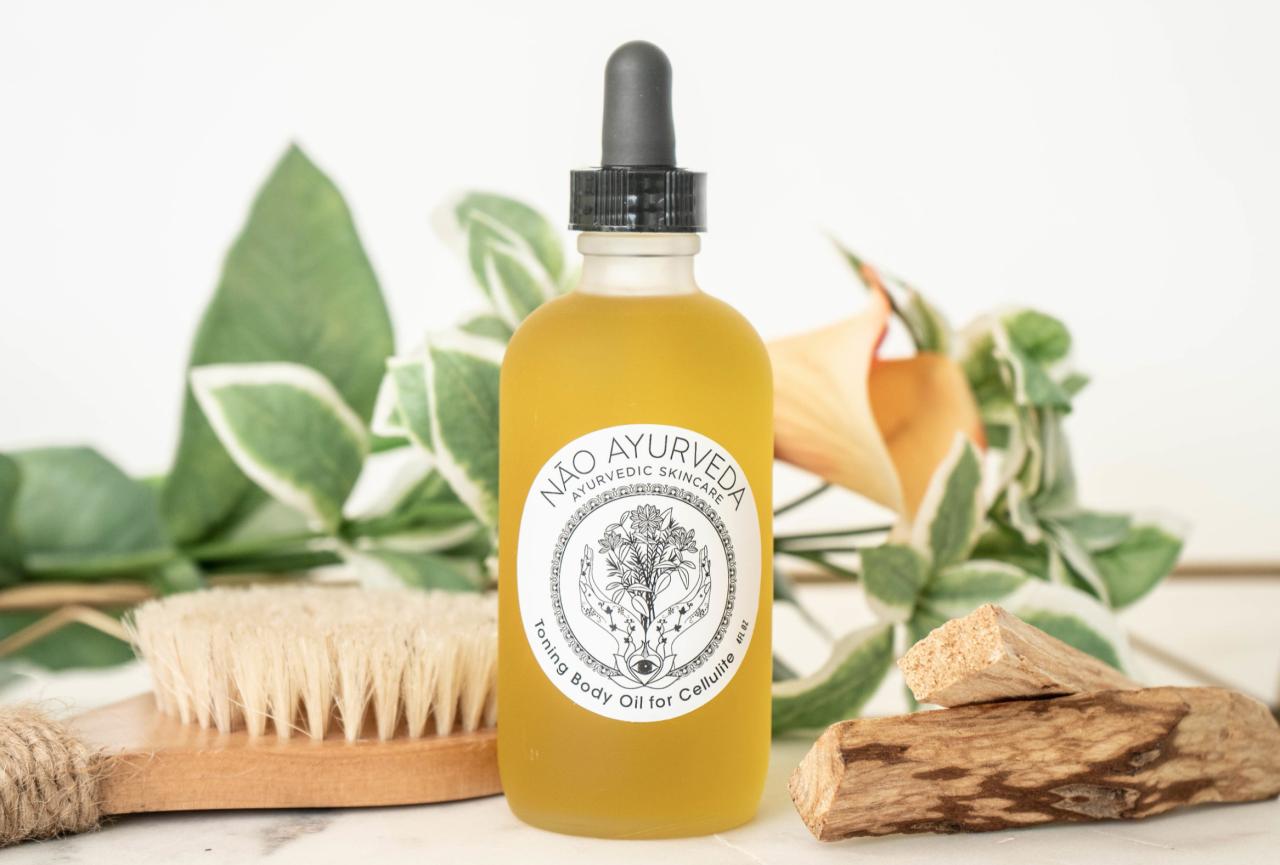
Vitamin A body oil plays a vital role in maintaining youthful skin, particularly in its ability to reduce the appearance of fine lines and wrinkles. As we age, our skin naturally loses elasticity and moisture, making it more susceptible to signs of aging. Vitamin A, a powerful antioxidant, can help combat these effects by stimulating collagen production and enhancing skin cell turnover, resulting in a smoother and more radiant complexion.
Research has demonstrated the effectiveness of Vitamin A in anti-aging skincare. A study published in the Journal of Investigative Dermatology found that topical retinoids, a derivative of Vitamin A, significantly improved skin texture and reduced the depth of wrinkles in participants over a 12-week period. The study highlighted how Vitamin A not only promotes the production of new skin cells but also helps in the repair of damaged skin, further underscoring its anti-aging properties.
Comparative Analysis of Vitamin A Body Oil and Other Anti-Aging Ingredients
Understanding how Vitamin A body oil stacks up against other popular anti-aging ingredients is essential for making informed skincare choices. Below are key points to consider when comparing Vitamin A with alternatives such as hyaluronic acid, peptides, and antioxidants:
Vitamin A Body Oil:
– Promotes collagen synthesis and enhances cell turnover, leading to smoother skin.
– Effective in reducing fine lines and improving skin texture over time.
– Suitable for various skin types, though some may experience initial irritation.
Hyaluronic Acid:
– Primarily a hydrating agent that retains moisture in the skin.
– Provides immediate plumping effects but does not directly address collagen levels or skin cell turnover.
Peptides:
– Chains of amino acids that signal the skin to produce more collagen.
– Effective in firming the skin but may take longer to show results compared to Vitamin A.
Antioxidants (e.g., Vitamin C):
– Protect against free radical damage and brighten the skin.
– Work well in conjunction with Vitamin A but do not specifically target wrinkles.
“Vitamin A is often regarded as a game-changer in the realm of anti-aging skincare, offering substantial improvements in skin appearance and health.”
In conclusion, while each ingredient has unique benefits, Vitamin A body oil stands out for its comprehensive approach to combating signs of aging. Its ability to enhance collagen production, coupled with scientifically backed research, makes it a cornerstone in effective anti-aging skincare routines.
Recommendations for Choosing Quality Vitamin A Body Oils
When selecting a Vitamin A body oil, it’s essential to prioritize quality ingredients that contribute to skin health. Vitamin A, known for its anti-aging and skin-renewing properties, can be derived from various sources, and not all products are created equal. Understanding the key ingredients and reputable brands can greatly enhance your skincare routine.
Key ingredients play a crucial role in determining the effectiveness of Vitamin A body oils. Look for products that contain the following beneficial components:
Key Ingredients to Look For
A variety of ingredients can enhance the benefits of Vitamin A body oils. The following list highlights some essential components to consider when choosing a quality product:
- Retinyl Palmitate: A gentle form of Vitamin A that promotes cell turnover and reduces the appearance of fine lines.
- Carrot Seed Oil: Rich in beta-carotene, it helps rejuvenate the skin and provides antioxidant protection.
- Rosehip Oil: Contains natural retinoids and fatty acids that improve skin texture and tone.
- Vitamin E: An antioxidant that helps protect the skin from free radicals while enhancing moisture retention.
- Jojoba Oil: Mimics skin’s natural oils, providing hydration and balancing oil production.
These ingredients not only enhance the effects of Vitamin A but also support overall skin health.
Comparison of Popular Vitamin A Body Oil Products
Here’s a comparison table of some popular Vitamin A body oil products, highlighting their unique benefits and key ingredients:
| Product Name | Key Ingredients | Main Benefits |
|---|---|---|
| Neutrogena Rapid Wrinkle Repair | Retinol SA, Hyaluronic Acid | Visibly reduces wrinkles and fine lines, improves skin texture. |
| Mario Badescu Vitamin A Body Oil | Vitamin A, Sweet Almond Oil | Hydrates skin and promotes youthful appearance. |
| Palmer’s Cocoa Butter Formula | Retinol, Cocoa Butter | Deeply moisturizes and improves skin elasticity. |
| The Ordinary Granactive Retinoid 5% | Hemp Seed Oil, Retinoid | Reduces signs of aging and enhances skin tone. |
This table provides a clear overview of how different products stack up regarding their key ingredients and benefits.
Importance of Sourcing Oils from Reputable Brands
Choosing oils from reputable brands ensures that you are investing in quality and safety. Established brands often conduct rigorous testing and adhere to industry standards, which can significantly impact the efficacy and reliability of the product.
Reputable brands typically provide transparency regarding their sourcing and formulation processes. Additionally, they invest in research to back their claims about how their products work, which is crucial for consumer trust. By selecting well-known brands, you can minimize the risk of using subpar or ineffective products that could potentially irritate the skin or fail to deliver the expected results.
“Investing in quality Vitamin A body oils is investing in your skin’s future health and appearance.”
DIY Recipes for Making Your Own Vitamin A Body Oil
Creating your own Vitamin A body oil at home not only allows you to customize the ingredients to suit your skin’s needs but also ensures you know exactly what you’re putting on your skin. Vitamin A is known for its ability to promote skin renewal, support collagen production, and improve overall skin texture. In this segment, we will explore detailed recipes for crafting your own Vitamin A-infused body oil, along with complementary ingredients and storage tips to maintain the oil’s potency.
Recipes for Vitamin A-Infused Body Oil
To create a Vitamin A-infused body oil, you can start with a base oil that is rich in nutrients, and then incorporate Vitamin A-rich ingredients. Below are two popular DIY recipes that you can easily prepare at home.
Vitamin A Carrier Oil Recipe:
1. Ingredients:
– 1 cup of carrier oil (such as sweet almond oil or jojoba oil)
– 2 tablespoons of carrot seed oil (rich in Vitamin A)
– 10 drops of essential oil (e.g., lavender or frankincense for added benefits)
2. Instructions:
– In a clean, dark glass bottle, combine the carrier oil and carrot seed oil.
– Add the essential oil drops and mix well.
– Secure the cap and shake gently to blend the ingredients.
– Store in a cool, dark place for optimal potency.
Nourishing Vitamin A Body Oil:
1. Ingredients:
– 1 cup of coconut oil (solid form works best)
– 2 tablespoons of rosehip seed oil (high in Vitamin A and C)
– 1 teaspoon of Vitamin E oil (for added antioxidant benefits)
2. Instructions:
– Melt the coconut oil in a double boiler until it is in liquid form.
– Remove from heat and stir in the rosehip seed oil and Vitamin E oil.
– Pour the mixture into a glass container and allow it to solidify.
– Once set, store in a cool, dry place away from sunlight.
Complementary Ingredients for Enhanced Skin Benefits
Using additional ingredients can amplify the benefits of your Vitamin A body oil. You might consider incorporating the following ingredients known for their skin-enhancing properties:
– Vitamin E Oil: Acts as a powerful antioxidant that helps to protect skin cells from damage and enhances the moisturizing effects of the oil.
– Rosehip Oil: Packed with essential fatty acids and vitamins, it aids in skin regeneration and reduces the appearance of scars and fine lines.
– Lavender Essential Oil: Known for its calming properties, it can also help soothe irritation and contribute to an overall sense of well-being.
Utilizing these ingredients can provide a synergistic effect, enhancing the properties of Vitamin A and promoting healthier skin.
Storage Considerations for Homemade Body Oils
Proper storage of your homemade Vitamin A body oils is crucial to maintain their efficacy and shelf life. Here are some key considerations to ensure your oils remain potent:
– Use Dark Glass Containers: Dark glass protects the oil from light exposure, which can degrade its quality. Always choose amber or cobalt blue bottles.
– Store in a Cool, Dark Place: Heat and light can negatively affect the stability of oils, so keep them in a cool and dark environment, such as a cupboard or drawer.
– Label and Date: Clearly label your containers with the ingredients and the date of preparation to keep track of freshness. Homemade oils typically last 6 months to 1 year, depending on ingredients used.
By following these steps, you can enjoy the benefits of homemade Vitamin A body oils while ensuring their longevity and effectiveness.
The Cultural and Historical Uses of Vitamin A in Skincare
Vitamin A has a rich history in skincare that transcends cultures and eras, revered for its ability to enhance skin health and appearance. Traditionally, people have harnessed the power of Vitamin A in various forms, utilizing its benefits in local and natural remedies. These historical practices reflect a deep understanding of the skin’s needs and the resources available in different environments.
In various cultures, Vitamin A has been integrated into skincare formulations, often derived from natural sources such as animal liver, fish oil, and certain vegetables. For example, in ancient Egypt, the use of animal fats rich in Vitamin A was common, as it was believed to rejuvenate the skin and promote a youthful appearance. Similarly, traditional Chinese medicine has long utilized foods high in Vitamin A, like carrots and leafy greens, for their skin-enhancing properties.
Regional Practices in Utilizing Vitamin A
Different cultures have unique practices when it comes to incorporating Vitamin A into their skincare routines. Below are some notable examples:
- Egyptian Rituals: Ancient Egyptians used a concoction of animal fats and oils, rich in Vitamin A, to protect their skin from the harsh desert climate. They believed these treatments could maintain skin elasticity and prevent signs of aging.
- Indian Ayurveda: In Ayurvedic traditions, Vitamin A-rich ingredients such as ghee (clarified butter) and carrots are incorporated into face masks and body oils. This holistic approach emphasizes the nourishment of both body and mind, with Vitamin A playing a critical role in enhancing skin vitality.
- Indigenous Practices: Indigenous communities around the world have often relied on local plants high in Vitamin A, such as sea buckthorn berries and dandelion leaves, for topical applications. These natural remedies have been passed down through generations, showcasing the longstanding appreciation for Vitamin A’s benefits.
- Japanese Skincare: In Japan, the traditional diet is rich in Vitamin A through fish and vegetables. The Japanese have a historical penchant for skincare rituals that utilize these foods to enhance skin tone and texture, reflecting a cultural emphasis on beauty and health.
Several anecdotes highlight the transformative effects of traditional Vitamin A applications. For instance, a woman from Morocco recalls her grandmother’s use of argan oil infused with Vitamin A-rich herbs, claiming it not only nourished her skin but also provided a glowing complexion. Similarly, a participant in a wellness retreat in India reported significant improvements in her skin texture and moisture levels after using Ayurvedic oils enriched with Vitamin A for several weeks. These personal stories underscore the lasting influence and efficacy of Vitamin A throughout diverse cultures.
Summary
In conclusion, incorporating Vitamin A body oil into your skincare routine can be a game-changer. With its multitude of benefits, from anti-aging properties to enhancing skin texture, this oil is worthy of a spot on your vanity. As you embark on this journey with Vitamin A body oil, remember to choose quality products, apply them wisely, and enjoy the transformative results that await.
General Inquiries
What skin types can benefit from Vitamin A body oil?
All skin types can benefit, but those with dry or aging skin may see the most significant improvements.
How often should I use Vitamin A body oil?
It is typically recommended to use it 2-3 times a week, but adjust based on your skin’s response.
Can I use Vitamin A body oil during the day?
Yes, but it’s best to apply it at night to allow for optimal absorption and to avoid sun sensitivity.
Is it safe to use Vitamin A body oil during pregnancy?
Consult with a healthcare provider before use, as some forms of Vitamin A are not recommended during pregnancy.
Can I mix Vitamin A body oil with other oils?
Yes, mixing with carrier oils like jojoba or almond can enhance its benefits and improve texture.