
 Penelope Hailey
Lightweight body oil is rapidly becoming a staple in skincare routines, offering an ideal blend of hydration and nourishment without the heaviness of traditional creams. These oils deliver moisture while allowing the skin to breathe, making them perfect for various skin types, particularly those prone to breakouts. They are formulated with ingredients that not only hydrate but also enhance your skin’s natural barrier, leaving it soft, supple, and glowing.
Incorporating lightweight body oils into your daily regimen can transform your skin’s health and appearance. With a rich variety of beneficial ingredients, these oils cater to specific skin needs, ensuring that you achieve optimal hydration without the greasy residue typically associated with thicker lotions. Whether you’re new to body oils or looking to refine your skincare arsenal, understanding their benefits and versatility is key.
Understanding the Benefits of Lightweight Body Oil
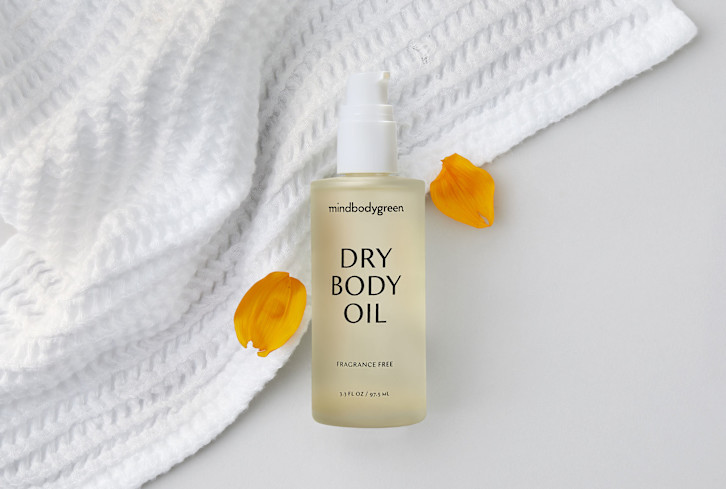
Lightweight body oils have garnered increased attention in the skincare realm, gaining recognition for their versatile benefits and ease of use. These oils offer an effective way to nourish and hydrate the skin without the heavy feel that traditional oils might impart. When looking for a solution to enhance your skincare routine, understanding how lightweight body oils can revolutionize your approach to hydration is essential.
Lightweight body oils are renowned for their ability to provide deep hydration while maintaining a non-greasy finish. This unique characteristic helps the skin to absorb moisture effectively without clogging pores, making them a fantastic option for a range of skin types. These oils are often formulated with smaller molecules that penetrate the skin more deeply, delivering essential nutrients and hydration. This is particularly beneficial for those who struggle with dry skin but are wary of heavier oils that could exacerbate issues like acne or breakouts. Additionally, many lightweight oils, such as jojoba, squalane, and almond oil, are non-comedogenic, meaning they won’t block pores, thus ensuring that skin remains clear and healthy.
Specific Skin Types That Benefit from Lightweight Body Oils
Lightweight body oils cater to a diverse array of skin types, providing specific benefits that enhance overall skin health. Understanding which skin types can gain the most from these oils can help in selecting the right product for your needs. Below are some skin types that particularly benefit from using lightweight body oils:
- Oily Skin: Contrary to the misconception that oil should be avoided, lightweight oils can help to balance oil production, making oily skin types less greasy.
- Combination Skin: These oils can provide hydration to dry areas without overwhelming the oilier zones, creating a balanced complexion.
- Sensitive Skin: Many lightweight oils contain soothing properties, making them perfect for reducing irritation or redness without heavy ingredients.
- Dry Skin: Lightweight oils penetrate deeply, offering hydration that lasts without the heaviness that can lead to discomfort.
Incorporating lightweight body oils into your skincare routine can be a game changer, fostering hydration without the drawbacks of heavier formulations. By selecting the right oil for your skin type, you can enjoy the nourishing benefits while keeping your complexion radiant and healthy.
“Lightweight oils deliver hydration and nourishment without the greasy aftermath, making them ideal for varied skin types.”
The Key Ingredients to Look for in Lightweight Body Oils
Selecting a lightweight body oil requires an understanding of its key ingredients and their benefits. A well-formulated body oil not only hydrates the skin but also helps balance oiliness while providing nourishment. Knowing what to look for can lead you to products that truly enhance your skin health and overall appearance. Here are some of the most beneficial ingredients commonly found in lightweight body oils and how they contribute to skin wellbeing.
Beneficial Ingredients in Lightweight Body Oils
When choosing a lightweight body oil, it’s crucial to understand the role of various ingredients. Each ingredient brings unique properties that contribute to the oil’s effectiveness. Below are some essential components to consider:
- Jojoba Oil: This oil closely resembles the skin’s natural sebum, providing hydration without clogging pores. It’s known for its ability to regulate oil production, making it an excellent choice for oily and combination skin types.
- Argan Oil: Rich in fatty acids and vitamin E, argan oil is a superb moisturizer. It helps to soothe irritation and provides anti-aging benefits, restoring skin elasticity.
- Grapeseed Oil: Lightweight and easily absorbed, grapeseed oil is high in linoleic acid, which has been found to help combat acne and balance oily skin. It also contains antioxidants that protect against environmental damage.
- Sweet Almond Oil: This oil is rich in vitamins A and E, providing nourishment and hydration. It is particularly beneficial for soothing dry patches and improving skin texture.
- Sunflower Seed Oil: The high linoleic acid content in sunflower seed oil helps maintain the skin barrier, ensuring moisture retention. It is also non-comedogenic, making it suitable for all skin types.
- Rosehip Oil: Known for its healing properties, rosehip oil is packed with essential fatty acids and vitamins. It aids in reducing scars and improving skin tone and texture.
Understanding the specific functions of each ingredient can significantly enhance your ability to choose the right lightweight body oil for your skin type.
Interpreting Product Labels
When selecting a lightweight body oil, understanding how to read and interpret product labels is key to making an informed decision. Here are some tips to help you navigate product labels effectively:
- Ingredient List Order: Ingredients are listed in descending order by weight. The first few ingredients are the most dominant, so if you want a particular oil, ensure it appears near the top.
- Look for Natural Ingredients: Opt for oils that emphasize natural, organic ingredients without synthetic additives. Avoid products with long ingredient lists that include chemical preservatives and artificial fragrances.
- Check for Comedogenic Ratings: Some oils can clog pores; checking for comedogenic ratings can help identify which oils are safe for acne-prone skin.
- Consider Additional Benefits: Some oils come infused with essential oils or vitamins. If you’re looking for specific benefits, such as anti-aging or soothing properties, check for these additions in the product description.
Choosing a lightweight body oil with the right ingredients and understanding the product labels can significantly enhance your skincare routine.
Comparing Lightweight Body Oils to Other Moisturizing Products
Lightweight body oils have gained popularity for their ability to hydrate and nourish the skin without the heavy feel often associated with traditional lotions and creams. Understanding the differences between these moisturizing products can help consumers make informed choices tailored to their skincare needs. While both lightweight body oils and traditional moisturizers aim to keep the skin hydrated, they come with distinct characteristics that set them apart.
Differences in Absorption Rates and Texture
One of the primary differences between lightweight body oils and traditional lotions or creams lies in their absorption rates. Lightweight body oils are typically formulated with smaller molecules that allow them to penetrate the skin more rapidly. This quick absorption provides an immediate feeling of hydration without leaving a greasy residue. In contrast, lotions and creams, which often contain thicker emollients and water, may take longer to absorb. They can sit on the skin’s surface for a while, providing a protective barrier but sometimes resulting in a heavier and more occlusive feel.
The texture of these products also varies significantly. Lightweight body oils tend to have a silky-smooth texture that glides effortlessly over the skin, creating a soft finish. They can feel luxurious and soothing, making them ideal for application after a shower or bath. Traditional lotions and creams, on the other hand, can vary from lightweight to heavy, with some being thicker and richer, which might cater to dry skin types. However, this richer texture can sometimes lead to a feeling of heaviness, especially in hot or humid conditions.
Longevity of Moisture Offered
When it comes to the longevity of moisture, lightweight body oils often outperform heavier creams in specific scenarios. Due to their unique formulation, body oils can provide a sustained level of hydration throughout the day. For instance, a body oil enriched with natural oils such as jojoba or argan oil can help lock in moisture effectively, allowing the skin to remain hydrated for hours. This is particularly beneficial for those with normal to oily skin types who prefer a lighter product that still offers excellent moisture retention.
Conversely, traditional creams tend to create a barrier that may initially feel very moisturizing but can sometimes lead to the skin feeling dry again after a few hours, especially if they contain high water content. The heavy occlusivity of a cream may prevent the skin from breathing and can lead to a cycle of reapplication, particularly in dry environments.
In summary, while both lightweight body oils and traditional moisturizers serve the primary purpose of keeping the skin hydrated, they differ in absorption rates, texture, and moisture longevity. Lightweight body oils provide a quick and lasting hydration experience with a light, enjoyable texture, making them a fantastic option for those looking for effective and comfortable skin nourishment.
Exploring DIY Recipes for Lightweight Body Oils
Creating your own lightweight body oils can be an enjoyable and rewarding experience. Not only do they nourish and hydrate your skin, but they also allow you to customize the scent and benefits to suit your individual needs. With natural ingredients, you can avoid the harsh chemicals often found in commercial products, promoting a healthier skin routine.
Natural ingredients provide numerous advantages over commercial products, including fewer allergens and irritants, as they are less processed and often free from synthetic fragrances and preservatives. Additionally, DIY body oils can be tailored to your skin type, offering personalized hydration and nourishment. Using ingredients like carrier oils and essential oils allows you to blend various benefits, like moisturizing and soothing properties.
Unique DIY Recipes for Lightweight Body Oils
Here are three delightful and easy-to-make recipes for lightweight body oils that you can create at home. Each recipe utilizes natural ingredients that are beneficial for your skin.
1. Coconut and Jojoba Oil Blend
This combination is perfect for a lightweight, hydrating body oil. To make this blend, mix 2 tablespoons of coconut oil (solid) and 2 tablespoons of jojoba oil in a small bowl. Melt the coconut oil gently if needed, then stir to combine. This oil is excellent for all skin types, providing hydration without a greasy feel.
2. Sweet Almond and Lavender Oil
Sweet almond oil is a fantastic choice for dry skin. Combine 3 tablespoons of sweet almond oil with 10 drops of lavender essential oil in a glass bottle. Shake well before each use. This calming blend not only moisturizes but also promotes relaxation, making it perfect for nighttime application.
3. Grapeseed and Rosemary Oil
Grapeseed oil is known for its light texture and quick absorbency. Mix 4 tablespoons of grapeseed oil with 5 drops of rosemary essential oil. This invigorating oil is ideal for daily use, as it helps balance oily skin while providing a refreshing aroma.
Using natural ingredients for your DIY body oils offers significant benefits over commercial alternatives, including the ability to avoid synthetic chemicals and customize formulations to meet your skin’s unique needs.
Safety Tips and Storage Recommendations
When creating homemade body oils, safety should always be a priority. Here are important guidelines to follow both during the creation process and for proper storage:
– Use high-quality, organic oils to minimize the risk of irritation.
– Always perform a patch test on a small area of skin before using a new oil blend. This ensures you don’t have an allergic reaction.
– Store your oils in dark glass bottles to protect them from light, which can degrade their quality.
– Keep your oils in a cool, dry place to extend their shelf life. Most homemade oils will last for 3 to 6 months if stored properly.
“Creating your own body oils not only fosters creativity but also allows for a healthier skincare routine.”
With these simple recipes and safety tips, you can enjoy the benefits of lightweight body oils made from natural ingredients right in the comfort of your home. Experiment with different combinations to find your perfect blend!
Lightweight Body Oils for Different Seasons and Climates
As the seasons change, so do our skin’s needs. Lightweight body oils play a pivotal role in maintaining healthy skin, but selecting the right formulation is essential to adapt to the varying environmental conditions. Different oils provide unique benefits that cater to the specific needs of your skin throughout the year.
The choice of body oil can significantly impact skin hydration and nourishment, especially as climate conditions shift. During warmer months, humidity levels rise, and our skin may require lighter formulations that absorb quickly, while colder months may demand richer oils that provide lasting moisture. It’s important to recognize how these variations affect the skin’s hydration levels and which oils perform best under specific seasonal conditions.
Seasonal Influences on Body Oil Selection
Understanding how to adjust your body oil for different seasons can optimize your skin’s health. Here is a selection of lightweight body oils that are particularly effective for various weather conditions:
- Summer: In hot and humid weather, oils such as grapeseed oil and jojoba oil are lightweight and non-greasy, making them ideal for maintaining hydration without feeling heavy on the skin. They absorb quickly and allow the skin to breathe.
- Fall: As temperatures drop, consider using sunflower oil which offers nourishing properties while still being light enough not to clog pores. Its vitamin E content helps protect against environmental damage.
- Winter: When the air becomes dry and cold, argan oil and marula oil become excellent choices. These oils are rich in fatty acids and antioxidants, providing deeper hydration while forming a protective barrier against moisture loss.
- Spring: For the transitional weather of spring, avocado oil is perfect. It’s slightly heavier than summer oils but provides vital nutrients, helping to rejuvenate the skin from winter’s dryness.
Climate Considerations for Body Oil Use
Climate plays a crucial role in determining the right body oil for your skin. Different climates can affect skin hydration needs, so understanding these nuances can help you choose wisely.
- Humid Climates: In areas with high humidity, lightweight oils such as coconut oil are suitable due to their quick absorption and non-comedogenic properties, ensuring skin remains hydrated without feeling greasy.
- Dry Climates: For dry environments, heavier oils like olive oil provide a protective layer that locks in moisture, making them essential for keeping the skin soft and hydrated.
- Cold Weather: In cold climates, look for oils fortified with vitamins such as castor oil or almond oil. These oils not only hydrate but also help to soothe irritation caused by harsh winds.
- Moderate Climates: Areas with mild weather can benefit from versatile oils like hemp seed oil, which adapt well to various environmental conditions and provide balanced hydration.
“Selecting the right body oil for the season and climate is key to achieving optimal skin health.”
The Role of Lightweight Body Oils in Aromatherapy
Lightweight body oils serve as an excellent medium for delivering the benefits of essential oils in aromatherapy. These oils are easily absorbed by the skin, allowing for optimal penetration of therapeutic properties. When combined with essential oils, lightweight body oils can enhance relaxation, boost mood, and alleviate stress, creating a holistic experience tailored to individual needs.
Incorporating essential oils into lightweight body oils expands their functionality, allowing users to customize their aromatherapy experience. The right combination not only enhances the sensory experience but also promotes various physical and emotional benefits. Different essential oils have unique properties that can support different aspects of well-being, making them a valuable addition to any aromatherapy routine.
Essential Oil and Carrier Oil Pairings
Choosing the right essential oils to blend with lightweight body oils is crucial for maximizing therapeutic benefits. Here are some popular essential oils and their corresponding lightweight carrier oils that create a synergistic effect for aromatherapy.
| Essential Oil | Carrier Oil | Therapeutic Effects |
|---|---|---|
| Lavender | Jojoba Oil | Promotes relaxation, alleviates anxiety, and enhances sleep quality. |
| Peppermint | Sweet Almond Oil | Relieves headaches, invigorates the mind, and eases muscle tension. |
| Tea Tree | Coconut Oil | Antiseptic properties, aids in skin healing, and reduces inflammation. |
| Frankincense | Grapeseed Oil | Enhances spiritual grounding, promotes skin rejuvenation, and reduces stress. |
| Ylang Ylang | Avocado Oil | Balances emotions, enhances mood, and promotes relaxation. |
The potency of essential oils can be significantly influenced by the choice of carrier oil, as each oil has its unique composition and benefits. By understanding these pairings, users can create personalized blends that cater to their specific wellness goals.
“In aromatherapy, the blend of essential and carrier oils creates a fuller experience, enhancing both aroma and therapeutic impact.”
Lightweight Body Oils in Cultural Practices and Traditions
Lightweight body oils have long been cherished across various cultures, serving not only as beauty products but also as integral elements of rituals and traditions. These oils often carry significant meaning, reflecting the values and practices of the communities that use them. From moisturizing the skin to enhancing spiritual practices, the use of body oils showcases a rich tapestry of cultural significance worldwide.
In many cultures, lightweight body oils are embedded in daily beauty routines as well as special ceremonies. They serve multiple purposes, from skincare to aromatherapy, and are often derived from local botanicals, providing both nourishment and a connection to nature. Over the centuries, the use of these oils has evolved, influenced by trade, colonization, and globalization, making them a fascinating subject for exploration.
Regional Practices Highlighting Body Oils
Various cultures showcase unique practices surrounding body oils, emphasizing their historical and cultural significance. Understanding these traditions provides insight into how lightweight body oils are perceived and utilized.
- Middle Eastern Traditions: In many Middle Eastern cultures, lightweight body oils such as argan oil and rose oil are staples. They are often used for personal care, enhancing one’s natural beauty and fragrance. The ritual of applying oil is not just a beauty routine but a practice of self-care and a symbol of hospitality.
- Indian Ayurvedic Practices: In Ayurveda, lightweight oils like coconut and sesame oil are used in daily massages known as ‘Abhyanga.’ This practice is believed to promote health, balance, and vitality. It reflects the deep-rooted belief in the connection between body, mind, and spirit.
- African Rituals: Lightweight body oils, particularly those derived from shea butter and marula, are integral in various African cultures. They are used in ceremonies, rituals, and daily skincare routines, believed to protect the skin from the harsh climate and provide spiritual cleansing.
- Japanese Beauty Routines: In Japan, lightweight oils like camellia oil are traditionally used for hair and skin care. The practice of layering oils is common, enhancing moisture retention and promoting a radiant complexion, reflecting the beauty ideals of simplicity and naturalness.
- Indigenous Practices: Many Indigenous cultures in the Americas utilize lightweight oils from local plants for ceremonial purposes, healing rituals, and as a means of connecting with the earth. These practices highlight the profound respect for nature and the intrinsic properties of the oils.
“The application of lightweight body oils transcends mere beauty; it is a celebration of culture, heritage, and the human connection to nature.”
How to Incorporate Lightweight Body Oil into Your Skincare Routine
Incorporating lightweight body oil into your skincare routine can elevate your hydration game and enhance the overall health of your skin. Lightweight body oils are versatile and can be seamlessly blended into various stages of your regimen, providing nourishment without a greasy feel. Understanding the best practices for application and timing is key to maximizing their benefits.
To effectively integrate lightweight body oil into your existing skincare regimen, it’s important to follow a step-by-step approach. This ensures that you reap the full benefits of the oil while maintaining an effective routine.
Step-by-Step Guide for Application
Start with a clean slate. Always cleanse your skin thoroughly to prepare for oil application. This can be done using a gentle cleanser suitable for your skin type.
Next, apply your body oil on slightly damp skin. This helps lock in moisture and enhances absorption. Pour a small amount of lightweight body oil into your palms, rub your hands together, and gently massage the oil onto your skin in circular motions. Focus on areas that tend to be drier, such as elbows, knees, and feet.
Follow up with a moisturizer or body cream to seal in the oil. This combination creates a barrier that keeps the skin hydrated longer. It’s advisable to apply lightweight body oil after a shower or bath, when your skin is still warm and pores are open. This timing enhances penetration and efficacy.
Optimal Timing for Application
Identifying the right moments to apply your body oil can significantly enhance its effectiveness. Here are the most beneficial times to use lightweight body oil:
- Post-Shower: Applying body oil immediately after a shower locks in moisture while your skin is still damp, optimizing hydration.
- Before Bed: Applying body oil at night allows for prolonged contact with the skin, enhancing overnight recovery and nourishment.
- Before Sun Exposure: A lightweight body oil can create a protective barrier against environmental elements, making it ideal before heading outdoors.
- After Sun Exposure: Use body oil to soothe and hydrate skin that has been exposed to the sun, helping to alleviate dryness and irritation.
Complementary Products for Enhanced Results
To maximize the benefits of lightweight body oil, pairing it with other skincare products can create a synergistic effect. Here are several products that work well with body oils:
- Hydrating Body Wash: Start your routine with a hydrating body wash to prep your skin for better oil absorption.
- Exfoliating Scrub: Regular exfoliation using a gentle scrub will help remove dead skin cells, allowing for deeper oil penetration.
- Moisturizing Lotion: Layering a moisturizer on top of body oil can enhance hydration levels and create a smooth, supple feel.
- Essential Oils: Mixing a few drops of essential oils with body oil can add therapeutic benefits and delightful scents.
Utilizing these complementary products in conjunction with lightweight body oil can transform your skincare routine into a holistic experience, promoting healthier, more radiant skin.
“Incorporating lightweight body oil wisely into your routine can significantly enhance skin hydration and health.”
How to Incorporate Lightweight Body Oil into Your Skincare Routine
Integrating lightweight body oil into your skincare routine can significantly enhance hydration and improve skin texture. Body oils are versatile and can be used in various ways to promote softer, nourished skin. Here’s a step-by-step guide on how to make the most of your lightweight body oil.
Step-by-Step Guide to Application
The best way to apply lightweight body oil is to follow these simple steps to ensure maximum absorption and effectiveness:
1. Start with Clean Skin: Always apply body oil to clean skin. Consider showering or bathing to cleanse your body and open up pores, allowing for better absorption.
2. Damp Skin Application: For optimal results, apply the lightweight body oil on slightly damp skin. This helps lock in moisture and enhances the oil’s hydrating properties.
3. Measure the Right Amount: Pour a small amount of body oil into your palms—usually about a quarter-sized amount is enough for most areas. Adjust based on your needs.
4. Warm It Up: Rub your hands together to warm the oil slightly before applying it to your skin. This helps it spread more easily and penetrates deeper.
5. Massage Gently: Use gentle, circular motions to massage the oil into your skin. This not only helps with absorption but also promotes circulation.
6. Allow It to Absorb: Give the oil some time to absorb into your skin before getting dressed. This will help avoid any oil transfer onto clothing.
Optimal Times for Application
Applying lightweight body oil at specific times can enhance its benefits. Consider these moments for application:
– Post-Shower or Bath: This is the ideal time as your skin is still damp, allowing the oil to seal in moisture effectively.
– Before Bedtime: Applying body oil at night can let your skin soak up the nutrients while you sleep, leading to a refreshed look by morning.
– After Exfoliation: Applying body oil post-exfoliation can help soothe and hydrate the skin, especially after using scrubs or chemical exfoliants.
– During a Spa Day: Indulging in self-care? Use body oil during massages or as part of a home spa treatment for added relaxation and hydration.
Complementary Products for Enhanced Results
To maximize the benefits of lightweight body oils, pairing them with complementary products can be very effective. Here are some highly recommended options:
– Moisturizing Creams: Combining lightweight body oil with a nutrient-rich moisturizing cream can enhance hydration levels. Look for creams containing hyaluronic acid or glycerin.
– Body Scrubs: Exfoliating your skin before applying body oil can remove dead skin cells and improve absorption. Choose a scrub with natural ingredients like sugar or salt.
– Scented Lotions: For a delightful fragrance, layer your body oil with a scented lotion. This not only hydrates but also adds a pleasant aroma.
– Essential Oils: Mixing a drop of essential oil, such as lavender or eucalyptus, into your body oil can provide aromatic benefits and additional skin nourishment.
– Hydrating Serums: Incorporate a hydrating serum before applying body oil to increase moisture retention and enhance the overall efficacy of your skincare routine.
Using lightweight body oil effectively can transform your skincare experience, leading to a glowing and deeply hydrated complexion.
Epilogue
In summary, lightweight body oils represent a modern approach to skincare, offering numerous benefits that traditional moisturizers often lack. Their unique properties allow for easy absorption, making them suitable for everyone, regardless of skin type. By embracing lightweight body oils, you not only invest in your skin’s health but also enhance your overall beauty routine, ensuring you stay radiant and hydrated throughout the day.
Query Resolution
What is lightweight body oil?
Lightweight body oil is a type of moisturizer that provides hydration while being easily absorbed by the skin, preventing a greasy feel.
Can I use lightweight body oil on oily skin?
Yes, lightweight body oils are suitable for oily skin as they hydrate without clogging pores.
How often should I apply body oil?
It’s best to apply lightweight body oil daily, ideally after showering or bathing, to lock in moisture.
Can I mix lightweight body oil with my lotion?
Absolutely! Mixing it with lotion can enhance hydration and improve the texture of your skincare routine.
Are there any specific oils to avoid in lightweight body oils?
It’s wise to avoid oils that are heavy or comedogenic, like mineral oil, as they can clog pores.
How should I store homemade lightweight body oils?
Store homemade oils in a cool, dark place, and use them within six months for the best quality.