
 Penelope Hailey
Moisturizing body oil has become a staple in many skincare routines, offering a luxurious way to hydrate and nourish the skin. With its rich blend of natural ingredients, these oils not only provide hydration but also enhance the skin’s elasticity, making them ideal for various skin types. Whether you’re battling dry patches, looking to improve the overall appearance of your skin, or simply wishing to indulge in a pampering routine, understanding the benefits of body oils can transform your skincare game.
Incorporating moisturizing body oil into your daily regimen can yield remarkable results, from leaving your skin feeling soft and supple to helping alleviate specific skin conditions. As we dive deeper into the world of body oils, you’ll discover the different types available, application techniques for maximum efficacy, and even homemade recipes that allow you to customize your skincare experience.
Understanding the Benefits of Moisturizing Body Oil
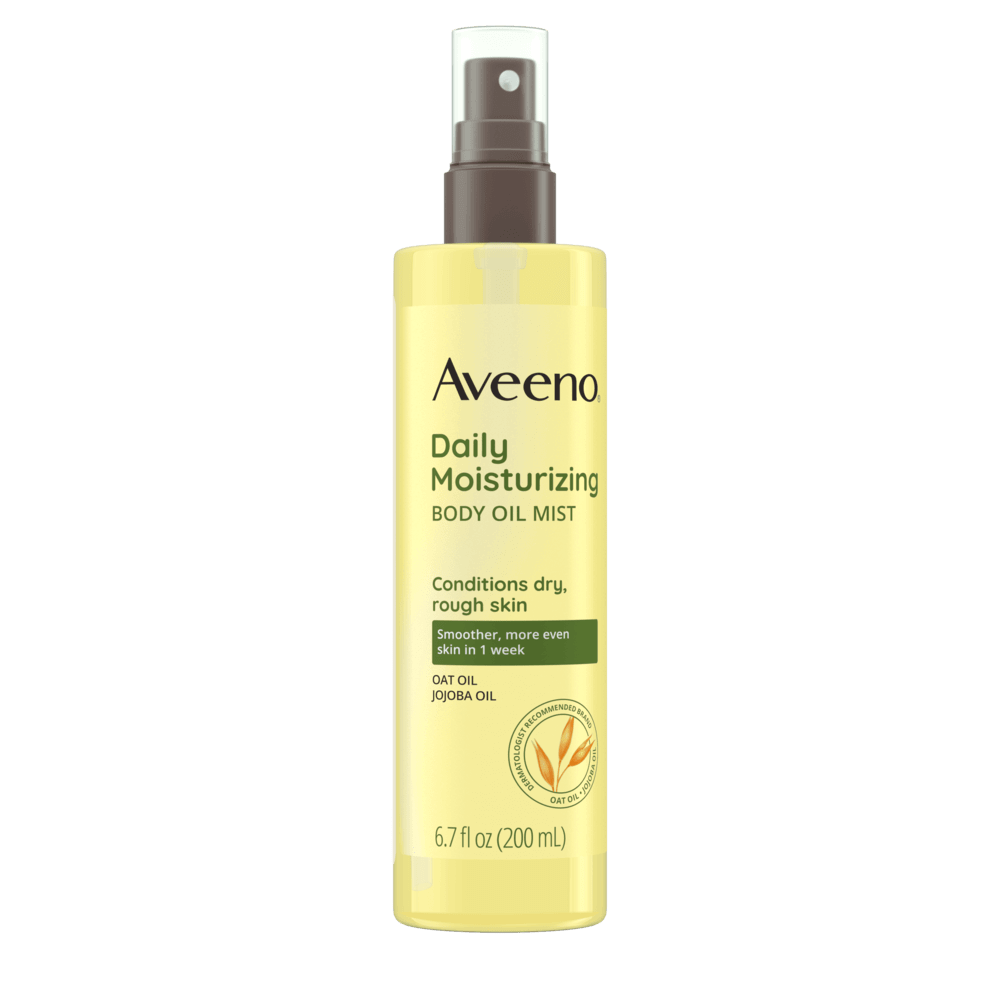
Incorporating moisturizing body oil into your daily skincare routine can significantly enhance your skin’s health and appearance. These oils are not just luxuries; they offer a multitude of benefits that make them an essential part of any effective skincare regimen. From providing deep hydration to improving skin elasticity, moisturizing body oils work wonders on a variety of skin types.
Moisturizing body oils are rich in essential nutrients that nourish the skin while forming a barrier that locks in moisture. Unlike traditional lotions that can evaporate quickly, body oils penetrate deeply into the skin, delivering hydration that lasts longer. The natural oils, such as almond, jojoba, and coconut, are known for their emollient properties, which soften and smooth the skin. Regular use of these oils can lead to improved skin texture and tone, making it appear healthier and more radiant. Furthermore, these oils contain antioxidants and fatty acids that help protect the skin from environmental damage and premature aging.
Hydration and Skin Elasticity
Maintaining hydration and elasticity in the skin is crucial for a youthful appearance. Moisturizing body oils play a pivotal role in achieving this. By forming a protective barrier, they prevent water loss from the skin, allowing it to stay plump and hydrated throughout the day. This is particularly important for individuals with dry or dehydrated skin, who often struggle to maintain moisture levels.
The application of body oils can also enhance skin elasticity, making it more resilient and less prone to sagging. A few key points to consider regarding hydration and elasticity include:
- Natural oils such as argan and rosehip are rich in vitamins and essential fatty acids, which can significantly improve skin elasticity.
- Regular application of moisturizing oils can reduce the appearance of stretch marks by keeping the skin supple and hydrated.
- Using body oil after a shower, while the skin is still damp, can maximize absorption and effectiveness.
- Oils are particularly beneficial for mature skin, which often shows signs of decreased elasticity and moisture over time.
Certain skin types may benefit more from using moisturizing body oils. Individuals with dry, sensitive, or mature skin often find that these oils provide the hydration and nourishment their skin craves. Oily or combination skin types can also benefit by selecting lightweight oils that won’t clog pores. For instance, grapeseed oil is known for being non-comedogenic, making it a great choice for those with oily skin.
Moisturizing body oils not only hydrate but also improve overall skin vitality.
Differentiating Between Various Types of Moisturizing Body Oils
Moisturizing body oils come in a variety of formulations, each designed to cater to specific needs and preferences. Understanding the differences between these oils can help you choose the right one for your skincare routine. From natural oils extracted from plants to synthetic blends created for enhanced benefits, each type offers unique properties and advantages.
When selecting a moisturizing body oil, it’s essential to differentiate between the various types available on the market. This not only helps in identifying which oil suits your skin type best but also clarifies the benefits associated with each. Below is a comparison of some of the most popular moisturizing body oils along with their compositions and benefits.
Comparison of Moisturizing Body Oils
The following table Artikels the different types of moisturizing body oils, highlighting their composition and benefits:
| Type of Oil | Composition | Benefits |
|---|---|---|
| Sweet Almond Oil | Rich in vitamins A, E, and omega fatty acids | Hydrates and nourishes, suitable for sensitive skin |
| Coconut Oil | Contains medium-chain fatty acids and lauric acid | Deeply moisturizing, has antimicrobial properties |
| Jojoba Oil | Similar to sebum, contains vitamins E and B | Balances oil production, non-comedogenic |
| Argan Oil | Rich in fatty acids, antioxidants, and vitamin E | Repairs skin, reduces inflammation and dryness |
| Mineral Oil | Petroleum-derived, hydrocarbons | Forms a barrier to retain moisture, inexpensive |
Natural oils often come from plant sources and are minimally processed, offering a wide range of nutrients and antioxidants. Examples include sweet almond oil, jojoba oil, and argan oil, each providing unique benefits such as hydration, balancing oils, and repairing skin damage.
In contrast, synthetic oils are man-made and may contain a blend of various chemicals to enhance their moisturizing properties. For instance, mineral oil, while effective at locking in moisture, can sometimes be viewed as less desirable due to its petroleum origin.
Natural oils support skin health holistically, while synthetic oils can provide immediate hydration and barrier protection.
Choosing between natural and synthetic oils depends on personal preference and skin needs. Natural oils like coconut oil provide not only moisture but also additional nutrients, whereas synthetic oils may offer specialized benefits like long-lasting hydration. Understanding these distinctions allows for informed choices in body care routines.
The Ideal Application Techniques for Moisturizing Body Oil
Applying moisturizing body oil correctly can significantly enhance its effectiveness, leaving your skin feeling supple and soft. Understanding the best practices for application will ensure that you maximize the benefits of your body oil and nourish your skin properly.
Timing plays a crucial role in the absorption and efficacy of body oils. The ideal times for application include right after a shower or prior to bedtime. After a shower, when your skin is clean and slightly damp, it provides a perfect canvas for the oil. This helps to lock in hydration and makes absorption easier. Applying the oil before bed allows the product to work overnight, so you wake up with deeply moisturized skin.
Best Practices for Applying Moisturizing Body Oil
To achieve optimal results with your moisturizing body oil, consider the following techniques:
- Warm it Up: Before applying the oil, warm it in your hands. This can help it spread more easily on the skin and enhance absorption.
- Use the Right Amount: A few drops are often enough. Start with a small amount and gradually add more if needed to avoid a greasy feel.
- Apply to Damp Skin: Apply the oil to damp skin right after your shower. This helps trap moisture in and makes the oil more effective.
- Massage Gently: Use gentle circular motions to massage the oil into your skin. This not only promotes better absorption but also improves circulation.
- Target Key Areas: Focus on areas that tend to be drier, like elbows, knees, and heels. These areas often need a little extra attention.
- Layer Products Wisely: If you use other skincare products, apply lighter creams or lotions first, and then seal in hydration with the oil for the best results.
- Be Consistent: Make moisturizing with body oil a regular part of your skincare routine, ideally daily, to maintain skin health and hydration.
The absorption of the oil can be further enhanced by ensuring your skin is well-prepared. Hydrated skin tends to absorb oils better, so maintaining a regular skincare routine that includes exfoliation can help remove dead skin cells, allowing for deeper penetration of the moisturizing body oil.
“Applying body oil after a shower can increase absorption and effectiveness, leaving your skin feeling luxuriously nourished.”
Common Ingredients Found in Moisturizing Body Oils and Their Functions
Moisturizing body oils are formulated with a variety of natural ingredients that work harmoniously to nourish and hydrate the skin. These oils not only provide moisture but also enhance the skin’s barrier function, protect against environmental stressors, and offer soothing properties. Understanding the key ingredients can help you choose the right body oil that meets your skincare needs.
A range of oils and extracts are commonly found in moisturizing body oils, each bringing unique benefits to the skin. The following popular natural ingredients are known for their moisturizing and skin-enhancing properties:
Popular Natural Ingredients and Their Benefits
Selecting the right body oil involves understanding the benefits of its ingredients. Here’s a list of some common components and what they contribute to your skin:
- Argan Oil: Rich in vitamin E and essential fatty acids, argan oil hydrates the skin, promotes elasticity, and can help reduce the appearance of scars and stretch marks.
- Coconut Oil: Known for its deep moisturizing properties, coconut oil has antimicrobial benefits and can help with skin conditions like eczema and psoriasis.
- Jojoba Oil: Mimicking the skin’s natural sebum, jojoba oil helps balance oil production, making it suitable for all skin types and reducing dryness and flakiness.
- Almond Oil: Packed with vitamins A and E, almond oil nourishes the skin, improves complexion, and has anti-inflammatory properties that soothe irritation.
- Olive Oil: A powerful antioxidant, olive oil helps to moisturize and protect the skin from oxidative damage, while also promoting a healthy glow.
While body oils can be incredibly beneficial, it’s essential to be cautious of potential allergens or irritants. Certain individuals may experience adverse reactions to specific ingredients, which could lead to skin irritation or allergic responses.
Potential Allergens or Irritants to Be Aware Of
Common allergens in moisturizing body oils can include the following:
- Fragrances: Synthetic fragrances can cause allergic reactions and skin irritation for sensitive individuals.
- Essential Oils: Although natural, some essential oils may trigger sensitivities or reactions in individuals prone to allergies.
- Nut Oils: Oils derived from nuts, such as almond or hazelnut, may pose a risk to those with nut allergies.
- Preservatives: Certain preservatives, like parabens, can irritate sensitive skin and should be avoided if known sensitivities exist.
By being informed about the ingredients and their potential effects, you can make a more educated choice when selecting a moisturizing body oil that suits your skin type and needs.
DIY Recipes for Making Your Own Moisturizing Body Oil
Creating your own moisturizing body oil is a simple yet rewarding endeavor that allows you to customize the blend to suit your skin’s needs and your personal scent preferences. Homemade body oils can provide deep hydration, nourishment, and a luxurious feel, often at a fraction of the cost of commercial products. By using natural ingredients, you can avoid the chemicals often found in store-bought options.
Making your own moisturizing body oil involves a few straightforward steps. You’ll combine carrier oils, which provide the base, with essential oils for added benefits and fragrance. The careful selection of these oils is crucial to achieve desired effects and ensure safety during the blending process.
Step-by-Step Procedures for Making Moisturizing Body Oil
The following steps Artikel a simple method for creating a basic moisturizing body oil. This recipe can be adjusted based on your preferences and skin type.
1. Gather Your Ingredients: Choose your carrier oils and essential oils. Popular carrier oils include:
- Sweet Almond Oil
- Coconut Oil
- Jojoba Oil
- Argan Oil
- Olive Oil
For essential oils, consider:
- Lavender Oil – calming and soothing
- Tea Tree Oil – antibacterial properties
- Ylang Ylang Oil – uplifting scent
- Frankincense Oil – anti-aging benefits
- Rosemary Oil – invigorating and refreshing
2. Select Your Containers: Choose a clean glass bottle with a dropper or a pump for easy dispensing.
3. Measure Your Oils:
– For a basic blend, mix 1/2 cup of carrier oil with 15-20 drops of your chosen essential oil.
– A common ratio is a 1% dilution for daily use, which is about 6 drops of essential oil per ounce of carrier oil.
4. Combine Ingredients: In a clean bowl, pour in the measured carrier oil followed by the essential oils. Stir gently to combine.
5. Transfer to Container: Use a funnel to pour the mixture into your chosen bottle, ensuring no oil spills.
6. Label Your Oil: Clearly label your creation with the date and contents, so you can keep track of it.
Safety Precautions When Blending Oils at Home
While creating your own body oil can be fun and beneficial, safety should always come first. Here are essential precautions to keep in mind:
– Conduct a Patch Test: Always perform a patch test by applying a small amount of the oil on your forearm to check for any allergic reactions before widespread use.
– Use High-Quality Ingredients: Ensure that you’re sourcing your oils from reputable suppliers to avoid harmful additives.
– Avoid Unadulterated Essential Oils: Pure essential oils are typically safe when used correctly, but some can cause irritation. Familiarize yourself with the specific essential oils you choose to use.
– Store Properly: Keep your homemade body oil in a cool, dark place to prolong its shelf life, and make sure the bottle is tightly sealed.
– Check for Sensitivities: Be aware that some essential oils may not be suitable for everyone, particularly pregnant women or those with certain medical conditions. Always research or consult a professional if in doubt.
By following these guidelines, you can safely create your own moisturizing body oil tailored to your skin’s needs and preferences, enhancing your daily skincare routine with a personal touch.
Addressing Common Myths Surrounding Moisturizing Body Oils
Moisturizing body oils have gained popularity in recent years, but with that popularity come misconceptions. Many people are unsure about how to properly use body oils and often rely on outdated beliefs. In this section, we will clarify these myths and provide accurate information to help you understand the true benefits of body oils in your skincare routine.
One common myth is that body oils can replace lotions entirely. While both products serve to moisturize the skin, they have different properties. Body oils primarily act as occlusives, creating a barrier that locks in moisture, while lotions typically contain water-based ingredients that hydrate the skin. Understanding the differences between these products can enhance your skincare approach.
Debunking Common Myths
It’s essential to clarify several misconceptions surrounding the use of body oils. Below is a comparison of common myths versus the facts to help you make informed decisions.
| Myth | Fact |
|---|---|
| Body oils are only for dry skin. | Body oils can benefit all skin types, including oily skin, by providing hydration without clogging pores. |
| Using body oil makes my skin greasy. | Quality body oils absorb quickly and can leave a non-greasy finish when applied correctly. |
| Body oils are the same as lotions. | Oils are more concentrated and can penetrate deeper into the skin compared to lotions, which are primarily water-based. |
| Body oils do not provide hydration. | While oils do not hydrate in the same way as water-based products, they effectively seal in moisture already present in the skin. |
| All body oils are comedogenic (pore-clogging). | Many oils, such as jojoba and argan oil, are non-comedogenic and suitable for all skin types. |
The right body oil can enhance your skincare routine by providing deep moisture and nourishment, complementing your existing products.
Understanding these myths allows users to better incorporate body oils into their skincare regimen, ensuring they reap the full benefits of this versatile product. By choosing the right type of oil and applying it correctly, you can achieve healthy, glowing skin all year round.
The Role of Moisturizing Body Oil in Specific Skin Conditions
Moisturizing body oil plays a crucial role in managing specific skin conditions, particularly those characterized by dryness and irritation. Conditions like eczema and psoriasis often require more than standard moisturization; they need products that not only hydrate but also soothe and protect the skin barrier. In this context, body oils can be a game-changer, providing relief and improving the overall skin condition.
Moisturizing body oil is beneficial for various skin issues due to its ability to penetrate deeply and lock in moisture. For individuals with eczema, which often leads to inflamed and itchy skin, body oils can help reduce irritation and promote healing by maintaining optimal hydration levels. Similarly, psoriasis, known for its dry, scaly patches, can benefit from the emollient properties of oils, which can soften plaques and ease discomfort.
Eczema Management with Moisturizing Body Oil
The use of moisturizing body oil in eczema management has been supported by numerous testimonials and case studies. For instance, a patient suffering from severe eczema found considerable relief by incorporating a natural body oil containing ingredients like jojoba and almond oil into their daily routine. After consistent use for three months, the patient noted a significant reduction in flare-ups and an improvement in skin texture.
Dermatologists often recommend using body oils as part of a comprehensive skincare regimen for eczema patients. They emphasize the importance of applying oil immediately after bathing when the skin is still damp to maximize moisture retention. A commonly endorsed oil blend includes:
- Jojoba oil – mimics the skin’s natural oils and is easily absorbed.
- Sunflower oil – rich in fatty acids, helps to strengthen the skin barrier.
- Argan oil – known for its anti-inflammatory properties, beneficial for reducing redness.
Psoriasis Relief through Body Oil Application
For psoriasis, moisturizing body oils can help alleviate symptoms by softening the thickened skin and reducing itchiness. A documented case involved a middle-aged woman diagnosed with psoriasis who utilized a specialized body oil containing tea tree oil and evening primrose oil. After four weeks, she reported fewer itchy episodes and a visible decrease in the scale formation, enhancing her quality of life.
Experts in dermatology suggest that for psoriasis patients, body oils should be applied generously to affected areas, especially after bathing, to trap moisture effectively. A recommended routine includes:
- Applying oil daily, focusing on particularly dry patches to prevent further scaling.
- Using a gentle exfoliating scrub once a week to remove dead skin cells, followed by oil application.
- Choosing oils with anti-inflammatory components to minimize flare-ups.
Moisturizing body oil has been highlighted by skincare professionals as an essential element in managing these chronic skin conditions. By providing deep hydration and promoting skin barrier repair, body oils not only soothe the skin but also empower individuals to take control of their skincare journey.
Sustainability and Ethical Considerations in Choosing Body Oils
Selecting body oils that are sustainably sourced and produced is integral to promoting environmental health and ensuring ethical practices within the beauty industry. As consumers become more aware of the impact of their purchases, it is essential to understand how these choices can contribute to a more sustainable future.
The importance of selecting sustainably sourced body oils cannot be overstated. Sustainable sourcing refers to the practice of obtaining ingredients in a way that does not deplete natural resources or harm the environment. This approach not only helps preserve ecosystems but also supports local communities involved in the cultivation and harvesting processes. By choosing body oils that are sustainably sourced, consumers can contribute to a more ethical supply chain and promote biodiversity.
Ethical Certifications for Body Oils
When shopping for body oils, it’s beneficial to be on the lookout for specific ethical certifications that indicate responsible sourcing and production. These certifications can help consumers make informed choices that align with their values. Here are some notable certifications to consider:
- Fair Trade Certified: Ensures that producers receive fair wages and work under safe conditions.
- Organic: Indicates that the ingredients are grown without synthetic pesticides or fertilizers, promoting environmental health.
- Non-GMO Project Verified: Confirms that products are free from genetically modified organisms, supporting biodiversity.
- Rainforest Alliance Certified: Focuses on sustainable farming practices that protect ecosystems and improve the livelihoods of farmers.
These labels not only help consumers identify ethical products but also encourage companies to adopt better practices in sourcing and production.
Environmental Impact of Packaging
The packaging of body oils plays a significant role in their overall environmental impact. Sustainable packaging options can greatly reduce waste and pollution. It is crucial to consider the following factors when evaluating packaging:
- Material Source: Opt for packaging made from recycled or biodegradable materials to minimize environmental impact.
- Recyclability: Choose products with packaging that can be easily recycled to reduce landfill waste.
- Minimalism: Select brands that utilize minimal packaging to limit excess waste and resource consumption.
- Refillable Options: Consider body oils that offer refillable containers, promoting a circular economy and reducing single-use plastic waste.
By being mindful of the packaging choices made by brands, consumers can further support sustainability and make a positive environmental impact.
“Choosing sustainably sourced body oils and supporting ethical certifications can lead to a healthier planet and a more just beauty industry.”
Last Point

In conclusion, moisturizing body oil stands out as a versatile and effective addition to any skincare routine. By understanding its benefits, application techniques, and the types of oils available, you can make an informed choice that suits your skin’s needs. Whether you choose a commercial product or decide to create your own blend, embracing the nourishing qualities of body oil can lead to healthier, more vibrant skin.
FAQs
What skin types benefit most from body oil?
Dry, sensitive, and mature skin types typically benefit the most from moisturizing body oils due to their hydrating properties.
Can I use body oil on my face?
Yes, but it’s important to choose oils that are non-comedogenic to avoid clogging pores.
How often should I apply body oil?
It’s generally recommended to apply body oil daily, especially after showering when your skin is still damp for better absorption.
Are there any allergens to watch out for?
Yes, common allergens can include essential oils, nut oils, and fragrances, so it’s crucial to check the ingredient list if you have sensitivities.
Can body oil be used for massage?
Absolutely! Body oils are excellent for massage as they provide slip and hydration for the skin.