 Penelope Hailey
Delving into Essential oils for emotional wellbeing, this introduction immerses readers in a unique and compelling narrative. Essential oils have been used for centuries not only for their pleasant aromas but also for their profound effects on emotional health. As our understanding of the science behind these oils grows, we discover how they interact with our brains and emotions, enabling us to harness their benefits in our daily lives.
From reducing anxiety to enhancing mood, the power of essential oils lies in their ability to influence our emotional states through biochemical mechanisms and the olfactory system. By exploring specific oils and their effects, we can better appreciate how these natural remedies contribute to our overall wellbeing.
Understanding the Science Behind Essential Oils and Emotional Wellbeing
Essential oils have gained significant attention for their potential benefits in emotional wellbeing. This interest is not just rooted in anecdotal evidence; there’s a fascinating science that explains how these aromatic compounds interact with our bodies and minds. By combining chemistry with psychology, we can better understand the profound effects of essential oils on our emotional states.
Essential oils are concentrated plant extracts that contain volatile compounds. These oils interact with the body’s biochemistry in various ways, primarily through the olfactory system. When inhaled, the molecules from essential oils travel through the nasal cavity and stimulate the olfactory receptors, which then send signals directly to the brain. This pathway is exceptionally fast, allowing for rapid emotional responses. The olfactory system is intricately linked to the limbic system, the part of the brain responsible for emotions, memories, and behavior. The limbic system includes structures such as the amygdala and hippocampus, which play crucial roles in processing emotions and forming memories.
Research has shown that specific essential oils can produce distinct emotional responses. For instance, studies have indicated that lavender oil can significantly reduce anxiety levels. One study published in the “Journal of Alternative and Complementary Medicine” found that participants who inhaled lavender oil experienced lower levels of stress compared to those who did not. Similarly, bergamot oil has been shown to improve mood and alleviate symptoms of depression. A systematic review in “Phytotherapy Research” revealed that bergamot essential oil could reduce anxiety and enhance overall wellbeing.
Olfactory System and Limbic System Interaction
The interaction between the olfactory system and the limbic system is fundamental to understanding how essential oils affect emotions. When essential oil molecules bind to olfactory receptors, they trigger a cascade of reactions that can alter neurotransmitter activity. Neurotransmitters like serotonin and dopamine are crucial for mood regulation.
For instance, the scent of rosemary has been linked to improved cognitive function and enhanced memory recall. A study published in “Therapeutic Advances in Psychopharmacology” highlighted that participants exposed to rosemary aroma showed improved performance in cognitive tasks. This illustrates how the olfactory-limbic pathway not only influences emotions but can also enhance mental clarity and focus.
The emotional responses elicited by essential oils can also vary significantly depending on the individual’s personal experiences and cultural background. Scent is highly subjective; what evokes calm in one person may not in another. Understanding these nuances is essential for effectively utilizing essential oils for emotional wellbeing.
The evidence is compelling: essential oils have a unique ability to impact our emotions through biochemical mechanisms and neurological pathways, offering a natural and holistic approach to emotional wellbeing.
Identifying the Most Effective Essential Oils for Emotional Health
The use of essential oils for emotional wellbeing is gaining significant attention as more individuals seek natural methods to enhance their mental health. Various essential oils exhibit properties that can help alleviate emotional distress, support mood regulation, and promote overall mental clarity. Below, we explore some of the most effective essential oils known for their positive effects on emotional wellbeing, outlining their benefits and potential applications.
Effective Essential Oils for Emotional Wellbeing
Understanding which essential oils can support emotional health is crucial for selecting the right oil for individual needs. Here are five essential oils recognized for their therapeutic effects on emotional wellbeing:
- Lavender Essential Oil: Known for its calming properties, lavender oil can help reduce anxiety and promote relaxation. Studies suggest that inhalation of lavender essential oil can lower cortisol levels, a hormone associated with stress.
- Frankincense Essential Oil: This oil has been used for centuries to enhance meditation and induce a sense of peace. Research indicates that frankincense can alleviate feelings of depression and anxiety by interacting with the limbic system, which governs emotions.
- Bergamot Essential Oil: Bergamot is often used in aromatherapy for its uplifting properties. It may help alleviate symptoms of stress and anxiety by activating serotonin receptors in the brain, contributing to feelings of joy and relaxation.
- Ylang Ylang Essential Oil: Known for its sweet floral aroma, ylang ylang can help reduce feelings of anger and promote emotional balance. Studies show it may help lower blood pressure and cortisol levels, fostering a sense of calm and well-being.
- Chamomile Essential Oil: Chamomile is widely recognized for its soothing effects. It can be particularly helpful for individuals struggling with insomnia or anxiety, as research has demonstrated its effectiveness in promoting sleep and reducing tension.
The therapeutic properties of these essential oils make them valuable tools in managing emotional health. Their ability to influence mood, reduce stress, and promote relaxation can significantly enhance overall emotional wellbeing.
Importance of Quality and Sourcing
When selecting essential oils for therapeutic use, quality and sourcing are paramount. The effectiveness of an essential oil greatly depends on how it is extracted and processed. Here are key points to consider:
- Purity: Always look for oils that are 100% pure and free from synthetic additives. High-quality oils are derived from the best parts of the plant and are usually labeled as ‘therapeutic grade.’
- Sourcing: It’s essential to understand the origin of the oil. Oils sourced from their native regions often retain the highest potency and therapeutic qualities. Sustainable and ethical sourcing practices also ensure that the plants are cultivated responsibly.
- Extraction Method: The extraction method can significantly influence the quality of essential oils. Cold pressing and steam distillation are preferred methods for preserving the plant’s natural properties.
- Testing: Reputable companies often conduct third-party testing to verify the purity and potency of their oils. Look for brands that provide batch-specific testing results to ensure quality.
Choosing high-quality essential oils can enhance their effectiveness in promoting emotional wellbeing. By being informed about sourcing and production methods, individuals can make educated choices that align with their health goals.
Methods of Using Essential Oils to Enhance Emotional Wellbeing
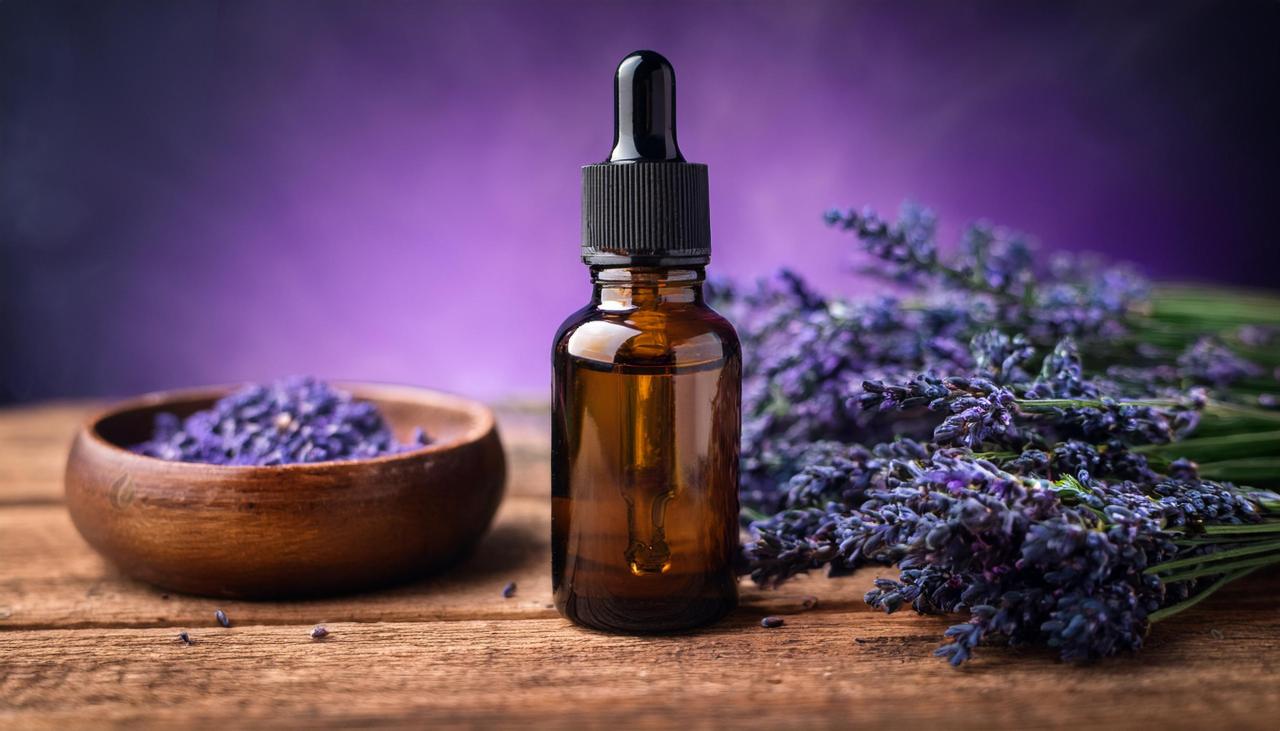
Essential oils offer a versatile approach to improving emotional wellbeing, allowing individuals to experience their benefits in various ways. By understanding these methods, you can find the best fit for your lifestyle and emotional needs. This section explores aromatherapy, topical application, and ingestion of essential oils, providing practical insights for effective use.
Aromatherapy
Aromatherapy utilizes the inhalation of essential oils to promote emotional health. This method can quickly influence mood and mental clarity. Here are some common ways to practice aromatherapy:
- Diffusing: Use an essential oil diffuser to disperse the aroma throughout a room. Add a few drops of your chosen oil, such as lavender for relaxation or citrus oils for upliftment, and enjoy the calming atmosphere.
- Inhalation: Place a couple of drops on a cotton ball or tissue, and inhale deeply. This method is effective for rapid relief of stress or anxiety.
- Bathing: Adding essential oils to bathwater provides both aromatherapy and a soothing experience. Mix a few drops with carrier oil or Epsom salts before adding to your bath.
Topical Application
Topical application allows essential oils to be absorbed through the skin, providing localized benefits. It’s important to use a carrier oil to dilute the essential oil. Here’s how to create a calming blend:
1. Choose your essential oils. Recommended options include lavender, chamomile, and bergamot for their calming properties.
2. Select a carrier oil such as jojoba, sweet almond, or coconut oil.
3. In a small glass bottle, mix 10-15 drops of essential oil with 1 ounce of carrier oil.
4. Shake well to combine, and perform a patch test on a small skin area to check for sensitivity.
Ingestion
Ingesting essential oils should be approached with caution and under professional guidance. Some oils can be safe to consume in small amounts, such as peppermint or lemon. It is crucial to ensure they are food-grade. Here are guidelines for safe ingestion:
- Consult a qualified professional: Always seek advice from healthcare providers familiar with essential oils.
- Use in moderation: Only a few drops are necessary for flavoring food or drinks.
- Quality matters: Ensure you are using high-quality essential oils that are specifically labeled for ingestion.
Safety Precautions and Best Practices
To maximize the benefits of essential oils while avoiding adverse effects, it’s vital to follow safety precautions. Consider these best practices:
- Patch tests: Always perform a patch test before applying essential oils topically to check for allergic reactions.
- Storage: Keep essential oils in a cool, dark place to maintain their potency and prevent oxidation.
- Child and pet safety: Ensure essential oils are stored out of reach of children and pets, as some oils can be toxic.
Using essential oils mindfully can greatly enhance emotional wellbeing and contribute to a more balanced state of mind.
The Role of Aromatherapy in Managing Stress and Anxiety
Aromatherapy, a practice that utilizes the natural scents of essential oils, plays a significant role in emotional healing, particularly in managing stress and anxiety. It draws from centuries of historical significance, with roots tracing back to ancient civilizations where aromatic plants were used for both their medicinal properties and their ability to promote emotional balance. Today, aromatherapy is embraced as a holistic approach, offering a natural alternative to conventional methods of anxiety relief.
The principles of aromatherapy revolve around the idea that certain scents can influence our emotions, mood, and overall well-being. Essential oils extracted from flowers, leaves, bark, and roots contain compounds that can evoke various physiological and psychological effects. The olfactory system, which processes scents, is directly linked to the limbic system, the part of the brain that regulates emotions. This deep connection explains why certain fragrances can help alleviate stress and promote relaxation.
Case Studies and Testimonials in Aromatherapy
Real-life experiences highlight the effectiveness of aromatherapy in stress management. Numerous case studies have documented individuals benefiting from the calming effects of essential oils. For instance, a study involving healthcare workers exposed to high-stress environments found that inhaling lavender essential oil significantly reduced anxiety levels and improved overall well-being. Participants reported feeling more relaxed and focused, showcasing how aromatherapy can serve as a practical tool in hectic situations.
Testimonials from practitioners add to the evidence supporting aromatherapy’s impact. One individual shared how incorporating chamomile oil into their nightly routine helped reduce racing thoughts and improve sleep quality, thereby mitigating daytime anxiety. Another case involved a college student who experienced heightened anxiety during exam periods. By using a blend of bergamot and frankincense oils in a diffuser, they noted a marked difference in their ability to study calmly and effectively. These personal accounts reflect the broader acceptance of aromatherapy as a viable method for managing stress and anxiety.
Creating an Aromatherapy Routine for Anxiety Relief
Establishing a tailored aromatherapy routine can effectively alleviate anxiety. This process begins with selecting essential oils known for their calming properties. Some of the most beneficial oils include:
- Lavender: Renowned for its soothing effects, lavender is often used to promote relaxation and reduce stress.
- Frankincense: With its grounding aroma, frankincense can help quiet the mind and ease anxiety.
- Bergamot: This citrus oil is effective in lifting mood and reducing feelings of stress.
- Chamomile: Known for its calming effects, chamomile is often used to aid sleep and reduce nervous tension.
To create a personalized routine, begin by choosing a time and space dedicated to your practice. You can incorporate aromatherapy into your daily life by following these steps:
1. Diffusion: Use an essential oil diffuser in your living space or workspace. Start with a few drops of your chosen oil, allowing the fragrance to fill the room and create a calming atmosphere.
2. Inhalation: Directly inhale essential oils for immediate relief. Place a drop of oil on your palms, rub them together, and take a few deep breaths. This method is particularly effective during moments of acute stress.
3. Topical Application: Dilute essential oils with a carrier oil and apply them to pulse points, such as wrists or temples. This method combines the scent with the soothing effects of gentle massage.
4. Bathing Rituals: Add a few drops of essential oil to your bathwater, creating a sanctuary for relaxation. The warm water combined with the aroma can significantly reduce tension.
Incorporating these practices into your daily routine can create a sanctuary where stress and anxiety have less power. Embracing aromatherapy is not merely a trend; it’s a return to nature’s healing wisdom.
The Synergistic Effects of Combining Essential Oils
The concept of synergy in essential oils refers to the phenomenon where the combined effect of multiple oils is greater than the sum of their individual effects. This is particularly relevant to emotional health, as certain essential oil blends can evoke more profound emotional responses, enhance mood, and provide deeper relaxation than single oils alone. Understanding how to effectively combine essential oils allows individuals to tailor their experiences to meet personal emotional needs.
When essential oils are mixed, their chemical constituents interact in ways that can amplify their therapeutic benefits. For example, combining floral oils like lavender with citrus oils like bergamot can create a calming yet uplifting blend. This interplay not only enhances the aroma but also synergistically boosts emotional well-being. Here are some popular essential oil blends and their intended emotional benefits:
Popular Essential Oil Blends and Emotional Benefits
Certain combinations have become favorites for their ability to address specific emotional challenges. The following blends illustrate how different oils can work together to promote emotional health:
- Stress Relief Blend: A mix of lavender, chamomile, and frankincense is known for its calming effects, helping to reduce anxiety and promote relaxation.
- Uplifting Blend: Combining sweet orange, lemon, and peppermint creates an energizing aroma that can elevate mood and boost positivity.
- Grounding Blend: A combination of cedarwood, vetiver, and patchouli is often used for its grounding properties, helping to instill feelings of balance and stability.
- Sleep Aid Blend: Lavender, ylang-ylang, and marjoram can be mixed to create a soothing scent that promotes restful sleep and relaxation before bedtime.
- Focus Blend: A blend of rosemary, basil, and grapefruit supports mental clarity and concentration, making it ideal for study or work environments.
Experimenting with different combinations can be an enjoyable journey towards discovering personal preferences. Here are some helpful guidelines for those looking to customize their essential oil blends:
Experimentation Guidelines for Essential Oil Combinations
Finding the right blend requires a bit of trial and error, but this process can also be a creative outlet. Consider the following steps when experimenting with essential oils:
- Start with a Base: Choose one or two essential oils that resonate with you emotionally. This serves as the foundation of your blend.
- Add Complementary Oils: Introduce additional oils that either enhance or balance the effects of your base oils. For example, pair a calming oil with a stimulating one to create a balanced blend.
- Testing Ratios: Experiment with different ratios of oils until you find a scent that feels right. Start with a small number of drops and adjust as necessary.
- Use a Diffuser: While experimenting, use a diffuser to disperse the oils into the air. This allows you to assess how the blend affects your mood and environment.
- Document Your Blends: Keep a journal of your combinations, the ratios used, and your emotional responses. This helps track what works best for you over time.
Through exploration and blending, individuals can craft their own unique essential oil combinations that cater specifically to their emotional well-being. The journey of discovering synergistic effects can lead to enhanced emotional resilience and a deeper connection to self-care.
Incorporating Essential Oils into Daily Life for Emotional Balance
Integrating essential oils into daily rituals can significantly enhance emotional wellbeing. By weaving these aromatic compounds into your routine, you can create a supportive environment that promotes mental clarity and emotional stability. This section will provide practical tips for utilizing essential oils effectively, alongside mindfulness practices that can further enrich your experience.
Practical Tips for Daily Integration
Establishing a consistent routine with essential oils can provide ongoing emotional support. Here are some effective ways to incorporate them into your life:
- Morning Rituals: Start your day with uplifting scents like citrus oils. Diffusing lemon or orange oil while you prepare breakfast can energize your mood and set a positive tone for the day.
- Mindful Breathing: Combine essential oils like lavender or chamomile with deep-breathing exercises. Inhale these oils directly from the bottle or use a personal inhaler during your mindfulness sessions to enhance relaxation.
- Workspace Diffusion: Use a diffuser at your workspace with oils such as peppermint or rosemary to boost focus and reduce stress throughout your workday.
- Evening Wind-Down: Incorporate calming oils like cedarwood or bergamot into your bedtime routine. A few drops in a warm bath or pillow spray can create a serene atmosphere conducive to restful sleep.
Complementing Essential Oils with Mindfulness Practices
Mindfulness practices can amplify the benefits of essential oils by fostering a deeper connection to your emotional state. Engaging the senses through aromatherapy while practicing mindfulness can enhance focus and tranquility.
- Meditation Sessions: Use grounding oils like frankincense or vetiver during meditation to help center your thoughts and deepen your practice.
- Yoga Practices: Incorporate essential oils into your yoga routine. Applying a diluted blend of calming oils on pulse points can create a soothing atmosphere that enhances relaxation and awareness.
- Gratitude Journaling: Pair essential oils with your journaling practice. The calming scent of sandalwood can help create a reflective space as you jot down your thoughts and feelings.
Developing a Personalized Emotional Wellbeing Plan
Creating a tailored emotional wellbeing plan using essential oils involves understanding your unique emotional needs and preferences. Here’s a framework to help you get started:
- Identify Emotional Triggers: Reflect on situations in your daily life that affect your mood. Recognizing these can guide you in selecting the most effective oils.
- Select Oils Based on Desired Effects: Choose essential oils that align with your emotional goals. For example, if anxiety is a concern, oils such as ylang-ylang or clary sage can be beneficial.
- Experiment with Blends: Create personal blends that resonate with you. Combining oils like sweet orange and patchouli can uplift your mood while providing grounding effects.
- Set Intentions: Each time you use essential oils, set a clear intention for your emotional state. This practice can reinforce positive changes and create a more meaningful ritual.
Myths and Misconceptions about Essential Oils and Emotional Healing
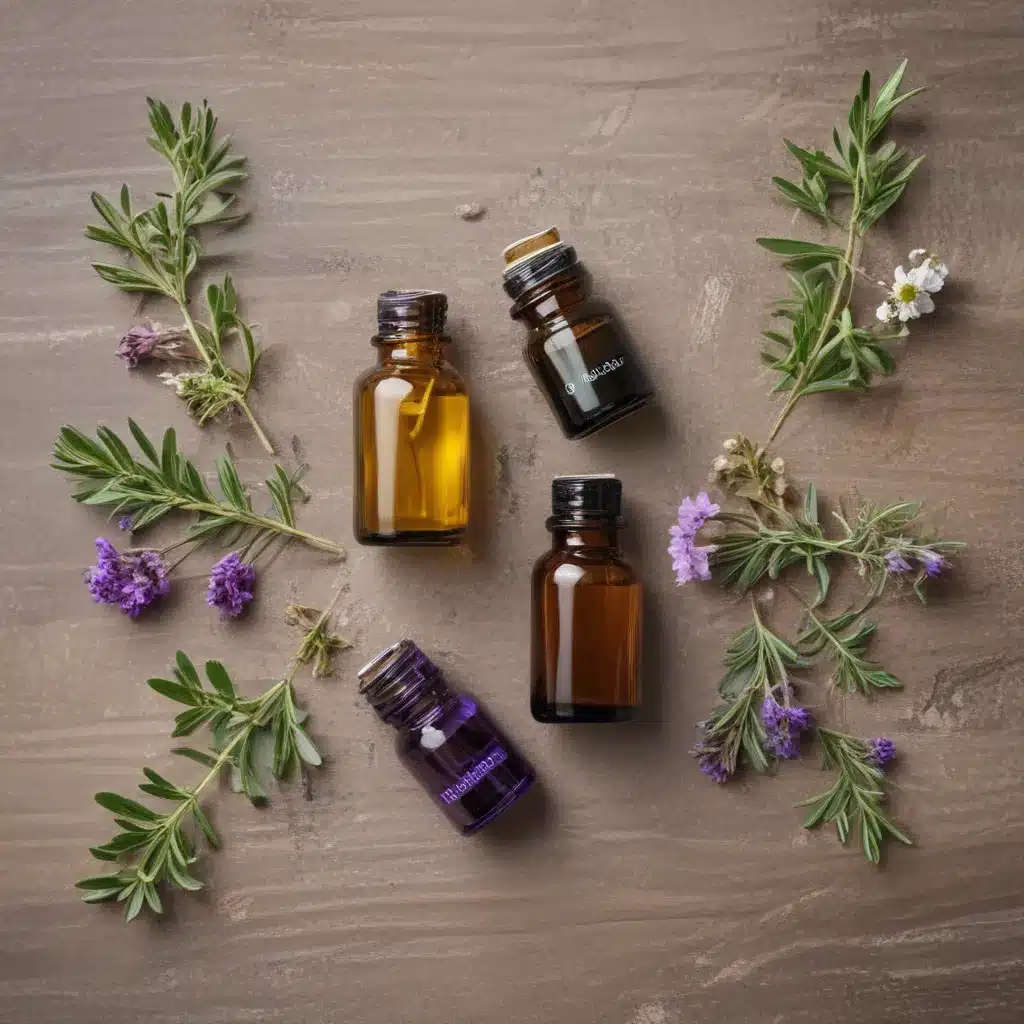
Many people turn to essential oils for emotional healing, believing in their ability to promote relaxation, reduce anxiety, and uplift mood. However, alongside their popularity, numerous myths and misconceptions persist. Understanding these myths is crucial for making informed decisions about their use for emotional wellbeing and recognizing the importance of a balanced, evidence-based approach.
One common myth is that essential oils can completely replace traditional medical treatments for mental health conditions. While essential oils can offer supportive benefits, they are not a substitute for professional care. It’s essential to view them as complementary tools rather than standalone solutions. Moreover, the effectiveness of essential oils largely depends on individual responses, and what works for one person may not work for another.
Common Myths about Essential Oils
Recognizing myths surrounding essential oils is essential for anyone considering their use for emotional healing. Here are some prevalent misconceptions:
- Essential oils are all-natural and therefore completely safe: While essential oils are derived from plants, they can still cause allergic reactions or interact negatively with medications.
- All essential oils can be used for any emotional issue: Each oil has unique properties, and specific oils are more effective for particular emotional states than others.
- More oil means more effectiveness: Using excessive amounts of essential oils can lead to adverse reactions, and proper dilution is necessary for safe use.
- Essential oils do not require expertise: Knowledge about proper usage, application methods, and contraindications is crucial to maximize benefits and minimize risks.
- Essential oils work instantly: While some individuals may experience immediate effects, the emotional benefits often require consistent use over time.
Importance of Evidence-Based Approaches
The effectiveness of essential oils for emotional wellbeing should not rely solely on anecdotal evidence. An evidence-based approach helps in validating claims and understanding the potential benefits and limitations. Research studies have shown varying degrees of effectiveness for different oils and their chemical constituents. For instance, lavender oil has been found in some studies to reduce anxiety levels and promote relaxation. In contrast, other oils might show limited evidence for similar claims.
Utilizing a scientific framework ensures that individuals make informed choices rooted in research rather than myths. This approach can also guide practitioners in integrating essential oils with other therapeutic modalities, leading to a more comprehensive care plan for emotional health.
Holistic Practices vs. Clinical Approaches
The distinction between holistic practices and clinical approaches in emotional health is significant. Holistic approaches consider the whole person—mind, body, and spirit—while clinical approaches often focus more on diagnosing and treating specific symptoms or disorders.
Holistic practices, including the use of essential oils, aim to balance emotional, physical, and spiritual health. They often involve techniques like aromatherapy, meditation, and mindfulness, which can enhance overall emotional wellbeing. On the other hand, clinical approaches may involve psychotherapy, medication, and other scientifically validated interventions that are administered by licensed professionals.
It’s essential for individuals seeking emotional healing to recognize the value of both approaches. While holistic practices can foster emotional resilience and well-being, clinical methods can provide necessary support for serious mental health challenges. Understanding these differences allows individuals to choose a balanced path that incorporates both holistic and clinical elements for their emotional health journey.
Future Trends in the Use of Essential Oils for Emotional Wellbeing
As the understanding of emotional health evolves, so too does the interest in essential oils and their therapeutic potential. This section delves into the emerging research, advancements, and cultural shifts that are shaping the future landscape of essential oils in emotional wellbeing. By examining these trends, we can better appreciate how essential oils will play a role in holistic health practices moving forward.
Emerging Research Areas in Essential Oils and Emotional Health
Recent studies have illuminated several promising research areas related to essential oils and emotional wellbeing. Current investigations focus on the biochemical mechanisms of how essential oils interact with the brain, particularly in regard to mood regulation and stress relief.
Researchers are exploring the use of essential oils in conjunction with traditional mental health treatments. For example, lavender oil has been studied for its potential to reduce anxiety when used alongside cognitive behavioral therapy (CBT). Similarly, citrus oils are being evaluated for their uplifting effects, which may enhance the efficacy of antidepressant medications.
Advancements in Essential Oil Formulations
The development of advanced essential oil formulations is on the rise, promising to improve therapeutic outcomes for emotional health. Innovations in delivery methods and formulation techniques, such as microencapsulation and nanotechnology, are being explored to enhance the absorption and efficacy of oil compounds.
For instance, new blends designed specifically for emotional support are being created with a focus on synergistic effects. These blends combine various oils to target specific emotional states, like stress relief or mood enhancement. The customization of essential oil therapies based on individual emotional profiles is also gaining traction, allowing for more personalized approaches to emotional wellbeing.
Cultural Shifts Influencing the Perception of Essential Oils
Cultural perceptions of essential oils are changing, driven by a growing emphasis on natural and holistic health solutions. The wellness movement, which promotes mental health awareness and self-care practices, has significantly influenced the popularity of essential oils.
As societies increasingly value mental wellbeing, essential oils are being integrated into various aspects of daily life, from aromatherapy in homes to their inclusion in workplace wellness programs. The rise of mindfulness and stress management practices that highlight the use of essential oils in meditation and yoga reflects this trend, encouraging individuals to explore natural remedies as part of their emotional health toolkit.
In addition, social media platforms have played a crucial role in shaping perceptions, allowing users to share personal experiences and testimonials related to the benefits of essential oils. As this cultural shift continues, the acceptance and utilization of essential oils for emotional wellbeing are expected to grow, paving the way for innovative practices and applications in the wellness industry.
Concluding Remarks
In conclusion, embracing Essential oils for emotional wellbeing opens the door to a world of natural support for our emotional health. By understanding their benefits, methods of use, and how to incorporate them into our lives, we can create a balanced and calming environment. As we navigate the complexities of emotional wellbeing, essential oils stand out as a powerful ally in promoting a harmonious state of mind.
Common Queries
What are essential oils?
Essential oils are concentrated plant extracts that capture the natural scent and flavor of their source, used for therapeutic or aromatic purposes.
Can essential oils be ingested?
Some essential oils can be ingested, but it’s crucial to consult with a healthcare professional before doing so to ensure safety.
How should essential oils be stored?
Essential oils should be stored in a cool, dark place away from direct sunlight to maintain their potency and longevity.
Are there any side effects to using essential oils?
While generally safe, some individuals may experience allergic reactions or skin sensitivities; always conduct a patch test before topical application.
How long does the scent of essential oils last?
The duration of the scent can vary based on the oil and method of application, typically lasting from a few hours to several days.