
 Penelope Hailey
Mood boosting essential oil recipes are gaining popularity as more people explore the natural ways to enhance their emotional well-being. These aromatic elixirs not only uplift our spirits but can also create a serene atmosphere, turning any space into a haven of tranquility. Imagine harnessing the power of nature to influence your mood, reduce stress, and promote relaxation—this is where essential oils come into play.
From the invigorating scent of citrus to the calming aroma of lavender, each essential oil has its unique properties that can significantly impact our mood and emotions. Research has shown that certain essential oils can trigger positive emotional responses, making them a valuable tool in our wellness toolbox. Whether you’re looking to create your own blends or learn about their applications, understanding the science and art of these oils can lead to a more joyful and balanced life.
The Benefits of Using Essential Oils for Mood Enhancement
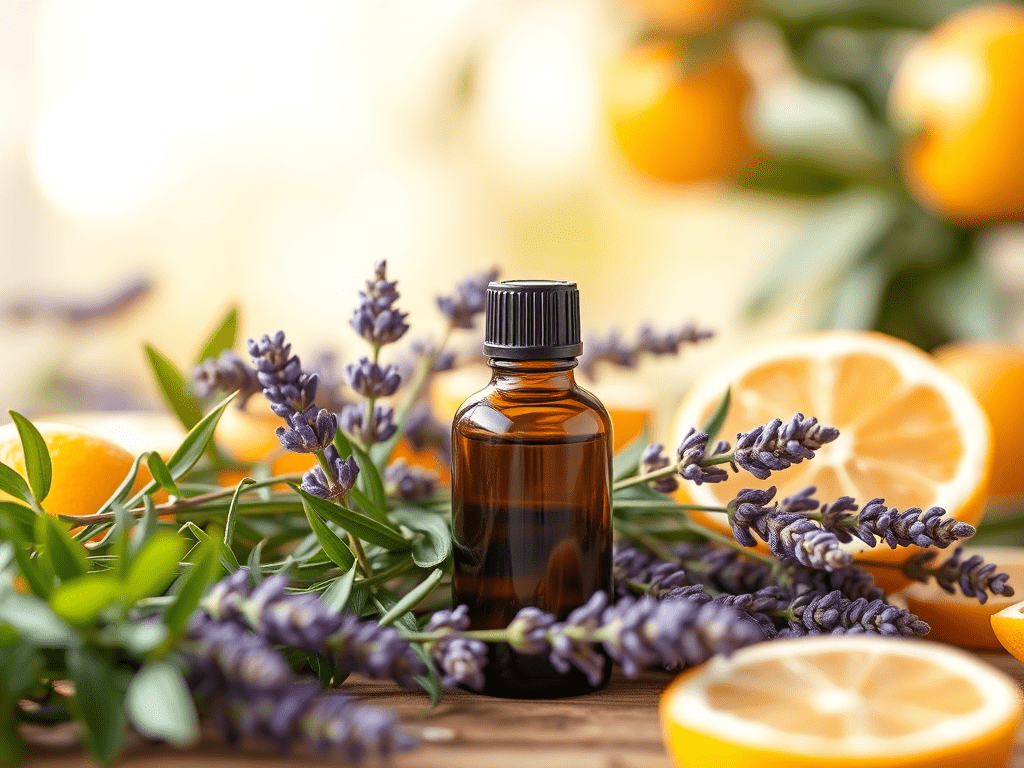
The use of essential oils as mood enhancers has gained significant popularity due to their psychological and physiological effects on emotions and overall well-being. These concentrated plant extracts have a unique ability to influence our mood by interacting with the brain’s limbic system, which is responsible for emotion, memory, and arousal. When inhaled or applied topically, essential oils can trigger emotional responses that promote feelings of relaxation, happiness, and calmness.
The psychological effects of essential oils can be profound, as they often evoke memories or feelings associated with specific scents. For instance, the aroma of lavender has been shown to induce relaxation, while citrus oils like lemon and orange can boost energy and elevate mood. Physiologically, these oils can influence the release of neurotransmitters such as serotonin and dopamine, which are crucial for regulating mood. Research indicates that the inhalation of essential oils can lower levels of the stress hormone cortisol, thereby reducing anxiety and enhancing feelings of well-being.
Specific Essential Oils and Their Mood-Boosting Properties
Various essential oils are known for their ability to promote happiness and relaxation. These oils can be beneficial in managing stress, anxiety, and even symptoms of depression. Below are several essential oils that have been scientifically validated for their mood-enhancing properties:
- Lavender: Renowned for its calming effects, studies have shown that lavender can significantly reduce anxiety and improve sleep quality. A study conducted by the University of Maryland found that inhaling lavender essential oil led to a 40% reduction in anxiety levels.
- Citrus Oils (e.g., Orange, Lemon): Citrus oils are linked to uplifting moods. Research published in the Journal of Alternative and Complementary Medicine found that participants who inhaled grapefruit essential oil reported enhanced feelings of happiness and reduced levels of stress.
- Peppermint: This invigorating oil can help improve concentration and reduce fatigue. A study from the University of Cincinnati found that peppermint essential oil inhalation led to improved cognitive performance and increased alertness.
- Ylang Ylang: Known for its floral scent, Ylang Ylang can help reduce blood pressure and induce feelings of relaxation. A study published in the Journal of Korean Medical Science indicated that Ylang Ylang oil had significant effects on lowering anxiety levels in participants.
Essential oils are more than just pleasant aromas; they are therapeutic agents that can play a vital role in enhancing mood and emotional health.
The scientific literature continues to support the effectiveness of essential oils in mood enhancement. Notable studies have demonstrated that the inhalation of essential oils can lead to measurable improvements in psychological states, confirming their value as natural mood boosters. Research findings highlight the importance of integrating these natural remedies into daily wellness routines to promote emotional balance and well-being.
Popular Essential Oils for Mood Boosting and Their Properties
Essential oils have long been revered for their ability to enhance mood and promote emotional well-being. These concentrated extracts, derived from various plants, carry unique scents and properties that can uplift spirits, reduce stress, and bring a sense of calm. Below, we explore some of the most popular essential oils known for their mood-boosting qualities, detailing their unique attributes and anecdotal evidence for their effectiveness.
Key Essential Oils for Mood Enhancement
The following essential oils are celebrated for their ability to positively influence mood. Each oil has its unique scent profile, origin, and method of extraction, making them distinct in their effects.
-
Lavender
Lavender essential oil is widely recognized for its calming properties. Extracted through steam distillation from the flowers of the Lavandula angustifolia plant, its sweet, floral scent promotes relaxation and reduces anxiety. Many users report a more restful sleep and decreased stress levels after using lavender oil in aromatherapy or in their nighttime routines. -
Sweet Orange
Sweet orange essential oil, derived from the peels of Citrus sinensis, carries a bright, citrusy aroma that invigorates the senses. Cold-pressed to retain its lively scent, sweet orange is often used to uplift mood and combat feelings of sadness or fatigue. Numerous testimonials highlight its refreshing qualities, making it a favorite for diffusing during work or study sessions for an energy boost. -
Peppermint
Peppermint essential oil, extracted from the leaves of Mentha piperita, is known for its sharp, minty scent that stimulates the mind. The oil is obtained through steam distillation, and its invigorating aroma is believed to enhance alertness and concentration. Users often share stories of increased focus and mental clarity after inhaling peppermint oil during tasks requiring heightened attention. -
Ylang Ylang
Ylang ylang essential oil comes from the flowers of the Cananga odorata tree and has a sweet, floral aroma that evokes a sense of joy and peace. The oil is extracted via steam distillation and is celebrated for its ability to reduce stress and promote feelings of happiness. Many individuals report enhanced mood and emotional balance when using ylang ylang in their daily rituals. -
Frankincense
Frankincense essential oil, derived from the resin of the Boswellia serrata tree, has a warm, earthy scent that is deeply grounding. Steam distillation is the preferred method for extracting this oil, known for its calming effects on the mind and spirit. Users have shared experiences of emotional healing and deeper meditation practices when incorporating frankincense into their routines.
Each of these essential oils offers unique characteristics that contribute to their mood-boosting properties. The anecdotal evidence provided by users highlights the impact these oils can have on emotional balance and overall well-being. Through their distinct scents and therapeutic qualities, these essential oils present an accessible option for enhancing one’s mood naturally.
Crafting Your Own Mood Boosting Essential Oil Blends
Creating your own essential oil blends can be a rewarding and therapeutic experience. By combining various essential oils that promote happiness and well-being, you can tailor your blends to suit your personal preferences and emotional needs. Whether you’re looking to uplift your spirit, calm your mind, or energize your day, there’s a blend just for you.
When designing your own mood-boosting blends, it’s essential to consider the properties of each oil. Different essential oils offer various benefits, and knowing how to mix them properly ensures not only safety but also effectiveness. Below are three unique blends that can help enhance your mood, along with detailed instructions for mixing them safely.
Uplifting Citrus Blend
This blend is perfect for those days when you need a little sunshine in your life. Citrus oils are known for their ability to uplift and energize.
Ingredients:
– 5 drops of Sweet Orange Essential Oil
– 3 drops of Lemon Essential Oil
– 2 drops of Grapefruit Essential Oil
– 10 ml of Carrier Oil (such as Jojoba or Sweet Almond Oil)
Mixing Instructions:
1. In a small glass bottle, combine the essential oils.
2. Add the carrier oil to the essential oils, ensuring all are mixed well.
3. Cap the bottle and shake gently to combine.
Relaxing Lavender and Chamomile Blend
This soothing blend is ideal for promoting relaxation and easing stress. Both lavender and chamomile are renowned for their calming effects.
Ingredients:
– 4 drops of Lavender Essential Oil
– 3 drops of Roman Chamomile Essential Oil
– 3 drops of Bergamot Essential Oil
– 10 ml of Carrier Oil (such as Coconut or Olive Oil)
Mixing Instructions:
1. In a dark glass bottle, add the lavender, chamomile, and bergamot oils.
2. Pour in your chosen carrier oil and cap the bottle.
3. Shake the bottle gently to mix the oils thoroughly.
Invigorating Mint and Spice Blend
This blend combines minty freshness with warm spices to invigorate your senses and boost mental clarity.
Ingredients:
– 4 drops of Peppermint Essential Oil
– 3 drops of Cinnamon Essential Oil
– 2 drops of Ginger Essential Oil
– 10 ml of Carrier Oil (such as Grapeseed or Sunflower Oil)
Mixing Instructions:
1. Combine the peppermint, cinnamon, and ginger essential oils in a small bottle.
2. Add the carrier oil and seal the bottle.
3. Shake it lightly to blend all the ingredients together.
Proper Dilution of Essential Oils
Diluting essential oils is crucial for safe application on the skin. Essential oils are highly concentrated and can cause irritation if used undiluted.
Follow these steps for safe dilution:
1. Choose your desired carrier oil (e.g., Jojoba, Sweet Almond, or Coconut oil).
2. For general use, a dilution ratio of 2-3% is recommended, which translates to about 10-15 drops of essential oil per 30 ml of carrier oil.
3. Mix the essential oils into the carrier oil in a glass container, shaking or stirring gently to ensure an even blend.
4. Perform a patch test on a small area of skin to check for any allergic reactions.
Always remember, when using essential oils, less is often more. Start with fewer drops and increase gradually as you become accustomed to their effects.
Methods of Using Essential Oils for Maximum Mood Benefits
Incorporating essential oils into your daily routine can significantly enhance your mood and overall well-being. There are various methods to use these oils, each offering unique advantages. Understanding these methods and their effects can help you choose the best approach to elevate your mood effectively.
Diffusion
Diffusing essential oils is one of the most popular methods for creating a pleasant atmosphere and boosting mood. A diffuser disperses the oil into the air, allowing for easy inhalation. This method is effective because it enables a broader distribution of the aroma, filling your space with mood-enhancing scents.
- Benefits: Diffusion can promote relaxation, reduce stress, and improve focus. Oils like lavender and citrus are particularly effective in creating a calming environment.
- Usage Tips: Use a diffuser in your living space or workspace. Try mixing different oils to create a personalized blend that resonates with your mood.
Topical Application
Topical application involves applying diluted essential oils directly onto the skin. This method allows for localized effects and can be particularly beneficial for enhancing mood through specific pressure points.
- Benefits: Topical use can provide quick relief from anxiety and promote feelings of happiness. Oils like peppermint or frankincense can invigorate the senses when applied to pulse points.
- Usage Tips: Always dilute oils with a carrier oil before applying. Massage blends into areas like the wrists or temples for an uplifting experience.
Inhalation
Direct inhalation of essential oils is a simple yet powerful method. This can be done by placing a few drops on a tissue or directly from the bottle.
- Benefits: Inhalation provides immediate access to the olfactory system, which can trigger rapid emotional responses. Oils such as bergamot and ylang-ylang can instantly uplift your spirits.
- Usage Tips: Keep a small bottle of your favorite uplifting oil in your bag for on-the-go mood boosts. Inhale deeply and take a few moments to enjoy the aroma.
Bathing
Adding essential oils to your bath is a luxurious way to unwind while enhancing your mood. The warm water helps to diffuse the oils into the air and onto your skin.
- Benefits: Bathing with essential oils promotes relaxation and can help soothe the mind after a long day. Oils like chamomile and sandalwood are excellent choices for a calming bath experience.
- Usage Tips: Add a few drops of oil to your bath water, combined with an emulsifier like milk or sea salt to help the oils disperse evenly. Take time to relax and breathe in the aroma.
To maximize the benefits of essential oils, consistency is key. Incorporate these methods into your daily routine, such as diffusing oils in the morning to start your day positively or enjoying a relaxing bath in the evening to unwind. Frequent use will help establish a routine that can enhance your mood over time.
Safety Precautions When Using Essential Oils for Mood Enhancement
Using essential oils can significantly enhance your mood and overall well-being; however, safety is paramount. Essential oils are potent substances that require careful handling to prevent adverse reactions, especially in individuals with sensitivities or pre-existing conditions. Understanding the risks and adhering to safety guidelines ensures a positive experience while leveraging the benefits of these aromatic compounds.
Essential oils can cause skin irritations, allergic reactions, or even respiratory issues if misused. Therefore, it’s crucial to be aware of each oil’s properties and the potential risks associated with their use. Following proper guidelines can help you enjoy the mood-enhancing qualities of essential oils without compromising your health.
Patch Testing and Oil Purity
Conducting patch tests is essential when using new essential oils, as this can help identify any allergic reactions or sensitivities prior to broader application. To perform a patch test, dilute a small amount of the essential oil with a carrier oil and apply it to a discreet area of skin, such as the inside of your wrist. Wait 24 hours to check for any adverse reactions, such as redness or irritation.
Understanding oil purity is equally important, as it affects both safety and efficacy. Always choose high-quality, pure essential oils from reputable brands. Look for oils that are labeled as 100% pure and free from synthetic additives, as impurities can lead to undesirable reactions or diminish the oil’s therapeutic properties.
Proper Storage Guidelines for Essential Oils
To maintain the efficacy and safety of essential oils, proper storage is crucial. Essential oils can degrade over time when exposed to light, heat, or air. Here are some key storage tips:
- Keep in Dark Glass Containers: Store essential oils in dark amber or cobalt glass bottles to protect them from UV light.
- Seal Tightly: Ensure the bottles are sealed tightly after each use to minimize air exposure.
- Store in a Cool, Dry Place: Avoid storing oils in areas with high temperatures or humidity, such as bathrooms or near stoves.
- Avoid Direct Sunlight: Keep essential oils in a cabinet or drawer away from direct sunlight to prevent degradation.
“Essential oils should be treated with respect and care to maximize their benefits while minimizing risks.”
The Role of Aromatherapy in Mood Improvement
Aromatherapy is a holistic healing practice that harnesses the natural therapeutic properties of essential oils to promote physical and emotional well-being. This ancient practice involves the use of various scents derived from plants to influence mood, alleviate stress, and enhance mental clarity. Essential oils are believed to interact with our olfactory system, which is closely linked to the emotional center of our brain, thus providing a direct pathway to mood enhancement.
Aromatherapy is grounded in the principles of the mind-body connection, acknowledging that our psychological state can affect our physical health and vice versa. By utilizing essential oils, aromatherapy seeks to establish balance and harmony within an individual. The techniques employed in aromatherapy not only enhance the sensory experience but also amplify the mood-boosting effects of the oils used.
Techniques Used in Aromatherapy Sessions
Understanding the various techniques used in aromatherapy can help in maximizing its benefits for mood enhancement. Here are some common methods that practitioners often employ:
- Inhalation: This is one of the simplest methods where essential oils are inhaled directly from the bottle or through a diffuser. The scents travel through the olfactory system, triggering emotional responses that can elevate mood and reduce anxiety.
- Topical Application: Diluted essential oils can be massaged into the skin, where they are absorbed into the bloodstream. This method not only offers the benefits of aromatherapy but also provides a soothing physical sensation that can further enhance mood.
- Bathing: Adding essential oils to a warm bath can create a calming atmosphere. The steam from the hot water helps disperse the scents, allowing for deep inhalation while benefiting from the soothing properties of the oils.
- Massage Therapy: Incorporating essential oils into massage therapy creates a dual effect of physical relaxation and emotional upliftment. The combination of touch and aroma can significantly enhance mood and reduce tension.
A personal experience can illustrate the profound impact of aromatherapy on mood. A friend of mine, who regularly faced stress due to work pressures, decided to try aromatherapy. After a session that included inhalation of lavender and bergamot oils, combined with a gentle massage using a blend of eucalyptus and chamomile, she reported feeling significantly calmer and more centered. This session not only alleviated her immediate stress but also contributed to a more positive perspective in her daily life. Such experiences highlight the effectiveness of aromatherapy as a valuable tool for mood improvement.
Seasonal Mood Changes and Essential Oil Support
The changing seasons can have a profound effect on our mood and emotional well-being. Many individuals experience fluctuations in energy levels and emotional states as the weather alters and days become longer or shorter. Essential oils serve as a natural remedy to help manage these seasonal mood changes, providing support for emotional balance throughout the year.
Seasonal mood changes can be attributed to varying factors including daylight exposure, temperature shifts, and even the impact of specific holidays. For example, winter often brings about feelings of sadness or lethargy, commonly referred to as the “winter blues.” In contrast, the arrival of spring can sometimes evoke anxiety due to the hustle and bustle of the season’s renewal. By selecting the right essential oil blends, individuals can effectively combat these mood-related issues.
Essential Oil Blends for Seasonal Mood Support
Creating tailored essential oil blends can significantly enhance emotional well-being during different seasons. Here are some examples of effective blends designed to address common mood-related challenges:
- Winter Blues Blend: A mix of sweet orange, pine, and cedarwood essential oils can uplift spirits and evoke the warmth of the holidays. This blend is particularly beneficial during the colder months when sunlight is scarce.
- Springtime Anxiety Blend: A combination of lavender, bergamot, and frankincense can provide a calming effect, helping to alleviate stress and promote relaxation amidst the chaotic energy of spring.
- Summer Energizer Blend: Citrus oils such as lemon, grapefruit, and peppermint can invigorate and energize, making them perfect for the vibrant energy of summer. These oils can help combat fatigue and promote a positive mindset.
- Autumn Comfort Blend: A warm blend of cinnamon, nutmeg, and vanilla can create a cozy atmosphere during the fall months, providing comfort and easing feelings of melancholy triggered by the transition of seasons.
The correct use of essential oils can transform a space and enhance mood, providing a natural alternative to support mental and emotional health. For optimal benefits, consider incorporating these oils into a diffuser, adding them to a warm bath, or mixing them with a carrier oil for topical application.
“Essential oils are nature’s way of helping us promote positivity and emotional stability throughout the seasonal shifts.”
Understanding the effects of each season on our mood allows for informed choices regarding essential oils. Creating a seasonal guide to essential oils tailored for emotional well-being can enhance our experiences in each unique season. By actively engaging with these natural remedies, individuals can foster resilience and enjoyment throughout the year.
Integrating Meditation and Essential Oils for Enhanced Mood
Combining meditation with essential oils creates a powerful synergy that amplifies emotional release and relaxation. This guide delves into how to incorporate mood-boosting essential oils into your meditation practice, elevating your emotional experience and fostering a deeper connection to yourself.
The aromatic benefits of essential oils enhance the calming effects of meditation, helping to ground your focus and elevate your emotional well-being. When you inhale essential oils, they stimulate the olfactory system, which is directly linked to the brain’s limbic system—an area responsible for emotions and memories. This connection allows for a richer emotional release during meditation, making it a perfect pairing for enhancing mood and promoting relaxation.
Step-by-Step Meditation Practice with Essential Oils
To effectively integrate essential oils into your meditation practice, follow this structured approach designed to deepen emotional connection and promote relaxation.
1. Select Your Essential Oils: Choose oils that promote mood enhancement, such as lavender for relaxation, bergamot for uplifting the spirit, or frankincense for grounding. Each oil has unique properties that can aid your meditation experience.
2. Prepare Your Space: Create a calming environment. Find a quiet space where you can sit or lie down comfortably. Dim the lights and eliminate distractions to foster a peaceful atmosphere.
3. Diffusion or Inhalation: You can use a diffuser to spread the aroma throughout your space. Alternatively, place a drop of your chosen essential oil in the palm of your hands, rub them together, and inhale deeply. This initial step is crucial as it sets the tone for your meditation.
4. Center Yourself: Begin with a few deep breaths to center your mind. Inhale slowly through your nose, hold for a moment, and then exhale through your mouth. Repeat this until you feel settled.
5. Guided Meditation or Silent Reflection: You may choose to follow a guided meditation that resonates with you or simply sit in silence. Focus on your breath and allow the aroma of the oils to envelop you. Visualize the positive effects of the scent on your mood and emotional state.
6. Emotional Release: As you meditate, allow any emotions to surface. The combination of meditation and essential oils helps facilitate this release. If you feel tension, acknowledge it and breathe into it, allowing the oils to support your emotional journey.
7. Closing the Practice: Gradually bring your awareness back to the present moment. Take a few deep breaths, open your eyes, and notice how you feel. You can journal your thoughts or emotions to reflect on your experience.
“The integration of essential oils into meditation is not just about pleasant aromas; it’s about creating a holistic experience that nurtures your emotional well-being.”
This step-by-step guide provides a framework for blending the art of meditation with the therapeutic benefits of essential oils, ensuring a transformative experience that enhances mood and emotional connection.
Epilogue
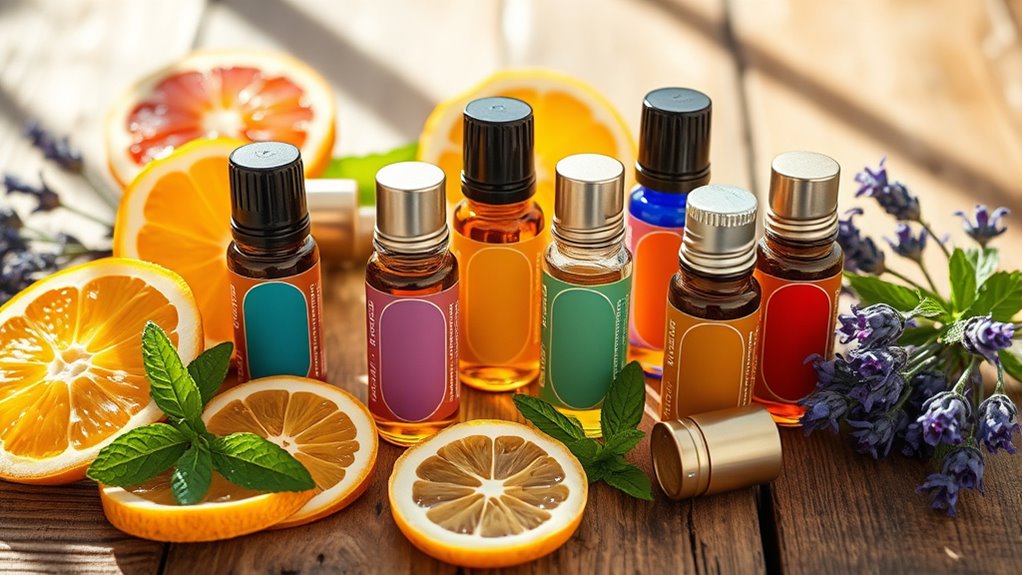
As we wrap up our exploration of mood boosting essential oil recipes, it becomes clear that these natural remedies offer a simple yet powerful way to enhance our emotional well-being. By understanding the benefits, experimenting with different blends, and incorporating aromatherapy into our daily routines, we can elevate our mood and promote a sense of peace. Embracing essential oils not only enriches our lives but can also provide a path to greater self-awareness and emotional clarity.
Question Bank
What are essential oils?
Essential oils are concentrated plant extracts that capture the natural aroma and beneficial properties of the plants they come from.
Can everyone use essential oils?
While most people can use essential oils safely, individuals with sensitivities or certain health conditions should consult a healthcare provider beforehand.
How can I safely dilute essential oils?
Essential oils should be diluted in carrier oils, such as coconut or jojoba oil, typically at a ratio of 2-3 drops of essential oil per 1 tablespoon of carrier oil.
Do essential oils have any side effects?
Some individuals may experience allergic reactions or skin sensitivity; it’s important to do a patch test before applying them topically.
How long do the effects of essential oils last?
The effects can vary depending on the method of use and individual response, but generally, the mood-enhancing effects can last from a few minutes to several hours.