
 Penelope Hailey
How to use mood oils opens up a fascinating journey into the realm of emotional wellness, inviting you to explore how these aromatic elixirs can enhance your daily life. Mood oils, crafted from various essential oils, are designed to influence your emotions positively and improve your overall sense of well-being.
From reducing stress and anxiety to uplifting your mood, understanding the benefits and applications of mood oils can transform your approach to emotional health. This guide will navigate you through their types, uses, and the science behind their effectiveness, making it easier for you to integrate them into your lifestyle.
Understanding Mood Oils and Their Benefits
Mood oils, also known as essential oils or aromatherapy oils, are derived from natural plant extracts. Their primary purpose is to enhance emotional well-being and promote relaxation. These oils contain unique compounds that can influence mood and mental states, making them popular in holistic health practices. By harnessing the power of scent, mood oils can create a calming or uplifting atmosphere, significantly impacting our emotional and psychological health.
The physiological and psychological effects of mood oils are fascinating. When inhaled or applied to the skin, the aromatic molecules in mood oils interact with the olfactory system, which is directly connected to the brain’s limbic system. This interaction triggers emotional responses and can alter brain chemistry, leading to various beneficial effects. For example, lavender oil is known for its calming properties, while citrus oils like lemon and orange can energize and uplift spirits. This multi-faceted approach to emotional health makes mood oils a valuable tool in managing stress, anxiety, and overall mental wellness.
Benefits of Using Mood Oils for Mental Health and Relaxation
The advantages of incorporating mood oils into daily routines are numerous. Understanding these benefits can help individuals make informed choices about their mental health practices. Here are some key benefits:
- Stress Reduction: Many mood oils, such as chamomile and bergamot, are effective in lowering stress levels. Their calming scents can create a soothing environment, helping to alleviate tension and anxiety.
- Improved Sleep Quality: Oils like lavender and cedarwood are widely recognized for promoting better sleep. Their relaxing properties can help individuals fall asleep faster and enjoy a deeper, more restorative sleep.
- Enhanced Focus and Concentration: Certain oils, such as peppermint and rosemary, can sharpen mental clarity and improve concentration. This makes them ideal for use during work or study sessions.
- Emotional Balance: Mood oils can assist in stabilizing emotions. For instance, ylang-ylang is known to help reduce feelings of sadness and promote emotional equilibrium.
- Overall Well-being: Regular use of mood oils can contribute to a greater sense of overall well-being. By incorporating these oils into daily rituals, individuals can foster a positive mindset and enhance their quality of life.
“The right scent can change your mood, enhance your focus, and promote relaxation, making mood oils a valuable addition to anyone’s wellness routine.”
Different Types of Mood Oils and Their Properties
Mood oils are essential oils specifically blended to influence emotions and mental states. They offer a natural way to enhance emotional well-being, promote relaxation, and uplift spirits. In this segment, we delve into some popular mood oils available in the market, their unique properties, and the specific emotional benefits they provide.
Varieties of Mood Oils and Their Emotional Benefits
Understanding the various types of mood oils can help individuals select the right oil that aligns with their emotional needs. Here are some notable mood oils, their properties, and the emotions they are believed to enhance:
- Lavender Oil: Renowned for its calming effects, lavender oil is often used to alleviate anxiety and promote restful sleep. It is ideal for those seeking relaxation and stress relief.
- Peppermint Oil: This invigorating oil is known for its ability to boost energy levels and enhance mental clarity. Peppermint oil is great for those needing a pick-me-up or focus during the day.
- Ylang Ylang Oil: With its sweet, floral scent, ylang ylang is believed to enhance feelings of joy and reduce stress. It’s a popular choice for uplifting mood and fostering emotional balance.
- Frankincense Oil: Known for deepening meditation practices, frankincense promotes a sense of peace and spiritual connection. It supports emotional healing and reduces feelings of stress.
- Orange Oil: The bright, citrus scent of orange oil is linked to happiness and positivity. It can help alleviate feelings of sadness and promote a cheerful atmosphere.
When selecting mood oils, it’s essential to consider your personal preferences and specific emotional needs. For example, if you are feeling overwhelmed or anxious, opting for calming oils like lavender or chamomile would be beneficial. Conversely, if you need an energy boost, oils such as peppermint or citrus blends would be more suitable.
“Choosing the right mood oil can be a personal journey; trust your instincts and preferences to guide your selection.”
In conclusion, the variety of mood oils available caters to different emotional states, allowing individuals to tailor their experiences according to their needs. Understanding these properties enables informed choices that enhance overall well-being and emotional health.
Methods of Using Mood Oils in Daily Life
Incorporating mood oils into your daily routine can enhance your overall well-being, providing emotional balance and relaxation. With various methods available, you can easily tailor their use to fit your lifestyle, whether at home, in the office, or while traveling. This guide will explore creative ways to utilize mood oils effectively to boost your mood and support your emotional health.
Incorporation of Mood Oils into Daily Routine
Integrating mood oils into your daily life can be simple and rewarding. Here are some methods to consider:
- Diffusing: Using an essential oil diffuser not only fills your space with delightful aromas but also helps purify the air. Add a few drops of your favorite mood oil to the diffuser to create a calming environment, perfect for meditation or relaxation.
- Inhalation: For a quick mood lift, place a few drops of mood oil on a cotton ball or your palms, then inhale deeply. This method is especially effective when you need a moment of clarity or stress relief during a busy day.
- Topical Application: Mix mood oils with a carrier oil (like coconut or jojoba) and apply to pulse points such as wrists, temples, or the back of the neck. This allows for easy access to the benefits throughout the day while keeping your skin nourished.
Creative Ideas for Using Mood Oils in Various Settings
Employing mood oils in different environments can be both practical and enjoyable. Here are some creative ideas tailored to specific settings:
- At Home: Create a designated relaxation space by using a diffuser filled with calming oils like lavender or chamomile. Incorporate mood oils into a warm bath for a soothing experience.
- In the Office: Keep a roller bottle of mood oil at your desk. A quick roll on the wrists can help reduce anxiety or boost focus during work hours. Consider citrus oils for a refreshing uplift or peppermint for clarity.
- During Travel: Pack essential oils in travel-sized containers. Use a personal aromatherapy inhaler for easy access on planes or in hotels. Oils like eucalyptus can help alleviate travel fatigue and congestion.
Practical Applications for Mood Oils
Understanding various practical applications can enhance the effectiveness of mood oils in your life. Here are some notable methods:
- Creating Mood-Specific Blends: Combine different oils to target specific emotional needs. For instance, blend citrus oils like orange or lemon with grounding oils like sandalwood for a balance of energy and calm.
- Using in Meditation or Yoga: Diffuse mood oils during meditation sessions to deepen your practice. Oils like frankincense can enhance spiritual connection, while lavender promotes relaxation.
- Incorporating in Self-Care Routines: Add a few drops of mood oils to your skincare routine for both aromatic and therapeutic benefits. Oils like tea tree can help with skin issues while providing a refreshing scent.
Safety Precautions and Best Practices for Mood Oil Use
Using mood oils can be a delightful way to enhance your emotional well-being, but safety should always be a top priority. Understanding how to use these oils responsibly ensures that you reap the benefits without risking adverse effects. By following specific guidelines, you can create a safe and enjoyable experience while exploring the world of aromatherapy.
Mood oils, like any other essential oils, can have side effects or cause allergic reactions in some individuals. It’s essential to be aware of the potential risks associated with various oils and how to mitigate them. For instance, oils like peppermint or eucalyptus can cause skin irritation if applied undiluted. Always conduct a patch test before widespread application to assess your sensitivity.
Safety Guidelines for Mood Oil Use
Adhering to a set of safety guidelines can help you enjoy the therapeutic benefits of mood oils while minimizing risks. Here are some essential points to consider:
- Always dilute essential oils with a carrier oil (like jojoba or coconut oil) before applying them to the skin to prevent irritation.
- Store mood oils in a cool, dark place to preserve their potency and prevent degradation.
- Keep oils out of reach of children and pets to avoid accidental ingestion or misuse.
- Avoid using mood oils near sensitive areas such as the eyes, ears, or mucous membranes.
Potential Side Effects and Allergic Reactions
Certain mood oils can trigger various side effects or allergic reactions. It’s vital to be informed about these potential issues to respond appropriately if they occur. Common side effects may include:
- Skin irritation, redness, or rash, especially with oils like cinnamon or clove.
- Headaches, which can occur from overuse or sensitivity to strong scents.
- Nausea or dizziness, particularly with oils like peppermint or rosemary when used in excess.
Best Practices for Safe and Effective Use of Mood Oils
Implementing best practices can enhance your experience with mood oils while ensuring safety. The following checklist serves as a guide to effective use:
- Always read labels and follow the manufacturer’s instructions for use.
- Consult with a healthcare professional if you are pregnant, nursing, or have underlying health conditions before using mood oils.
- Use mood oils in well-ventilated areas to prevent overwhelming scents and potential respiratory issues.
- Keep a journal of your mood oil usage to note any reactions or preferences over time.
“Safety is not just a priority; it is a practice that ensures a more fulfilling experience with mood oils.”
Crafting Personalized Mood Oil Blends
Creating personalized mood oil blends can be an enjoyable and therapeutic process, allowing individuals to address their unique emotional needs. By selecting the right essential oils and carrier oils, one can craft blends that uplift, calm, or energize, depending on the desired outcome. This guide will walk you through the essentials of creating custom mood oil blends that suit your personal preferences and emotional states.
The process of crafting your own mood oil blends involves understanding the properties of different essential oils, as well as how they can work together to enhance emotional well-being. Essential oils are concentrated plant extracts, each with unique therapeutic benefits. To create effective blends, it is crucial to combine oils that complement each other and promote specific emotional states.
Choosing Essential Oils for Emotional Outcomes
When selecting essential oils, consider their emotional properties and how they can influence your mood. Here is a concise overview of popular essential oils and their effects:
- Lavender: Known for its calming properties, helps reduce anxiety and promotes relaxation.
- Peppermint: Energizing and invigorating, excellent for boosting focus and alertness.
- Ylang Ylang: Balances emotions, often used to enhance feelings of joy and love.
- Frankincense: Grounding and centering, aids in meditation and stress relief.
- Rose: Promotes emotional healing, often associated with love and compassion.
Understanding these properties allows you to mix and match oils to create a blend that aligns with your emotional goals.
Combining Oils for Desired Effects
To achieve a well-balanced blend, it is essential to accurately combine different oils. Here’s a simple formula to guide you:
Use a ratio of 3:1:1 for top, middle, and base notes in your blend.
– Top Notes: These oils provide the initial scent and evaporate quickly. Examples include citrus oils like lemon and bergamot.
– Middle Notes: These oils provide the body of the blend and last longer. Lavender and rosemary are great examples.
– Base Notes: These oils ground the blend and have the longest-lasting aroma. Consider using sandalwood or patchouli.
A typical blend could consist of 3 drops of a top note, 1 drop of a middle note, and 1 drop of a base note. Adjust the number of drops according to your preference.
Selecting Carrier Oils
Carrier oils play an essential role in enhancing the effectiveness of your mood oil blends. They dilute essential oils, making them safe for skin application while also providing additional benefits. Here are some popular choices for carrier oils:
- Jojoba Oil: Mimics the skin’s natural oils, suitable for all skin types.
- Sweet Almond Oil: Rich in vitamins and good for moisturizing the skin.
- Coconut Oil: Known for its moisturizing properties, offers a pleasant fragrance.
- Grapeseed Oil: Lightweight and ideal for oily skin types, absorbs quickly.
When crafting your blend, a typical dilution ratio is 2-3% essential oils to carrier oils. This means for every 1 ounce (30 ml) of carrier oil, use about 12-18 drops of essential oils. This ensures the blend is safe for topical application while maximizing the benefits of both the essential and carrier oils.
Exploring the Historical and Cultural Significance of Mood Oils
Mood oils, derived from various plants and herbs, have been used for centuries across different cultures for their therapeutic and emotional benefits. Their historical significance is deeply intertwined with ancient practices and beliefs, showcasing how they were utilized in ritualistic ceremonies, healing practices, and daily life enhancements. This exploration of mood oils helps us appreciate not only their aromatic qualities but also the rich cultural narratives that surround their use.
The origins of mood oils can be traced back to ancient civilizations, where they were often associated with medicinal and spiritual practices. In cultures such as those of ancient Egypt, Greece, and India, oils derived from flowers, herbs, and spices were used not only for their fragrance but also for their believed healing properties. These societies recognized the psychological effects that scents can have on emotions, leading to the widespread adoption of mood oils in various forms.
Traditional Practices and Modern Adaptations
Understanding the traditional practices in different cultures provides insight into how mood oils were perceived historically. Many cultures have their unique methods of extraction and application, which have been adapted over time. Below are some notable examples of how mood oils have evolved:
- Egyptian Practices: Ancient Egyptians used oils for embalming, religious rituals, and personal adornment. The use of oils such as frankincense and myrrh was prevalent, and these oils are still revered today for their fragrant and calming effects.
- Indian Ayurveda: In Ayurveda, mood oils are blended with specific herbs to balance the doshas (body energies). These practices have seen a resurgence in modern wellness, with aromatherapy sessions incorporating traditional oils like sandalwood and jasmine.
- European Aromatherapy: The development of aromatherapy in the 20th century drew on the historical uses of essential oils. Today, many people use blends inspired by traditional formulations, focusing on relaxation and mood enhancement.
- Indigenous Cultures: Various indigenous groups around the world have used mood oils in their rituals and healing practices. Modern interest in these approaches has led to a revival of traditional knowledge and practices related to mood oils.
Cultural beliefs have significantly influenced the perception and use of mood oils today. In many cultures, specific scents are associated with emotional states or spiritual practices. For instance, lavender is often linked to relaxation and peace, while citrus-based oils are thought to uplift the spirit. The connection between scent and emotion is often deeply rooted in cultural narratives and personal experiences, shaping how oils are used in contemporary wellness practices.
“The aroma of a mood oil can evoke memories and emotions, linking us to our cultural heritage and personal experiences.”
Modern adaptations of mood oils also include the commercialization of essential oils, where the focus is on their therapeutic benefits. This shift reflects a growing interest in holistic well-being, encouraging individuals to explore the historical roots of these oils while embracing contemporary practices. As society continues to seek natural alternatives for stress relief and emotional balance, the historical significance of mood oils remains relevant, bridging the past with the present in the quest for wellness.
Integrating Mood Oils into Mindfulness and Relaxation Practices
Integrating mood oils into mindfulness and relaxation practices can greatly enhance the effectiveness of these activities. By using mood oils intentionally, individuals can create a more immersive and calming environment, which is conducive to relaxation and mental clarity. This segment will explore how to effectively incorporate mood oils into meditation, breathing exercises, and yoga routines.
Using Mood Oils During Meditation and Mindfulness Activities
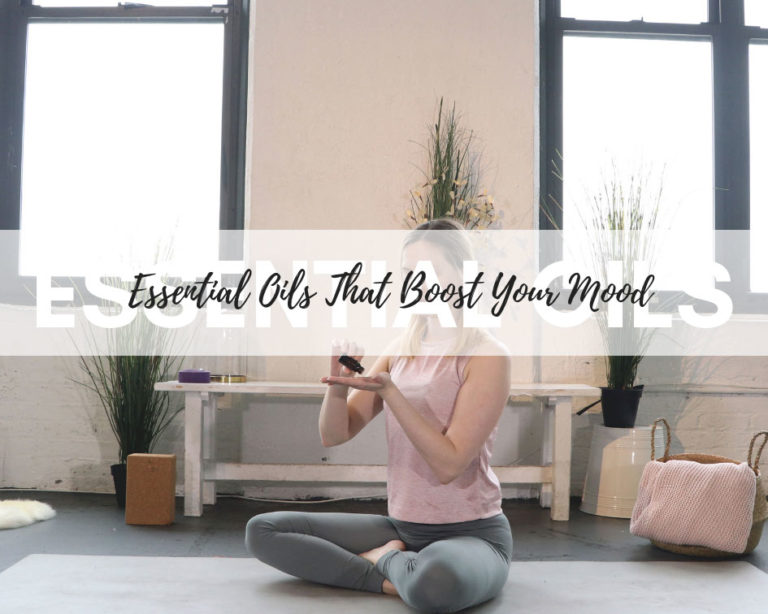
Incorporating mood oils into meditation and mindfulness can elevate the experience, supporting deeper relaxation and focus. When selecting a mood oil, consider your intention for the practice; for example, lavender may promote relaxation while citrus scents can stimulate energy. Start by applying a few drops of the chosen oil to your palms, rub them together, and then bring your hands to your face. Inhale deeply, allowing the aroma to fill your senses before you begin your session.
During meditation, maintain a serene atmosphere by diffusing mood oils in your space. This can create a calming backdrop that aids concentration. Choose oils based on your meditation focus; grounding oils like cedarwood can help when seeking stability, while uplifting oils such as peppermint can boost alertness.
Pairing Mood Oils with Breathing Exercises and Yoga
Breathing exercises paired with mood oils can significantly enhance relaxation and reduce stress. Begin by selecting an oil that aligns with your breathing practice. For instance, eucalyptus can open the airways and promote deeper breaths. Before starting, anoint your pulse points with a small amount of the oil, allowing your body to absorb its benefits.
When practicing yoga, the integration of mood oils can deepen the connection between mind and body. For instance, during calming stretches, consider using chamomile for its soothing properties. As you move into a pose, take a moment to inhale the oil deeply and focus on your breath. This practice can not only help in calming the mind but also in enhancing the overall yoga experience.
Structured Relaxation Routine with Mood Oils
Establishing a structured relaxation routine that incorporates mood oils can have transformative effects on your overall well-being. Here’s a simple routine to follow:
1. Preparation: Choose a calming environment free from distractions. Gather your preferred mood oils, a diffuser, or a small bowl of hot water for inhalation.
2. Anointing: Apply mood oils to pulse points on your wrists, temples, and neck. This method promotes a continuous release of the aroma.
3. Breathing Exercise: Begin with deep breathing. Inhale slowly through your nose, allowing the scent of the oils to fill your lungs. Exhale gently through your mouth, releasing tension.
4. Guided Meditation: Use a guided meditation or calming music while continuing to breathe deeply. Focus on your breath and the sensations in your body, allowing the mood oils to enhance your mindfulness.
5. Gentle Stretching: After meditation, engage in gentle stretching or yoga poses. Allow the oils to support your movements, enhancing relaxation and awareness.
Following this structured routine regularly can help foster a state of tranquility, improving mental clarity and emotional balance.
“Incorporating mood oils into mindfulness practices transforms the ordinary into the extraordinary, fostering a deeper connection to the self.”
Future Trends in the Use of Mood Oils
As the wellness industry continues to evolve, the use of mood oils is becoming increasingly prominent in addressing mental and emotional health. With an emphasis on holistic practices, mood oils are emerging as essential tools for enhancing emotional stability and overall well-being. This segment delves into the future trends in the mood oil industry, highlighting innovations and advancements that are shaping how these oils are used and understood in modern wellness practices.
Emerging Trends and Innovations
The mood oil industry is witnessing a surge in innovative formulations and applications, driven by consumer demand for natural solutions to mental health challenges. One notable trend is the integration of technology in mood oil use, such as smart diffusers that adjust the aroma based on real-time biometric feedback. This personalized approach enhances the effectiveness of mood oils by tailoring experiences to individual needs.
Additionally, the rise of plant-based and sustainable practices is influencing the sourcing and production of mood oils. Brands are increasingly focusing on ethically harvested ingredients, which not only support environmental sustainability but also appeal to conscious consumers. This shift is leading to the creation of blends that combine traditional aromatherapy with modern scientific insights, resulting in products that offer both emotional and physiological benefits.
Aromatherapy and Mood Oils in Modern Wellness Practices
Aromatherapy, rooted in the use of essential oils for therapeutic purposes, remains a pivotal aspect of holistic health approaches. Mood oils, as a subset of aromatherapy, are gaining traction in various wellness practices, including yoga, meditation, and stress management programs. Their role in these practices is significant, as they help create an ambient environment conducive to relaxation and mental clarity.
The growing popularity of wellness retreats and mindfulness workshops has further increased the demand for mood oils. In these settings, participants often engage in guided sessions that incorporate mood oils, enhancing their emotional experiences. The effectiveness of mood oils in reducing anxiety and promoting emotional balance is backed by anecdotal evidence and emerging research, solidifying their position in contemporary wellness routines.
Potential Future Research Areas
The evolving landscape of mood oils opens new avenues for research, particularly concerning their impact on emotional health. Studies focusing on the specific components of mood oils and their effects on neurochemistry could yield valuable insights into how certain scents influence mood regulation. For instance, research could explore the relationship between specific essential oils and the release of neurotransmitters like serotonin and dopamine.
Moreover, investigating the potential of mood oils in clinical settings could provide evidence for their integration into mental health treatment plans. Clinical trials assessing the efficacy of mood oils in reducing symptoms of anxiety, depression, and stress could enhance their acceptance in professional healthcare environments.
Innovation in delivery methods, such as transdermal patches or ingestible options, could also be a focus area. These advancements could enable more precise dosing and prolonged effects, making mood oils a versatile option for emotional support.
“The potential for mood oils in enhancing emotional health is vast and remains largely untapped, presenting opportunities for future exploration and innovation.”
Closing Notes
In summary, incorporating mood oils into your daily routine not only promotes relaxation and emotional balance but also enriches your overall wellness experience. As you explore the diverse applications and benefits of these oils, you’ll find that they can become a key element in your journey towards mental clarity and emotional stability.
Questions Often Asked
Can mood oils be used by everyone?
Most people can use mood oils, but it’s essential to consider individual allergies and sensitivities. Always do a patch test before using a new oil.
How long do the effects of mood oils last?
The effects of mood oils can vary but typically last from several minutes to a few hours, depending on the method of use and individual factors.
Are mood oils safe to use during pregnancy?
Some mood oils may not be safe during pregnancy, so it’s crucial to consult a healthcare professional before using them.
Can I mix different mood oils?
Yes! Mixing different mood oils can enhance their benefits, but it’s important to know which oils complement each other well.
How should I store mood oils?
Mood oils should be stored in a cool, dark place and kept tightly sealed to maintain their potency and extend shelf life.