
 Penelope Hailey
Best essential oils for mood invite you to explore the fascinating relationship between scent and emotional well-being. Essential oils have long been cherished not just for their aromatic qualities, but also for their potent ability to influence mood and enhance overall emotional balance. Scientific studies reveal how specific fragrances can trigger responses in our brain, enhancing feelings of happiness, calmness, or even energy. However, it’s essential to remember that individual reactions can vary, making it an exciting journey of self-discovery as you find the scents that resonate with you the most.
As we dive deeper into the world of essential oils, you’ll discover the top oils renowned for boosting mood, methods for effective use, and tips for integrating them into your daily life. Whether you’re a seasoned aromatherapy enthusiast or a curious newcomer, this guide will equip you with the knowledge to elevate your emotional wellness through the power of scent.
Understanding the Impact of Essential Oils on Mood
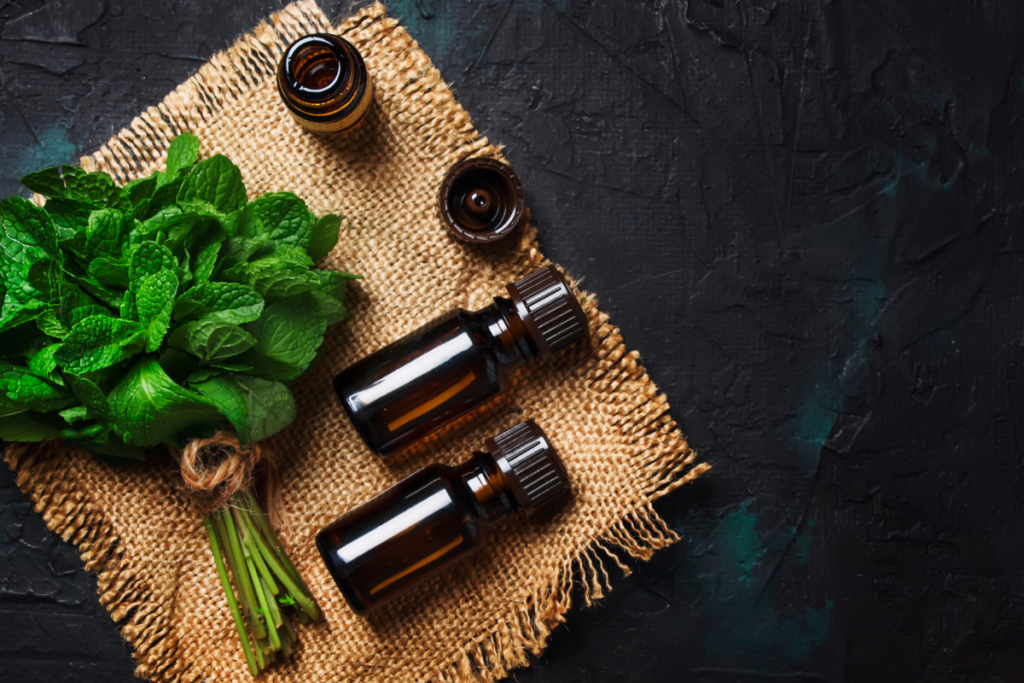
Essential oils have garnered significant attention in recent years for their potential to enhance mood and emotional well-being. These potent extracts, derived from various plants, have been used for centuries in different cultures for their therapeutic properties. The aromatic compounds in essential oils are believed to interact with the brain’s limbic system, the region responsible for emotions, thereby influencing how we feel and respond in various situations.
Scientific studies have shown that scent plays a crucial role in mood regulation. For instance, research indicates that certain essential oils can trigger the release of neurotransmitters, such as serotonin and dopamine, which are vital for maintaining a positive emotional state. A study published in the Journal of Alternative and Complementary Medicine found that inhaling lavender oil significantly reduced anxiety levels and improved mood among participants. Similarly, citrus oils, like orange and lemon, have been linked to increased alertness and a sense of joy, making them popular choices for uplifting the spirit.
The Individual Response to Essential Oils
It is essential to recognize that individual responses to essential oils can vary widely. Factors such as personal preferences, past experiences, and even genetic predispositions can influence how a person reacts to specific scents. Some essential oils may evoke memories or emotions that can either enhance or detract from one’s mood. For example, while many people find the scent of jasmine to be calming, others may associate it with negative memories, resulting in an adverse effect.
To understand this further, consider the following points regarding individual responses:
- Personal Associations: Scents can trigger memories linked to personal experiences, affecting how individuals respond emotionally to different oils.
- Biological Factors: Genetic differences in olfactory receptors may lead to variations in how scents are perceived and processed by the brain.
- Cultural Influences: Cultural background can shape scent preferences and emotional responses, altering the efficacy of essential oils for mood enhancement.
In summary, while essential oils have the potential to influence mood positively, the subjective nature of scent perception means that individual experiences will vary. Recognizing this variability is crucial for effectively utilizing essential oils as a tool for emotional well-being.
The Top Essential Oils for Enhancing Mood
Essential oils have gained popularity for their potential to positively impact mental well-being and enhance mood. By harnessing the natural properties of various plants, these oils can promote feelings of happiness, relaxation, and emotional balance. Below, we explore some of the most effective essential oils recognized for their mood-enhancing benefits, providing insights into their unique properties and optimal usage methods.
Comparative Analysis of Mood-Enhancing Essential Oils
Understanding the different essential oils and their specific benefits can help you choose the right one for your mood-enhancement needs. Here is a comparative overview of four highly regarded essential oils:
| Essential Oil | Benefits | Best Methods for Use |
|---|---|---|
| Lavender |
|
Add a few drops to a diffuser, mix with a carrier oil for massage, or sprinkle on pillowcases for improved sleep quality. |
| Sweet Orange |
|
Diffuse in the air, use in DIY cleaning products, or apply topically when diluted with a carrier oil. |
| Peppermint |
|
Inhale directly from the bottle, diffuse for a refreshing atmosphere, or apply topically on pulse points (diluted). |
| Bergamot |
|
Use in a diffuser, add to bathwater, or apply diluted on the skin to boost emotional well-being. |
How to Use Essential Oils for Mood Improvement
Essential oils have gained popularity for their ability to positively influence mood and emotional wellbeing. By incorporating these aromatic oils into daily routines, individuals can enhance their mental clarity, relieve stress, and uplift their spirits. Learning how to use essential oils effectively is essential for maximizing their benefits, as different techniques can yield varying results in mood enhancement.
Diffusion
Diffusing essential oils is one of the most popular methods for creating a pleasant atmosphere and uplifting mood. A diffuser disperses tiny particles of essential oils into the air, allowing for easy inhalation. This method not only fills the room with beautiful scents but also promotes a calming or invigorating ambiance depending on the oils used. Commonly diffused oils for mood enhancement include lavender for relaxation, citrus oils like lemon and orange for energy, and peppermint for mental clarity.
To create a soothing blend for stress relief, combine the following oils in a diffuser:
- 3 drops of lavender oil
- 2 drops of bergamot oil
- 1 drop of chamomile oil
This combination can help alleviate anxiety and foster a tranquil environment.
Topical Application
Topical application involves applying diluted essential oils directly to the skin, allowing for targeted effects and absorption. Essential oils should always be diluted with a carrier oil, such as jojoba or coconut oil, to avoid irritation. This method is ideal for those looking to quickly relieve tension or boost mood during the day. Popular oils for topical use include frankincense for grounding, ylang-ylang for emotional balance, and grapefruit for an uplifting effect.
For a personalized mood-enhancing roll-on, mix the following:
- 10 ml of carrier oil (like sweet almond oil)
- 5 drops of ylang-ylang
- 5 drops of grapefruit
- 3 drops of lavender
Apply this blend to pulse points like wrists and neck as needed for a quick mood boost.
Inhalation
Inhalation is a simple yet effective way to experience the immediate benefits of essential oils. This can be done by placing a few drops of oil on a tissue or in the palms of your hands, then taking deep breaths. Inhalation can be particularly beneficial during stressful moments or when you need a quick pick-me-up. Oils such as eucalyptus can clear the mind while cedarwood promotes a sense of calm.
One effective inhalation technique includes creating a personal scent inhaler using cotton wicks and small containers. For an energizing blend, consider using:
- 2 drops of rosemary oil
- 2 drops of peppermint oil
- 1 drop of lemon oil
This blend can help boost alertness and concentration when inhaled, especially during work or study sessions.
Incorporating essential oils into daily routines can significantly enhance emotional wellbeing, offering a natural way to manage mood and stress levels.
Creating personalized mixtures by blending essential oils can lead to unique scents tailored to individual preferences and needs. Experimenting with different combinations allows for discovery of what works best for your mood and emotional state. The key is to ensure that the oils harmonize well together, often blending grounding oils with uplifting ones or calming scents with refreshing ones for a balanced effect. Enjoy the journey of exploring the vast world of essential oils and their potential to enrich your life.
The Role of Aromatherapy in Mood Enhancement
Aromatherapy has gained immense popularity as a holistic practice that utilizes essential oils to uplift mood and foster emotional well-being. By tapping into the power of scent, aromatherapy aims to balance emotions and enhance overall mental health. This approach not only focuses on the physical benefits of essential oils but also emphasizes the profound impact that aromatic compounds can have on the mind and spirit.
Aromatherapy operates on the principles of olfactory stimulation, where the sense of smell plays a crucial role in influencing emotions. Essential oils are derived from plants, each possessing unique aromatic profiles that can evoke specific feelings and responses. For instance, the invigorating scent of peppermint is known to energize, while the calming aroma of lavender can promote relaxation. When inhaled, these scents interact with the olfactory receptors, sending signals to the brain’s limbic system—the emotional center—thereby triggering a range of emotional responses.
Historical Context and Cultural Significance
The practice of using essential oils for emotional therapy has deep roots in various cultures around the world. Ancient civilizations, including the Egyptians and Greeks, utilized aromatic plants and oils not only for their medicinal properties but also for ritualistic and spiritual purposes. Aromatherapy was often linked to healing practices, where scents were believed to cleanse the spirit and foster tranquility. For example, in ancient Egypt, frankincense and myrrh were staples in religious ceremonies, symbolizing purification and connection to the divine.
Throughout history, the knowledge of essential oils and their effects on mood has been passed down through generations. In traditional Chinese medicine and Ayurveda, specific blends of oils were crafted to harmonize the body’s energy and emotional state, demonstrating the longstanding recognition of scent’s influence on well-being. This historical context underscores a cultural appreciation for the art of aromatherapy as a means to enhance emotional balance and promote holistic wellness.
Setting Up an Aromatherapy Session for Optimal Mood Benefits
Creating an effective aromatherapy session involves careful consideration of the environment and the selection of essential oils. Here are some practical tips to maximize the mood-enhancing effects of aromatherapy:
1. Choose the Right Essential Oils: Select oils that resonate with your mood goals. For relaxation, consider lavender or chamomile, while citrus oils like orange or lemon can uplift and energize.
2. Create a Comfortable Space: Arrange a quiet and comfortable area where you can unwind. Dim the lights and remove distractions to create a peaceful atmosphere.
3. Use a Diffuser: An essential oil diffuser disperses the aroma evenly throughout the space. Fill it with water and a few drops of your chosen oil to enjoy a constant infusion of scent.
4. Incorporate Other Relaxation Techniques: Enhance the aromatherapy experience by incorporating deep breathing exercises, meditation, or gentle stretches. This synergy can deepen the emotional impact of the essential oils.
5. Experiment with Blends: Feel free to mix essential oils to create a personalized blend that suits your mood needs. For instance, combine eucalyptus for clarity with bergamot for emotional uplift.
6. Set an Intention: Before starting your session, take a moment to set an intention or reflect on the emotional state you wish to achieve. This mindfulness can amplify the session’s effectiveness.
By following these tips, you can harness the power of aromatherapy to create an enriching experience that enhances your mood and promotes emotional well-being.
Safety Considerations When Using Essential Oils
When it comes to enhancing your mood with essential oils, safety is paramount. While these oils offer wonderful benefits, improper use can lead to adverse effects. It’s crucial to be informed about safety guidelines and precautions to ensure a positive experience.
Using essential oils requires a thoughtful approach to prevent potential risks. They are highly concentrated substances, and as such, can cause allergic reactions or skin sensitivities in some individuals. The following details Artikel the necessary precautions to take when using or blending essential oils.
Potential Allergic Reactions and Skin Sensitivities
Essential oils can provoke allergic reactions or skin irritations, especially when used undiluted. Common reactions include redness, itching, or rashes, which may occur depending on a person’s unique sensitivities. Some oils, like cinnamon or clove, are known to be more irritating, making skin patch tests essential before widespread use.
To mitigate risks, it’s advisable to perform a patch test by diluting a small amount of essential oil with a carrier oil and applying it to a discreet area of skin. Observing how your skin reacts over 24 hours will help assess any sensitivities.
Precautions When Blending or Using Essential Oils
Taking precautions when using essential oils is vital for safety. Below are important considerations to keep in mind:
- Always dilute essential oils: Use a carrier oil like coconut or jojoba oil to dilute before applying to the skin.
- Conduct a patch test: Test new oils on a small skin area to check for reactions before full application.
- Avoid contact with eyes: Essential oils can be very potent and may cause irritation if they come into contact with eyes.
- Use caution with sensitive populations: Pregnant women, children, and individuals with certain health conditions should consult healthcare professionals before use.
- Store oils properly: Keep essential oils in a cool, dark place, away from heat and sunlight, to preserve their integrity.
- Know your oils: Research the specific properties and potential side effects of each essential oil you plan to use.
“Safety first: the best way to enjoy the benefits of essential oils is to use them wisely and with care.”
Personal Experiences and Testimonials on Mood Enhancement
Essential oils have become increasingly popular as natural solutions for enhancing mood, with many individuals sharing their personal stories about the positive impact these aromatic substances have had on their emotional well-being. From uplifting citrus scents to calming floral aromas, the variety of essential oils available allows users to find the perfect match for their unique needs. This section explores compelling personal experiences that highlight the diverse ways essential oils can influence mood and encourage a greater sense of emotional balance.
The subjective nature of mood enhancement means that each person’s experience with essential oils can be quite different. What works for one individual may not resonate in the same way for another, underscoring the importance of personal exploration and experimentation with these fragrant oils. The following are some remarkable testimonials from individuals who have found success in using essential oils for mood improvement.
Compelling Testimonials
Many users report transformative experiences when incorporating essential oils into their daily routines. Here are a few notable examples:
- Lisa’s Journey with Lavender: Lisa struggled with anxiety for years, often feeling overwhelmed and restless. After discovering lavender essential oil, she began diffusing it in her living space. Within weeks, she noticed a significant shift in her mood and anxiety levels, describing it as “a calming embrace that helped me breathe easier and feel more centered.”
- John’s Citrus Boost: John was looking for a natural way to combat his mid-afternoon energy slump at work. He started using sweet orange essential oil in a roller blend, applying it to his wrists before meetings. He reported feeling more energized and uplifted, stating, “The refreshing scent brought a smile to my face and made the day feel brighter.”
- Maria’s Emotional Support: After facing a challenging time in her life, Maria turned to a blend of bergamot and frankincense essential oils. She would apply them during her meditation sessions, and shared that “the soothing aroma helped me process my emotions and find clarity.” This ritual became a crucial part of her self-care routine.
These experiences illustrate the profound impact essential oils can have on mood enhancement. Each individual’s narrative emphasizes how distinct scents can evoke various emotional responses, demonstrating the personal nature of this journey.
Encouraging readers to reflect on their own experiences with essential oils or related practices can deepen their understanding of the positive effects these natural elements may have. Whether through journaling, meditation, or simply enjoying the scents, the exploration of essential oils can lead to a greater sense of self-awareness and emotional well-being.
Integrating Essential Oils with Other Mood-Boosting Practices
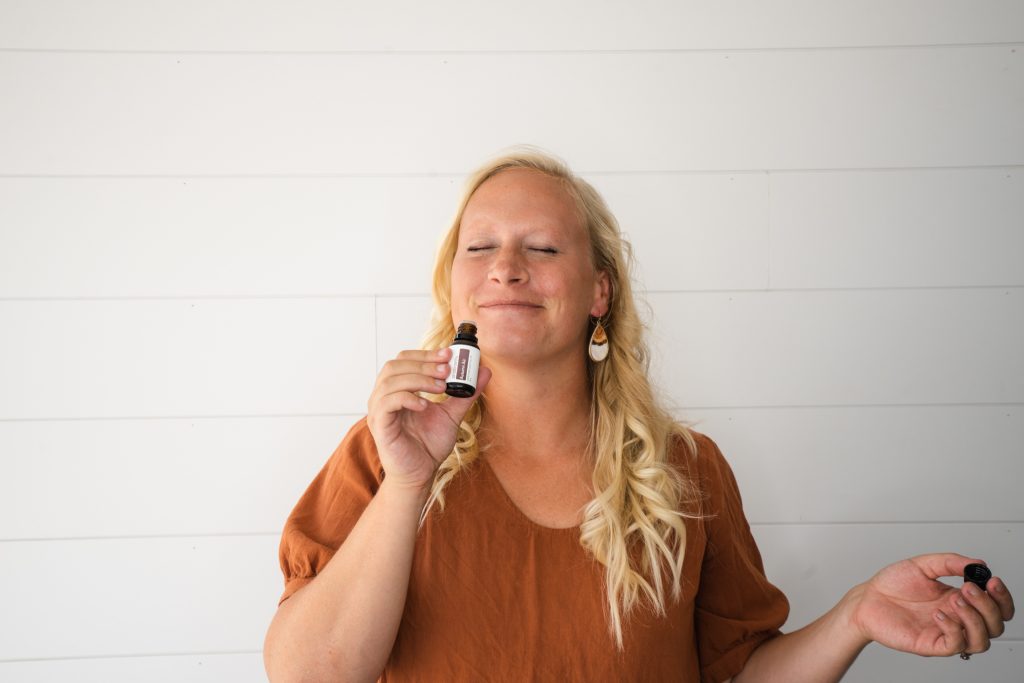
Incorporating essential oils into your daily routine can significantly enhance your mood, especially when combined with other mood-boosting practices. By blending the aromatic qualities of essential oils with techniques like meditation and yoga, you can create a more profound and enriching experience for your mental well-being. The synergy of these practices not only uplifts the spirit but also cultivates a deeper sense of mindfulness and tranquility.
Combining essential oils with mindfulness techniques can lead to heightened emotional benefits. The inhalation of particular scents can trigger responses in the brain that promote relaxation and reduce stress. When fused with mindfulness practices, essential oils can amplify the effects, helping to anchor your mind and body during your sessions. Here are key methods to integrate them effectively:
Creating a Holistic Mood-Boosting Routine
Establishing a holistic routine involves considering various elements that can contribute to your emotional wellness. Below are structured steps to help you create an effective combination of essential oils with other practices:
1. Select Your Essential Oils: Choose oils based on your desired mood enhancement. For example, lavender promotes calmness, while citrus oils like bergamot uplift the spirits.
2. Incorporate Meditation: Use essential oils during meditation to deepen your practice. Apply a few drops to your palms, rub them together, and inhale deeply before starting your session. This sets a tranquil tone and can enhance focus.
3. Enhance Your Yoga Practice: Diffusing essential oils during yoga can create a serene environment. Consider using oils like sandalwood for grounding or peppermint for invigorating your routine.
4. Set Intentions: As you engage in mindfulness practices, set specific intentions that align with the properties of the chosen essential oils. This can create a more focused and purposeful experience.
5. Create a Ritual: Design a ritual that combines these elements; for instance, start your day with a morning meditation using uplifting oils, followed by a soothing yoga session infused with calming scents.
6. Journaling and Reflection: After your session, take a moment to journal your feelings and experiences. This reflection can help reinforce the positive impacts of the essential oils and mindfulness practices.
7. Be Consistent: Establish a regular practice to experience the full benefits over time. Consistency enhances the effects of both essential oils and mindfulness techniques, creating lasting mood improvements.
“Combining the physical benefits of yoga and the aromatic influence of essential oils creates a comprehensive approach to emotional wellness.”
By integrating essential oils with these practices, you not only enhance your mood but also cultivate a holistic approach to mental and emotional well-being.
Conclusion
In conclusion, exploring the Best essential oils for mood not only opens up a realm of sensory experiences but also presents an opportunity to enhance your emotional health. By understanding how different oils affect your mood, employing various application methods, and aligning them with other wellness practices, you can create a personalized approach to emotional balance. Embrace the journey of finding what works best for you and enjoy the uplifting benefits that essential oils can bring to your everyday life.
Popular Questions
What are essential oils?
Essential oils are concentrated plant extracts that capture the natural aroma and beneficial properties of plants, often used for therapeutic purposes.
How do essential oils affect mood?
The scent of essential oils can stimulate brain regions linked to emotion, influencing feelings such as happiness or relaxation.
Can I use essential oils if I’m pregnant?
It’s best to consult with a healthcare professional before using essential oils during pregnancy to ensure safety.
How do I choose the right essential oil for my mood?
Consider your personal preferences and desired emotional outcomes; experimenting with different oils can help you find what resonates best with you.
How long do the effects of essential oils last?
The effects can vary, but typically, the mood-enhancing benefits can last from a few minutes to several hours, depending on the method of use.