 Penelope Hailey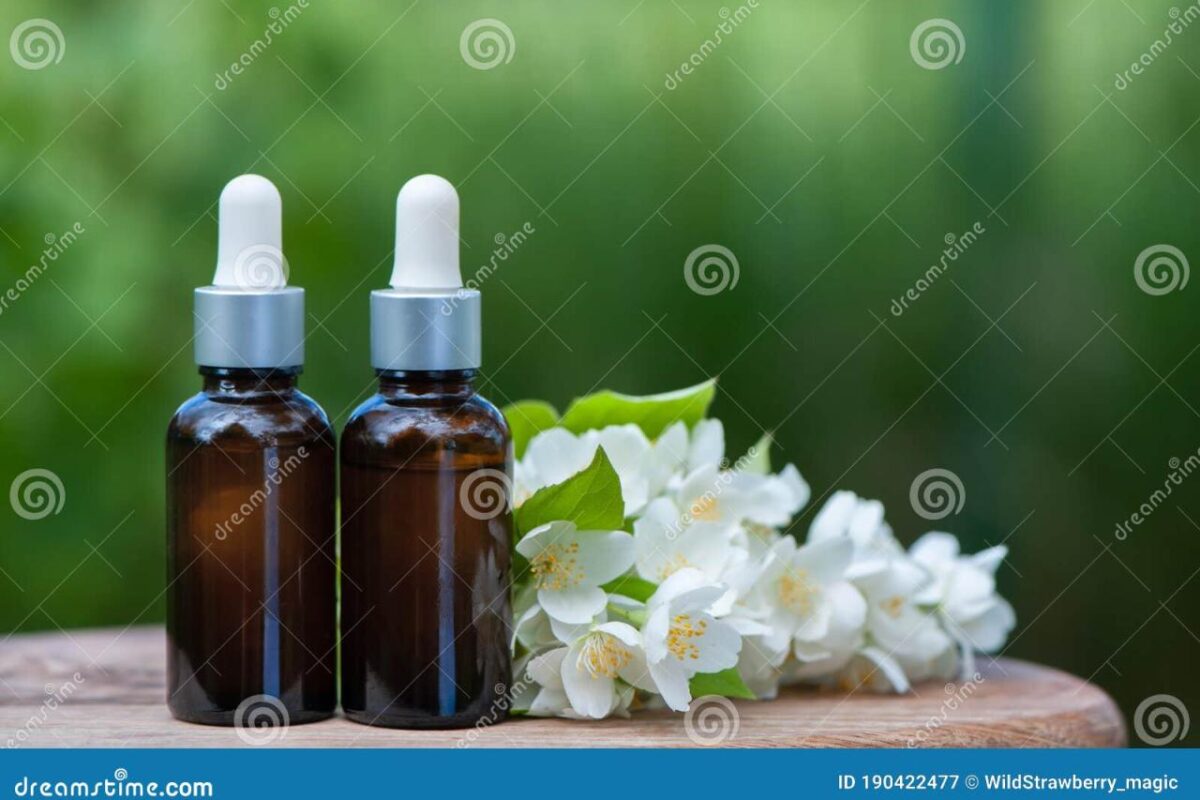
Jasmine essential oil is not just a fragrant delight; it carries a rich tapestry of history and therapeutic benefits that have captivated cultures for centuries. Known for its sweet, floral aroma, this oil has been cherished in various ancient civilizations, from India to Persia, for its profound role in rituals and healing practices. As we delve into the world of jasmine essential oil, we uncover its traditional harvesting methods, historical significance, and the countless ways it can enhance our emotional well-being.
From its therapeutic properties that uplift moods to its diverse applications in aromatherapy, jasmine essential oil stands out as a powerful ally in promoting mental and emotional health. Its unique extraction process and cultural symbolism further enrich our understanding of this beloved oil, making it a fascinating subject worth exploring.
The Historical Significance of Jasmine Essential Oil
Jasmine essential oil has a rich history that spans centuries and cultures, revered not only for its enchanting fragrance but also for its therapeutic properties. The use of jasmine can be traced back to ancient civilizations, where it played a vital role in rituals, medicine, and daily life. Its significance in these cultures showcases the deep connection between nature and human practices.
The process of harvesting and extracting jasmine oil has been carefully refined over the centuries. Traditionally, jasmine flowers are hand-picked in the early morning when their aroma is most potent. This delicate process requires a significant amount of flowers to produce a small quantity of essential oil, often resulting in a labor-intensive extraction method known as solvent extraction or steam distillation. The fragrant essence captured in this oil has long been associated with various benefits, including relaxation and mood enhancement.
Ancient Texts and References to Jasmine
Throughout history, jasmine has been mentioned in various ancient texts, highlighting its esteemed status among flowers. The following examples illustrate its significance:
-
“The Perfumed Garden,” a 15th-century Arabic erotic text, contains references to jasmine, noting its seductive fragrance and use in love potions.
-
The ancient Greeks revered jasmine, associating it with the goddess Aphrodite, exemplified in texts that describe its use in sacred rituals and celebrations.
-
Ayurvedic texts from India document jasmine’s therapeutic properties, recommending it for its calming effects on the mind and body.
The historical context of jasmine essential oil speaks volumes about its versatility and enduring appeal. Its use in ancient cultures not only reflects its aromatic allure but also emphasizes its place in the social and medicinal practices of the time. As these traditions evolved, jasmine remained a beloved component of fragrance and wellness, illustrating its timeless significance.
The Therapeutic Properties of Jasmine Essential Oil
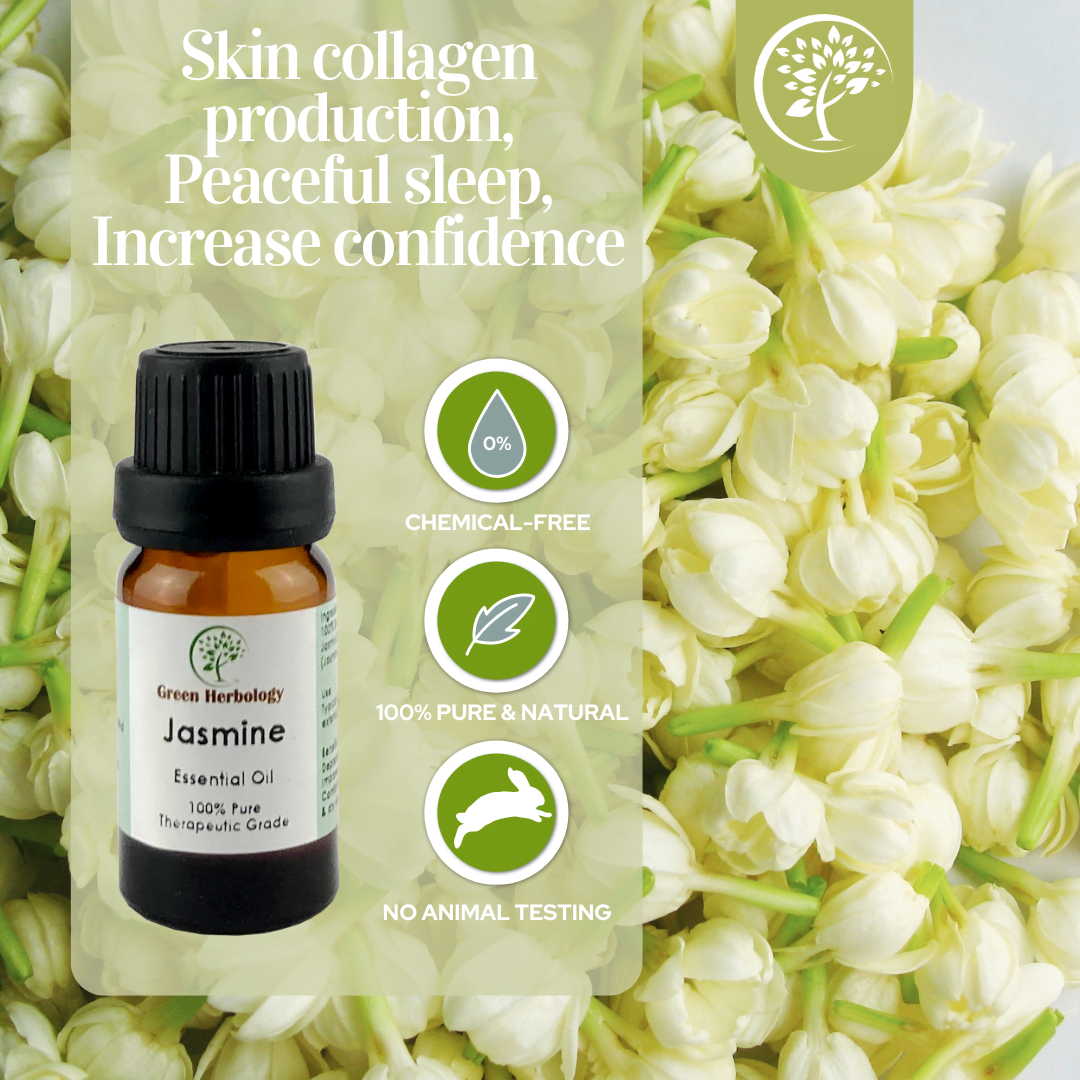
Jasmine essential oil is renowned for its enchanting aroma and its array of therapeutic properties. Extracted from the delicate petals of the jasmine flower, this oil contains a complex mixture of chemical components that contribute significantly to its various health benefits. The most notable constituents include benzyl acetate, linalool, and indole, among others. Each of these compounds plays a specific role in influencing both physical health and emotional well-being.
The therapeutic effects of jasmine essential oil extend far beyond its sweet fragrance. The unique chemical makeup of jasmine oil impacts mood regulation and emotional health positively. For instance, the presence of linalool has been shown to possess calming properties, reducing stress and anxiety levels. A study published in the Journal of Clinical Psychology found that participants who inhaled jasmine oil reported decreased anxiety and increased feelings of relaxation. Furthermore, benzyl acetate is known to promote feelings of happiness and social well-being, acting as a natural antidepressant.
The soothing nature of jasmine essential oil has been linked to a balance in neurotransmitters, which can enhance mood and lower symptoms of depression. Regular use of jasmine oil can lead to a sense of emotional upliftment and improved overall mental health. The oil’s aromatic profile can evoke nostalgia and comfort, which often results in decreased feelings of sadness or despair. Additionally, jasmine essential oil may support sleep quality; when diffused in the bedroom, its calming aroma can help create a serene environment conducive to restful sleep.
Chemical Components and Health Benefits
The chemical components of jasmine essential oil contribute significantly to its wide-ranging health benefits, supported by various scientific studies. The following list highlights some important components and their associated therapeutic effects:
- Benzyl Acetate: Known for its sedative properties, this compound enhances mood and reduces anxiety.
- Linalool: Exhibits anti-anxiety effects and promotes relaxation, making it ideal for alleviating stress.
- Indole: Contributes to the oil’s antidepressant qualities and helps in overcoming feelings of despair.
- Phenyl Ethyl Alcohol: Enhances feelings of happiness and emotional stability, proving beneficial for mental health.
Scientific studies have demonstrated these health benefits, emphasizing jasmine essential oil’s potential role in holistic health. For instance, research in the field of aromatherapy has shown jasmine’s effectiveness in managing symptoms of depression, enhancing mood, and providing a sense of calm during stressful times.
In summary, the therapeutic properties of jasmine essential oil can significantly affect emotional well-being and promote a positive mood. The interplay of its chemical constituents not only makes it a delightful fragrance but also a powerful ally in achieving mental and emotional balance.
Various Applications of Jasmine Essential Oil in Aromatherapy
Jasmine essential oil is renowned for its captivating fragrance and therapeutic benefits, making it a popular choice in aromatherapy. Its sweet, exotic aroma can uplift the mood, alleviate stress, and promote relaxation. By understanding the various applications of jasmine essential oil, individuals can enhance their wellness routines and create soothing environments.
The versatility of jasmine essential oil allows for diverse methods of application, including diffusion and topical use. Each method offers unique benefits that cater to individual preferences and needs, providing options for enhancing emotional well-being and physical health.
Methods of Diffusion and Topical Application
Incorporating jasmine essential oil into daily routines can be achieved through several methods. Here are the primary applications:
- Diffusion: This method involves using an essential oil diffuser, which disperses the oil into the air, creating a calming atmosphere. Adding a few drops of jasmine oil to a diffuser can enhance mood and promote relaxation, especially in stressful environments.
- Topical Application: Jasmine essential oil can be diluted with a carrier oil and applied directly to the skin. Common areas for application include pulse points, such as wrists and behind the ears, where the scent can be experienced throughout the day. This method is particularly useful for those looking to alleviate anxiety and improve skin conditions.
- Bath Soaks: Adding jasmine oil to a warm bath can create a luxurious, aromatic experience. The soothing properties of jasmine can help to relax muscles and calm the mind, making it an excellent choice for end-of-day rituals.
- Massage Oils: Mixing jasmine essential oil with a carrier oil for use during massages can enhance relaxation and provide a sensual experience. This is especially beneficial in couples’ massages, adding an intimate element to the practice.
Jasmine’s rich floral scent not only uplifts the spirit but also offers therapeutic benefits that enhance emotional and physical well-being.
Personal experiences with jasmine essential oil in aromatherapy highlight its effectiveness. Many users report that diffusing jasmine in their homes during meditation or yoga significantly improves focus and tranquility. Others have shared that using jasmine-infused massage oils has deepened their sense of connection during partner massages, fostering intimacy and relaxation. Testimonials frequently emphasize the oil’s ability to alleviate feelings of anxiety and stress, creating a serene environment that brings comfort in daily life. As a result, jasmine essential oil has become a staple in many wellness routines, proving its worth in the realm of aromatherapy.
Safety Precautions When Using Jasmine Essential Oil
Using jasmine essential oil can be an enriching experience due to its numerous benefits, but safety should always come first. While jasmine is cherished for its sweet fragrance and therapeutic properties, it’s essential to be aware of potential safety concerns that may arise during its use. This section highlights common issues, guidelines for safe use, and tips for conducting patch tests to ensure a safe experience.
Common Safety Concerns
When incorporating jasmine essential oil into your routine, it is vital to recognize specific safety concerns. Skin sensitivity and allergic reactions can occur, particularly among individuals with sensitive skin or pre-existing allergies. Some may experience irritation, redness, or rashes following direct application.
To mitigate these risks, always consider the potential for sensitivity. For individuals with known allergies to plants in the same family as jasmine, such as olive or lilac, the risk of allergic reactions may be higher.
Being informed about your skin type and any allergies is crucial when using essential oils.
Importance of Dilution and Proper Usage Guidelines
Proper dilution of jasmine essential oil is critical to prevent adverse reactions. Essential oils are highly concentrated and can cause irritation if used undiluted. A general guideline is to dilute jasmine oil with a carrier oil, such as coconut or jojoba oil, before applying it to the skin. A common ratio is 2-3 drops of essential oil per tablespoon of carrier oil.
Additionally, it is essential to follow the recommended guidelines for usage. Avoid contact with sensitive areas, such as the eyes and mucous membranes. Pregnant or nursing women and individuals with specific health conditions should consult a healthcare provider before using jasmine essential oil.
Dilution is key to safely enjoying the benefits of essential oils.
Conducting a Patch Test
Before applying jasmine essential oil more broadly, performing a patch test is an excellent practice to determine how your skin will respond to the oil. This simple test can help identify potential allergic reactions or sensitivities.
To conduct a patch test, follow these steps:
- Choose a small area of skin, such as the inside of the wrist or the inner elbow.
- Mix one drop of jasmine essential oil with a carrier oil in a 1:1 ratio.
- Apply a small amount of the diluted mixture to the selected area.
- Cover the area with a bandage and wait for 24 hours to observe any reactions.
If any irritation, redness, or discomfort occurs, it is best to avoid using the oil. This precaution helps ensure a safe and pleasant experience with jasmine essential oil.
Always prioritize skin safety by conducting patch tests before full application.
Cultural Significance and Symbolism of Jasmine
Jasmine, with its delicate blooms and enchanting fragrance, has held profound cultural significance across various societies throughout history. It is often associated with love, purity, and sensuality, making it a symbol in numerous traditions and practices. This deep-rooted symbolism reflects the diverse ways jasmine is integrated into rituals, ceremonies, and healing practices, showcasing its multifaceted nature across different cultures.
Jasmine is more than just a beautiful flower; it carries deep-rooted meanings in various traditions and is often present in significant life events. Its role in rituals and festivals highlights its importance in celebrating love, spirituality, and community. For instance, jasmine is prominently featured in weddings, where its sweet scent is believed to enhance romantic feelings. In addition, the flower is often used in religious ceremonies, symbolizing purity and devotion.
Jasmine in Rituals and Festivals
The integration of jasmine into various rituals and festivals showcases its importance in cultural narratives. Here are several examples that illustrate this significance:
- Indian Weddings: Jasmine garlands are commonly used in Indian wedding ceremonies. The flower’s fragrance is said to attract positive energy, enhancing the romantic ambiance.
- Ramadan Celebrations: In many Middle Eastern cultures, jasmine is used to decorate homes during Ramadan. Its presence signifies the joy and spirituality of the holy month.
- Hindu Festivals: Jasmine is often utilized in pujas (prayer rituals) across India, symbolizing purity and devotion to the deities.
Jasmine in Traditional Medicine
In addition to its cultural significance, jasmine has been integrated into traditional medicine practices in various regions, believed to possess therapeutic properties. This section explores how jasmine is used in healing practices across cultures:
- Aromatherapy: Jasmine essential oil is widely used in aromatherapy for its calming effects. It is believed to reduce stress and alleviate anxiety.
- Traditional Chinese Medicine: Jasmine flowers are used to treat conditions like insomnia and digestive issues, with herbal teas made from the flowers being a common remedy.
- Ayurveda: In Ayurveda, jasmine is recognized for its antiseptic properties and is often incorporated into skin treatments and oils.
The Process of Extracting Jasmine Essential Oil
Jasmine essential oil is celebrated for its sweet, floral aroma and numerous therapeutic benefits. The extraction process is crucial in capturing the delicate essence of jasmine flowers, and two primary methods are commonly employed: solvent extraction and steam distillation. Each method has its characteristics, advantages, and challenges, which can influence the quality and purity of the oil produced.
The most prevalent methods of extracting jasmine essential oil include steam distillation and solvent extraction. Steam distillation is a traditional technique where steam passes through the plant material, allowing the essential oil to evaporate and then condense back into liquid form. Solvent extraction, on the other hand, utilizes chemical solvents to dissolve the essential oil from the jasmine flowers, providing a more concentrated product.
Steam Distillation Process
Steam distillation is a favored method for extracting jasmine essential oil due to its ability to produce high-quality oil with a rich aroma. Here are the detailed steps involved in distilling jasmine essential oil at home safely:
1. Gather Materials: You’ll need fresh jasmine flowers, a steam distillation apparatus (a pot, a heat source, and a collection container), water, and a cooling system (such as ice or a condenser).
2. Prepare the Flowers: Gently wash the jasmine flowers to remove any impurities. It’s best to use flowers that are freshly picked, ideally in the morning when their fragrance is strongest.
3. Set Up the Distillation Apparatus: Place the flowers in the pot and add enough water to cover them. Connect the pot to the cooling system, ensuring that steam can escape.
4. Heat the Water: Gradually heat the water to produce steam. The steam will pass through the flowers, carrying the essential oils with it.
5. Collect the Distillate: As the steam rises, it will condense back into liquid in the collection container. The essential oil will separate from the water due to its lighter density.
6. Separate the Oil: Once the process is complete, allow the mixture to settle. The essential oil can be carefully siphoned or decanted from the water.
While steam distillation is effective, several challenges can arise. The delicate nature of jasmine flowers means that excessive heat can cause the loss of some aromatic compounds, affecting the oil’s quality. Additionally, maintaining the right temperature and pressure throughout the process is crucial to achieve a high yield of pure jasmine oil.
Solvent Extraction Process
Solvent extraction offers a different approach, often yielding a more fragrant product, but it does come with its own set of considerations. The process involves the following steps:
1. Selection of Solvent: Choose a suitable solvent such as hexane or ethanol that can effectively dissolve the jasmine oil without altering its properties.
2. Mixing: Combine the jasmine flowers with the chosen solvent in a large container. This allows the solvent to extract the essential oil from the flowers.
3. Filtration: After a period of soaking, filter the mixture to separate the solid plant material from the liquid.
4. Evaporation: Gently evaporate the solvent using low heat, leaving behind the jasmine essential oil. Ensure proper ventilation during this step to avoid inhaling any fumes.
5. Final Purification: The extracted oil may require further purification steps to remove any residual solvent, ensuring safety and quality.
Solvent extraction provides a more concentrated aroma, although it may contain traces of the solvent used in the process.
The extraction of jasmine essential oil requires careful attention to detail and a thorough understanding of the methods. Factors such as the quality of the flowers, environmental conditions, and the precision of the extraction process can greatly influence the final product. By addressing these challenges, one can successfully create high-quality jasmine essential oil at home or in a professional setting.
Comparing Jasmine Essential Oil with Other Floral Oils
Jasmine essential oil is renowned for its intoxicating fragrance and numerous therapeutic benefits. When compared to other popular floral oils such as rose and lavender, its unique characteristics stand out. This section will explore how jasmine essential oil differs from these other floral oils in terms of aromatic profiles and therapeutic uses.
Characteristics of Jasmine Essential Oil versus Other Floral Oils
Jasmine essential oil has a rich, sweet, and exotic aroma that is distinct from the more traditional scents of rose and lavender. Here’s a closer look at how jasmine compares to these popular floral oils:
- Aromatic Profile: Jasmine offers a deep and complex scent that is both floral and slightly fruity, which is different from the sweet and layered notes of rose oil. Lavender, on the other hand, has a fresh and herbaceous aroma with subtle floral undertones.
- Source and Extraction: Jasmine oil is typically extracted from the delicate flowers of the jasmine plant, while rose oil is derived from rose petals. Lavender oil comes from the flowering tops of the lavender plant. The extraction methods also influence their overall fragrance quality.
- Usage in Perfumery: Due to its warm and sensual scent, jasmine is often used in high-end perfumes, imparting a sense of exoticism. Rose oil contributes a classic floral note, making it a staple in many perfumes. Lavender is frequently utilized for its calming properties, leading to its use in more soothing and relaxing fragrances.
Therapeutic Uses of Jasmine Compared to Other Floral Oils
Jasmine essential oil is celebrated not only for its scent but also for its diverse therapeutic properties. Here’s how its applications differ from those of rose and lavender oils:
- Emotional Benefits: Jasmine is known for its uplifting and aphrodisiac qualities, often promoting feelings of positivity and intimacy. In contrast, rose oil is more commonly associated with emotional healing and self-love, while lavender is primarily recognized for its stress-relieving and calming effects.
- Skin Care: Jasmine oil is often used for its regenerative properties, helping to improve skin elasticity and reduce the appearance of scars. Rose oil is similarly beneficial for the skin but is particularly effective in balancing oily or dry skin. Lavender oil aids in soothing minor burns and irritations, making it a go-to for first-aid applications.
- Impact on Sleep: While jasmine may aid in relaxation, lavender oil is renowned for its sleep-enhancing properties and is often used in sleep-inducing blends. Jasmine, on the other hand, may provide a more sensual atmosphere conducive to intimacy and romance.
“Each floral oil possesses its own unique set of aromatic and therapeutic benefits, allowing for a diverse range of applications in both personal care and aromatherapy.”
DIY Recipes Incorporating Jasmine Essential Oil
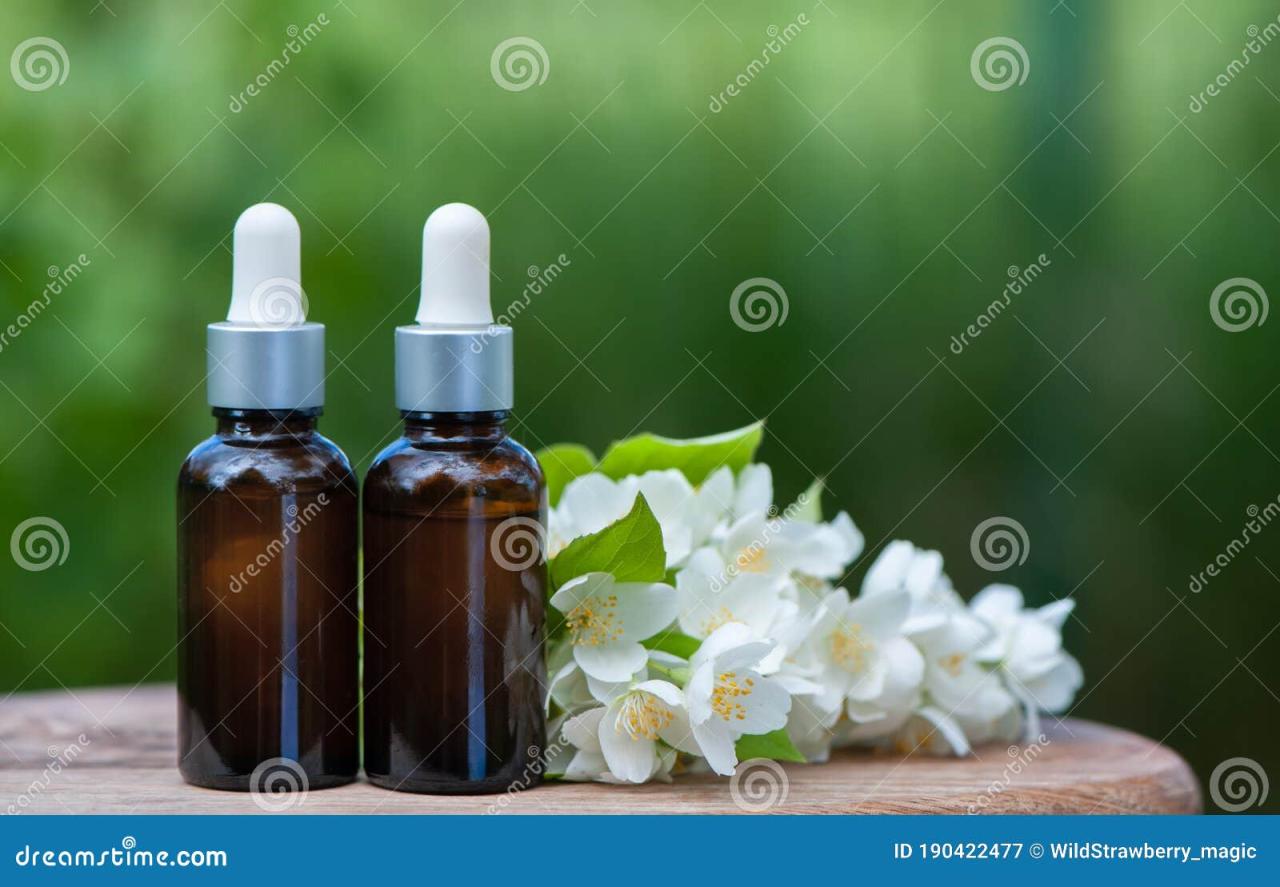
Jasmine essential oil is not only beloved for its intoxicating fragrance but also for its numerous benefits for the skin and overall well-being. Incorporating this luxurious oil into DIY recipes can elevate your personal care routine, adding a touch of elegance and nourishment. Whether you’re looking to create soothing massage oils or rejuvenating skincare products, jasmine oil can be a key ingredient that brings both aroma and therapeutic properties to your creations.
Creating Jasmine-Infused Body Lotion
Making your own jasmine-infused body lotion is a rewarding process that allows you to customize the scent and texture to your preference. Below is a detailed guide to crafting this delightful lotion from scratch.
To create your jasmine-infused body lotion, gather the following ingredients:
– 1/2 cup of shea butter: Known for its moisturizing properties and rich texture.
– 1/4 cup of coconut oil: This oil boasts antibacterial properties and helps to hydrate the skin.
– 1/4 cup of almond oil: A light oil that is great for sensitive skin and absorbs quickly.
– 10-15 drops of jasmine essential oil: The star ingredient that provides fragrance and skin benefits.
– Vitamin E oil (optional): To enhance shelf life and provide additional nourishment.
Step-by-step Instructions:
1. Melt the Oils: In a double boiler, combine the shea butter, coconut oil, and almond oil. Heat gently until everything is fully melted, stirring occasionally. Keep the heat low to avoid damaging the nutrients in the oils.
2. Cool and Whip: Remove the mixture from the heat and let it cool for about 10-15 minutes. Once it starts to thicken but is still pourable, add the jasmine essential oil and optional vitamin E oil. Stir thoroughly to ensure even distribution.
3. Whip It Up: Using a hand mixer or whisk, whip the lotion for about 5-10 minutes until it becomes fluffy and creamy. This step is crucial as it incorporates air into the mixture, giving it a light texture.
4. Transfer and Store: Scoop the whipped body lotion into a clean, sterilized jar or container. Make sure to label it with the date and ingredients for future reference.
5. Usage: Apply generously to dry areas of your skin, preferably after a shower or bath when your skin is still slightly damp for maximum absorption.
Sourcing Quality Ingredients
When embarking on a DIY project with jasmine essential oil, the quality of your ingredients is paramount. Here are some tips to ensure you source premium materials:
– Reputable Suppliers: Look for suppliers who specialize in essential oils and natural skincare ingredients. Make sure they provide sourcing information and transparency regarding their production processes.
– Organic Certification: Whenever possible, choose organic ingredients. This ensures that the plants used were grown without harmful pesticides or chemicals, which is particularly important for items like shea and almond oils.
– Check Reviews: Research products before purchasing. Customer reviews can provide insights into the quality and effectiveness of the oils and other ingredients.
– Storage and Packaging: Opt for oils that are stored in dark glass bottles, which help protect them from light and degradation. Check for expiry dates and ensure the packaging is intact.
By paying attention to these details while gathering your ingredients, you can ensure that your DIY jasmine-infused body lotion not only smells divine but is also beneficial for your skin.
Epilogue
In conclusion, jasmine essential oil is a remarkable blend of history, therapeutic properties, and cultural significance. Its versatility in aromatherapy and its ability to enhance emotional well-being make it a valuable addition to anyone’s wellness routine. Whether used in rituals, skincare, or simply enjoyed for its enchanting scent, jasmine essential oil continues to inspire and uplift, ensuring its place in our lives for generations to come.
FAQ Overview
What are the main benefits of jasmine essential oil?
Jasmine essential oil is known for its mood-enhancing properties, ability to reduce anxiety, and potential to improve skin health.
Can jasmine essential oil be applied directly to the skin?
It’s recommended to dilute jasmine essential oil with a carrier oil before applying it to the skin to avoid irritation.
Is jasmine essential oil safe for pregnant women?
Pregnant women should consult a healthcare professional before using jasmine essential oil, as it may cause contractions when used in large amounts.
How can I incorporate jasmine essential oil into my daily routine?
You can use jasmine essential oil in a diffuser, add it to bathwater, or mix it into skincare products for a calming effect.
What should I do if I experience an allergic reaction to jasmine essential oil?
If you experience an allergic reaction, discontinue use immediately and consult a healthcare professional for advice.