 Penelope Hailey
Geranium essential oil has been cherished for centuries, not just for its captivating fragrance but also for its remarkable therapeutic properties. This heavenly oil, derived from the leaves and stems of the geranium plant, carries a rich history that spans various cultures and regions. From ancient civilizations utilizing its healing potential to modern wellness practices embracing its versatility, geranium essential oil has made a significant mark in the world of natural remedies.
The journey of geranium essential oil begins in regions like Egypt and South Africa, where the plant is cultivated for its aromatic qualities. Its historical significance is woven into traditional practices, and this oil has evolved into a staple in aromatherapy, skincare, and emotional well-being. As we delve into the intricacies of geranium essential oil, we’ll explore its extraction methods, chemical composition, therapeutic uses, and the eco-friendly aspects of its production.
The origins and history of Geranium essential oil contribute to its unique therapeutic properties.
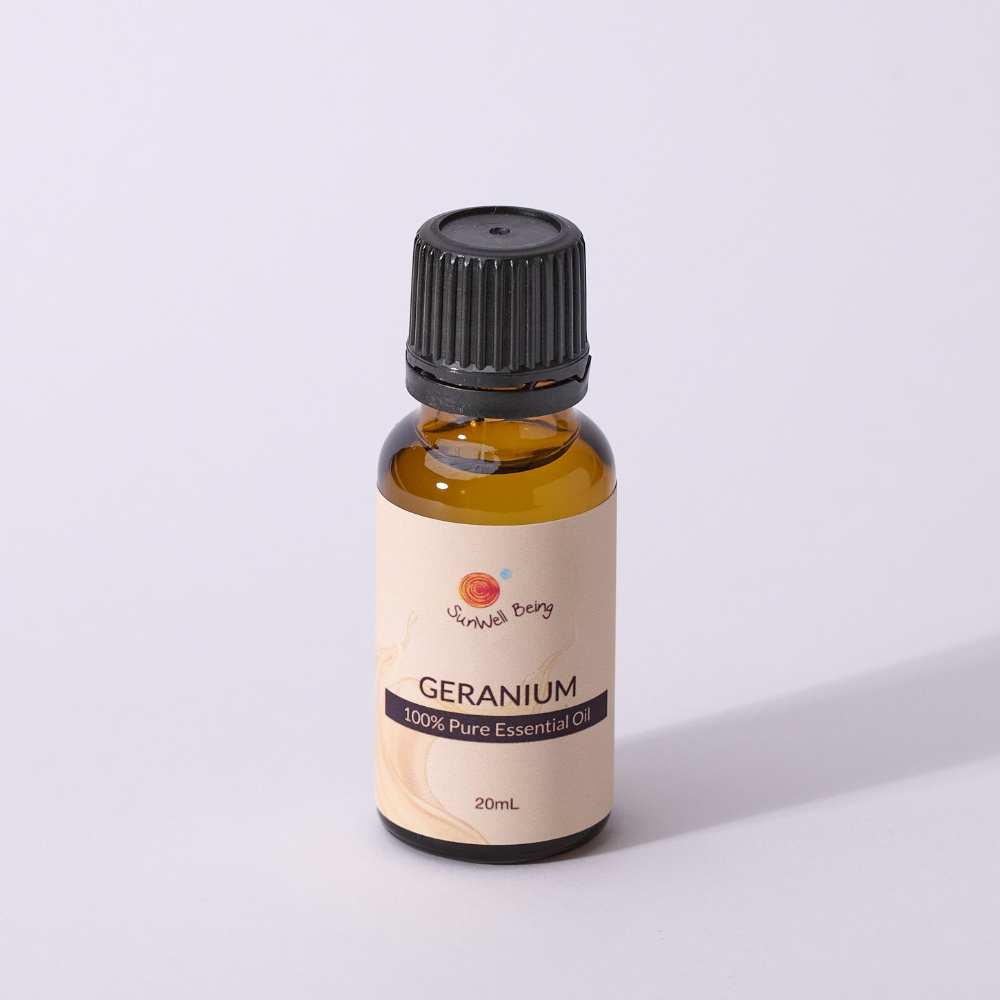
Geranium essential oil, derived from the fragrant leaves of the Pelargonium species, boasts a rich history woven into various cultures across the globe. Its therapeutic properties have been celebrated for centuries, making it not just a fragrant addition to households but also a vital element in traditional healing practices. The oil’s journey through history reflects not only its popularity but also the diverse applications that have emerged from different cultural practices.
Historically, geranium has been utilized in various cultures for both its medicinal and aesthetic properties. Ancient Egyptians were among the first to recognize its value, using it in their embalming processes and cosmetics due to its pleasant scent and purported skin benefits. The French also embraced geranium oil in the 18th century, incorporating it into their perfumes and culinary dishes, highlighting its versatility. In traditional Indian medicine, geranium has been used for its anti-inflammatory and antiseptic properties, often employed to treat skin ailments and promote emotional well-being through aromatherapy. The indigenous peoples of South Africa utilized the leaves for their soothing qualities, applying them as poultices for various ailments.
Geographical cultivation and significance of Geranium
The cultivation of geranium occurs predominantly in temperate regions where the climate is conducive to the growth of its various species. Countries such as Egypt, South Africa, and Madagascar are notable for their geranium production, each contributing unique varieties that highlight the plant’s adaptability and significance in local economies.
1. Egypt: Known for its Geranium Bourbon, Egyptian cultivation thrives in the Nile Delta, where the climate supports abundant growth. This variety is prized for its sweet, rose-like aroma and is a staple in the perfume industry.
2. South Africa: The indigenous species Pelargonium graveolens is widely cultivated here, contributing to both local usage and global exports. The country’s rich biodiversity enhances the oil’s unique profiles.
3. Madagascar: Home to several varieties, Madagascar’s geranium oil is known for its strong scent and is highly sought after in the beauty industry.
Traditional practices have significantly influenced modern applications of geranium essential oil. Aromatherapy enthusiasts draw upon ancient wisdom, using the oil to promote relaxation, reduce stress, and enhance mood. Today, skin care formulations often incorporate geranium for its balancing effects on oily skin and its ability to promote a radiant complexion. The historical significance of geranium essential oil continues to echo through contemporary wellness practices, embodying a legacy that spans centuries.
The extraction methods of Geranium essential oil reveal its quality and potency.
Geranium essential oil is a beloved product in the world of aromatherapy and natural wellness, known for its uplifting aroma and diverse therapeutic properties. The methods used to extract this essential oil play a crucial role in determining its quality, potency, and overall effectiveness. Understanding these extraction methods is essential for anyone interested in harnessing the benefits of geranium oil.
The most prevalent methods for extracting geranium essential oil include steam distillation and cold pressing. Each of these techniques has its own unique characteristics and yields varying results in terms of oil quality and fragrance profile.
Steam Distillation and Cold Pressing
Steam distillation is the most common method used for extracting geranium essential oil. This process involves passing steam through fresh plant material, which causes the plant cells to release their essential oils. The steam carries the oils away, and as it cools, the steam condenses back into liquid, separating the oil from the water. This method is favored for its ability to produce a high yield of oil while preserving the delicate aromatic compounds of the plant.
Cold pressing, on the other hand, is primarily used for extracting oils from citrus fruits, but it can also be applied to geranium leaves in specific cases. This method involves mechanically pressing the plant material to release the oils without applying heat. While cold pressing can yield a rich and fragrant oil, it may not extract the full spectrum of volatile compounds present in the plant material as effectively as steam distillation.
When comparing the effectiveness of these two methods, steam distillation generally results in a higher oil yield and a more complex aroma profile. The heat from steam distillation aids in the release of various aromatic compounds, contributing to a more potent and well-rounded essential oil. Cold pressing may produce an oil that is more aromatic in its initial scent but can lack the depth and complexity offered by steam-distilled oils.
Several factors can significantly influence the quality of the extracted geranium oil. One major consideration is the part of the plant used for extraction. The leaves and stems are typically utilized, with the leaves yielding a more potent oil. Additionally, the time of harvest is crucial; geraniums harvested during their peak growth phase, usually in the late morning when moisture levels are lower and the essential oils are concentrated, tend to produce higher quality oil.
Other factors include environmental conditions, such as soil quality and climate, which can affect the plant’s growth and oil content. Proper cultivation practices also play a vital role in ensuring the plants are healthy and produce high-quality oils.
Quality geranium essential oil is a result of careful extraction methods, optimal harvesting times, and quality plant materials.
Overall, the extraction method chosen for geranium essential oil significantly impacts its properties, making it essential for producers and consumers alike to understand these processes.
The chemical composition of Geranium essential oil explains its diverse benefits.
Geranium essential oil is not just a fragrant addition to aromatherapy; it’s a powerhouse of beneficial compounds. The oil’s diverse chemical constituents contribute significantly to its therapeutic effects, making it a valuable resource in holistic wellness practices. Understanding this chemical composition helps us appreciate the multifaceted impact that geranium oil can have on our health and well-being.
The principal components of geranium essential oil include compounds such as geraniol, citronellol, and linalool. Each of these constituents plays a vital role in the oil’s effectiveness. Geraniol, which makes up a significant portion of the oil, is known for its antimicrobial and anti-inflammatory properties. It helps in reducing skin irritation and can even assist in healing wounds. Citronellol, another major constituent, is recognized for its calming effects, making it beneficial for stress relief and promoting emotional well-being. Linalool, commonly found in many essential oils, contributes to the delightful fragrance while also exhibiting strong anti-anxiety and sedative properties.
Main chemical constituents and their functions
Geranium oil’s therapeutic capabilities can largely be attributed to the synergy of its chemical components. The following list Artikels the primary constituents and their respective health benefits:
- Geraniol: This compound is effective in repelling insects and has demonstrated anti-cancer properties in some studies. It enhances mood and helps alleviate anxiety.
- Citronellol: Known for its soothing effects, citronellol can provide relief from anxiety and stress. It is also an effective antimicrobial agent, making it beneficial for skin applications.
- Linalool: This compound contributes to the calming effects of geranium oil. It has exhibited significant potential in reducing anxiety and promoting relaxation, making it ideal for use in stress management.
- Beta-caryophyllene: This terpene has anti-inflammatory properties and is thought to work effectively in pain relief, enhancing overall comfort.
The interaction of these compounds exemplifies how the chemical profile of geranium oil correlates with its therapeutic effects. The combined antimicrobial, anti-inflammatory, and stress-relieving properties create a comprehensive oil that can support not only physical but also emotional health. This synergy allows for a holistic approach to wellness, where the different constituents work in harmony to provide enhanced overall benefits. For instance, when used in skincare, the antimicrobial properties of citronellol and geraniol can help to clear acne, while the calming effects of linalool soothe the skin and alleviate irritation.
The unique combination of these constituents, along with their distinct roles, highlights the importance of chemical composition in determining the therapeutic effects of geranium essential oil. By tapping into the power of these compounds, individuals can explore a range of health benefits that support both physical and emotional well-being.
The therapeutic uses of Geranium essential oil encompass various areas of wellness.
Geranium essential oil, derived from the leaves and stems of the Pelargonium graveolens plant, is celebrated for its diverse therapeutic uses in aromatherapy, skincare, and emotional well-being. With a sweet, floral aroma, this oil not only enhances the sensory experience but also boasts numerous health benefits that promote overall wellness.
Aromatherapy Applications
In aromatherapy, geranium essential oil serves as a versatile ingredient, known for its balancing and uplifting properties. When diffused in a room, the oil can help create a calming atmosphere, making it an excellent choice for meditation or relaxation practices. It is often employed in various blends, as it harmonizes well with other essential oils like lavender, bergamot, and citrus oils.
The therapeutic effects of geranium oil are attributed to its chemical composition, which includes geraniol, citronellol, and other compounds that contribute to its calming effects. By inhaling the scent of geranium oil, individuals may experience a reduction in stress and anxiety levels. It can enhance mood and promote emotional stability, making it particularly beneficial for those dealing with emotional challenges or fatigue. Some studies indicate that the scent can help reduce cortisol levels in the body, leading to decreased stress.
Additionally, geranium essential oil can be used in massage therapy. When diluted with a carrier oil, it can be applied topically to relieve tension in muscles while simultaneously providing the aromatic benefits. This dual approach allows users to experience both physical relaxation and emotional calmness.
Benefits for Skincare
Geranium oil is widely used in skincare for its remarkable properties that promote skin health. Its astringent qualities help tighten the skin and minimize the appearance of pores, making it a favored ingredient in various skincare products. The oil is effective in alleviating several skin conditions, including:
- Acne: Geranium oil possesses antibacterial properties that can help reduce acne-causing bacteria on the skin. Its anti-inflammatory characteristics also soothe red and irritated skin.
- Eczema: The oil can offer relief from the itching and inflammation associated with eczema, promoting a more balanced skin environment.
- Dry Skin: Geranium oil is known for its moisturizing properties, which help hydrate dry skin and promote overall skin tone and texture.
- Scars and Wounds: Its regenerative abilities can assist in healing scars and minor wounds, encouraging faster recovery and improved skin appearance.
Regular application of geranium oil, either through topical blends or in skincare formulations, can lead to a healthier complexion, making it a valuable addition to beauty routines.
Emotional Well-Being and Stress Relief
Geranium essential oil plays a significant role in enhancing emotional well-being. Its uplifting scent is effective in alleviating feelings of stress, anxiety, and depression. When combined with practices such as yoga or mindfulness meditation, it can help individuals achieve a greater sense of peace and balance.
The oil’s ability to influence the limbic system, which governs emotions, makes it a powerful tool in stress relief practices. Inhaling geranium oil can evoke feelings of calm and tranquility, making it an ideal companion during high-pressure situations or hectic days. It can also be incorporated into bath rituals, where the warm water combined with the aromatic oil creates a sensory experience that encourages relaxation and mental clarity.
In summary, the therapeutic uses of geranium essential oil extend far beyond merely pleasant scents. Its application in aromatherapy, skincare, and emotional wellness showcases its versatility and effectiveness in promoting overall health and well-being.
The safety and precautions associated with Geranium essential oil must be clearly understood.
Geranium essential oil, derived from the leaves and stems of the Pelargonium graveolens plant, is celebrated for its uplifting aroma and therapeutic benefits. However, just like any natural product, it comes with its own set of safety considerations that must be taken seriously to ensure a safe and effective experience. Understanding these precautions is essential for anyone looking to incorporate this essential oil into their wellness routine.
Geranium oil is generally safe for most people but may cause side effects in certain individuals. Common side effects can include skin irritation, headaches, and nausea, especially when used in excessive amounts. Those with sensitive skin may experience allergic reactions characterized by redness, burning, or rashes upon topical application. It is crucial to monitor for any adverse reactions, particularly during the initial use, as everyone’s skin sensitivity differs. Additionally, individuals with specific health conditions, such as hormonal disorders or those who are pregnant, should exercise caution or consult a healthcare professional before use.
Importance of Dilution and Skin Sensitivity Testing
Before applying geranium essential oil to the skin, proper dilution is imperative. Essential oils are potent substances, and direct application without dilution can lead to adverse reactions. A standard guideline is to dilute the essential oil in a carrier oil, such as jojoba or coconut oil, at a ratio of 1-2 drops of essential oil per teaspoon of carrier oil. This not only reduces the risk of irritation but also enhances the absorption and effectiveness of the oil.
Another vital step is conducting a skin sensitivity test prior to full application. This involves applying a small diluted amount of the oil to a discreet area of skin and waiting for 24 hours to check for any adverse reactions. This precaution is especially important for first-time users or those with sensitive skin.
Groups of People Who Should Avoid Geranium Oil and Safe Usage Guidelines
Certain groups of individuals should avoid the use of geranium essential oil or use it with caution. Notably, pregnant or breastfeeding women should steer clear due to the oil’s potential hormonal effects. Additionally, people with a history of hormone-sensitive conditions, such as breast cancer or endometriosis, should consult with a healthcare provider before use.
The following guidelines can help ensure safe usage:
- Always dilute geranium oil in a carrier oil before topical application, following the recommended dilution ratios.
- Perform a patch test to check for skin sensitivity before applying more broadly.
- Avoid using geranium oil if you are pregnant, nursing, or have hormonal imbalances without consulting a healthcare professional.
- Keep the oil away from sensitive areas, such as the eyes and mucous membranes.
- Store the oil in a cool, dark place and ensure it is kept out of reach of children.
Understanding the safety precautions associated with geranium essential oil is crucial for ensuring a positive experience and maximizing its benefits while minimizing potential risks.
The applications of Geranium essential oil in daily life reveal its versatility.
Geranium essential oil is not just a fragrant addition to your home; it’s a powerhouse of versatility that can enhance your daily life in various ways. Known for its calming aroma and therapeutic properties, this oil can be seamlessly integrated into both your personal care and household routines.
When considering the practical uses of geranium essential oil at home, its benefits extend from cleaning to natural remedies. Here are some noteworthy applications:
Practical Uses of Geranium Essential Oil
The following list showcases how geranium oil can be effectively utilized in your home environment, highlighting its cleaning properties and potential as a natural remedy.
- All-Natural Surface Cleaner: Combine geranium oil with vinegar and water to create a non-toxic cleaner that disinfects surfaces while leaving a fresh scent.
- Air Freshener: Add a few drops of geranium oil to a diffuser or a spray bottle with water to eliminate odors and promote a calming atmosphere.
- Insect Repellent: Blend geranium oil with a carrier oil and apply to exposed skin to help ward off mosquitoes and other insects.
- Homemade Laundry Booster: Add a few drops to your laundry to infuse clothing with a pleasant fragrance and reduce static cling.
- Calming Bath Soak: Mix geranium oil into Epsom salts for a soothing bath that relaxes muscles and uplifts mood.
Integration into Personal Care vs. Household Uses
Geranium essential oil can be integrated into various routines, both for personal care and household cleaning. Here’s a comparison of how it can be utilized in these two distinct yet complementary areas:
| Category | Personal Care Uses | Household Uses |
|---|---|---|
| Skin Care | Used in facial oils and creams for its balancing properties. | Added to DIY cleaners for natural antimicrobial benefits. |
| Hair Care | Incorporated into shampoos and conditioners for promoting healthy hair. | Used in homemade deodorizing sprays for fabrics. |
| Aromatherapy | Diffused for relaxation and stress relief. | Used in homemade candles for a refreshing scent. |
| Body Care | Included in massage oils for its soothing effects. | Used in all-natural insect repellents. |
DIY Recipes Incorporating Geranium Oil
Creating your own products using geranium essential oil is a fun and beneficial way to enjoy its properties. Here are a couple of easy recipes:
1. Calming Diffuser Blend:
– 5 drops of geranium essential oil
– 3 drops of lavender essential oil
– 2 drops of bergamot essential oil
– Add to your diffuser with water as directed.
2. Homemade Facial Serum:
– 2 tablespoons of jojoba oil
– 5 drops of geranium essential oil
– 3 drops of tea tree essential oil
– Mix well and apply a small amount to your face after cleansing for a hydrating boost.
By integrating geranium essential oil into your daily life, you can experience its remarkable benefits while maintaining a clean and naturally fragrant home environment. Its versatility makes it a valuable addition to both your personal care and household routines.
The eco-friendly aspects of Geranium essential oil production highlight sustainability efforts.
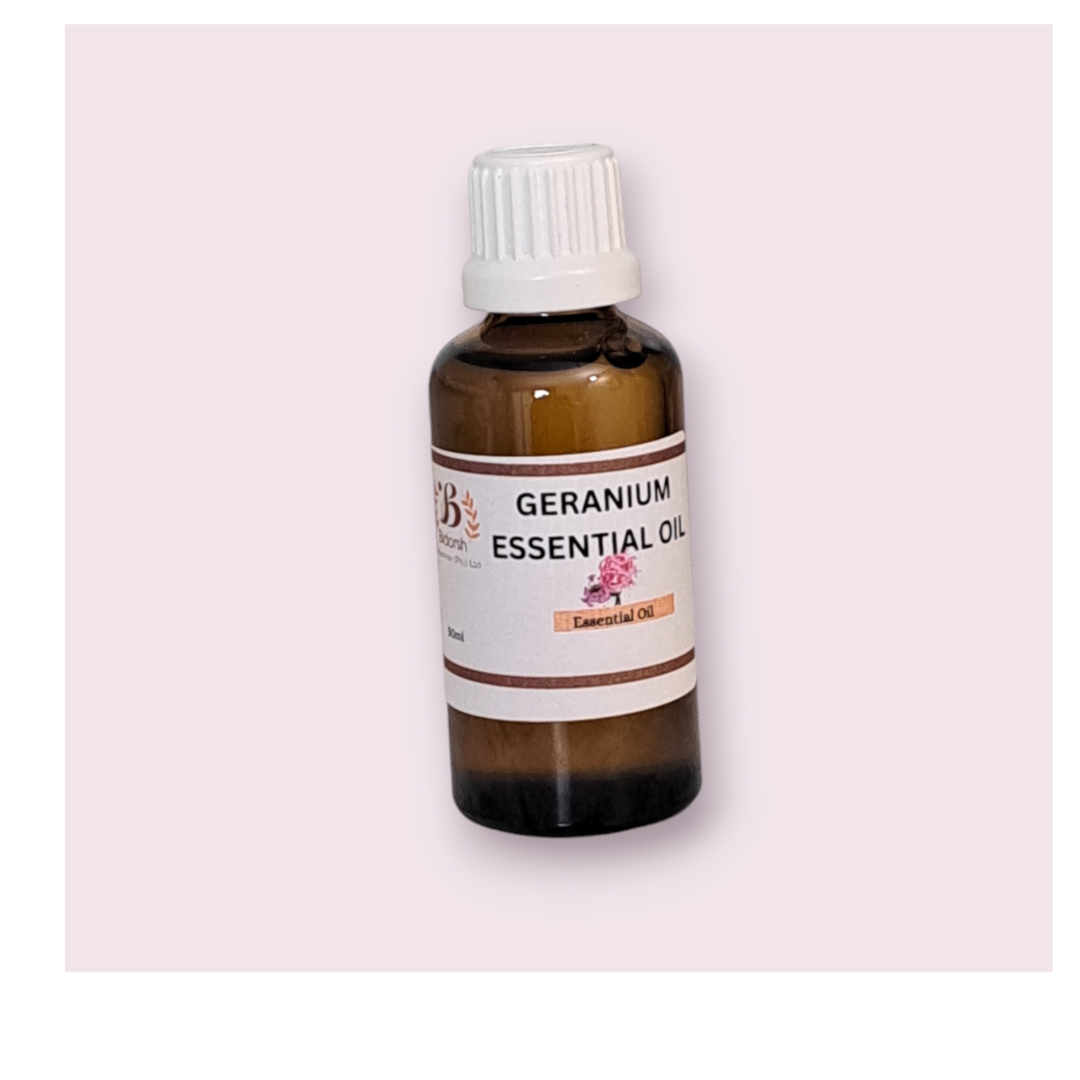
Geranium essential oil, renowned for its calming fragrance and therapeutic properties, also stands out for its eco-friendly production practices. The cultivation of geranium plants, primarily in regions like Egypt and Reunion Island, not only provides a valuable resource for aromatherapy and cosmetics but also promotes environmental sustainability. This essential oil extraction process emphasizes the importance of supporting local ecosystems and enhancing biodiversity.
Cultivating geranium plants offers several environmental benefits. For starters, these plants are known for their ability to thrive in diverse soil types and conditions, which helps reduce soil erosion. Geraniums play a role in improving soil fertility through their deep root systems that help aerate the soil, enhancing its nutrient content. Additionally, these plants require less water compared to many other crops, making them a more sustainable option in water-scarce areas. The reduced need for irrigation contributes to conserving precious water resources.
Sustainable harvesting methods and their impact on local ecosystems
Sustainable harvesting methods are crucial for maintaining the health of local ecosystems while ensuring a continuous supply of geranium essential oil. Ethical harvesting practices involve carefully selecting mature plants for distillation, which allows younger plants to grow and thrive. This method prevents over-exploitation and promotes plant regeneration, ensuring that the geranium population remains stable and resilient.
The ecological impact of responsible harvesting extends beyond the geranium plants themselves. By employing techniques that maintain soil health and encourage biodiversity, such as intercropping and organic farming practices, farmers can create a balanced ecosystem. This approach fosters habitats for pollinators and other beneficial organisms, further enriching the surrounding environment.
Several organizations and initiatives are dedicated to promoting the ethical sourcing of geranium essential oil and sustainable practices in the industry. For instance, the Fair Trade movement emphasizes fair wages for farmers while encouraging environmentally friendly farming techniques. Additionally, the Rainforest Alliance works to certify growers who adopt sustainable practices that protect the environment and local communities. These initiatives not only support ethical sourcing but also help raise awareness about the importance of sustainability in essential oil production.
“Sustainable practices in geranium cultivation not only safeguard the environment but also support local economies and communities.”
Closure
In summary, geranium essential oil offers a vast array of benefits that cater to both physical and emotional wellness. Its historical roots, extraction methods, and diverse chemical makeup contribute to its therapeutic applications, making it a valuable asset in holistic health practices. Whether you’re looking to enhance your skincare routine, alleviate stress, or simply enjoy its delightful fragrance, geranium essential oil proves to be a versatile and sustainable choice for anyone seeking natural remedies.
Quick FAQs
What are the common uses of geranium essential oil?
Geranium essential oil is commonly used in aromatherapy, skincare, and cleaning products. It can help alleviate stress, improve skin conditions, and act as a natural disinfectant.
Can geranium essential oil be used during pregnancy?
It is recommended that pregnant women avoid using geranium essential oil unless advised by a healthcare professional, as it may have hormonal effects.
How should geranium essential oil be diluted for topical use?
Geranium essential oil should be diluted with a carrier oil, such as jojoba or coconut oil, at a ratio of about 2-3 drops of essential oil per teaspoon of carrier oil.
Is geranium essential oil safe for children?
Geranium essential oil can be used for children over the age of two but should be properly diluted and used under supervision. Always consult a pediatrician for guidance.
Where can I buy high-quality geranium essential oil?
High-quality geranium essential oil can be purchased from reputable health stores, online retailers, or companies that specialize in essential oils, ensuring they provide third-party testing results for purity.