 Penelope Hailey
Rose essential oil has been cherished for centuries, not just for its enchanting fragrance but also for its profound impact on health and well-being. This exquisite oil, derived from the petals of the rose, has woven its way through the tapestry of ancient civilizations, serving various purposes from rituals to beauty regimens. Its rich history, coupled with modern scientific insights, makes rose essential oil a fascinating subject worth exploring.
As we delve deeper into the world of rose essential oil, we will uncover its historical significance, extraction methods, therapeutic benefits, and much more. Whether you’re seeking emotional balance, skin health, or simply the fragrant allure of roses, this exploration promises to illuminate the many facets of this precious essential oil.
The historical significance of Rose essential oil in ancient civilizations
Rose essential oil has a rich history that stretches back thousands of years, deeply interwoven into the cultural fabric of various ancient civilizations. Revered for its aromatic properties and therapeutic benefits, rose oil was not merely a luxury but a vital component in rituals, medicinal practices, and daily life. From the lavish courts of Persia to the sacred temples of Egypt, the influence of rose oil is evident in numerous historical texts and artifacts, reflecting its significance in the social and spiritual practices of the time.
Various cultures harnessed the power of rose oil for diverse purposes. In ancient Egypt, it held a place of reverence, often associated with the goddess Isis. The Egyptians utilized rose oil in cosmetics and as an ingredient in embalming practices, believing it could aid in the afterlife. Historical texts, such as the Ebers Papyrus, dating back to 1550 BCE, document the use of rose oil in medicinal remedies for ailments and as a perfume for enhancing beauty. Similarly, the Greeks and Romans embraced rose oil for its aromatic properties and health benefits. Greek physician Hippocrates extolled its virtues for treating emotional disorders, while Roman women often used it in baths for relaxation and skin care.
In Persia, rose oil was celebrated in poetry and art, symbolizing love and beauty. Persian gardens, filled with blooming rose bushes, were not just aesthetically pleasing but also served practical purposes, with rose oil being extracted for use in perfumes and culinary delights. The Persian poet Rumi often referenced the rose as a metaphor for divine beauty and love, underscoring its cultural significance.
Egyptian artifacts such as oil lamps and amphorae have been discovered, showcasing the historical use and reverence for rose oil in ancient rituals. The intricate designs on these artifacts often depict rose motifs, emphasizing its importance in the spiritual and aesthetic realms. The use of rose oil in religious ceremonies was prevalent; it was sprinkled on altars and used in offerings to deities, enhancing the sacred atmosphere of the rituals.
In summary, rose essential oil’s integration into daily life and rituals of ancient civilizations showcases its multifaceted nature. It served as a beauty product, a medicinal tool, and a spiritual symbol, illustrating the deep connections humans have maintained with this remarkable plant throughout history. The texts and artifacts from these eras reveal the profound respect and admiration societies had for rose oil, cementing its legacy that continues to this day.
The extraction process of Rose essential oil
The extraction of rose essential oil is a delicate process that captures the essence of the rose flower, renowned for its enchanting fragrance and therapeutic properties. This oil is not only valued in perfumery but also in aromatherapy and skincare. The methods employed to extract this precious oil are pivotal in determining its quality and characteristics.
Two primary methods of extracting rose oil include steam distillation and solvent extraction. Each technique has its own scientific principles and impacts the oil’s purity and composition.
Steam Distillation and Solvent Extraction
Steam distillation is the most common method used for extracting essential oils, including that of roses. The process involves passing steam through the plant material, which causes the essential oil to evaporate. The steam and oil are then cooled, leading to condensation. The oil, being lighter than water, floats on top and can be collected. This method ensures that the delicate properties of the rose oil are maintained, producing a high-quality product rich in aroma and therapeutic benefits.
On the other hand, solvent extraction employs a different approach where solvents, typically volatile organic compounds, are used to dissolve the essential oils from the plant material. This method is often used when steam distillation is not feasible, especially for delicate flowers like roses, which may lose their fragrance during distillation. The process involves soaking the plant material in a solvent, followed by evaporation of the solvent to leave behind a concentrated oil. However, while this method can yield a more aromatic oil, it may also introduce trace amounts of solvent residues, potentially impacting oil purity.
To better understand the differences between these extraction methods, the following table Artikels their advantages and disadvantages:
| Extraction Method | Advantages | Disadvantages |
|---|---|---|
| Steam Distillation |
|
|
| Solvent Extraction |
|
|
The therapeutic benefits of Rose essential oil for emotional well-being
The therapeutic properties of rose essential oil have been recognized for centuries, particularly in the realm of emotional health. As an essential oil derived from the petals of the Rosa damascena, rose oil is often utilized in aromatherapy for its calming and uplifting effects. Its rich floral scent is not only pleasing but also has profound implications for emotional balance. This discussion will delve into how rose oil can be leveraged to alleviate stress, reduce anxiety, and enhance overall mood.
The use of rose essential oil in aromatherapy revolves around its ability to promote relaxation and alleviate emotional distress. When inhaled, the aromatic compounds of rose oil interact with the limbic system—this is the part of the brain responsible for emotions and memory. This interaction can stimulate the release of neurotransmitters like serotonin and dopamine, which are critical for mood regulation. Many practitioners and enthusiasts of aromatherapy recommend diffusing rose oil or using it during massages to create an atmosphere conducive to emotional healing. Additionally, incorporating rose oil into bath rituals can provide a soothing experience that eases stress and promotes tranquility.
Psychological Effects of Rose Oil on Mood Enhancement
The psychological effects of rose essential oil are supported by both anecdotal evidence and scientific studies. Researchers have found that the scent of rose oil can significantly reduce feelings of anxiety and depression. One study published in the Journal of Alternative and Complementary Medicine indicated that participants exposed to rose oil experienced marked reductions in anxiety levels compared to those who were not. This suggests that the olfactory stimulation from rose oil can act as a natural anxiolytic.
In addition to clinical findings, numerous testimonials from users highlight the uplifting nature of rose oil. Many individuals report that its fragrance helps them feel more grounded and emotionally balanced, especially during times of distress. The calming properties of rose oil can be particularly beneficial in high-stress environments, where individuals may feel overwhelmed. Incorporating rose oil into daily routines—such as during meditation or yoga—can provide a moment of respite, allowing for emotional processing and clarity.
The following points further illustrate the effectiveness of rose essential oil in promoting emotional balance and enhancing mood:
-
The floral aroma of rose oil has been shown to improve mood and reduce feelings of sadness.
- Inhaling rose oil can provide immediate relief from anxiety, leading to a calmer state of mind.
- Regular use of rose oil may contribute to improved emotional stability and resilience.
- Its application in personal care rituals, such as skincare or baths, promotes a sense of self-care and wellbeing.
Scientific investigations have also explored the biochemical pathways through which rose oil exerts its effects. For instance, the oil contains various compounds like geraniol and citronellol that have been found to impact the nervous system positively. This can lead to an overall improvement in emotional health, making rose oil an invaluable asset in holistic approaches to mental well-being.
Furthermore, individuals who suffer from conditions such as post-traumatic stress disorder (PTSD) or chronic stress have reported transformative experiences after integrating rose oil into their therapeutic practices. This essential oil not only helps to ground them but also enhances their emotional and psychological resilience. Such experiences underscore the potential of rose essential oil as a complementary treatment for emotional health challenges.
The application of Rose essential oil in skincare routines
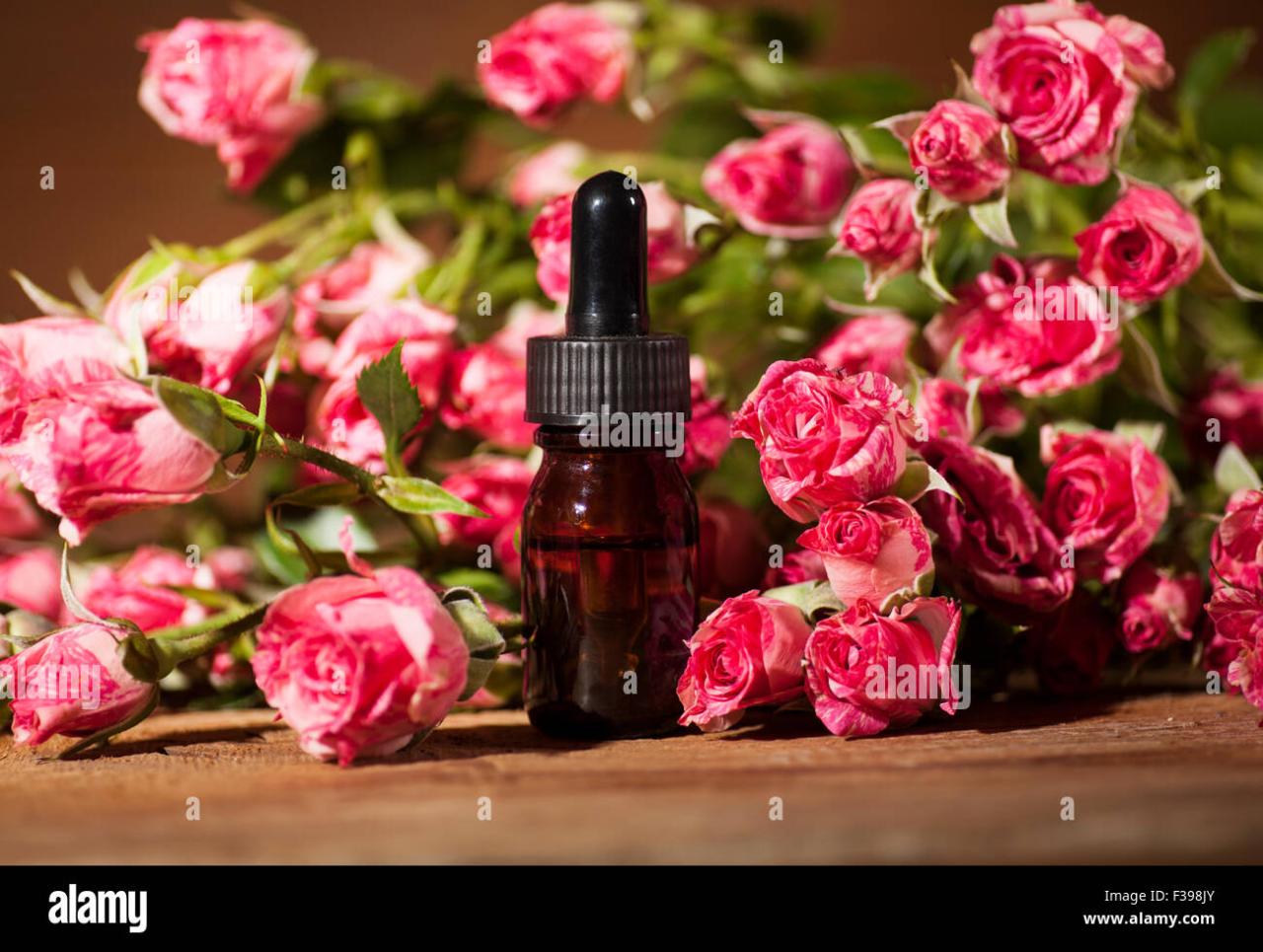
Rose essential oil, derived from the delicate petals of roses, offers a plethora of benefits for skin health due to its rich composition of vitamins, antioxidants, and anti-inflammatory properties. Its soothing aroma not only uplifts mood but also helps to rejuvenate and hydrate the skin. Known for its ability to balance moisture levels, rose oil is suitable for all skin types, including sensitive skin, making it a versatile addition to any skincare regimen.
Incorporating rose essential oil into daily skincare practices can enhance both the effectiveness of routines and the overall experience. To start, always dilute rose essential oil with a carrier oil, such as jojoba, coconut, or almond oil, to avoid skin irritation. This is especially important for those with sensitive skin. A few drops of rose oil can be added to facial serums or moisturizers for an added boost of hydration and nourishment. Rose oil is also effective in helping to reduce the appearance of scars and blemishes over time, as its properties promote skin cell regeneration.
Using rose essential oil can be seamlessly integrated into the morning and evening skincare routines. In the morning, a few drops mixed with your moisturizer can provide a refreshing start, while at night, combining it with a soothing night cream can enhance rejuvenation during sleep. For those looking for a refreshing facial mist, dilute rose oil with water in a spray bottle for a hydrating pick-me-up throughout the day. Likewise, adding it to homemade face masks can elevate the nourishing effects.
Skincare recipes utilizing rose essential oil
Here are some simple yet effective skincare recipes that utilize rose essential oil, each aimed at addressing various skin concerns while promoting radiance and hydration:
– Rose and Jojoba Oil Serum: Mix 2 drops of rose essential oil with 1 tablespoon of jojoba oil. Apply this blend to clean skin before your moisturizer to enhance hydration.
– Soothing Rose Facial Mist: Combine 5 drops of rose essential oil with 100ml of distilled water in a spray bottle. Shake well and spritz on your face throughout the day for an instant refresh.
– Nourishing Rose Face Mask: Blend 1 tablespoon of honey, 1 tablespoon of yogurt, and 2 drops of rose essential oil. Apply to your face and leave for 15 minutes before rinsing to reveal glowing skin.
– Anti-Aging Rose Cream: Mix 1 ounce of your favorite cream with 3 drops of rose essential oil. Use nightly to help diminish fine lines and promote skin elasticity.
– Exfoliating Rose Scrub: Combine 1 cup of sugar, 1/2 cup of coconut oil, and 5 drops of rose essential oil. Gently scrub your face and body to exfoliate and hydrate.
Each of these recipes highlights the versatility of rose essential oil in enhancing skincare routines, bringing natural luxury to everyday practices.
The role of Rose essential oil in holistic health practices
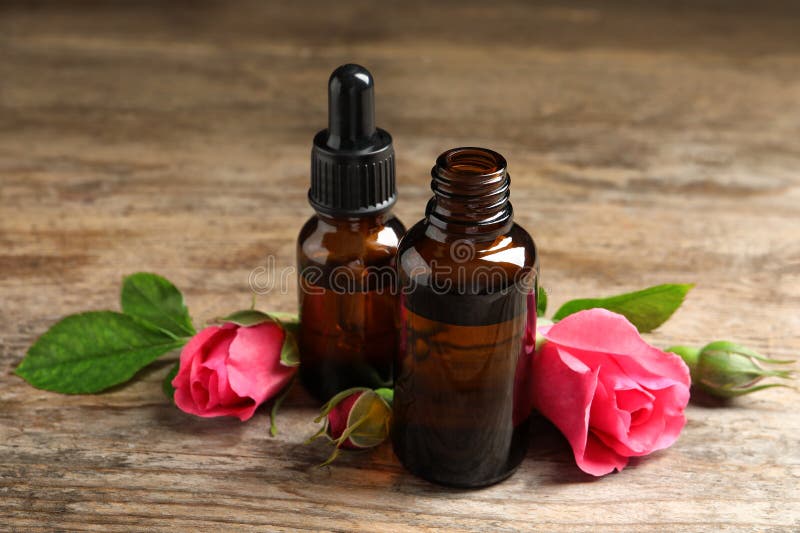
Rose essential oil is revered not only for its delightful fragrance but also for its numerous health benefits that align with holistic health practices. This natural oil plays a significant role in enhancing emotional well-being, promoting relaxation, and supporting overall physical health. Integrating rose essential oil into various therapies can elevate the effectiveness of holistic routines, making it a valuable addition to practices like reflexology and massage.
In holistic health routines, rose essential oil is often used to complement other therapies. Its soothing properties can enhance the experience of reflexology, where specific pressure points on the feet are stimulated to promote overall health. When applied to the feet or incorporated into foot baths, rose oil can complement the reflexology techniques by calming the mind and body, helping to release emotional tension and facilitating a deeper state of relaxation. The gentle aroma of rose essential oil can also create a serene atmosphere, amplifying the calming effects of the therapy.
Massage therapy, another facet of holistic health, benefits immensely from the incorporation of rose essential oil. When blended with carrier oils such as sweet almond oil or jojoba oil, rose oil can be used in massages, providing both physical and emotional relief. The oil’s anti-inflammatory and analgesic properties can help alleviate muscle soreness, while its uplifting scent can promote emotional balance and reduce anxiety. For practitioners, the addition of rose oil into their massage practices not only enhances the therapeutic experience for clients but also fosters a deeper connection through shared sensory experiences.
Combining rose essential oil with other essential oils can amplify its benefits. The following blends enhance therapeutic effects while addressing specific health concerns:
- For stress relief, combine rose oil with lavender and bergamot essential oils. Together, these oils promote relaxation and emotional stability, creating a calming atmosphere.
- A combination of rose oil, frankincense, and myrrh can enhance meditation practices. This blend supports grounding, providing clarity and deep emotional healing.
- For skin care, mixing rose oil with tea tree and geranium essential oils can create a powerful blend that not only hydrates but also helps to combat skin issues like acne and inflammation.
Rose essential oil is a cornerstone in holistic health routines, harmonizing emotional and physical well-being.
The environmental impact of rose oil production
The production of rose essential oil, while celebrated for its aromatic and therapeutic properties, poses several environmental challenges that are crucial to address. The cultivation of roses for essential oil extraction often involves significant land use, water consumption, and pesticide application, which can lead to detrimental effects on local ecosystems. Understanding these challenges is essential for promoting sustainable practices within the industry.
Sustainability challenges in rose oil production include the depletion of natural resources, loss of biodiversity, and the carbon footprint associated with cultivation and distillation processes. In many regions, intensive farming methods employed for rose cultivation can lead to soil degradation and increased vulnerability to pests and diseases, prompting the use of chemical pesticides and fertilizers. These practices not only harm the local flora and fauna but can also contaminate water sources and disrupt ecological balance.
Eco-friendly initiatives in rose oil production
Various initiatives have emerged to promote eco-friendly practices within the rose oil industry, focusing on sustainable sourcing, organic farming, and community engagement. These initiatives aim to mitigate the environmental impact of rose oil production while supporting local economies and preserving traditional cultivation methods.
One significant initiative is the shift towards organic farming practices. Organic rose cultivation avoids synthetic pesticides and fertilizers, relying instead on natural alternatives to promote plant health and soil fertility. This approach not only reduces chemical runoff into local waterways but also encourages biodiversity. Organic certification bodies, such as USDA Organic and Ecocert, ensure that producers adhere to rigorous standards for environmental protection.
Moreover, brands are increasingly adopting fair trade practices, which prioritize ethical sourcing and ensure that farmers receive fair compensation for their products. By supporting fair trade rose oil, consumers contribute to the well-being of local communities and the sustainable management of natural resources. For instance, companies like “Aromatherapy Associates” and “Now Foods” are known for sourcing their rose oil from fair trade certified suppliers, fostering socio-economic development in rose-producing regions.
Another vital aspect of promoting sustainability is the implementation of water conservation measures. Given the high water requirements for rose cultivation, many producers are adopting drip irrigation systems and rainwater harvesting techniques to optimize water usage. This not only conserves water but also reduces the overall environmental footprint of rose oil production.
To illustrate the commitment to sustainable practices, brands such as “Rosa Mosqueta” and “Pure Rose Oil” offer rose essential oils sourced from organic farms that practice biodiversity-friendly methods. These companies often provide transparency in their sourcing and production processes, allowing consumers to make informed choices.
As awareness of environmental issues grows, the demand for sustainably sourced rose essential oil is likely to increase. By supporting brands that prioritize eco-friendly practices and responsible sourcing, consumers can play a significant role in promoting sustainability within the rose oil industry. In doing so, they contribute to preserving the delicate balance of our ecosystems while enjoying the benefits of this exquisite aromatic oil.
The cultural symbolism and meanings associated with Rose essential oil
Rose essential oil, derived from the petals of various rose species, carries deep cultural significance across the globe. Its rich history goes beyond mere fragrance, embodying emotions, traditions, and spiritual beliefs. The rose has long been a symbol of love, beauty, and passion, making its essential oil a cherished element in various practices, from aromatherapy to spiritual rituals. The multifaceted meanings associated with roses translate seamlessly into the realm of essential oils, influencing their use in different cultural contexts and enhancing their appeal.
The symbolism of roses varies significantly across cultures, impacting how rose essential oil is perceived and utilized. For instance, in Western cultures, the red rose is predominantly recognized as a symbol of romantic love, often gifted on occasions such as Valentine’s Day. This association extends to rose essential oil, which is frequently used in romantic blends and personal care products aimed at fostering intimacy and connection. In contrast, white roses symbolize purity and innocence, making their essential oil ideal for spiritual or cleansing rituals, often used in meditation to promote inner peace and clarity.
In Eastern cultures, such as in India, roses are revered not only for their beauty but also for their medicinal properties. Rose essential oil is frequently incorporated in Ayurvedic practices, believed to balance the body’s energies and promote emotional well-being. The cultural reverence for roses in these regions translates into the therapeutic use of rose oil, often combined with other natural ingredients to enhance its effects.
Furthermore, in Middle Eastern cultures, the rose has deep-rooted significance in poetry and literature, symbolizing beauty and transience. The essential oil extracted from these roses is used in traditional perfumes and is often associated with hospitality and respect. This cultural backdrop enriches the experience of using rose essential oil, elevating its status in various rituals and daily practices.
Cultural perspectives on rose oil across different regions
Understanding the various cultural perspectives on rose essential oil provides insight into its diverse applications and significance. Below is a table that highlights some key cultural views and uses:
| Region | Cultural Significance | Common Uses |
|---|---|---|
| Western | Symbol of romantic love and beauty | Used in perfumes, candles, and personal care products |
| Eastern (India) | Associated with healing and balance | Incorporated in Ayurvedic practices and holistic therapies |
| Middle East | Symbol of hospitality and respect | Used in traditional perfumes and cultural ceremonies |
| China | Represents femininity and grace | Utilized in beauty rituals and skin care |
The meanings and uses of rose essential oil across these cultures exemplify its versatility and enduring significance. The emotional resonance tied to rose oil enhances its role in various aspects of life, affirming its status as more than just a fragrant oil, but a symbol of deeper cultural narratives and practices.
The scientific research surrounding the efficacy of Rose essential oil
Recent studies have shed light on the pharmacological properties of rose essential oil, revealing its potential benefits for health and wellness. This aromatic oil, derived from the petals of the Rosa damascena plant, has been a staple in traditional medicine for centuries. Modern scientific inquiry has begun to validate many of these historical applications, showcasing rose oil’s diverse therapeutic capabilities.
Research has demonstrated that rose essential oil possesses a range of bioactive compounds, including phenolic constituents, terpenes, and flavonoids, which contribute to its health-promoting effects. Notably, a study published in the *Journal of Ethnopharmacology* highlighted rose oil’s antioxidant properties, suggesting its role in scavenging free radicals and preventing oxidative stress. This action is vital in mitigating various chronic diseases, such as diabetes and cardiovascular conditions.
Recent Findings on Health Applications
Several studies have underscored the efficacy of rose essential oil in various health contexts. The implications of this research extend to mental health, anti-inflammatory responses, and antimicrobial properties.
One notable area of research focuses on the oil’s impact on mental wellness. A randomized controlled trial published in *Complementary Therapies in Clinical Practice* discovered that inhalation of rose oil significantly reduced anxiety levels and improved mood among participants. This finding aligns with the traditional use of rose oil in aromatherapy, reinforcing its status as a natural anxiolytic.
Furthermore, rose essential oil is gaining attention for its anti-inflammatory properties. A study in the *Journal of Inflammation Research* revealed that rose oil exhibited significant anti-inflammatory effects in animal models, suggesting its potential application in managing inflammatory diseases such as arthritis. This is particularly promising, as chronic inflammation is linked to numerous health issues, including heart disease and autoimmune disorders.
In terms of antimicrobial effects, a study published in *Phytotherapy Research* demonstrated that rose essential oil showed activity against a range of pathogenic bacteria, including Staphylococcus aureus and E. coli. These findings suggest that rose oil may serve as a natural alternative to conventional antibiotics, particularly in an era marked by rising antibiotic resistance.
The statistical significance of these findings highlights the potential of rose essential oil in health applications. For example, in the mental health study, 70% of participants reported a noticeable improvement in anxiety symptoms post-treatment. Additionally, the anti-inflammatory study revealed a 40% reduction in inflammatory markers in subjects treated with rose oil compared to a placebo.
The therapeutic properties of rose essential oil may provide complementary benefits to conventional treatments, enhancing overall wellness.
These insights into rose essential oil’s pharmacological properties not only validate its historical uses but also open new avenues for its incorporation into modern health and wellness practices. As research continues to expand, the potential for rose essential oil to serve as a multifaceted therapeutic agent becomes increasingly evident.
Wrap-Up
In conclusion, rose essential oil stands out as a remarkable natural remedy that bridges the gap between ancient wisdom and modern science. Its journey from the gardens of antiquity to contemporary wellness practices showcases its enduring appeal and versatility. Embracing rose essential oil can enrich your life in various ways, from enhancing your emotional state to elevating your skincare routine, making it a vital addition to anyone’s holistic health toolkit.
User Queries
What are the main uses of rose essential oil?
Rose essential oil is primarily used in aromatherapy, skincare, and holistic health practices for its calming and nourishing properties.
Can rose essential oil be applied directly to the skin?
It is generally advisable to dilute rose essential oil with a carrier oil before applying it to the skin to avoid irritation.
Is rose essential oil safe for pregnant women?
Pregnant women should consult their healthcare provider before using rose essential oil to ensure safety and appropriateness.
How should I store rose essential oil?
Rose essential oil should be stored in a cool, dark place in a tightly sealed bottle to preserve its potency and fragrance.
What is the shelf life of rose essential oil?
When stored properly, rose essential oil can last for about 3 to 5 years, but it’s best to check for any changes in scent or color.