
 Penelope Hailey
Lemon essential oil is more than just a refreshing scent; it embodies a rich history and an array of health benefits that make it a staple in wellness practices around the globe. As we delve into its intriguing origins, we discover how this vibrant oil has transcended cultures, from ancient civilizations using it for medicinal purposes to modern aromatherapy enthusiasts embracing its therapeutic properties.
This essential oil, derived from the zest of lemons through a meticulous cold-pressing process, captures the essence of sunny landscapes, with the quality influenced by the lemons’ geographical and climatic conditions. Whether you’re looking to enhance your well-being, elevate your home environment, or add flavor to your culinary creations, lemon essential oil holds a key to unlocking nature’s zestful potential.
Understanding Lemon Essential Oil and Its Origin
Lemon essential oil, extracted from the peel of lemons, boasts a rich history and significant cultural importance across the globe. Originating from the citrus family, lemons have been cultivated for thousands of years, with their roots tracing back to Asia, particularly India and China. Ancient civilizations revered the lemon for both its culinary uses and medicinal properties. In medieval Europe, lemons were used not only as flavoring agents but also as symbols of status and wealth. Sailors carried lemons aboard ships to prevent scurvy, making the fruit an essential tool in maritime health and nutrition. Today, lemon essential oil continues to be celebrated for its refreshing aroma and uplifting qualities, widely incorporated into aromatherapy and natural wellness practices.
The extraction of lemon essential oil primarily utilizes cold-pressing methods, which involve mechanically pressing the lemon peel to release its essential oils. This process preserves the oil’s delicate properties, ensuring the vibrant scent and therapeutic benefits remain intact. The most commonly used lemons for oil extraction include the Eureka and Lisbon varieties, known for their high juice content and aromatic qualities. The quality of essential oil can vary greatly depending on the source of the lemons, including factors such as the ripeness of the fruit and the method of extraction employed.
Climate and Geography Impacting Quality
The quality of lemon essential oil is highly influenced by the climate and geography of the regions where the lemons are cultivated. Ideal growing conditions include warm temperatures, ample sunlight, and well-draining soil, all of which contribute to the concentration of oil in the lemon peel. Regions such as California, Italy, and Spain are renowned for producing high-quality lemons, primarily due to their favorable Mediterranean climate.
The quality is also affected by the elevation at which the lemons are grown. Higher altitudes often result in lemons with a higher concentration of essential oils, enhancing the overall fragrance and therapeutic properties of the oil. Furthermore, the terroir—the unique characteristics imparted by the local environment—can lead to distinct flavor profiles and aromatic nuances in lemon essential oil. This interplay between climate, geography, and cultivation practices underscores the importance of sourcing lemon essential oil from reputable producers committed to quality and sustainability.
The Therapeutic Benefits of Lemon Essential Oil
Lemon essential oil, derived from the zest of the lemon fruit, is celebrated for its invigorating aroma and a myriad of therapeutic benefits. Known for its bright, refreshing scent, this essential oil not only uplifts the mood but also offers various health advantages that have been embraced in traditional and modern wellness practices. The rich chemical composition of lemon essential oil contributes significantly to its effectiveness in promoting physical and mental well-being.
The therapeutic properties of lemon essential oil are attributed to its high concentration of specific compounds, primarily limonene, beta-pinene, and citral. Limonene, making up about 60% of the oil, is particularly notable for its anti-inflammatory and antioxidant effects. Beta-pinene supports respiratory health and can help in alleviating feelings of nausea. Citral, known for its antibacterial and antifungal properties, enhances the oil’s overall efficacy in promoting health. These compounds create a synergistic effect that not only enhances individual health but also supports a healthy lifestyle when incorporated into daily routines.
Utilization in Aromatherapy and Wellness Practices
Lemon essential oil can be effectively utilized in various aromatherapy and wellness practices, making it a versatile addition to any holistic health regimen. Its uplifting aroma makes it a popular choice for diffusers, promoting mental clarity and reducing feelings of anxiety or stress. When inhaled, the refreshing scent of lemon essential oil can stimulate the limbic system, the part of the brain responsible for emotions and memories. This can result in improved mood, enhanced focus, and a boost in energy levels.
In terms of topical application, lemon essential oil can be diluted with a carrier oil and applied to the skin. This practice can help with various skin conditions such as acne, due to its antibacterial properties. It is important to note that lemon oil can increase sensitivity to sunlight, so avoid sun exposure after application.
Additionally, lemon essential oil can be incorporated into cleaning products due to its antimicrobial properties. Its natural ability to eliminate bacteria makes it a wonderful option for promoting a clean and healthy home environment. The oil’s refreshing scent also leaves spaces smelling invigorating, enhancing the overall ambiance of any area.
For a more comprehensive understanding, here are several practical applications of lemon essential oil:
- Diffusion: Use a diffuser or aromatherapy lamp to disperse the scent throughout your space for mood enhancement.
- Topical use: Mix with a carrier oil for direct application on the skin, particularly for blemishes and skin irritations.
- Cleaning agent: Add a few drops to household cleaners to harness its antiseptic properties while enjoying its fresh scent.
- Mood enhancer: Inhale directly from the bottle or a cotton ball for an instant pick-me-up during stressful moments.
The overall benefits of lemon essential oil extend beyond just its aroma; they contribute to a holistic approach to health and wellness. By integrating lemon essential oil into daily routines, individuals can harness its therapeutic properties to enhance both physical and mental well-being.
Practical Uses of Lemon Essential Oil in Daily Life
Lemon essential oil is a versatile and effective tool that can enhance various aspects of daily living. Its fresh, uplifting scent and powerful properties make it a favorite among those looking to improve their household environment. This oil is not just a delightful fragrance; it offers practical solutions for cleaning, personal care, and more.
Household cleaning is one of the most beneficial applications of lemon essential oil. Its natural antibacterial and antiviral properties make it a fantastic choice for disinfecting surfaces around the home. Lemon essential oil can be used to clean countertops, cutting boards, and bathroom surfaces effectively. Simply mixing a few drops with water in a spray bottle creates a refreshing cleaning solution. Additionally, it helps to cut through grease and grime, making kitchen appliances sparkle. Notably, lemon essential oil can also neutralize unpleasant odors, leaving behind a clean and invigorating scent.
DIY Recipes Incorporating Lemon Essential Oil
Integrating lemon essential oil into homemade products not only ensures a chemical-free approach but also brings a refreshing aroma to your space. Below is a collection of easy DIY recipes that utilize lemon essential oil, highlighting their benefits and uses.
- Lemon All-Purpose Cleaner: Combine 1 cup of water, 1 cup of white vinegar, and 10-15 drops of lemon essential oil in a spray bottle. This mixture disinfects surfaces and gives them a fresh scent.
- Lemon-Scented Laundry Booster: Add 10 drops of lemon essential oil to your laundry detergent for a fresh fragrance and stain-fighting power.
- Lemon Air Freshener: Mix 1 cup of water with 15 drops of lemon essential oil in a spray bottle. A quick spritz will eliminate odors and uplift the atmosphere.
- Lemon Furniture Polish: Combine 1 cup of olive oil with 10 drops of lemon essential oil. This natural polish will give your wooden furniture a shine while removing dust.
Moreover, incorporating lemon essential oil into personal care routines offers numerous benefits. This oil can enhance skincare, providing a natural glow due to its astringent properties. Adding a few drops to a moisturizer or face wash can improve the skin’s clarity and brightness. Additionally, lemon essential oil can be blended into homemade body scrubs, offering exfoliation and a refreshing scent.
“Lemon essential oil revitalizes your cleaning routine and personal care, delivering both effectiveness and a delightful fragrance.”
By embracing the practical uses of lemon essential oil, individuals can create a cleaner, healthier, and more aromatic living space, all while enjoying the benefits of this remarkable natural resource.
Safety Considerations and Precautions with Lemon Essential Oil
Lemon essential oil is celebrated for its refreshing scent and numerous health benefits. However, like any essential oil, it is essential to use it safely and responsibly. Understanding the safety guidelines for lemon essential oil is crucial, especially as it can lead to adverse reactions in some individuals when not used properly.
When using lemon essential oil, several safety precautions should be kept in mind. Firstly, lemon essential oil is known to be phototoxic. This means that exposure to sunlight or UV rays after applying it to the skin can lead to skin irritation or burns. Therefore, it is advisable to avoid direct sunlight for at least 12 hours after topical application. Always perform a patch test on a small area of skin before regular use; this helps identify any potential allergic reactions or sensitivities.
Potential Allergic Reactions and Skin Sensitivities
Allergic reactions or skin sensitivities can occur with lemon essential oil, and it is important to be aware of the symptoms, which may include redness, itching, or a burning sensation. Individuals with sensitive skin or a history of allergies should exercise caution.
In instances of severe allergic reactions, symptoms may escalate to swelling, difficulty breathing, or anaphylaxis, although these cases are rare. The following guidelines can help mitigate risks associated with allergic reactions:
- Always dilute lemon essential oil before applying it to the skin.
- Use a carrier oil to minimize the risk of irritation. Common carrier oils include coconut oil, jojoba oil, and sweet almond oil.
- Perform a patch test by applying a diluted mix to a small area of skin and waiting for 24 hours to observe any adverse reactions.
Comparison of Dilution Methods for Topical Use
Dilution is critical when applying lemon essential oil to the skin. Using it undiluted can result in irritation or adverse reactions. The dilution ratio depends on the intended use and the individual’s skin sensitivity. Here is a comparison of common dilution methods along with suggested carrier oils:
| Dilution Ratio | Recommended Carrier Oils | Usage |
|---|---|---|
| 1 drop of lemon essential oil to 12 drops of carrier oil (2% dilution) | Coconut Oil, Jojoba Oil | General skin care, massage |
| 1 drop of lemon essential oil to 6 drops of carrier oil (5% dilution) | Sweet Almond Oil, Olive Oil | Treating localized skin issues |
| 1 drop of lemon essential oil to 2 drops of carrier oil (10% dilution) | Grapeseed Oil, Avocado Oil | Spot treatment for acne or blemishes |
In summary, following safety guidelines and understanding potential reactions are imperative for safe lemon essential oil usage. Whether for aromatherapy or skincare, always prioritize skin safety and choose appropriate dilution methods to ensure a pleasant experience while enjoying its benefits.
Exploring the Aroma of Lemon Essential Oil in Culinary Applications
Lemon essential oil is a vibrant and versatile ingredient that can elevate a wide range of culinary creations. Its bright, zesty aroma not only enhances the flavor profile of dishes but also infuses them with a refreshing scent that can brighten up any meal. By incorporating lemon essential oil into cooking, you can unlock new dimensions of taste that complement both sweet and savory dishes alike.
The unique characteristics of lemon essential oil allow it to blend harmoniously with various ingredients, making it an excellent addition to recipes. The oil captures the essence of fresh lemons, providing an intense citrus flavor that can be difficult to achieve with fresh fruit alone. This potency means that only a few drops are needed to impart a significant lemony punch, which can be particularly beneficial when cooking for large groups or when fresh lemons may not be readily available.
Examples of Dishes Enhanced by Lemon Essential Oil
When using lemon essential oil in the kitchen, it’s essential to consider which dishes will benefit most from its bright flavor. Here are several examples of culinary applications that exemplify its versatility:
- Marinades: Adding a few drops of lemon essential oil to a marinade for chicken or fish can enhance the tanginess and help to tenderize the meat while infusing it with a refreshing aroma. A simple mixture of olive oil, garlic, and lemon essential oil can create a delightful marinade for grilling.
- Salad Dressings: Lemon essential oil works wonders in vinaigrettes. Combining it with olive oil, balsamic vinegar, and a touch of honey can produce a zesty dressing. This is perfect for drizzling over mixed greens or roasted vegetables.
- Baked Goods: Incorporating lemon essential oil into cake batters or cookie dough can intensify the citrus flavor. For instance, a lemon cake recipe can be improved by replacing some of the fresh lemon juice with a few drops of lemon essential oil, providing a more potent flavor without adding extra liquid.
- Soups and Sauces: A drop or two of lemon essential oil can brighten up soups or cream sauces. For example, a creamy lemon sauce served over pasta can benefit from the aromatic addition, making the dish more vibrant and enjoyable.
Safety is paramount when using lemon essential oil for culinary purposes. It’s essential to ensure that the oil is pure, food-grade, and derived from organic sources. Since essential oils are highly concentrated, it is advisable to start with a small quantity—typically one or two drops—when adding them to recipes. Always taste and adjust accordingly to avoid overpowering the dish. Furthermore, avoid using lemon essential oil when cooking for individuals with citrus allergies, and ensure to inform all diners about its inclusion in any dish.
By being mindful of these safety tips and creative pairings, lemon essential oil can truly transform your culinary endeavors into delightful, aromatic experiences.
The Environmental Impact of Lemon Essential Oil Production
The production of lemon essential oil is not just a matter of harvesting fruit; it involves a complex interplay of agricultural practices that can have significant environmental ramifications. As awareness of sustainability grows, lemon oil producers are increasingly adopting methods that minimize ecological damage while maintaining product quality. Sustainable practices in lemon cultivation focus on reducing chemical inputs, conserving water, and promoting biodiversity.
One noteworthy sustainable practice in lemon cultivation is the implementation of organic farming techniques. These methods often include crop rotation, organic fertilizers, and the use of beneficial insects to combat pests naturally. Sustainable lemon orchards are also designed to maintain soil health, which is essential for producing high-quality fruit. For example, farmers may use cover crops to prevent soil erosion and retain moisture, which is particularly important in regions prone to drought.
Sustainable Practices in Lemon Cultivation
The emphasis on sustainability in lemon essential oil production is driven by the need to address various environmental concerns. Several practices have emerged to promote eco-friendly cultivation methods:
- Organic Farming: Utilizing organic pesticides and fertilizers helps to reduce chemical runoff into nearby water sources, promoting a healthier ecosystem.
- Water Conservation: Techniques such as drip irrigation reduce water usage while ensuring the trees receive adequate hydration, especially in arid climates.
- Biodiversity Promotion: Planting a variety of crops alongside lemon trees can attract beneficial insects and improve overall farm resilience.
- Integrated Pest Management (IPM): This approach combines biological, cultural, and chemical practices to control pests with minimal environmental impact.
Despite these advancements, lemon essential oil producers face significant challenges due to climate change and pest issues. Rising temperatures and unpredictable weather patterns can adversely affect lemon tree health and fruit yield. For instance, heat stress can lead to lower oil yield and compromised fruit quality. Additionally, climate change has been linked to an increase in pest populations, making it difficult for producers to manage infestations without resorting to harmful chemicals.
Comparison of Organic Versus Conventional Lemon Essential Oil Production
The distinction between organic and conventional lemon essential oil production methods reflects different philosophies regarding agriculture and environmental stewardship.
Organic production emphasizes sustainability and environmental health, while conventional methods often prioritize high yields and efficiency.
The following are key differences:
| Aspect | Organic Production | Conventional Production |
|---|---|---|
| Pesticides | Only natural pesticides allowed | Synthetic pesticides used |
| Fertilizers | Organic fertilizers, such as compost | Synthetic fertilizers used |
| Environmental Impact | Lower negative impact on ecosystems | Higher negative impact due to chemical runoff |
| Cost | Generally higher due to labor-intensive practices | Lower due to mechanization and chemical use |
In conclusion, while organic lemon essential oil production may come with higher costs and more labor-intensive methods, it offers significant environmental benefits. Sustainable practices not only help mitigate the impact of climate change and pest issues but also promote a healthier ecosystem for future generations.
The Role of Lemon Essential Oil in Holistic Healing Practices

Lemon essential oil, derived from the rind of the lemon fruit, has been embraced in various holistic healing traditions due to its numerous therapeutic properties. Renowned for its uplifting aroma and invigorating qualities, lemon essential oil is often utilized to enhance mental clarity, boost energy levels, and promote emotional well-being. Its integration into holistic practices can be traced back centuries, where it has been applied in aromatherapy, massage, and even culinary practices to support overall health.
Lemon essential oil plays a significant role in holistic healing by addressing both the physical and emotional aspects of health. Traditionally, it is utilized to alleviate stress, anxiety, and depression, thanks to its refreshing scent that invokes feelings of joy and positivity. Beyond its aromatic benefits, lemon essential oil is also praised for its antibacterial and antiviral properties, making it a popular choice in natural cleaning products and wellness routines. The oil can be diffused in a space to purify the air, or it can be applied topically—diluted with a carrier oil—to support skin health or ease muscle tension.
Case Studies Illustrating Effectiveness in Alternative Therapies
Numerous anecdotal evidence and case studies underscore the effectiveness of lemon essential oil in alternative therapies. For instance, a study conducted in a senior living facility reported a marked reduction in anxiety levels among residents when lemon essential oil was diffused in communal areas. Participants noted increased feelings of well-being and decreased agitation, highlighting the oil’s impact on mood.
Another case involved a massage therapist incorporating lemon essential oil into her practice. Clients who received massages infused with lemon essential oil reported enhanced relaxation and a notable uplift in their mood post-session. The therapist observed that clients who regularly utilized lemon oil also experienced improved sleep quality and reduced stress levels.
For those looking to incorporate lemon essential oil into their personal wellness rituals, consider the following guide:
1. Aromatherapy Diffusion: Add a few drops of lemon essential oil to a diffuser to create an uplifting atmosphere.
2. Topical Application: Mix lemon essential oil with a carrier oil, such as coconut or jojoba oil, and apply it to pulse points or areas of tension for a revitalizing effect.
3. Cleansing Rituals: Use lemon essential oil in homemade cleaning solutions to purify your space and bring a fresh scent.
4. Self-Care Baths: Add several drops of lemon essential oil to your bathwater for a calming and refreshing experience.
Incorporating lemon essential oil into daily routines not only enhances physical health but also promotes emotional balance, making it an essential element in holistic healing practices.
Final Conclusion
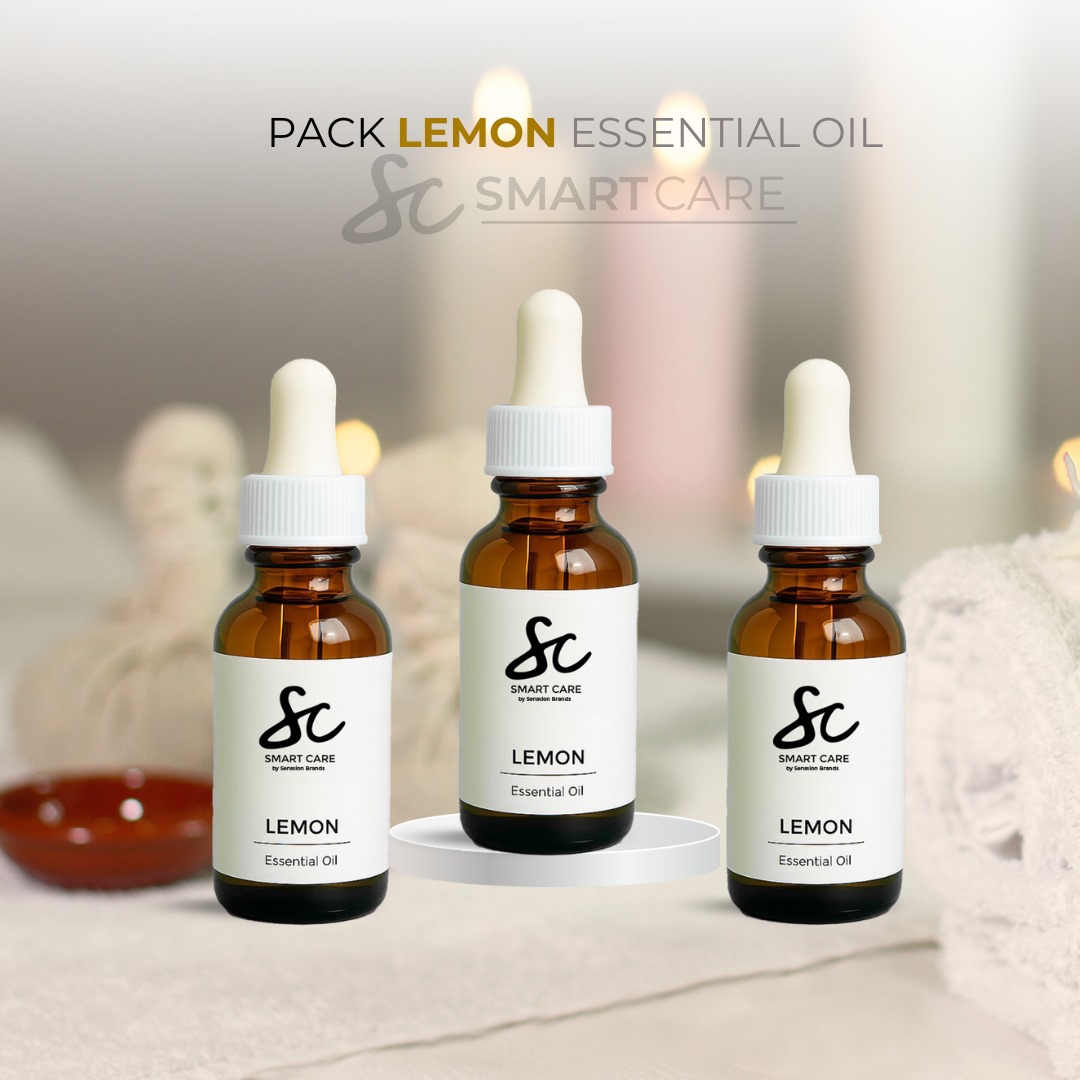
In conclusion, lemon essential oil stands out as a versatile and beneficial addition to various aspects of life. From its historical significance and therapeutic uses to its practical applications and environmental considerations, it offers a holistic approach to wellness. By embracing this vibrant oil, you not only enhance your own life but also contribute to sustainable practices that protect our planet. So why not invite the uplifting energy of lemon essential oil into your daily routine and experience its transformative effects for yourself?
Frequently Asked Questions
Can lemon essential oil be ingested?
While some lemon essential oils are safe for culinary use, it’s crucial to ensure they are food-grade and consult a healthcare professional before ingestion.
How should lemon essential oil be stored?
Store lemon essential oil in a cool, dark place, ideally in a glass bottle with a tight seal to maintain its potency.
Is lemon essential oil safe for pets?
Lemon essential oil can be toxic to pets, particularly cats and dogs, so it’s best to avoid using it around them or consult a veterinarian.
Can lemon essential oil help with anxiety?
Yes, lemon essential oil is known for its uplifting aroma, which may help reduce anxiety and promote a sense of calmness when used in aromatherapy.
How is lemon essential oil different from lemon juice?
Lemon essential oil is a concentrated extract derived from the peel, while lemon juice is the liquid extracted from the fruit itself, each with distinct uses and benefits.