
 Penelope Hailey
Feel good scents have a remarkable ability to enhance our emotional state, transforming an ordinary day into a blissful experience. These scents, whether familiar from childhood or new discoveries, can create a sense of comfort and joy in our lives.
The connection between smell and emotion is deeply rooted in human psychology, as certain fragrances have been shown to trigger positive feelings and memories. From the calming aroma of lavender to the invigorating scent of citrus, understanding the impact of these scents on our well-being opens up a world of possibilities for improving our mental health and daily experiences.
Exploring the Psychological Impact of Feel Good Scents
The connection between scent and emotion is a fascinating area of study. Our sense of smell is deeply tied to the brain’s limbic system, which governs emotions and memories. This biochemical relationship explains why certain scents can evoke feelings of happiness, calmness, or nostalgia. By understanding the psychological impact of feel-good scents, we can harness their power to enhance our daily lives.
Scent can significantly influence mood and mental well-being through various mechanisms. For instance, research has shown that when we inhale certain aromas, neurotransmitters such as serotonin and dopamine may be activated, leading to improved mood and emotional states. The olfactory bulb, responsible for processing smells, has direct connections to the amygdala and hippocampus—areas of the brain that play vital roles in emotional regulation and memory formation. This anatomical relationship highlights why smells can trigger vivid memories and strong feelings.
Connection Between Specific Scents and Psychological Well-Being
Numerous scents are recognized for their ability to promote positive psychological states. Each carries unique properties that can induce relaxation, enhance mood, or evoke pleasant memories. The following examples illustrate how specific scents impact emotions and mental health:
- Lavender: Known for its calming effects, lavender is often used in aromatherapy to reduce anxiety and promote restful sleep. Its fragrance has been shown to lower heart rates and anxiety levels in individuals.
- Citrus: Scents like lemon and orange are associated with freshness and vitality. They can uplift mood and energize the mind. Studies have found that citrus scents can enhance feelings of happiness and reduce stress.
- Vanilla: The sweet aroma of vanilla is often linked to feelings of comfort and warmth. It has been found to evoke positive memories and can create a sense of nostalgia, making individuals feel more content and relaxed.
- Peppermint: The invigorating scent of peppermint is known to stimulate alertness and enhance cognitive function. It is often utilized in work environments to increase focus and productivity.
- Rose: The floral scent of rose is associated with feelings of love and happiness. It can help relieve stress and anxiety, providing a sense of emotional balance and comfort.
These examples highlight how integrating feel-good scents into our environments can enhance psychological well-being, offering a simple yet effective tool for improving mood and emotional health.
The Role of Aromatherapy in Enhancing Well-being
Aromatherapy is a holistic healing practice that harnesses the power of essential oils and feel-good scents to enhance physical and emotional well-being. This therapeutic approach employs aromatic plant compounds to promote relaxation, reduce stress, and support mental health. By engaging the sense of smell, aromatherapy can influence the brain’s limbic system, which is responsible for emotions, thereby providing a natural method of improving overall wellness.
Essential oils are at the heart of aromatherapy, and each oil possesses unique properties that can aid in relaxation and comfort. Some of the most effective essential oils in promoting a sense of peace and tranquility include:
Essential Oils for Relaxation and Comfort
Understanding the different essential oils and their specific calming effects is crucial for effectively incorporating them into daily life. Here’s a closer look at some essential oils renowned for their relaxation properties:
- Chamomile: Known for its calming attributes, chamomile is often consumed as a tea or used in oil form to alleviate stress and promote a restful night’s sleep.
- Ylang Ylang: This oil is prized for its ability to reduce blood pressure and induce feelings of happiness and relaxation, making it a popular choice for stress relief.
- Bergamot: This citrus-scented oil has been shown to reduce feelings of anxiety and improve mood, making it a fantastic companion for daily stress management.
- Sandalwood: With its rich, woodsy aroma, sandalwood oil is often utilized in meditation practices, helping to quiet the mind and promote emotional balance.
Incorporating aromatherapy into daily routines can significantly enhance mental health and overall well-being. Various methods can be employed to infuse essential oils into everyday life.
Diffusing essential oils is one of the most popular methods. Using an essential oil diffuser, you can disperse the scent throughout your space, creating a calming atmosphere. This method is particularly effective in areas where you spend a lot of time, such as your home office or bedroom.
Topical application is another effective way to enjoy the benefits of essential oils. Diluting essential oils with a carrier oil and applying them to pulse points, such as wrists or behind the ears, can provide a personal, portable aromatherapy experience. This can be especially soothing during moments of stress or anxiety.
In addition to these methods, incorporating aromatherapy into self-care routines can elevate the experience. Adding a few drops of essential oil to bath water transforms a simple bath into a relaxing spa-like experience. Similarly, using essential oils in massage can enhance the therapeutic benefits of bodywork, promoting both physical relaxation and emotional release.
Employing these techniques not only cultivates a calming environment but also helps individuals become more mindful and present in their daily lives, leading to improved mental health and emotional resilience.
Cultural Significance of Scents That Make Us Feel Good
Throughout history, scents have held a special place in various cultures, often intertwined with spiritual practices and emotional experiences. The power of fragrance can evoke memories, enhance mood, and even connect individuals to their heritage. Different cultures utilize scents for various purposes, establishing a deep-rooted significance that goes beyond mere olfactory pleasure. Whether through rituals, celebrations, or daily practices, the scents that uplift us create a bridge between the physical and the spiritual, enhancing our sense of belonging and identity.
One of the notable aspects of scent in cultural identity is its role in rituals and ceremonies, where specific aromas are believed to facilitate a connection to the divine or invoke positive emotional states. Various cultures have unique practices that highlight this connection. Below are three examples that demonstrate the importance of feel-good scents in different cultural contexts:
Cultural Practices and Rituals Involving Scents
The following practices illustrate how different cultures incorporate scents into their spiritual and emotional lives, showcasing the profound impact of fragrance on cultural identity.
- Aromatherapy in Traditional Chinese Medicine: In Chinese culture, essential oils and aromatherapy play a vital role in healing and relaxation. Various herbs and flowers, such as lavender and chamomile, are used to soothe the mind and body, providing emotional upliftment and a sense of tranquility.
- Frankincense and Myrrh in Religious Ceremonies: These two resins are integral to many religious rituals, especially in Christianity and various African traditions. Burning frankincense during prayers is believed to purify the space and invite divine presence, while myrrh is used for its calming properties, promoting a feeling of spiritual peace.
- Incense in Indian Festivals: In India, the use of incense, particularly during festivals such as Diwali, is a common practice. The fragrant smoke of sandalwood and jasmine is thought to carry prayers to the heavens, while also uplifting the spirits of those who partake in the celebrations.
The importance of scent in cultural identity and tradition cannot be overstated. Fragrance acts as a powerful symbol, often linked to memory and emotional experiences. It is through scent that individuals can revisit cherished moments and connect with their roots. In many cultures, specific scents are associated with familial gatherings, festivals, and rites of passage, creating a shared experience that fosters community and belonging. The act of using particular fragrances can also reflect social status, cultural heritage, and personal identity, making scents an essential component of cultural expression. As societies continue to evolve, the significance of scents remains a steadfast thread in the tapestry of human experience, deeply engraved in rituals and daily practices that enrich our lives and connect us to our past.
Creating a Personal Feel Good Scents Collection
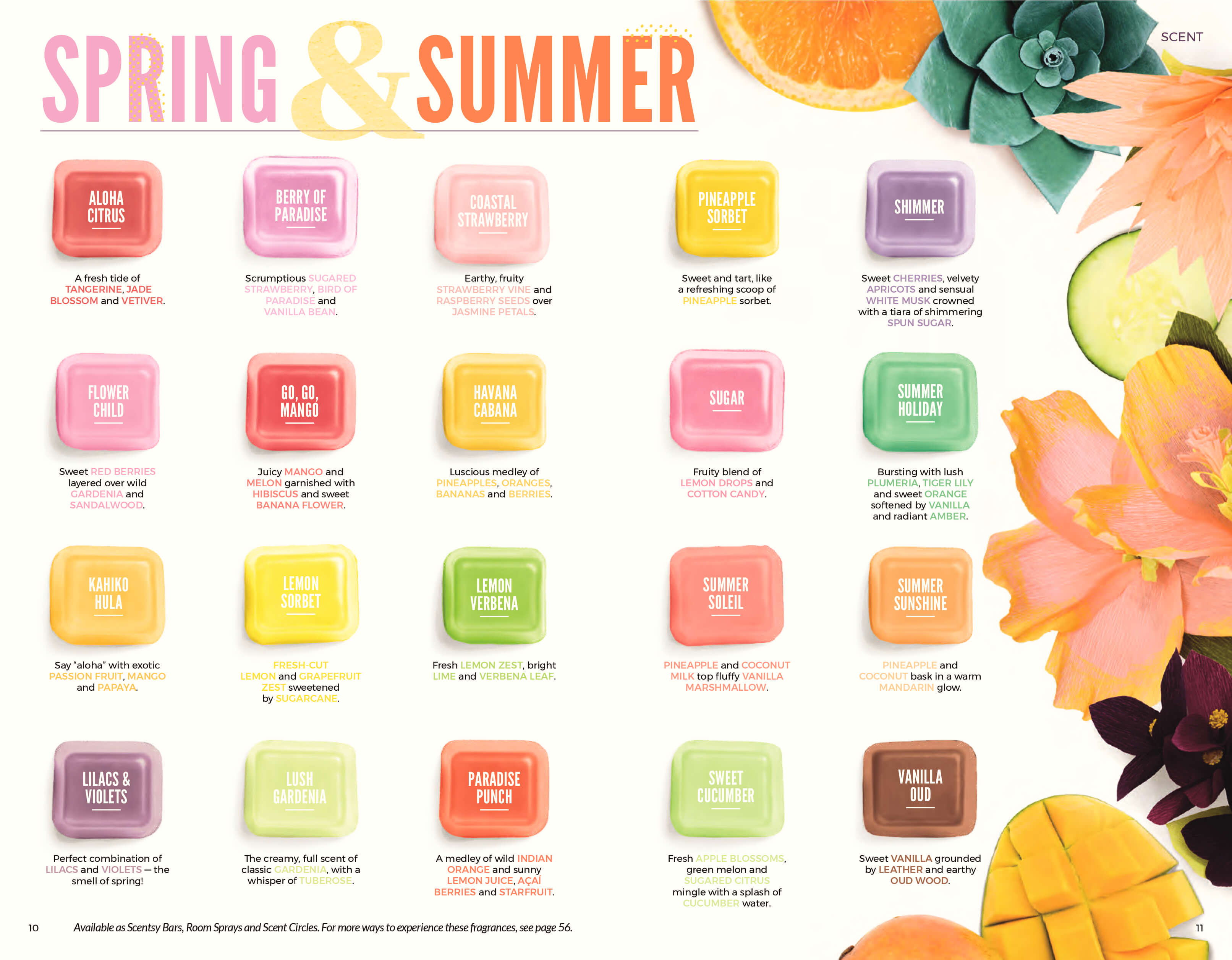
Building a personal collection of feel-good scents is an enjoyable journey that allows you to express your unique style and preferences. Each scent can evoke memories, enhance moods, and create an atmosphere that resonates with your personal experiences. By curating a collection tailored to your needs, you can easily access scents that uplift your spirit and enhance your daily activities.
To start creating your personal feel-good scents collection, follow this step-by-step guide. Begin by assessing your current scents; this might include perfumes, essential oils, or scented candles. Take note of what you already own and identify which ones resonate with you the most.
Next, explore various scent families. Common categories include floral, citrus, woody, and spicy. Understanding these families will help you recognize which scents you are naturally drawn to. After identifying preferred scent families, consider your moods and the activities you associate with different scents.
Cataloging Scents Based on Moods and Activities
Categorizing your collection based on moods and activities can enhance your scent selection process. Here are some ways to group your scents effectively:
- Relaxation: Scents like lavender and chamomile are soothing and ideal for unwinding after a long day.
- Focus: Scents such as rosemary and peppermint can boost concentration, making them perfect for study sessions or work environments.
- Invigoration: Citrus scents like lemon or orange can energize your mornings and provide a refreshing start to your day.
- Romance: Scents like vanilla and jasmine often evoke feelings of warmth and intimacy, great for a cozy evening.
- Celebration: Spicy scents such as cinnamon or clove can create a festive atmosphere, perfect for gatherings and special occasions.
Incorporating these categories into your scent collection allows you to quickly select an appropriate fragrance for any situation, enhancing your overall experience.
When it comes to selecting and blending scents, personalizing your collection can be a rewarding adventure. Begin with a few favorite scents and explore combinations that appeal to you. The key to blending is to balance the notes; typically, a base note, middle note, and top note can create a harmonious fragrance.
“Layering scents can amplify their effects, creating unique fragrances that reflect your individuality.”
Experiment with different ratios to find a blend that resonates with your senses. For instance, combining a light floral scent with a rich woody base can create depth and complexity. Additionally, take notes on your blends to help recreate favorites in the future. Consider the use of essential oils, which can be blended in a rollerball for personal application or used in diffusers to fill a room with aromatic delights.
By taking these steps, you’ll build a collection that not only smells good but also aligns with your lifestyle and emotional needs.
The Connection Between Scents and Memory Recall
The relationship between scents and memory is a fascinating area of study that highlights how our olfactory system is intricately linked to our past experiences and emotions. Scents can evoke vivid recollections and feelings, often transporting us back in time to significant moments in our lives. This phenomenon occurs because the olfactory bulb, responsible for processing smells, is closely connected to the limbic system, the area of the brain that governs emotions and memory.
Numerous real-life examples illustrate how scents can serve as powerful triggers for memory recall. For instance, the aroma of freshly baked cookies may remind someone of their grandmother’s kitchen, enveloping them in feelings of warmth and nostalgia. Another common example is the scent of rain, which may evoke memories of playing outside during childhood. These experiences underscore the significance of scents in shaping our emotional landscape, demonstrating how they can instantly influence our mood and mental state.
Real-life Examples and Their Significance
The significance of scent-induced memories extends into various aspects of our lives, influencing everything from personal well-being to therapeutic practices. Here are some notable examples of how scents connect to memories:
- Perfume and Relationships: Many people associate specific fragrances with significant others. For example, the scent of a partner’s cologne can evoke feelings of love and comfort, even in their absence. This emotional link can reinforce bonds and maintain intimacy.
- Nature and Childhood: The smell of grass or pine trees often brings back memories of childhood summers spent outdoors. Such scents can provide a sense of peace and connection to nature, enhancing one’s overall well-being.
- Food and Family Traditions: Scents related to food, like roasted turkey or spiced apple cider, often trigger memories of family gatherings during holidays. These aromas reinforce cultural connections and shared experiences, creating a sense of belonging.
- Therapeutic Settings: In therapy, scents such as lavender are used for their calming properties. The scent can help patients recall positive memories and create a relaxed atmosphere, facilitating emotional healing.
- Art and Creativity: Artists often use specific scents to inspire creativity. For instance, the smell of oil paints might remind a painter of their first art class, sparking motivation and passion for their craft.
The implications of scent memory extend beyond nostalgia; they play a crucial role in therapeutic settings and personal development. Harnessing the power of scent can aid in stress reduction, improve focus, and evoke positive emotional states, making it a valuable tool in mental health practices. Overall, the connection between scents and memory recall is a testament to the profound impact that our sense of smell has on our lives and well-being.
DIY Projects for Creating Feel Good Scents at Home
Creating a pleasant and inviting atmosphere in your home can be easily achieved through DIY projects that infuse your space with delightful scents. These homemade creations not only enhance the ambiance but also allow you to customize fragrances to suit your personal preferences. Using natural ingredients ensures that your scented products are safe and eco-friendly, promoting overall well-being.
Simple DIY Recipes for Homemade Scented Products
Here are some easy and enjoyable DIY recipes for creating your own scented products at home. These projects utilize natural ingredients, ensuring that your creations are both aromatic and beneficial for your environment.
- Essential Oil Room Spray
Combine 1 cup of distilled water, 1 tablespoon of vodka or rubbing alcohol, and 15-20 drops of your favorite essential oil in a spray bottle. Shake well before use and mist around your home for an immediate scent boost. - DIY Scented Candles
Melt 1 cup of natural soy wax in a double boiler. Once melted, stir in 10-15 drops of essential oil. Pour the mixture into a candle mold with a wick and let it cool until solid. - Herbal Sachets
Fill small fabric bags with dried herbs like lavender, chamomile, or rosemary. Place these sachets in drawers or hang them in your closet to impart a subtle fragrance. - Simmering Potpourri
In a saucepan, combine water, sliced fruits (like oranges and lemons), herbs (such as mint), and spices (like cinnamon sticks). Simmer on low heat to release a warm and inviting aroma throughout your home.
Benefits of Using Natural Ingredients in Scent Creation
Using natural ingredients for creating scents offers numerous benefits, both for your health and the environment. One major advantage is the absence of synthetic chemicals, which can often be found in commercial fragrances and may trigger allergies or respiratory issues. By opting for essential oils and natural botanicals, you create a safer indoor atmosphere.
Natural ingredients tend to have therapeutic properties, enhancing mood and promoting relaxation. For instance, lavender is known for its calming effects, while citrus scents are uplifting and energizing. Moreover, natural scents can evoke memories tied to nature, fostering a sense of well-being and comfort.
Additionally, creating your own scented products is often more cost-effective and allows for greater creativity and personalization. You can tailor fragrances to your specific preferences or occasions, making each project uniquely yours.
Project Plan for DIY Essential Oil Room Spray
To make your own essential oil room spray, follow this simple project plan:
Materials Needed:
– 1 cup distilled water
– 1 tablespoon vodka or rubbing alcohol
– 15-20 drops of your favorite essential oil
– Spray bottle
– Funnel (optional)
Steps:
1. Gather all materials in a clean workspace.
2. Using a funnel, pour 1 cup of distilled water into the spray bottle.
3. Add 1 tablespoon of vodka or rubbing alcohol to help the scent last longer.
4. Drop in 15-20 drops of your chosen essential oil, adjusting the amount based on your scent preferences.
5. Replace the spray bottle cap and shake gently to mix the ingredients.
6. Mist around your home as needed, shaking before each use to ensure the oil is well-distributed.
This DIY project not only allows for customization of scents but also uses simple, natural ingredients that can refresh your living space.
The Impact of Seasonal Scents on Mood and Atmosphere
Seasonal scents play a significant role in shaping our emotions and the ambiance of our surroundings. Each season brings with it distinct fragrances that can uplift our spirits, evoke nostalgia, or create a sense of tranquility. The olfactory system is closely linked to the brain’s limbic system, which is responsible for emotions and memories. This connection is why certain smells can transport us back to specific times or experiences, enhancing our mood in profound ways.
Incorporating seasonal scents into home decor and lifestyle can be a delightful way to enhance the atmosphere of your living space. As the seasons change, so can your choice of fragrances, creating a dynamic environment that reflects the time of year. Here are several effective methods to integrate these scents into your home:
Methods to Incorporate Seasonal Scents
Using seasonal scents can transform the mood of any space. Here are some approaches to achieve this:
- Scented Candles: Opt for candles that reflect the current season. For example, light pumpkin spice candles in autumn to evoke warmth and comfort, while fresh citrus scents in summer can invigorate and energize the space.
- Essential Oil Diffusers: Use essential oils like lavender in spring for a calming effect, or eucalyptus in winter to create a refreshing atmosphere. The method of diffusion can influence the intensity and spread of the scent.
- Potpourri: Create seasonal potpourri blends using dried flowers, spices, and herbs. For winter, cinnamon, clove, and pine can create a festive aroma, while floral scents in spring can provide a refreshing lift.
- Fresh Flowers: Incorporating seasonal blooms not only adds beauty but also provides natural fragrances. The scent of blooming lilies in summer can enhance the uplifting atmosphere, while dried lavender in fall can offer warmth and nostalgia.
Popular seasonal scents include the crisp, clean smell of pine during winter, which can evoke feelings of coziness and festivity. Alternatively, the fragrant blossoms of cherry and jasmine during spring can inspire feelings of renewal and happiness. Each of these scents can significantly impact how we feel in our spaces, making them feel more inviting and aligned with the season. By thoughtfully selecting and incorporating these fragrances, we can create an environment that resonates with our emotions, enhancing our overall mood and well-being.
Incorporating Scents into Mindfulness and Meditation Practices
The integration of feel-good scents into mindfulness and meditation practices offers a powerful tool for enhancing focus and tranquility. Scents have an incredible ability to influence mood and emotional states, making them a valuable ally in achieving a deeper meditative experience. By consciously incorporating specific aromas, practitioners can create a serene atmosphere that invites relaxation and mindfulness, fostering a more profound connection with the present moment.
Aromas can guide the mind into a tranquil state, helping to facilitate concentration and emotional balance. The limbic system, the part of the brain responsible for memory and emotion, is directly influenced by scents. This connection can be harnessed to promote clear thinking and a peaceful mindset during meditation. Scents such as lavender, sandalwood, and eucalyptus are particularly effective, each offering unique benefits that can enhance your practice. For instance, lavender is known for its calming properties, helping to reduce anxiety and promote sleep, while sandalwood aids in grounding and centering the mind.
Creating a Calming Environment Using Scents
Establishing a calming environment with scents during meditation sessions is essential for setting the right mood. The process contributes to a holistic meditative experience, allowing individuals to immerse themselves fully in their practice. Consider the following techniques to infuse your space with feel-good scents:
- Essential Oil Diffusers: Utilize essential oil diffusers to disperse scents evenly throughout your meditation space. Choose oils like bergamot or chamomile for their stress-relieving properties, creating an inviting atmosphere.
- Scented Candles: Light scented candles made with natural ingredients to enhance the ambiance. Scents such as vanilla or jasmine can evoke feelings of warmth and tranquility, promoting a peaceful mindset.
- Incense Sticks: Burning incense sticks, like sandalwood or frankincense, can elevate the sensory experience. The ritual of lighting incense can also serve as a signal to your mind that it’s time to meditate.
- Fresh Flowers: Incorporating fresh flowers, especially those with a fragrant scent like roses or lilies, can enhance your meditation space’s aesthetic and aromatic appeal, inviting a sense of calm and beauty.
- Aromatherapy Sprays: Create or purchase aromatherapy sprays featuring calming essential oils. A light mist of these sprays around your meditation area can set the mood and refresh the air.
By thoughtfully selecting and using scents, individuals can create an environment conducive to mindfulness and deep meditation. Establishing these sensory cues can help to anchor your meditation practice, making it easier to transition into a focused and peaceful state.
Final Conclusion
In conclusion, exploring feel good scents offers a fascinating glimpse into the profound effects of aroma on our emotions and memories. By incorporating these scents into our daily routines and personal rituals, we can cultivate a more positive atmosphere that enhances our overall well-being.
FAQ Resource
What are feel good scents?
Feel good scents are fragrances that evoke positive emotions and uplift mood, often associated with relaxation, comfort, or joyful memories.
How can I use scents to improve my mood?
You can use essential oils, scented candles, or incense in your environment to create a calming atmosphere and trigger positive feelings.
Are there specific scents that help with anxiety?
Yes, scents like lavender, chamomile, and bergamot are known for their calming properties and can help alleviate feelings of anxiety.
Can scents really affect memory?
Absolutely! Certain scents can trigger vivid memories and emotional responses, making them powerful tools for recall and reflection.
What are some DIY options for creating feel good scents at home?
You can create feel good scents by blending essential oils, making potpourri, or infusing oils with herbs and fruits for natural fragrance.