
 Penelope Hailey
Essential oil uses have gained immense popularity in recent years, transcending their traditional roles to become essential components in wellness, cleaning, and even culinary practices. With a diverse range of applications, these concentrated plant extracts are celebrated not just for their delightful fragrances but also for their therapeutic properties. From enhancing emotional well-being through aromatherapy to replacing harsh chemicals in cleaning products, essential oils are revolutionizing the way we approach health and home care.
As we delve deeper into the fascinating world of essential oils, we’ll explore how they can be utilized effectively across various domains of life. This journey will uncover the potential benefits of essential oils, their historical significance, and practical tips for safe and effective usage, making it easier for anyone to integrate these natural wonders into their daily routine.
Essential oil uses in aromatherapy provide a broad spectrum of benefits
Essential oils have gained popularity in recent years for their therapeutic properties, particularly in the realm of aromatherapy. This holistic practice utilizes the aromatic compounds found in essential oils to promote overall well-being. The use of essential oils in aromatherapy can enhance physical, emotional, and mental health, making it a versatile tool for those seeking natural remedies. By harnessing the power of plant extracts, aromatherapy practitioners can provide holistic treatments to address a variety of issues, from stress relief to improved sleep quality.
Aromatherapy works through the inhalation of essential oils, which can stimulate the olfactory system and subsequently influence the limbic system, the part of the brain that controls emotions and memories. This connection is what allows essential oils to have profound effects on mood and emotional states. The therapeutic effects of essential oils can vary widely, including relaxation, stimulation, pain relief, and more. For example, lavender is known for its calming properties, while peppermint can energize and invigorate the senses.
Methods of diffusion in aromatherapy
Various methods exist for diffusing essential oils, each with its unique benefits and applications. The choice of diffusion method can affect the intensity and duration of the aroma, as well as the therapeutic effects experienced.
Steam inhalation is one of the simplest methods to utilize essential oils, particularly for respiratory issues. In this method, a few drops of essential oil are added to hot water, and the steam is inhaled. This can help to open up airways and provide relief from congestion.
Oil burners are another popular way to diffuse essential oils. A small dish holds water and essential oils above a tea light candle. As the candle heats the water, it creates steam that disperses the oil into the air. This method allows for a continuous release of fragrance throughout a room, creating an inviting and therapeutic atmosphere.
Other methods include using electric diffusers that vaporize the essential oils, allowing for a more controlled release and potentially longer-lasting effects. Each method of diffusion can be tailored to individual preferences and needs, making it a personal experience.
Examples of popular essential oils in aromatherapy and their benefits
Several essential oils are particularly popular in aromatherapy due to their wide-ranging benefits. Understanding these can enhance the effectiveness of aromatherapy practices:
- Lavender: Known for its calming and sedative properties, lavender is often used to alleviate anxiety and promote restful sleep.
- Peppermint: This invigorating oil is frequently employed to boost energy levels and enhance mental clarity, making it a favorite during work or study sessions.
- Eucalyptus: Widely recognized for its respiratory benefits, eucalyptus oil can help clear the airways and is often used during cold and flu season.
- Tea Tree: Renowned for its antiseptic qualities, tea tree oil is commonly utilized in skincare for its ability to combat acne and other skin conditions.
- Frankincense: This ancient oil is valued for its ability to promote relaxation and deepen meditation practices, making it a staple in spiritual practices.
The benefits of these essential oils can be amplified when used in conjunction with appropriate diffusion methods, providing a comprehensive approach to wellness. Each oil brings its unique properties to the table, allowing individuals to tailor their aromatherapy experience to their specific needs.
The significance of essential oils in natural cleaning products is worth exploring
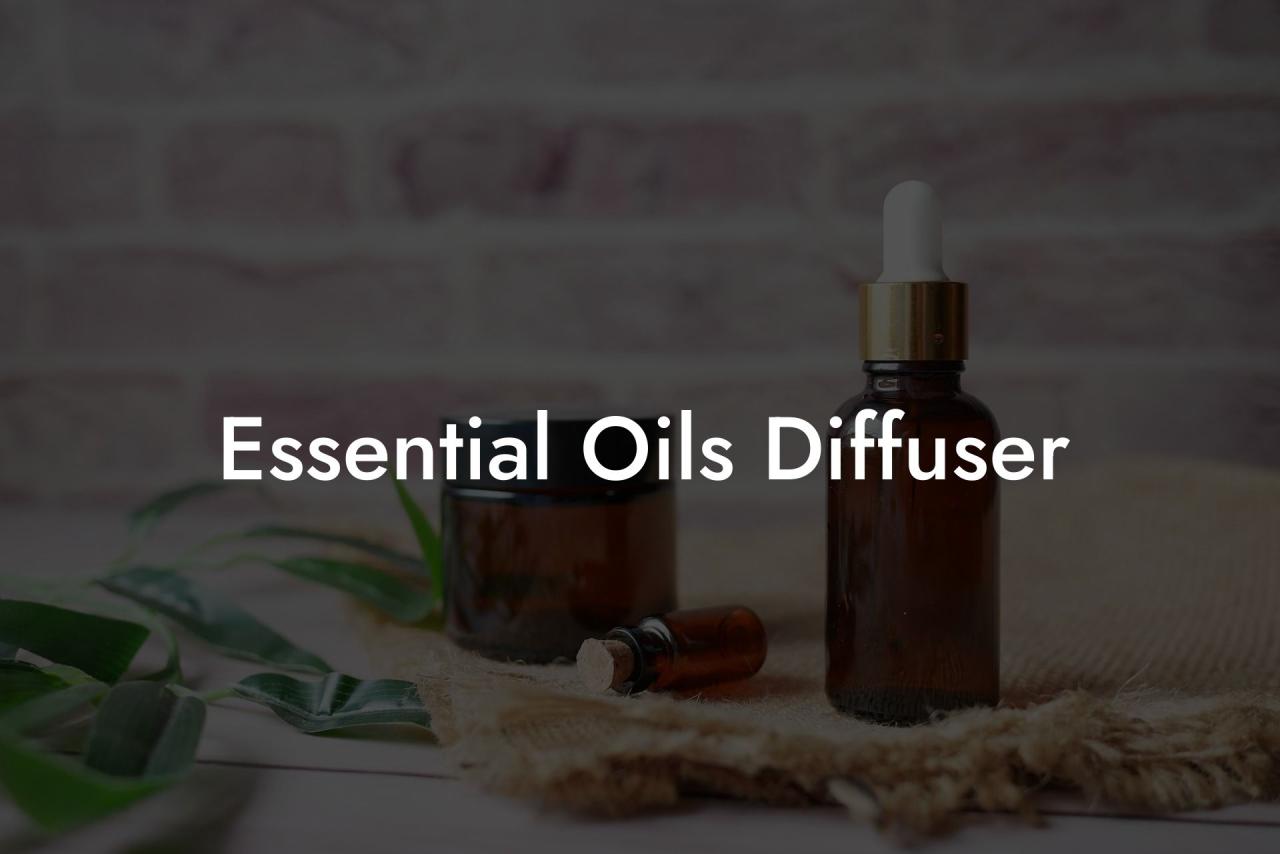
In recent years, the shift towards eco-friendly living has highlighted the importance of natural cleaning products, with essential oils at the forefront. These oils offer a natural, effective alternative to chemical-based cleaners that can be harsh on both our health and the environment. With their potent antibacterial and antiviral properties, essential oils are becoming increasingly popular for household cleaning, providing a safer and more sustainable solution to maintaining a clean home.
Essential oils possess inherent antimicrobial properties that make them effective at combating a variety of pathogens. Unlike conventional cleaning agents that may contain synthetic ingredients, essential oils can break down dirt and grime while also killing bacteria and viruses. Their ability to naturally disinfect surfaces makes them a favored choice for individuals and families looking to reduce their chemical exposure. For instance, tea tree oil has been shown to be effective against staphylococcus and E. coli, while lavender oil not only cleans but also leaves a pleasant fragrance that can promote relaxation and well-being.
Effective essential oils against bacteria and viruses
When considering essential oils for cleaning purposes, it’s crucial to identify which oils have demonstrated effectiveness against common germs and viruses. Below are three essential oils that are particularly noted for their antimicrobial properties:
- Tea Tree Oil: Known for its powerful antiseptic qualities, tea tree oil is effective against a wide range of bacteria, making it ideal for disinfecting surfaces and eliminating odors.
- Lavender Oil: Beyond its soothing scent, lavender oil has antifungal and antibacterial properties, making it beneficial for both cleaning and creating a calming atmosphere.
- Eucalyptus Oil: This oil is not only refreshing but also has antiviral and antibacterial effects, making it a great option for cleaning and purifying the air.
The table below compares the cleaning properties of these essential oils, highlighting their effective applications and notable characteristics:
| Essential Oil | Antimicrobial Properties | Common Uses | Additional Benefits |
|---|---|---|---|
| Tea Tree Oil | Strong antibacterial and antifungal | General cleaning, disinfecting surfaces | Odor elimination, skin health |
| Lavender Oil | Antibacterial and antifungal | Surface cleaner, air freshener | Stress relief, mood enhancement |
| Eucalyptus Oil | Antiviral and antibacterial | Air purifier, surface cleaner | Respiratory health, refreshing aroma |
Incorporating essential oils into cleaning routines not only enhances the effectiveness of natural cleaning products but also promotes a healthier living environment. Their multifaceted properties make them an excellent choice for those committed to maintaining a clean, safe, and eco-friendly home.
Essential oils can enhance emotional well-being through various applications
Essential oils are not just fragrant compounds derived from plants; they serve as powerful agents for emotional enhancement and mental clarity. Their rich aromatic profiles can profoundly affect our mood and overall emotional health. By integrating these oils into daily life, individuals can experience uplifted spirits, reduced stress, and heightened focus, making essential oils a valuable addition to wellness routines.
The impact of essential oils on emotional well-being is closely tied to their ability to interact with the brain’s limbic system, the part responsible for emotions and memories. When inhaled, the scent molecules from essential oils are detected by olfactory receptors in the nose, which send signals directly to the brain. This can trigger a variety of emotional responses, helping to alleviate anxiety, boost mood, and even enhance cognitive function. Studies have shown that certain essential oils can significantly reduce stress levels, promote relaxation, and improve mental clarity, making them an ideal tool for anyone looking to enhance their emotional state.
Methods for incorporating essential oils into daily routines
Integrating essential oils into your daily routine can be both simple and rewarding. Here are several effective methods to experience their uplifting properties:
- Aromatherapy Diffusers: Using a diffuser to disperse essential oils into the air creates an inviting atmosphere. Oils like lavender and bergamot can help reduce anxiety, while citrus oils like lemon and orange can invigorate and energize.
- Topical Application: Diluting essential oils with a carrier oil and applying them to pulse points can provide direct emotional benefits. For instance, applying a blend of frankincense and ylang-ylang on the wrists can encourage relaxation and calmness.
- Inhalation: Simply inhaling essential oils directly from the bottle or adding a few drops to a cotton ball can quickly elevate mood and mental clarity. Eucalyptus is known for its refreshing properties, ideal for a quick mental boost.
- Bathing Rituals: Adding essential oils to bathwater can turn a simple bath into an aromatic experience. Oils like chamomile and lavender promote relaxation, while peppermint can provide invigoration.
- Mindfulness Practices: Incorporating essential oils during meditation or yoga sessions can enhance the experience. Using oils like sandalwood can deepen relaxation and focus during these practices.
Essential oils known for their uplifting properties
Several essential oils are particularly renowned for their mood-enhancing effects. Each oil possesses unique properties that contribute to emotional well-being:
- Lavender: This oil is celebrated for its calming effects, helping to reduce stress and anxiety. Its soothing scent can foster a peaceful environment conducive to relaxation and restful sleep.
- Sweet Orange: Often associated with happiness, sweet orange oil has a bright, cheerful aroma. It uplifts the mood and induces feelings of joy, making it perfect for use during difficult days.
- Peppermint: Known for its invigorating scent, peppermint oil can boost energy levels and mental clarity. It is particularly effective in combating fatigue and enhancing focus, making it ideal for work or study environments.
- Ylang-Ylang: This floral oil is often used to promote feelings of joy and hope. Its sweet aroma can enhance mood while reducing stress, making it a favorite in emotional wellness practices.
- Frankincense: Valued for its grounding properties, frankincense oil can help alleviate feelings of stress and anxiety. It promotes a sense of peace and relaxation, making it beneficial for meditation and reflection.
Incorporating essential oils into daily life provides a holistic approach to enhancing emotional well-being, blending aromatic enjoyment with therapeutic benefits.
The role of essential oils in holistic health and wellness practices
Essential oils have become integral to many holistic health and wellness practices, serving as natural remedies that support physical, emotional, and spiritual well-being. These concentrated plant extracts are utilized in various modalities, promoting relaxation, healing, and balance within the body. Their therapeutic properties align with holistic principles, which emphasize the interconnectedness of the body, mind, and spirit.
In holistic healing approaches, essential oils are often used to enhance treatments like aromatherapy, reflexology, and energy healing. By inhaling or applying these oils, practitioners believe they can influence mental states, emotional balance, and physical health. For example, lavender oil is widely recognized for its calming effects, which can help reduce anxiety and improve sleep quality. Similarly, peppermint oil is appreciated for its ability to invigorate the senses and alleviate headaches. The integration of essential oils into holistic practices aims to address the root causes of ailments rather than merely treating symptoms, aligning with the philosophy of achieving overall wellness.
Benefits of Essential Oils in Massage Therapy
In the realm of massage therapy, essential oils play a significant role in enhancing the therapeutic experience. When added to carrier oils during a massage, they can promote relaxation, relieve muscle tension, and improve circulation. The combination of the physical benefits of massage and the aromatic properties of essential oils creates a multi-faceted treatment that targets both the body and mind.
The benefits of using essential oils in massage therapy include:
- Stress Reduction: Oils like chamomile and bergamot are known for their calming effects, helping clients unwind and reduce stress levels.
- Pain Relief: Oils such as eucalyptus and ginger can provide analgesic properties, alleviating discomfort from sore muscles and joints.
- Improved Mood: Citrus oils like lemon and orange can uplift spirits and boost energy during sessions.
- Enhanced Connection: The use of essential oils can create a more profound sensory experience, promoting a deeper connection between the therapist and client.
To fully harness the power of essential oils for overall wellness, certain oils are regarded as particularly beneficial. These include:
- Lavender: Known for its calming properties and ability to promote sleep.
- Tea Tree: Valued for its antibacterial and antifungal properties, making it great for skin health.
- Frankincense: Used for its grounding effects and potential to support emotional balance.
- Rosemary: Often utilized for improving concentration and cognitive function.
- Ylang Ylang: Recognized for its ability to alleviate feelings of anxiety and stress.
Essential oils can be beneficial in personal care and cosmetics
Essential oils have gained immense popularity in the realm of personal care and cosmetics, captivating both enthusiasts and professionals alike. These concentrated plant extracts offer a plethora of skin benefits, transforming everyday skincare routines into holistic rituals. With their natural origins, they present a wonderful alternative to synthetic ingredients often found in commercial products. Incorporating essential oils into your skincare can not only enhance your beauty regimen but also provide therapeutic effects that nurture the skin and spirit alike.
The incorporation of essential oils into skincare routines is not only about fragrance; it’s about harnessing the natural properties of plants. Essential oils can be used in various ways, such as in moisturizers, serums, or as part of cleansing rituals. Each oil boasts unique benefits that target specific skin concerns, whether it’s the calming scent of lavender or the rejuvenating properties of tea tree oil. When used correctly, these oils can improve the overall health and appearance of the skin, making them a valuable addition to any cosmetic formulation.
Essential oils used in cosmetics and their benefits
To appreciate the potential of essential oils in personal care products, it’s important to recognize their specific uses and benefits. Below is a list of essential oils commonly found in cosmetics, along with their associated benefits:
- Lavender Oil: Renowned for its calming scent, lavender oil can help soothe irritated skin and reduce redness. It’s also known for its antiseptic properties, making it beneficial for minor cuts and burns.
- Tea Tree Oil: A powerful antiseptic, tea tree oil is widely used to treat acne and oily skin due to its ability to kill bacteria and reduce inflammation.
- Rosemary Oil: This oil is excellent for promoting circulation, making it ideal for hair care products. It may also help enhance skin tone and firmness.
- Frankincense Oil: Known for its anti-aging properties, frankincense oil can reduce the appearance of fine lines and promote a more youthful complexion.
- Sweet Orange Oil: The uplifting scent of sweet orange oil is often used in skincare to boost mood, while its vitamin C content helps brighten the skin.
- Geranium Oil: Geranium oil balances oil production and is known for its ability to improve the skin’s elasticity, making it a favorite in anti-aging formulations.
- Peppermint Oil: This refreshing oil helps stimulate blood circulation and can reduce puffiness, making it ideal for eye creams.
In addition to their benefits, it’s crucial to consider safety precautions when using essential oils in personal care products. Proper dilution is key, as essential oils are highly concentrated and can cause irritation or adverse reactions if applied undiluted. It is recommended to mix essential oils with carrier oils, such as jojoba or coconut oil, before application. Testing for sensitivity by conducting a patch test on a small skin area is also advisable. Pregnant or nursing women, individuals with allergies, or those with sensitive skin should consult a healthcare professional before incorporating essential oils into their routine.
“Essential oils can enhance skin health, but safety should always be a priority in their use.”
The cultural significance of essential oils throughout history is noteworthy
Essential oils have played a pivotal role in various cultures throughout history, reflecting deep-rooted traditions and beliefs. These aromatic compounds, extracted from plants, have been utilized not only for their therapeutic properties but also for spiritual and ritualistic purposes. The historical significance of essential oils is evident in how different civilizations integrated them into their daily lives, creating a rich tapestry of practices that continue to influence modern uses.
One of the most notable ancient civilizations that utilized essential oils was the Egyptians. They are well-known for their advanced knowledge of aromatherapy and perfumery, which was deeply intertwined with their religious and cultural practices. Essential oils like myrrh and frankincense were used extensively in the embalming process, believed to aid the deceased in their journey to the afterlife. Furthermore, these oils were also integral to rituals, often burned as offerings to deities. The use of essential oils in ancient Egypt is reflected in modern practices, where oils like frankincense are still used in meditation and spiritual ceremonies, promoting a sense of peace and connection.
The Greeks also embraced essential oils, largely influenced by the Egyptians. Notable philosophers such as Hippocrates and Galen recognized the medicinal properties of various plants and oils. They used essential oils for therapeutic purposes, advocating for aromatic baths and massages to promote health and well-being. The Greeks believed that plant essences could enhance physical and emotional health, a belief that resonates in contemporary holistic healing practices. Today, essential oils like lavender and eucalyptus are widely used in aromatherapy for their calming and soothing effects, showcasing a continuity of ancient wisdom through modern applications.
Another civilization that made significant use of essential oils is the Chinese, particularly within Traditional Chinese Medicine (TCM). Essential oils derived from herbs and plants have been an integral part of TCM for thousands of years. Oils such as ginger and peppermint were used to balance the body’s energy, enhance digestion, and improve overall health. The practice of incorporating essential oils into TCM reflects a profound understanding of the connection between body, mind, and spirit, an approach that modern wellness practices continue to adopt. The resurgence of interest in natural remedies has led to the widespread use of essential oils in various health and wellness routines, echoing ancient practices that prioritized holistic health.
In summary, the historical context of essential oils reveals their diverse applications across different cultures. The practices of the Egyptians, Greeks, and Chinese demonstrate a shared understanding of the healing and spiritual properties of these potent plant extracts. As modern society increasingly turns to natural solutions for health and wellness, the cultural significance of essential oils remains evident, bridging ancient traditions with contemporary practices. This enduring legacy highlights the value of essential oils as not just a trend but as a testament to human ingenuity in the pursuit of well-being.
Essential oils can be used in culinary practices to enhance flavor and aroma
Cooking is an art that has evolved over centuries, and one of the more recent trends is the use of essential oils to enhance flavor and aroma in culinary practices. While traditional herbs and spices have always played a key role in flavoring dishes, essential oils offer a concentrated and potent alternative that can elevate meals with just a few drops. These oils are derived from plants, capturing their essence and aromas, making them versatile in both savory and sweet applications. Unlike dried herbs that might lose flavor over time, essential oils maintain their potency, providing a burst of freshness that can transform a dish. This distinction is crucial for home cooks and chefs seeking to explore new flavor dimensions in their culinary creations.
Edible Essential Oils and Their Culinary Uses
When considering the incorporation of essential oils in cooking, it’s essential to understand which oils are safe for consumption and how to use them effectively. Below is a list of some popular edible essential oils, their culinary applications, and safety tips for use.
- Lavender Essential Oil: This oil is often used in baking to impart a floral note to cakes and pastries. It pairs well with lemon and honey.
- Peppermint Essential Oil: Common in desserts and confections, peppermint oil can add a refreshing flavor to chocolates, ice creams, and teas.
- Oregano Essential Oil: A robust and aromatic oil, it’s perfect for Italian dishes, enhancing sauces, marinades, and dressings.
- Lemon Essential Oil: Ideal for salad dressings and marinades, lemon oil provides a zesty flavor that brightens a variety of dishes.
- Ginger Essential Oil: Often used in Asian cuisine, ginger oil adds warmth and spice to stir-fries, soups, and baked goods.
When using essential oils in cooking, consider the following safety tips:
– Always use food-grade essential oils labeled as safe for consumption.
– Start with a small amount, typically one to two drops, as the flavor is more potent than dried herbs.
– Avoid using essential oils in high-heat cooking methods, as heat can alter their flavor and reduce health benefits.
– Store essential oils in a cool, dark place to preserve their integrity and potency.
For a practical application, here’s a delightful recipe that incorporates essential oils seamlessly into your culinary experience:
Lemon Lavender Shortbread Cookies
These cookies bring a unique twist to the classic shortbread by incorporating the refreshing flavors of lemon and the floral notes of lavender essential oil.
Ingredients:
– 1 cup unsalted butter, softened
– 1/2 cup powdered sugar
– 1 teaspoon lemon zest
– 1-2 drops food-grade lemon essential oil
– 1 drop food-grade lavender essential oil
– 2 cups all-purpose flour
– A pinch of salt
Instructions:
1. Preheat your oven to 350°F (175°C).
2. In a mixing bowl, cream together the softened butter and powdered sugar until light and fluffy.
3. Add the lemon zest, lemon essential oil, and lavender essential oil, mixing well to ensure even distribution.
4. Gradually add the flour and salt, mixing until a dough forms.
5. Roll the dough into balls and place them on a baking sheet lined with parchment paper, flattening each ball slightly.
6. Bake for 12-15 minutes or until the edges are lightly golden.
7. Allow the cookies to cool on the baking sheet for a few minutes before transferring them to a wire rack to cool completely.
These Lemon Lavender Shortbread Cookies are a delightful way to explore the culinary use of essential oils, offering a unique flavor that’s sure to impress your family and friends.
The impact of essential oils on pets and animal care requires attention
Essential oils have gained popularity for their numerous benefits in various aspects of health and wellness, including their application in animal care. While they can enhance the living environment for pets and offer therapeutic advantages, it is crucial to approach their usage with caution. Pets are sensitive to many compounds, and certain essential oils can be toxic to them. Understanding safe practices and recognizing the oils that can be beneficial is essential for any pet owner.
The safe usage of essential oils around pets requires careful consideration of both the type of oil and the method of application. Pets, especially cats and dogs, possess a heightened sense of smell, making them more susceptible to the effects of aromatic compounds. When using essential oils, it is important to ensure proper ventilation and to use them in moderation. Diffusing small amounts of essential oils can help create a calming atmosphere or promote relaxation, but it should be done with the pet’s comfort in mind.
Safe Essential Oils and Their Applications
Several essential oils are known to be safe for pets when used properly. These oils can provide various benefits, such as calming effects or promoting a healthier living environment. Here are some essential oils that are generally considered safe for pets along with their specific applications:
- Lavender Oil: Known for its calming properties, lavender oil can help reduce anxiety in pets. It can be diffused in the home or applied topically in diluted form for a soothing effect.
- Chamomile Oil: Chamomile has anti-inflammatory and calming effects, making it beneficial for pets experiencing stress or discomfort.
- Frankincense Oil: This oil is known for its immune-boosting properties and can be used to help support overall health.
- Ginger Oil: Ginger oil can aid digestion and is often used to alleviate nausea in pets.
While many essential oils can be beneficial, there are also potential risks associated with their use around pets. Certain oils, such as tea tree, eucalyptus, and citrus oils, can be toxic to animals. Signs of toxicity may include excessive drooling, vomiting, or lethargy.
“It is crucial to do thorough research and consult with a veterinarian before introducing any essential oils into your pet’s environment.”
Considerations when using essential oils around pets include ensuring that they are not able to ingest them and observing their behavior closely after exposure. Additionally, pets with pre-existing health conditions or pregnant animals may be more sensitive to essential oils, necessitating extra caution. Regularly monitoring your pet’s reactions and adjusting the use of oils accordingly is a responsible approach to integrating essential oils into their care routine.
Ultimate Conclusion
In conclusion, essential oil uses extend far beyond mere scents, offering a multitude of benefits that enhance our well-being, home environment, and culinary experiences. Whether you are looking to uplift your mood with a few drops during aromatherapy, clean your home naturally without chemicals, or add unique flavors to your dishes, essential oils provide a versatile solution. By understanding their properties and applications, you can harness the power of these natural elixirs to improve your quality of life in countless ways.
FAQ Overview
What are essential oils?
Essential oils are concentrated extracts derived from plants, capturing their fragrance and beneficial properties. They are used in various applications, including aromatherapy, cleaning, and personal care.
Can essential oils be ingested?
Some essential oils are safe for culinary use, but it’s crucial to ensure they are food-grade and consult a professional before ingestion to avoid any harmful effects.
How do I use essential oils safely?
Always dilute essential oils with a carrier oil before applying them to the skin, and conduct a patch test to check for allergic reactions. Additionally, ensure proper ventilation when using them in diffusers.
Are there essential oils that are toxic to pets?
Yes, certain essential oils like tea tree, peppermint, and citrus oils can be toxic to pets. Always research and consult a veterinarian before using essential oils around animals.
What is the shelf life of essential oils?
Essential oils typically have a shelf life of 1 to 3 years, depending on the type. Proper storage in a cool, dark place can help maintain their potency for longer.