 Penelope Hailey
Essential oils for hair have been cherished for centuries in various cultures, weaving a rich tapestry of beauty secrets passed down from generation to generation. From ancient Egyptians using oils like cedarwood and rosemary to promote growth, to the traditional practices of Indian Ayurveda that highlight the nourishing benefits of coconut and jasmine oils, the use of essential oils is deeply rooted in history. These natural extracts not only add alluring scents but also bring a plethora of health benefits to hair, making them indispensable in hair care rituals worldwide.
In modern times, the fascination with essential oils has surged, as more people seek natural remedies to enhance their hair’s vitality and appearance. This exploration into essential oils reveals their remarkable properties, which can promote growth, maintain scalp health, and prevent damage, providing a holistic approach to hair care. With a deeper understanding of their applications and benefits, anyone can unlock the potential of these aromatic oils to achieve healthier, more vibrant hair.
The History and Use of Essential Oils in Hair Care
Essential oils have been cherished for centuries, not only for their delightful fragrances but also for their therapeutic properties. The historical significance of essential oils in hair treatments spans various cultures, each contributing unique practices and beliefs surrounding hair health. From ancient Egypt to modern-day aromatherapy, essential oils have played a vital role in enhancing hair’s vitality and beauty.
In ancient civilizations, essential oils were revered for their health benefits and were often used in hair care through various traditional methods. Egyptians, for instance, utilized oils such as cedarwood and myrrh to promote hair growth and prevent hair loss. These oils were typically mixed with other natural ingredients like honey or milk for enhanced effectiveness. The practice of anointing the hair with aromatic oils was not only a means of beautification but also a spiritual ritual intended to invoke divine protection.
Traditional methods of using essential oils for hair health include massaging the scalp with diluted oils to stimulate blood flow, promoting hair growth and overall scalp health. In India, for example, coconut oil infused with essential oils like jasmine or rosemary has long been a staple in Ayurvedic practices for nourishing hair. The application of these oils often involved the ‘champissage’ technique, where the head is massaged to relieve tension and improve circulation.
Different cultures have their unique approaches to essential oil applications for hair. In the Mediterranean, olive oil infused with essential oils like thyme and lemon is used to strengthen hair and impart shine. Meanwhile, in Japan, essential oils such as ylang-ylang and tea tree are incorporated into hair care regimens to combat dandruff and promote scalp health.
“The history of essential oils in hair care reflects the deep connection between nature and self-care, showcasing centuries-old wisdom that continues to thrive today.”
These cultural practices reveal a rich tapestry of knowledge that continues to inform contemporary hair care regimens, blending tradition with modernity for optimal results.
Common Essential Oils Beneficial for Hair Growth
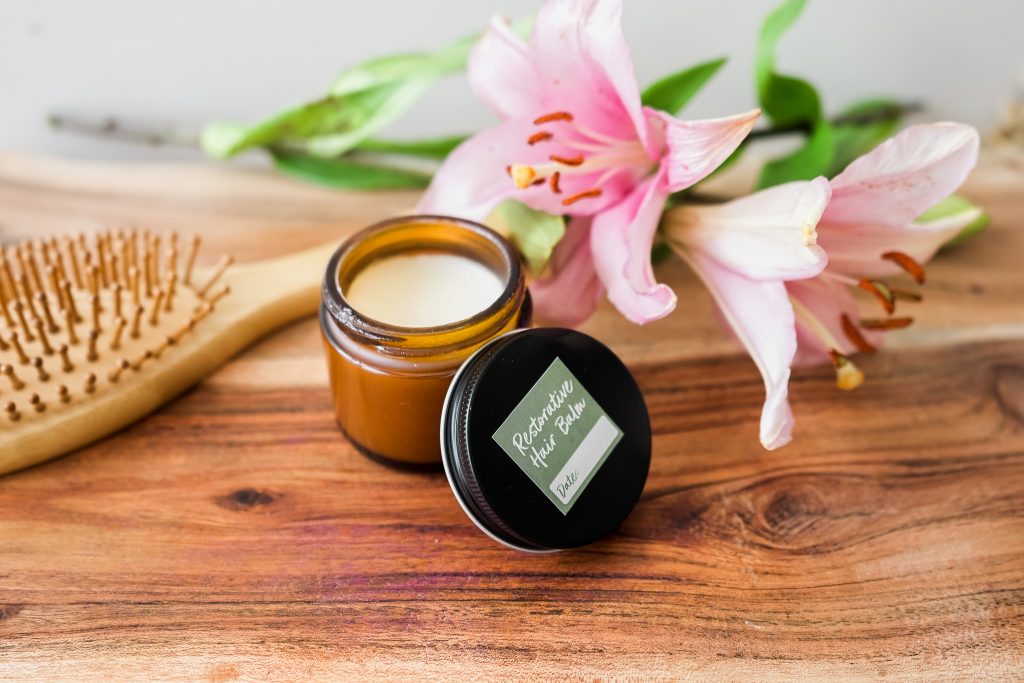
Essential oils have garnered significant attention for their potential benefits in promoting hair growth and enhancing overall hair health. These potent plant extracts are not only fragrant but also rich in various compounds that can nourish the scalp, stimulate hair follicles, and improve hair texture. By integrating essential oils into your hair care routine, you may be able to unlock the potential for healthier, fuller hair. Here, we explore some of the most popular essential oils known for their hair growth-promoting properties.
Popular Essential Oils for Hair Growth
Understanding the unique properties of specific essential oils can help you choose the right ones to support your hair growth journey. Each oil boasts distinct characteristics that contribute positively to hair health. Below are some of the most well-known essential oils and their benefits:
- Rosemary Oil: This oil is renowned for its ability to stimulate blood circulation in the scalp, which in turn can promote hair growth. Studies have shown that rosemary oil can be as effective as minoxidil, a common topical treatment for hair loss, when used consistently over time. Its antioxidant properties also help in reducing dandruff and keeping the scalp healthy.
- Lavender Oil: Known for its calming aroma, lavender oil also has antifungal properties that can help combat scalp conditions like dandruff. Its ability to reduce stress and promote relaxation can indirectly support hair health by reducing hair loss caused by stress. Anecdotal evidence has shown that regular use of lavender oil can lead to thicker hair growth.
- Peppermint Oil: This invigorating oil not only has a refreshing scent but also promotes hair growth by enhancing blood flow to the scalp. A study published in the journal “Toxicological Research” showed that peppermint oil significantly increased hair growth in mice, suggesting its potential benefits for humans as well.
- Tea Tree Oil: This essential oil is widely recognized for its antibacterial and antifungal properties. By keeping the scalp clean and free from excess oil and buildup, tea tree oil can create a healthy environment for hair growth. While more research is needed, many individuals have reported improved scalp health and reduced shedding after using tea tree oil.
- Ylang Ylang Oil: This oil is particularly beneficial for those with dry or brittle hair. Ylang ylang oil helps to balance oil production on the scalp and can also improve hair texture. Its sweet floral scent is an added bonus, making it a luxurious addition to any hair care routine.
The effectiveness of these essential oils in promoting hair growth is supported by both scientific studies and anecdotal evidence. Using them properly—typically diluted in a carrier oil—can enhance their absorption and effectiveness, ensuring that your hair reaps the full benefits. Incorporating these essential oils into scalp massages or homemade hair masks can be a simple yet effective way to nourish your hair from the roots up.
Methods of Applying Essential Oils to Hair
Essential oils have become increasingly popular for enhancing hair health, offering benefits that range from nourishing the scalp to promoting hair growth. However, knowing how to effectively apply these potent oils is key to reaping their full benefits. There are various methods to incorporate essential oils into hair care routines, each with its unique advantages. Understanding the application techniques can help you make the most out of these natural remedies.
One of the most effective ways to utilize essential oils is through direct application to the scalp and hair. This method allows the oils to penetrate hair follicles and nourish the scalp. Another method involves mixing essential oils with carrier oils, which helps dilute the potency of essential oils while enhancing their benefits. Carrier oils, such as coconut or jojoba oil, are excellent for promoting hydration. Lastly, incorporating essential oils into hair products like shampoos and conditioners can provide ongoing benefits while you wash your hair.
Application Techniques and Suitable Oils
To better understand the different methods of applying essential oils to hair, the following table illustrates various techniques along with the best-suited oils for each method.
| Application Technique | Best Suited Oils | Benefits | Recommended Frequency |
|---|---|---|---|
| Direct Scalp Application | Tea Tree, Rosemary | Helps with dandruff and stimulates hair growth | 2-3 times a week |
| Oil Blend with Carrier Oil | Lavender, Peppermint | Conditions hair and promotes relaxation | Once a week |
| Additive in Shampoo/Conditioner | Ylang Ylang, Geranium | Improves hair texture and adds shine | With every wash |
| Hot Oil Treatment | Argan Oil, Cedarwood | Deeply conditions and repairs damaged hair | Once a month |
Mixing essential oils with carrier oils is crucial for optimal results, as it not only helps to prevent irritation but also enhances the effectiveness of the essential oils. Ideally, a general rule of thumb is to use a ratio of 3-5 drops of essential oil for every tablespoon of carrier oil. For instance, if you choose coconut oil as your carrier, mixing 5 drops of lavender essential oil can create a soothing blend perfect for a scalp massage. It’s also important to do a patch test when trying a new oil blend, ensuring that your skin reacts positively before widespread application.
Potential Benefits of Using Essential Oils for Scalp Health
Essential oils have been celebrated for their myriad benefits across various aspects of health and beauty, and scalp health is no exception. The scalp, often overlooked in our hair care routines, plays a crucial role in the overall health of our hair. Essential oils can significantly contribute to maintaining a healthy scalp by addressing various issues and promoting an optimal environment for hair growth. By incorporating essential oils into your hair care regimen, you can experience not just improvements in scalp condition but also enhancements in hair vitality and texture.
The advantages of using essential oils for scalp health are vast and multifaceted. Firstly, many essential oils possess antimicrobial properties, which can help in combating scalp infections that lead to issues like dandruff or folliculitis. Additionally, essential oils can boost circulation to the scalp, which enhances nutrient delivery to hair follicles. This improved blood circulation fosters healthier hair growth and can even prevent premature hair loss. Furthermore, essential oils often carry soothing properties, making them effective in alleviating irritation and discomfort associated with dry or sensitive scalps. The natural aroma of essential oils also contributes to a relaxing experience, promoting overall well-being during hair care rituals.
Common Scalp Issues and Effective Essential Oils
Understanding common scalp issues is vital in selecting the appropriate essential oils for treatment. Here are several prevalent scalp concerns that essential oils can help alleviate, along with specific oils known for their effectiveness:
- Dandruff: Characterized by flaking and itching, dandruff can be remedied with essential oils such as tea tree oil, which is renowned for its antifungal properties. A few drops mixed with a carrier oil can provide relief and promote scalp health.
- Dry Scalp: A dry, flaky scalp can be uncomfortable and can lead to hair breakage. Lavender essential oil is an excellent choice for hydration and calming irritation, while rosemary oil stimulates circulation, enhancing moisture retention.
- Oily Scalp: An oily scalp can lead to clogged hair follicles and hair that looks limp. Peppermint oil works wonders here, as it helps to balance oil production while providing a refreshing sensation. Combining it with cedarwood oil can further regulate oiliness.
- Itchy Scalp: An itchy scalp can result from numerous factors, including dryness or allergies. Chamomile essential oil is particularly soothing and can reduce inflammation, providing a calming effect.
- Folliculitis: This condition, which involves inflammation of hair follicles, can be tackled effectively with eucalyptus oil due to its antibacterial and anti-inflammatory properties.
Incorporating these essential oils into your hair care routine can not only address specific scalp issues but also enhance the overall health of your hair. Whether through direct scalp application, added to shampoos, or used in scalp massages, the benefits of essential oils are indeed transformative. Regular use can lead to a healthier, happier scalp, creating the perfect foundation for vibrant hair growth.
Safety Precautions When Using Essential Oils on Hair
When it comes to enhancing your hair care routine with essential oils, safety should be a top priority. Essential oils can offer numerous benefits, such as promoting growth, reducing dandruff, and adding shine. However, improper use can lead to adverse reactions. Understanding the importance of safety measures is essential for a positive experience and to reap the full benefits of these potent substances.
Before incorporating essential oils into your hair care regimen, it’s important to acknowledge the potential for allergic reactions and skin sensitivities. Individuals may experience an array of reactions ranging from mild irritations to severe allergic responses, depending on the oil and their unique body chemistry. Common symptoms include redness, itching, swelling, and in extreme cases, anaphylaxis. Oils like peppermint, tea tree, and eucalyptus are known to cause sensitivities in some individuals. Therefore, a cautious approach is necessary to ensure your scalp and hair remain healthy.
Guidelines for Diluting and Patch Testing Essential Oils
Incorporating essential oils into your hair care routine requires proper techniques to avoid discomfort. Dilution of essential oils is critical since they are highly concentrated and can irritate the skin if used undiluted. Always mix essential oils with a carrier oil, such as coconut, jojoba, or olive oil, which not only helps to dilute the oil but also provides additional nourishment to your hair. A general guideline is to use a ratio of about 2-3 drops of essential oil per tablespoon of carrier oil. This ensures that you still gain the therapeutic benefits without compromising your scalp’s health.
Before applying any essential oil mixture to your hair or scalp, it’s vital to perform a patch test. This simple step can prevent adverse reactions. To conduct a patch test, apply a small amount of the diluted essential oil to a discreet area of skin, such as the inside of your wrist or behind your ear. Wait for 24 hours and observe for any signs of irritation or allergic reactions. If no symptoms appear, it is generally safe to proceed with the application on your hair.
Always prioritize safety by diluting essential oils and performing patch tests to prevent adverse reactions.
By adhering to these safety precautions, you can enjoy the benefits of essential oils in your hair care routine while minimizing risks. Your scalp and hair will be grateful for the extra care, ensuring a healthy and vibrant appearance.
The Role of Essential Oils in Preventing Hair Damage
Essential oils have gained recognition not only for their pleasant fragrances but also for their remarkable ability to promote hair health. With many people facing issues like dryness, split ends, and breakage, these natural extracts offer an effective way to protect and nurture hair. Essential oils help to prevent various types of hair damage by providing essential nutrients and acting as natural remedies against environmental stressors.
The diverse range of essential oils, such as lavender, rosemary, and tea tree, can significantly contribute to hair vitality. Lavender oil, for instance, is known for its calming effects and also stimulates hair growth while reducing hair loss due to its properties that enhance blood circulation to the scalp. Rosemary oil is renowned for its ability to prevent premature graying and combat dandruff, which can lead to further damage if left untreated. Tea tree oil serves as a natural antifungal and antibacterial solution, addressing issues such as scalp irritation and buildup that often contribute to hair breakage.
Effectiveness of Essential Oils Compared to Conventional Hair Care Products
When comparing essential oils to conventional hair care products, it is essential to understand their differing mechanisms and impacts on hair health. Conventional products often contain synthetic chemicals that can strip the hair of its natural oils, leading to long-term damage. In contrast, essential oils maintain the hair’s natural moisture balance, ensuring hydration without the use of harsh additives.
The integration of essential oils into a hair care routine can lead to enhanced results over time. For instance, while a commercial conditioner might provide temporary softness, an essential oil-infused treatment supports long-term hair integrity. Users report fewer split ends and reduced frizz after consistently using essential oils in their regimen. Additionally, the nourishing compounds found in these oils can help restore the hair’s natural shine and resilience, promoting healthier strands overall.
Integrating essential oils into your hair care routine can lead to long-lasting protection against damage, enhancing both the appearance and health of your hair.
The long-term benefits of using essential oils regularly are plentiful. Not only do they protect the hair from damage, but they also promote a healthy scalp environment, which is crucial for optimal hair growth. Furthermore, these oils can help reduce the frequency of haircuts needed due to their ability to strengthen hair fibers, making them less prone to breakage. Therefore, embracing essential oils in your hair care routine is a wise investment for anyone looking to achieve and maintain beautiful, resilient hair.
Customizing Hair Care Regimens with Essential Oils
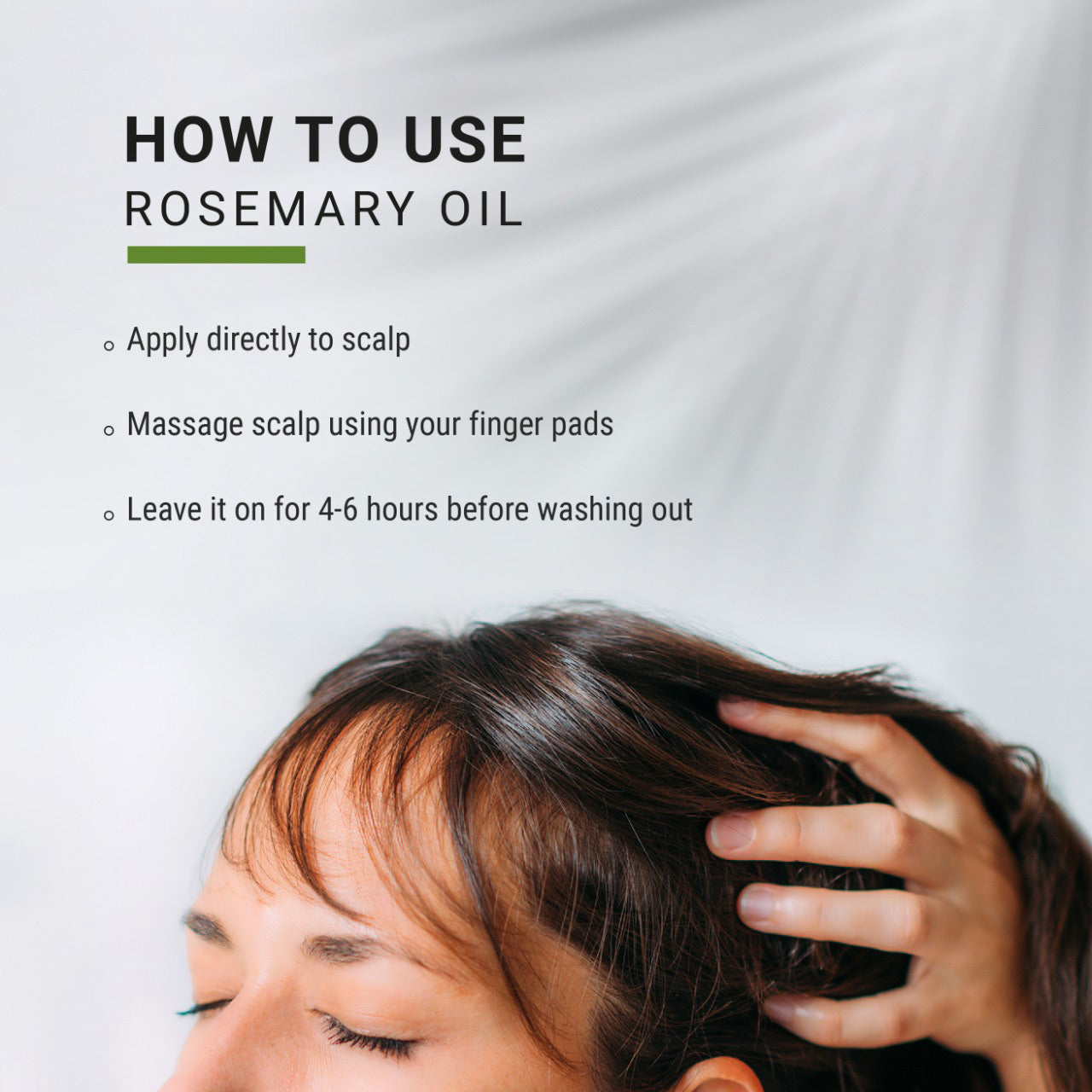
Customizing your hair care regimen with essential oils can significantly enhance the health and appearance of your hair. Each hair type has unique needs, and essential oils can help address specific issues related to dryness, oiliness, or normalcy. By understanding the characteristics of your hair and utilizing the right essential oils, you can create a tailored routine that promotes optimal hair care.
When it comes to customizing hair care routines, it’s essential to identify your hair type first. Dry, oily, and normal hair each require different approaches. Below are suitable essential oil blends for each hair type along with tips for adjusting your routine based on seasonal changes and environmental factors.
Essential Oil Blends for Different Hair Types
It’s crucial to choose the right essential oils to address the unique challenges each hair type presents. The following blends are designed to support dry, oily, and normal hair:
- For Dry Hair:
Consider using a blend of lavender, rosemary, and geranium. Lavender helps to hydrate and soothe the scalp, while rosemary promotes circulation, and geranium balances oil production. - For Oily Hair:
A blend of tea tree oil, lemon, and peppermint can work wonders. Tea tree oil combats excess oil and dandruff, lemon helps to clarify and remove buildup, and peppermint invigorates the scalp. - For Normal Hair:
A mix of chamomile and ylang-ylang can provide balance. Chamomile soothes and adds shine, while ylang-ylang regulates oil production and adds a pleasant aroma.
Customizing your regimen also involves adjusting your essential oil use according to seasonal changes and environmental factors. For instance, during dry winter months, the air can sap moisture from your hair. Incorporating more hydrating oils like jojoba or argan oil into your routine can help combat this dryness. Conversely, in humid summer months where excess oil may be a concern, you might choose lighter oils like lemon or tea tree to keep your hair feeling fresh.
“Adapting your hair care regimen to the seasons ensures your hair remains healthy and vibrant year-round.”
Additionally, pay attention to environmental factors such as pollution or exposure to chlorinated water. In such cases, using clarifying essential oils like rosemary or sage can effectively remove impurities and promote a cleaner scalp. Always remember, the key to a successful hair care regimen using essential oils is to listen to your hair’s needs and be flexible in your approach.
DIY Recipes for Hair Care Using Essential Oils
Essential oils are a fantastic addition to your hair care routine, offering a natural and aromatic way to nourish and revitalize your locks. By incorporating these oils into DIY recipes, you can customize treatments to address specific hair concerns such as dryness, dandruff, or lack of shine. The beauty of essential oils lies in their versatility; they can be blended into shampoos, conditioners, or even used in scalp massages to enhance hair health.
Using high-quality essential oils is crucial in homemade formulations. Pure essential oils are derived from plants and contain concentrated beneficial properties. Low-quality oils may be diluted or contain synthetic additives, which can diminish their effectiveness and even harm your hair and scalp. Always choose organic or therapeutic-grade essential oils to ensure you’re receiving the maximum benefits.
Essential Oil Hair Care Recipes
Here are some effective DIY recipes that incorporate essential oils, tailored to various hair types and needs:
| Recipe | Ingredients | Targeted Hair Benefits |
|---|---|---|
| Moisturizing Hair Mask | 1 ripe avocado, 2 tablespoons olive oil, 5 drops lavender essential oil | Deeply hydrates and nourishes dry hair |
| Scalp Soothing Treatment | 2 tablespoons coconut oil, 5 drops tea tree essential oil, 5 drops peppermint essential oil | Relieves itchiness and reduces dandruff |
| Shine-Enhancing Hair Serum | 2 tablespoons jojoba oil, 5 drops rosemary essential oil, 3 drops ylang-ylang essential oil | Adds shine and smoothness while reducing frizz |
| Strengthening Hair Rinse | 1 cup water, 1 tablespoon apple cider vinegar, 5 drops cedarwood essential oil | Strengthens hair and promotes healthy growth |
| Hair Growth Blend | 2 tablespoons castor oil, 5 drops lavender essential oil, 5 drops rosemary essential oil | Stimulates hair follicles to encourage growth |
| Detangling Spray | 1 cup distilled water, 2 teaspoons aloe vera gel, 5 drops chamomile essential oil | Helps detangle hair while providing hydration |
To prepare these recipes, simply combine the ingredients in a bowl, mix well, and apply them to your hair as directed. For masks and treatments, allow time for the product to penetrate your hair—generally about 30 minutes to an hour—before rinsing thoroughly.
Using fresh, high-quality ingredients will maximize the effectiveness of your DIY hair care recipes.
Incorporating essential oils into your hair care routine not only enhances the health of your hair but also elevates your overall self-care experience. With these DIY recipes, you can tailor your hair treatments to your specific needs, all while enjoying the delightful scents that essential oils provide.
Ending Remarks
In summary, integrating essential oils for hair into your grooming routine not only elevates the experience but also provides tangible benefits for hair health. Whether you’re dealing with hair loss, scalp issues, or simply looking to enhance your hair’s natural shine, essential oils hold the key to unlocking your hair’s potential. By personalizing your regimen and experimenting with DIY recipes, you can embark on a journey towards luscious locks that truly reflect your unique beauty.
Q&A
What are essential oils?
Essential oils are concentrated plant extracts that capture the natural fragrance and therapeutic properties of the plant.
How often should I use essential oils on my hair?
It’s generally recommended to use essential oils 1-2 times a week, depending on your hair type and specific needs.
Can essential oils help with dandruff?
Yes, certain essential oils like tea tree and lavender have antifungal properties that can help alleviate dandruff.
Are essential oils safe for color-treated hair?
Many essential oils are safe for color-treated hair; however, always conduct a patch test and consult with a professional if unsure.
Can I mix different essential oils for hair care?
Absolutely! Mixing different essential oils can create customized blends that cater to your specific hair needs.