
 Penelope Hailey
Essential oils for skin hold a treasure trove of benefits, capturing the attention of both skincare enthusiasts and natural remedy advocates alike. These potent plant extracts are celebrated for their ability to nourish, rejuvenate, and heal the skin, transforming everyday skincare routines into luxurious self-care rituals.
From soothing irritation to promoting a radiant complexion, essential oils bring a wealth of properties to the table. With so many options available, it’s essential to explore how these oils can be effectively integrated into your skincare regimen, ensuring your skin gets the love and care it deserves.
Essential oils that benefit skin health significantly
Essential oils are concentrated plant extracts that carry the natural fragrance and benefits of their source plants. Many of these oils possess properties that can enhance skin health, addressing concerns such as dryness, aging, acne, and irritation. Incorporating essential oils into a skincare routine can provide added nourishment and support for the skin’s overall well-being.
Several essential oils stand out for their notable effects on skin health. Below are five essential oils that are widely recognized for their therapeutic properties and how they can be effectively integrated into daily skincare.
Key Essential Oils for Skin Health
Understanding the specific benefits of essential oils can help you choose the right ones for your skin type and concerns. Here are some essential oils along with their properties and incorporation methods:
- Lavender Essential Oil: Known for its calming properties, lavender oil also has antiseptic and anti-inflammatory qualities. It can help soothe minor burns, cuts, and skin irritations. To incorporate, add a few drops to your moisturizer or dilute it with a carrier oil for a soothing massage.
- Tea Tree Essential Oil: Renowned for its antimicrobial properties, tea tree oil is a common remedy for acne. It helps reduce inflammation and clear clogged pores. Mix a few drops with a carrier oil and apply directly to blemishes or use in a homemade face mask.
- Frankincense Essential Oil: This oil is celebrated for its anti-aging benefits, promoting skin cell regeneration and improving complexion. It is excellent for reducing the appearance of scars and blemishes. Combine it with a facial serum for an enhanced anti-aging treatment.
- Rosemary Essential Oil: Rosemary has powerful antioxidant properties, which help protect the skin from environmental stressors. It can also stimulate circulation, promoting a healthy glow. Add a few drops to your daily moisturizer or use it in a DIY facial steam.
- Geranium Essential Oil: Geranium oil is beneficial for balancing oil production and improving the appearance of skin tone. It helps in skin toning and can reduce the appearance of large pores. Incorporate it by mixing into a facial toner or your daily cream.
Each of these essential oils can be customized to fit individual skincare routines. When using essential oils, it is crucial to dilute them with a carrier oil, such as jojoba or coconut oil, to prevent skin irritation. By understanding the unique properties of these oils, you can enhance your skincare regimen effectively, ensuring that your skin receives the best possible care.
The role of essential oils in treating common skin conditions
Essential oils have gained popularity not only for their aromatic properties but also for their therapeutic benefits, particularly in skincare. Many individuals turn to these natural remedies to help alleviate a variety of skin conditions. Their unique properties can help soothe irritations, promote healing, and improve the overall appearance of the skin. Below, we explore several common skin conditions that essential oils can assist with, along with the mechanisms behind their effectiveness, and some notable testimonials.
Acne and Blemishes
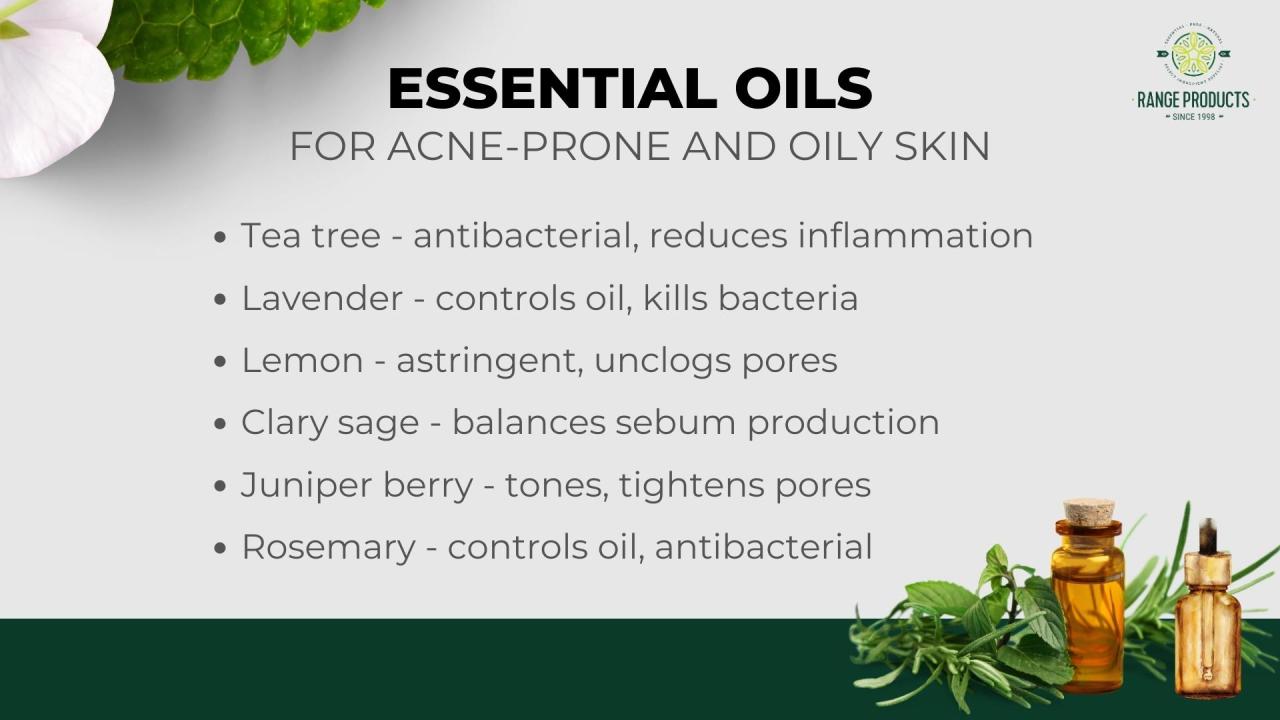
Acne is a widespread skin condition that affects many individuals, particularly teenagers and young adults. Essential oils such as tea tree oil and lavender oil have become popular for their antibacterial and anti-inflammatory properties. These oils can help reduce the severity of acne outbreaks by targeting the bacteria responsible for the condition while calming the skin.
– Tea Tree Oil: Known for its potent antiseptic qualities, tea tree oil effectively combats acne bacteria and reduces inflammation. A study published in the *Medical Journal of Australia* showed that a 5% tea tree oil gel was as effective as a 5% benzoyl peroxide lotion in reducing acne lesions, with fewer side effects.
– Lavender Oil: This oil is renowned for its calming scent but also for its ability to reduce redness and irritation associated with acne. A case study featured in *International Journal of Aromatherapy* highlighted a young woman who experienced significant improvement in her acne after applying a diluted lavender oil blend over several weeks.
Dry Skin and Eczema
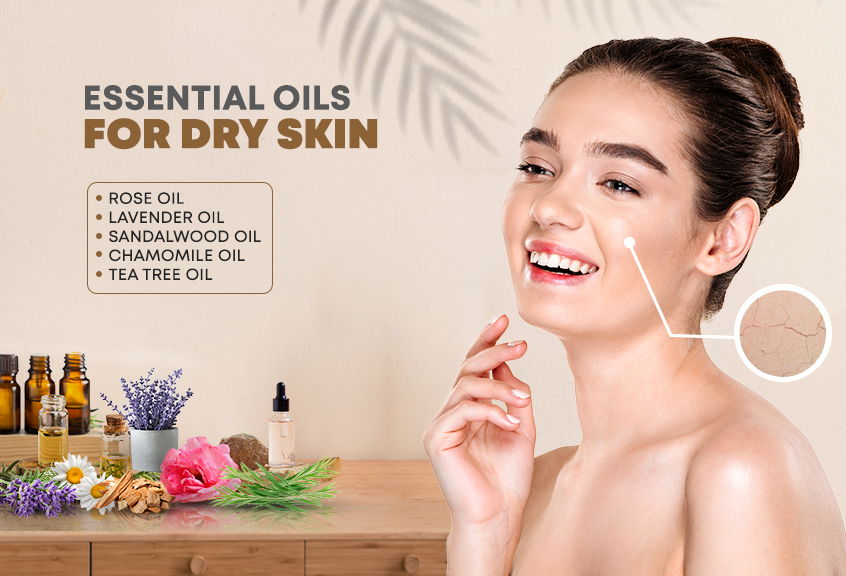
Dry skin and eczema can cause discomfort and a persistent itchy sensation. Essential oils like chamomile and geranium are known for their skin-nourishing and anti-inflammatory properties that help alleviate these conditions. Regular use can lead to better hydration and reduced flaking.
– Chamomile Oil: Its anti-inflammatory properties make chamomile oil an excellent choice for treating dry skin and eczema. A clinical trial in *Dermatology and Therapy* found that patients who applied chamomile-infused cream experienced a notable reduction in eczema symptoms and improved skin hydration.
– Geranium Oil: This oil has been shown to help balance sebum production, making it ideal for individuals with dry or oily skin. Testimonials from eczema sufferers report significant relief after using diluted geranium oil in their skincare routine, resulting in softer, more supple skin.
Hyperpigmentation and Scarring
Hyperpigmentation and scarring can be frustrating skin issues, often leading to a lack of confidence. Essential oils like lemon and frankincense are highly regarded for their ability to promote skin renewal and reduce the appearance of dark spots and scars.
– Lemon Oil: With its natural bleaching properties, lemon oil can help lighten hyperpigmentation. A study in *The Journal of Clinical and Aesthetic Dermatology* noted that participants using a blend containing lemon oil experienced a marked improvement in the appearance of dark spots over a six-week period.
– Frankincense Oil: This oil is known for its skin-rejuvenating properties and ability to fade scars. A case study highlighted a patient who noticed remarkable changes in her scarred skin after incorporating frankincense oil into her daily regimen, leading to smoother and more even-toned skin.
Essential oils are powerful allies in the quest for healthier skin, providing natural support for common skin conditions.
Safe methods of using essential oils on the skin
When it comes to enhancing your skin’s health and appearance, essential oils can be powerful allies. However, they must be used safely to reap their benefits without risking irritation or adverse reactions. Understanding proper application methods and the importance of dilution is critical for anyone looking to integrate essential oils into their skincare routine. Here are some recommended methods for safe application.
Application Methods
There are several safe ways to use essential oils on the skin, each catering to different preferences and skin types. Below are three effective application methods:
- Direct Application with Carrier Oils: This method involves mixing essential oils with carrier oils, which dilute the concentrated oils and help prevent skin irritation. Popular carrier oils include coconut oil, jojoba oil, and sweet almond oil. A general rule is to use 1-3 drops of essential oil per teaspoon of carrier oil for safe application.
- Incorporation into Skincare Products: Adding essential oils to your existing skincare products can enhance their benefits. For instance, you can add a few drops of tea tree or lavender oil to your moisturizer or serum. Ensure that the total amount of essential oil does not exceed 1% of the product’s total volume to maintain safety.
- Diffusion and Inhalation: While this method is more indirect, inhaling essential oils can still provide skin benefits through holistic support for stress relief and relaxation. Using a diffuser to disperse oils like bergamot or chamomile can create a calming atmosphere, indirectly benefiting your skin by reducing stress-related breakouts.
Importance of Dilution
Dilution is crucial when using essential oils on the skin. Essential oils are highly concentrated and can cause skin sensitization or irritation if used undiluted. Achieving the right concentration ensures safety while maximizing the benefits of the oils.
To safely dilute essential oils, you can follow these guidelines:
– For adults: Use a 1% dilution for sensitive skin or facial applications (approximately 1 drop of essential oil per teaspoon of carrier oil). For general applications, a 2-3% dilution is often adequate (2-3 drops per teaspoon of carrier oil).
– For children: A 0.5% dilution is recommended (1 drop of essential oil per 2 teaspoons of carrier oil).
– For pregnant women: Consulting a healthcare professional is advised before using essential oils, as some may not be safe during pregnancy.
DIY Essential Oil Blend for Topical Application
Creating your own essential oil blend can be a fun and rewarding process. Below is a step-by-step guide for a soothing blend suitable for topical application.
1. Gather Your Supplies: You will need a small dark glass bottle (to protect the oils), a dropper, a carrier oil (like sweet almond or jojoba oil), and your chosen essential oils.
2. Choose Your Essential Oils: For a calming blend, consider using lavender (calming), chamomile (soothing), and frankincense (nourishing).
3. Measure the Carrier Oil: Pour 1 tablespoon of carrier oil into the glass bottle.
4. Add Essential Oils: Add the essential oils to the carrier oil. For a 2% dilution, use a total of 12 drops of essential oil (for example, 4 drops of lavender, 4 drops of chamomile, and 4 drops of frankincense).
5. Mix Well: Cap the bottle and gently shake to blend the oils.
6. Label Your Blend: Don’t forget to label the bottle with the date and the contents for easy identification.
7. Perform a Patch Test: Before using your blend on larger areas, apply a small amount to a patch of skin to check for any sensitivity or allergic reaction.
This DIY blend can be applied to pulse points or dry areas of the skin, providing a soothing and aromatic experience. Enjoy the benefits of your homemade essential oil blend while ensuring a safe application process.
Potential risks and side effects associated with essential oils for skin
Essential oils are popular in skincare for their potential benefits, but they also come with risks that users should be aware of. Improper use can lead to adverse reactions, and certain essential oils might not be suitable for everyone. Understanding these risks is crucial for safe application.
Essential oils can cause a range of adverse reactions, especially if used incorrectly or in excessive amounts. Skin irritation, allergic reactions, and photosensitivity are common issues that may arise. For instance, applying undiluted essential oils directly onto the skin can lead to burns or rashes, particularly for sensitive skin types. Moreover, some individuals might experience allergic reactions, which can manifest as redness, swelling, or hives. It is essential to recognize that even natural products can be potent and may not be suitable for all skin types.
High-risk essential oils for certain skin types
Certain essential oils are more likely to cause adverse reactions and should be avoided, particularly for individuals with sensitive skin or specific skin conditions. Here are some essential oils that are considered high-risk:
- Tea Tree Oil: While it has antimicrobial properties, it can cause irritation for some, especially in high concentrations.
- Cinnamon Oil: Known for its warming properties, it can lead to skin burns and irritation, particularly for sensitive skin.
- Oregano Oil: This oil is potent and may cause skin irritation; it should be used with caution.
- Clove Oil: Although beneficial for its antiseptic qualities, it can be highly irritating to the skin.
- Peppermint Oil: The cooling sensation can cause irritation or allergic reactions in some individuals.
It is important to perform a patch test before using any essential oil on the skin. This test helps to identify any adverse reactions before applying the oil more broadly.
Patch test procedure and significance
A patch test is a simple yet effective way to determine how your skin will react to a new essential oil. To perform a patch test, follow these steps:
1. Dilute the Essential Oil: Mix a small amount of essential oil with a carrier oil, such as coconut or jojoba oil. A typical dilution ratio is 1-2 drops of essential oil per teaspoon of carrier oil.
2. Apply to a Small Area: Choose a small, discreet area of skin, such as the inside of your forearm. Apply a small amount of the diluted oil.
3. Wait and Observe: Leave the oil on the skin for at least 24 hours and monitor for any reactions such as redness, itching, or swelling.
If no reaction occurs after 24 hours, it is generally considered safe to use the essential oil more broadly. However, if you notice any adverse reactions, it is best to avoid that oil altogether.
Performing a patch test is a crucial step in ensuring the safe use of essential oils on the skin.
The science behind how essential oils enhance skin rejuvenation
Essential oils have emerged as powerful allies in the quest for skin rejuvenation, capturing attention not only in the beauty industry but also in scientific research. Their natural properties enable them to influence various biological processes that contribute to healthier, more youthful skin. Understanding the science behind essential oils is key to optimizing their benefits in skincare routines and treatments.
Essential oils contain a myriad of bioactive compounds that interact with skin cells, promoting rejuvenation through diverse mechanisms. For instance, many essential oils possess antioxidant properties that combat free radicals, thereby reducing oxidative stress on the skin. This process can prevent premature aging, diminish fine lines, and improve skin elasticity. Additionally, certain essential oils are known to enhance the skin’s ability to retain moisture and stimulate collagen production, essential for maintaining a youthful appearance.
Biological processes influenced by essential oils
The therapeutic effects of essential oils on skin rejuvenation can be attributed to several biological processes, including:
- Anti-inflammatory Action: Essential oils, such as lavender and chamomile, can reduce inflammation by inhibiting pro-inflammatory cytokines, leading to calmer, less irritated skin.
- Collagen Synthesis: Oils such as rose and frankincense have been shown to boost collagen production, which is crucial for maintaining skin firmness and elasticity.
- Cell Regeneration: Certain essential oils, like tea tree and geranium, promote cellular turnover, helping to shed dead skin cells and revealing a fresher complexion.
- Moisturizing Effects: Oils such as jojoba and argan mimic the skin’s natural sebum, providing hydration and preventing moisture loss, which is vital for youthful skin.
Recent scientific studies further endorse the role of essential oils in skincare. Research has demonstrated that specific essential oils can effectively combat acne, as evidenced by a study showcasing tea tree oil’s ability to reduce acne lesions significantly when compared to conventional treatments. Furthermore, a study published in the Journal of Dermatological Treatment highlighted the rejuvenating effects of lavender oil, noting its capacity to improve skin hydration and texture.
Comparison with other natural ingredients
When comparing essential oils with other natural ingredients known for their rejuvenating properties, it becomes clear that essential oils offer unique advantages.
- Essential Oils vs. Botanical Extracts: While botanical extracts like aloe vera and green tea are beneficial for hydration and antioxidant protection, essential oils provide concentrated active compounds that can penetrate deeper into the skin layers, enhancing their efficacy.
- Essential Oils vs. Natural Butters: Ingredients like shea and cocoa butter are excellent for moisturizing, but they lack the diverse range of therapeutic benefits that essential oils offer, such as antibacterial and anti-inflammatory effects.
- Essential Oils vs. Honey: Honey is renowned for its humectant properties, but essential oils can enhance skin rejuvenation through their ability to stimulate cellular activity and promote healing.
In conclusion, the intricate relationship between essential oils and skin rejuvenation is backed by both biological mechanisms and scientific validation. Their unique properties set them apart from other natural ingredients, making them invaluable in skincare formulations aimed at achieving healthier, more youthful skin.
Crafting a personalized skincare routine with essential oils
Creating a skincare routine tailored to your unique needs can elevate your skin health and enhance your natural glow. Essential oils, with their diverse properties, are excellent additions to any skincare regimen. Incorporating them mindfully allows you to address specific concerns while enjoying their therapeutic benefits.
When crafting a personalized skincare routine with essential oils, it’s essential to consider your skin type as well as your particular skin concerns. Different oils possess varying properties that can either soothe, hydrate, or balance the skin. Understanding these properties helps you select the right oils to complement your existing routine and target your specific issues effectively.
Framework for Incorporating Essential Oils
Establishing a skincare routine that includes essential oils involves understanding the basic steps: cleansing, toning, moisturizing, and treating. Here’s a framework to guide you:
1. Cleansing: Start with a gentle cleanser suitable for your skin type to remove impurities.
2. Toning: Use a toner that can hydrate and prep your skin for better absorption of essential oils.
3. Moisturizing: Apply a moisturizer infused with selected essential oils to nourish and protect your skin.
4. Treating: Target specific concerns with concentrated oil blends applied as serums or spot treatments.
When selecting essential oils, consider the following factors:
– Skin Type: Identify whether your skin is oily, dry, combination, or sensitive.
– Skin Concerns: Determine your primary concerns, such as acne, aging, or dryness, to find oils that specifically address these issues.
– Sensitivity: Perform a patch test to ensure that the chosen oils do not irritate your skin.
The table below presents examples of personalized oil blends tailored for different skin issues, illustrating how to combine oils effectively.
| Skin Issue | Essential Oils Blend | Instructions |
|---|---|---|
| Dry Skin | Lavender + Frankincense + Jojoba Oil | Add 2 drops of each oil to 1 tablespoon of jojoba oil and apply after moisturizing. |
| Oily Skin | Tea Tree + Lemongrass + Fractionated Coconut Oil | Mix 2 drops of each oil with 1 tablespoon of coconut oil and use as a spot treatment. |
| Acne-Prone Skin | Rosemary + Geranium + Aloe Vera Gel | Blend 1 drop of each oil into a tablespoon of aloe vera gel and apply to affected areas. |
| Anti-Aging | Rose + Sandalwood + Argan Oil | Combine 2 drops of each oil in 1 tablespoon of argan oil and massage gently into the skin. |
| Sensitive Skin | Chamomile + Lavender + Sweet Almond Oil | Mix 1 drop of each oil with 1 tablespoon of sweet almond oil before applying to soothe irritation. |
Using this framework, you can effectively design a skincare routine that harnesses the power of essential oils, providing your skin with the nourishment and care it deserves while addressing your specific concerns.
Essential oils versus synthetic ingredients in skincare products
The ongoing debate between essential oils and synthetic ingredients in skincare products is essential for consumers aiming to make informed choices. While both options offer unique benefits and drawbacks, understanding their differences can help individuals choose what best suits their skin type and ethical preferences. Essential oils, derived from natural plant sources, are often praised for their holistic benefits, while synthetic ingredients are widely used for their consistency and effectiveness.
Benefits and drawbacks of essential oils and synthetic ingredients
Both essential oils and synthetic ingredients come with their own sets of advantages and disadvantages. Here’s a closer look at how they compare:
- Benefits of Essential Oils:
Essential oils are known for their natural healing properties, which can provide soothing effects on the skin. They often contain antioxidants and vitamins that may promote skin health. For instance, tea tree oil is recognized for its antibacterial properties, making it effective against acne. - Drawbacks of Essential Oils:
On the downside, essential oils can cause irritation or allergic reactions in some individuals. Their potency requires proper dilution, as undiluted oils may lead to adverse skin reactions. For example, citrus oils can increase sun sensitivity. - Benefits of Synthetic Ingredients:
Synthetic ingredients are formulated for consistency and stability, which ensures predictable results. They often contain active compounds that can penetrate the skin effectively, offering targeted solutions like hyaluronic acid for hydration or retinoids for anti-aging. - Drawbacks of Synthetic Ingredients:
Many consumers are wary of synthetic ingredients due to potential side effects and the use of harmful chemicals. Some synthetic formulations may include parabens or sulfates, which can irritate sensitive skin or cause long-term health concerns.
Consumer perceptions of natural versus synthetic skincare products
Consumer attitudes toward natural and synthetic skincare products are largely influenced by personal beliefs and marketing messages.
- Preference for Natural Products:
Many consumers perceive natural products as safer and more beneficial for their health. This stems from an increasing trend towards clean beauty, which emphasizes transparency in ingredient sourcing and formulation. - Concerns about Synthetic Chemicals:
There is a growing skepticism surrounding synthetic ingredients, as consumers link them to potential health risks. This perception drives interest in products that boast “chemical-free” labels, even though these claims can be misleading. - Willingness to Experiment:
Some consumers are open to exploring both types of products, valuing performance over natural sourcing. This demographic is likely to seek products based on specific skincare needs rather than ingredient origin.
Environmental impacts of sourcing essential oils versus manufacturing synthetic compounds
The environmental impact of skincare ingredients varies significantly between essential oils and synthetic compounds.
- Sourcing Essential Oils:
The extraction of essential oils often involves sustainable practices, but the demand for certain oils can lead to overharvesting and habitat destruction. For example, the rising popularity of rose oil has raised concerns about the sustainability of rose cultivation. - Manufacturing Synthetic Compounds:
The production of synthetic ingredients generally requires significant energy and resources, and can result in pollution. Additionally, the creation of these compounds often relies on petroleum-based materials, which raise questions about carbon footprints and resource depletion. - Impact of Regulations:
Environmental regulations can influence both sectors. Some regions have strict guidelines for the sustainable sourcing of essential oils, while synthetic ingredient production is often subject to different standards regarding waste and emissions.
“The choice between essential oils and synthetic ingredients ultimately reflects personal values regarding health, efficacy, and environmental responsibility.”
Last Word
As we wrap up our exploration of essential oils for skin, it’s clear that these natural wonders offer more than just pleasant aromas; they provide real benefits for various skin concerns. By understanding their properties, application methods, and potential risks, you can confidently embrace essential oils in your skincare routine, unlocking a path to healthier, glowing skin.
FAQ Summary
What essential oils are best for oily skin?
Tea tree oil and lavender oil are great choices for oily skin as they help to balance oil production and reduce breakouts.
Can essential oils be used on sensitive skin?
Yes, but they should be properly diluted and a patch test is recommended to check for any adverse reactions.
How do I choose the right essential oil for my skin type?
Consider your specific skin concerns, such as dryness or acne, and select oils known to address those issues, like rose oil for dry skin or peppermint oil for acne.
Is it safe to use essential oils during pregnancy?
It’s advisable to consult with a healthcare professional before using essential oils during pregnancy, as some oils may not be recommended.
How long does it take to see results from using essential oils on the skin?
Results can vary based on the specific oil and skin issue, but many users report noticeable improvements within a few weeks of regular use.