 Penelope Hailey
Ylang ylang oil, derived from the fragrant flowers of the Cananga odorata tree, is more than just a delightful essential oil; it is a cornerstone of cultural practices and wellness traditions across the world. This fascinating oil, with its sweet, floral scent, has found its way into aromatherapy, cosmetics, and even culinary dishes, making it a versatile ingredient cherished for both its fragrance and its therapeutic benefits. As we dive deeper into the essence of ylang ylang oil, we will explore its rich history, extraction methods, and the unique chemical compounds that contribute to its numerous health benefits.
The history and origins of ylang ylang oil
Ylang ylang oil, derived from the flowers of the Cananga odorata tree, has a rich history that dates back to its origins in Southeast Asia. This tropical flower is native to the region, particularly the Philippines and Indonesia, where it has been cultivated for centuries. The name “ylang ylang” translates to “flower of flowers” in Tagalog, emphasizing its revered status in local cultures. Traditionally, ylang ylang oil has played a pivotal role in various cultural and spiritual practices, making its history intertwined with the lives of those who honor its profound qualities.
The discovery and utilization of ylang ylang oil can be traced back to the 19th century when it was first introduced to the Western world. Local communities utilized the oil for its aromatic and therapeutic properties, employing it in traditional ceremonies, rituals, and even in cosmetics. The oil became popular for its calming and aphrodisiac effects, leading to its incorporation into perfumes in France after it was exported from the Philippines. Notably, ylang ylang oil was used by the indigenous people for wedding ceremonies, where it was often strewn over the bride and groom as a blessing for love and prosperity. Over time, its use expanded beyond cultural rituals to encompass a broader audience, including the burgeoning perfume industry in Europe.
Geographic regions of cultivation
Ylang ylang trees thrive in specific tropical climates, leading to their historical cultivation in several key regions. The primary countries where these trees are found include:
- Philippines: Regarded as the birthplace of ylang ylang oil, the Philippines has several provinces that specialize in its cultivation, particularly in Mindanao.
- Indonesia: The island of Java is known for its ylang ylang production, contributing significantly to the global supply of the oil.
- Comoros Islands: This archipelago in the Indian Ocean is famous for producing high-quality ylang ylang oil, often preferred for its rich scent.
- Madagascar: Ylang ylang trees are also grown here, where the unique environmental conditions enhance the flower’s aroma and oil yield.
Ylang ylang oil’s significance extends beyond its production, influencing local economies and cultural identities in these regions. The cultivation of ylang ylang has fostered traditional practices and artisanal skills, contributing to community livelihoods and preserving heritage. Its aromatic allure continues to captivate those across the globe, solidifying its place in both history and contemporary use.
The extraction process of ylang ylang oil
Ylang ylang oil, known for its sweet and exotic fragrance, is derived from the flowers of the Cananga odorata tree. This oil is widely used in perfumery, aromatherapy, and cosmetics. The extraction process of ylang ylang oil is essential for maintaining its quality and aroma, as it influences the potency and therapeutic properties of the oil. Two primary methods are utilized for extracting this coveted oil: steam distillation and solvent extraction. Understanding these methods provides insight into the complexities of ylang ylang oil production and the quality measures involved.
Steam distillation and solvent extraction
Steam distillation is the most common method used for extracting ylang ylang oil. It involves passing steam through the flowers of the plant, causing the essential oils to evaporate. As the steam rises, it carries the oil with it. The steam is then cooled, condensing back into water, and the oil separates from the water due to differences in density. This method is favored for its ability to produce high-quality oil with the full aroma of the flower intact.
Conversely, solvent extraction involves using a solvent, typically a hydrocarbon, to dissolve the essential oils from the plant material. The dissolved oil is then separated from the solvent, often through evaporation. This method is typically employed for delicate flowers like ylang ylang, where steam distillation may cause degradation of the oil’s delicate fragrance. However, solvent-extracted oils may retain some solvent residues, which can affect purity and quality.
The differences between these two methods highlight important considerations for producers and consumers alike:
- Quality: Steam distillation generally yields a purer product, while solvent extraction may result in oils with residual solvents.
- Aroma: Steam distillation preserves the full aromatic profile of ylang ylang, while solvent extraction can alter the scent.
- Yield: Solvent extraction often provides a higher yield of oil compared to steam distillation, which can be beneficial for producers.
- Cost: The steam distillation process is usually more labor-intensive and costly, leading to higher prices for steam-distilled oils.
Quality control measures are vital throughout the extraction process to ensure that the final product meets industry standards. These measures include regular testing of raw materials for purity and potency, monitoring extraction conditions like temperature and pressure, and conducting sensory evaluations of the oil. Additionally, adherence to Good Manufacturing Practices (GMP) helps maintain consistency and safety in the production of ylang ylang oil.
The quality and aroma of ylang ylang oil are significantly influenced by the extraction method used, underscoring the importance of careful selection and monitoring during production.
The chemical composition of ylang ylang oil
Ylang ylang oil, derived from the flowers of the Cananga odorata tree, is renowned not only for its captivating fragrance but also for its complex chemical composition. This essential oil contains a variety of volatile compounds that contribute to its therapeutic properties, making it a popular choice in aromatherapy and natural health practices.
The key chemical compounds found in ylang ylang oil include linalool, geranyl acetate, benzyl acetate, and caryophyllene. Each of these compounds has unique characteristics that influence the oil’s effectiveness in various applications. For instance, linalool is known for its calming effects, often used to promote relaxation and reduce anxiety. Geranyl acetate is attributed to its uplifting properties, making it useful for enhancing mood. Benzyl acetate, with its sweet floral scent, is not only valued for its aroma but also for its potential antibacterial properties. Caryophyllene, a sesquiterpene, is recognized for its anti-inflammatory effects, adding to ylang ylang oil’s therapeutic profile.
The implications of these compounds extend into numerous therapeutic applications. Because of its calming properties, ylang ylang oil is often employed in stress relief and sleep aids. Studies have shown that inhalation of ylang ylang oil can lead to significant decreases in heart rate and blood pressure, which are markers of reduced stress levels. Furthermore, its anti-inflammatory and antimicrobial properties have led to its incorporation in skin care products, providing natural support for conditions such as acne or dermatitis.
Ylang ylang oil’s chemical profile can be compared to other essential oils, such as lavender and tea tree oil. Lavender oil also contains linalool and linalyl acetate, which contribute to its sedative effects, making it a favorite for relaxation and sleep improvement. Conversely, tea tree oil is rich in terpenes like terpinen-4-ol, known for its strong antimicrobial properties. While all three oils serve distinct purposes, ylang ylang oil stands out for its unique combination of floral sweetness and therapeutic versatility.
In summary, the intricate chemical composition of ylang ylang oil not only defines its enchanting scent but also its broad range of therapeutic benefits, setting it apart in the world of essential oils.
The therapeutic benefits of ylang ylang oil
Ylang ylang oil, extracted from the flowers of the Cananga odorata tree, is celebrated for its diverse therapeutic benefits, particularly in traditional medicine. This oil has been utilized for centuries in various cultures, particularly in Southeast Asia, where it is revered not only for its enchanting fragrance but also for its numerous health-promoting properties. The therapeutic applications of ylang ylang extend from mood enhancement to skin rejuvenation, making it a versatile addition to holistic health practices.
In aromatherapy, ylang ylang oil is often employed to elevate mood and alleviate stress. Its rich, sweet scent has a calming effect on the mind, promoting relaxation and reducing anxiety levels. When diffused in the air or inhaled directly, ylang ylang oil interacts with the limbic system, the part of the brain that processes emotions. This interaction can lead to a decrease in cortisol levels, the body’s primary stress hormone. Research has shown that the use of ylang ylang oil can significantly improve feelings of anger, sadness, and irritability. Moreover, it can enhance feelings of joy and inspiration. Many practitioners recommend a few drops in a diffuser during stressful moments or in meditation practices to create a serene environment. Additionally, ylang ylang can be added to massage oils or lotions for a soothing experience that helps ease tension in both the body and mind.
Ylang ylang oil in skincare and beauty treatments
Ylang ylang oil also plays a significant role in skincare and beauty treatments, known for its ability to improve skin conditions and enhance overall appearance. The oil possesses antifungal and antibacterial properties, making it beneficial for treating acne and other skin irritations. Its natural astringent qualities help to balance oil production, making it suitable for both oily and dry skin types.
In beauty rituals, ylang ylang oil is frequently included in various cosmetics and skincare formulations. Here are some notable applications:
- Facial serum: When diluted with a carrier oil, ylang ylang can help moisturize and rejuvenate the skin, reducing the appearance of wrinkles.
- Hair treatment: Its nourishing properties promote healthy hair growth and add shine. It can be used in hair masks or conditioners to restore luster.
- Natural perfume: Due to its delightful scent, ylang ylang is often utilized in perfumes and body sprays, offering a fragrant option that is both enticing and therapeutic.
By incorporating ylang ylang oil into daily beauty routines, individuals can harness its restorative properties while enjoying a sensory experience that soothes both body and mind.
The uses of ylang ylang oil in modern products
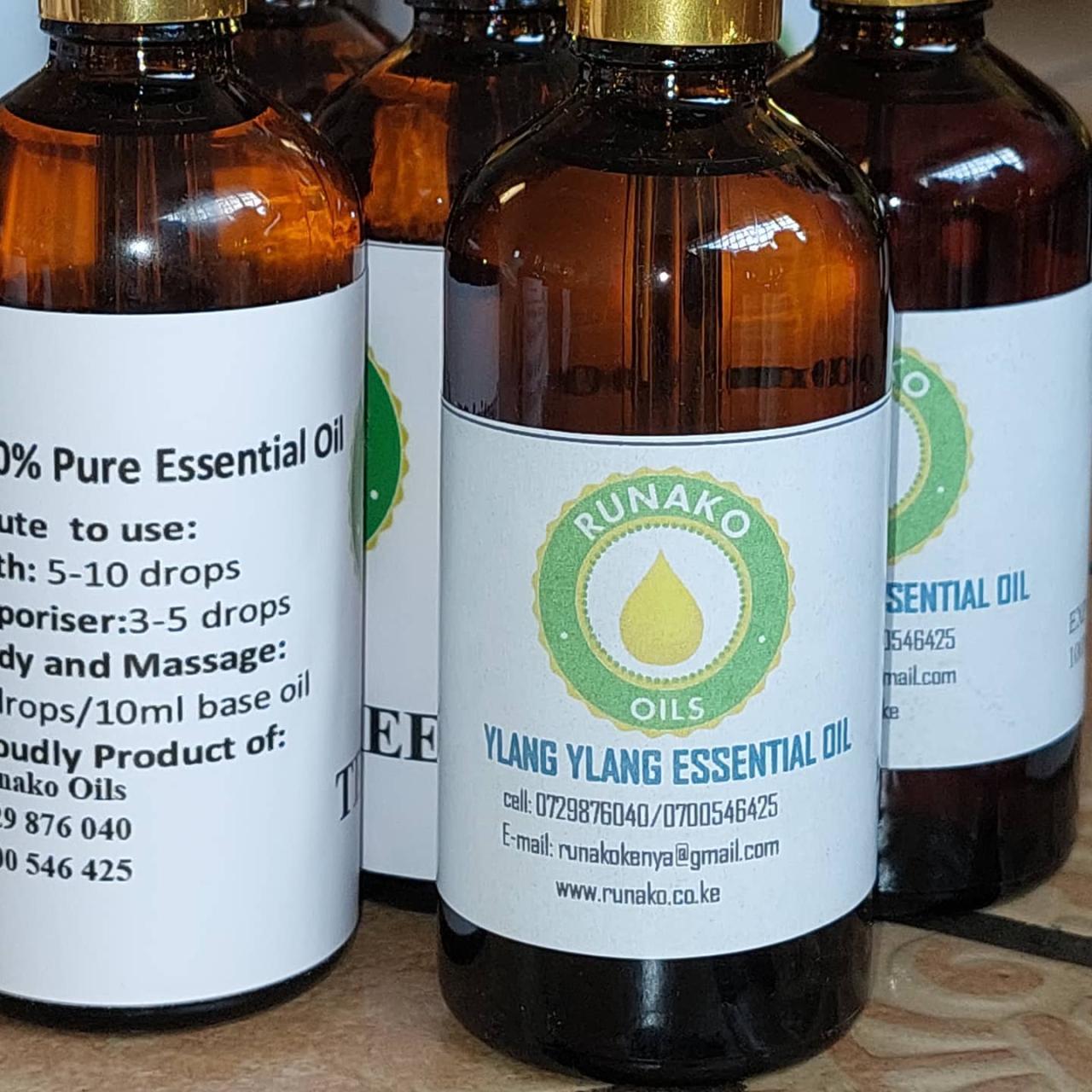
Ylang ylang oil, derived from the flowers of the Cananga odorata tree, has found its way into a variety of modern products due to its unique properties and captivating aroma. This essential oil is celebrated not only for its aromatic profile but also for its potential benefits in cosmetics, personal care, and even culinary applications.
Incorporation in Cosmetic and Personal Care Items
Ylang ylang oil is a popular ingredient in many cosmetic and personal care products, largely due to its soothing and balancing properties. Its sweet floral scent and skin-nourishing benefits make it a favored choice among manufacturers. The oil is often included in formulations designed for various skin types, offering hydration and balancing oily skin while providing a pleasant fragrance.
- Facial Oils and Serums: Many brands incorporate ylang ylang to promote a radiant complexion and minimize breakouts.
- Conditioners and Shampoos: The oil is used for its ability to nourish hair, adding shine and moisture while delivering a luxurious scent.
- Body Lotions: Ylang ylang enhances moisturizing lotions, contributing to relaxation and stress relief during application.
Applications in Perfumery
In the world of perfumery, ylang ylang oil is renowned for its complex olfactory profile, which includes sweet, fruity, and floral notes. This versatility allows it to blend beautifully with a variety of other fragrance notes, making it a staple in high-end perfumes and colognes.
- Signature Fragrances: Ylang ylang oil is often a key ingredient in luxury fragrances, adding depth and exotic allure.
- Middle Note: It is frequently used as a middle note in compositions, providing a rich, floral heart that supports other notes.
- Signature Scent Profiles: This essential oil is a hallmark in many classic perfumes, such as Chanel No. 5, where it contributes to the overall sensory experience.
Trend in Culinary Arts
Beyond its traditional uses, ylang ylang oil is increasingly being explored in culinary arts, known for its aromatic and flavor-enhancing qualities. This trend showcases the versatility of ylang ylang, allowing chefs and home cooks to experiment with its unique flavor profile.
- Infused Beverages: Chefs are incorporating ylang ylang in cocktails, where its floral notes complement botanical spirits, creating refreshing drinks.
- Gourmet Desserts: Ylang ylang is used in desserts like mousses and sorbets, providing an exotic twist to classic recipes.
- Savory Dishes: Some culinary innovators are experimenting with ylang ylang in savory dishes, using it to enhance flavors in sauces and marinades.
The safety and precautions associated with ylang ylang oil
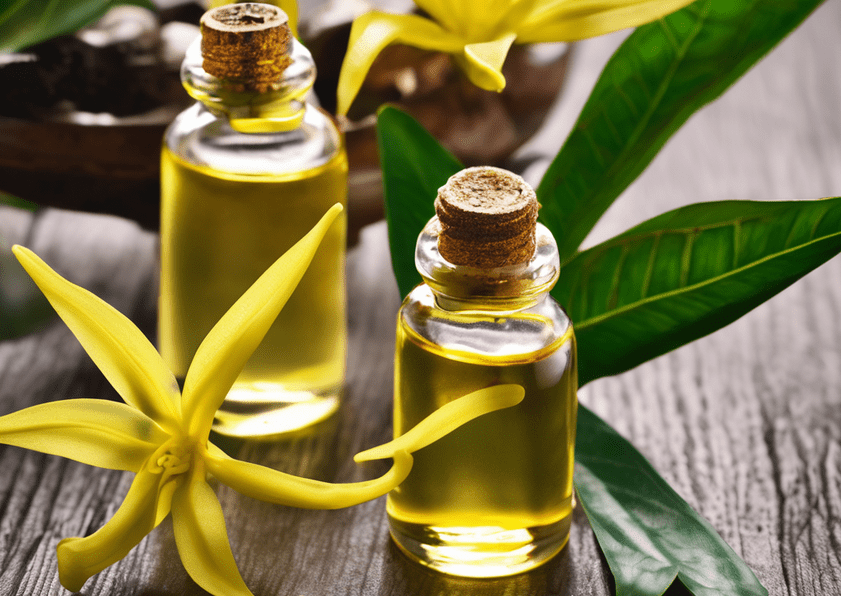
Ylang ylang oil, derived from the flowers of the Cananga odorata tree, is celebrated for its aromatic and therapeutic properties. However, like any essential oil, it comes with its own set of precautions and potential side effects that users should be aware of. Understanding these factors is crucial for safe and effective usage.
Ylang ylang oil may cause a range of side effects, particularly when used improperly or in excessive amounts. Some individuals may experience skin irritation or allergic reactions, especially if they have sensitive skin. Additionally, ylang ylang oil is known to have a potent sedative effect, which can lead to dizziness or headache in some users. It is generally advisable for individuals with existing health conditions, such as low blood pressure or those who are pregnant, to avoid using this oil without consulting a healthcare professional. Moreover, it is important to note that ylang ylang oil should not be ingested in large quantities, as this can lead to toxicity and adverse reactions.
Proper dilution for topical use
To ensure safe application of ylang ylang oil on the skin, it is essential to dilute it appropriately. Essential oils are highly concentrated, and direct application can lead to irritation. The recommended dilution ratio for ylang ylang oil is typically about 2-3% for topical use. This means that for every 1 ounce (approximately 30 ml) of carrier oil, you should add 12-18 drops of ylang ylang oil. Common carrier oils include jojoba, sweet almond, or coconut oil.
It is also essential to store ylang ylang oil in a cool, dark place to maintain its potency and prevent degradation.
Conducting a patch test
Before applying ylang ylang oil more broadly, conducting a patch test is a wise precaution. This test helps identify any adverse reactions without risking extensive skin irritation. Here’s a step-by-step guideline for performing a patch test:
1. Choose a small area of skin, preferably on the inner forearm or behind the ear.
2. Mix one drop of ylang ylang oil with a small amount of carrier oil.
3. Apply the mixture to the selected area.
4. Cover the area with a bandage to prevent it from rubbing off.
5. Wait for 24 hours and observe for any signs of redness, itching, or irritation.
If any adverse reactions occur, it is advisable to discontinue use immediately and consult with a healthcare professional. This simple test can help ensure a safe and enjoyable experience with ylang ylang oil.
The environmental impact of ylang ylang cultivation
Ylang ylang oil, sourced from the Cananga odorata tree, has gained immense popularity due to its aromatic properties and potential health benefits. However, its cultivation can have significant environmental effects, making it crucial to adopt sustainable agricultural practices. These practices not only help maintain ecological balance but also ensure the longevity of ylang ylang farming.
Sustainable agricultural practices for ylang ylang farming include techniques that minimize ecological harm while maximizing yield. Farmers are encouraged to practice agroforestry, which incorporates ylang ylang cultivation alongside other crops or trees. This method promotes biodiversity, improves soil quality, and reduces the risk of pests and diseases. Organic farming is another approach, where synthetic fertilizers and pesticides are avoided. Instead, natural alternatives like compost and organic pest deterrents are utilized. This not only protects the surrounding environment but also enhances the quality of the oil produced.
Challenges in the ylang ylang supply chain
The supply chain for ylang ylang oil faces multiple challenges, impacting both farmers and consumers. One significant issue is the overharvesting of the ylang ylang tree due to increasing global demand. This practice can lead to deforestation and habitat loss, threatening the species and biodiversity in the regions where it is cultivated. Additionally, fluctuating market prices can create instability for farmers, making it difficult for them to invest in sustainable practices.
To address these challenges, local communities and organizations must work together to create fair trade practices. Establishing a certified fair trade system ensures that farmers receive a fair price for their harvest, thereby encouraging sustainable cultivation methods. Implementing reforestation programs can also help restore areas affected by overharvesting, contributing to biodiversity recovery and the stability of the ecosystem.
Furthermore, educating farmers on sustainable practices can enhance their resilience against market fluctuations. For instance, providing training on intercropping and organic farming can empower farmers to diversify their crops, ultimately increasing their income while also benefiting the environment.
Biodiversity plays a vital role in ylang ylang cultivation. The presence of various plant and animal species contributes to a healthier ecosystem, making crops less vulnerable to pests and diseases. This natural balance can reduce the need for chemical interventions, maintaining the integrity of the ylang ylang oil. Promoting biodiversity not only supports the ylang ylang industry but also preserves the unique habitats in which these trees thrive, ensuring a sustainable future for both the environment and local communities.
The future trends of ylang ylang oil in the wellness industry
The wellness industry continues to evolve, with essential oils like ylang ylang gaining traction among health-conscious consumers. This surge is fueled by a growing interest in natural remedies, holistic health, and self-care practices, creating a promising future for ylang ylang oil. As we delve into emerging trends and consumer preferences, it is evident that ylang ylang oil is poised to play a significant role in the wellness landscape.
Emerging trends in the usage of ylang ylang oil
Ylang ylang oil is increasingly recognized for its diverse applications in the wellness industry. One notable trend is its incorporation into personalized aromatherapy blends, where consumers seek tailored experiences that resonate with their individual needs and preferences. This shift towards customization is indicative of a broader movement in wellness, where personalized health solutions are becoming paramount.
Moreover, the rise of mindfulness practices has led to ylang ylang oil being used in meditation and yoga sessions. The oil’s calming properties are believed to enhance emotional well-being and promote relaxation, making it a popular choice among wellness enthusiasts. Additionally, the demand for sustainable and ethically sourced products is shaping the ylang ylang market, as consumers become more aware of the environmental impact of their choices. Brands that prioritize sustainability and ethical sourcing are likely to see increased consumer loyalty.
Consumer preferences are significantly influencing ylang ylang oil products, as buyers now favor products that are both effective and environmentally conscious. There is a noticeable shift towards transparency in product labeling, with many consumers demanding to know the origin and processing methods of the oils they use. This focus on authenticity has prompted brands to highlight their sourcing practices and the quality of their ingredients, ensuring that consumers feel confident in their purchases and the benefits they receive.
Predictions for the market growth of ylang ylang oil indicate a bright future, with an increasing number of consumers exploring natural alternatives to chemical-laden products. According to market analysis, the demand for essential oils, including ylang ylang, is expected to grow steadily over the next decade. Innovations in product formulations, such as the incorporation of ylang ylang oil into skincare lines and dietary supplements, are likely to emerge, driven by ongoing research into the oil’s health benefits. As more studies validate the therapeutic properties of ylang ylang, its popularity in mainstream wellness products will continue to rise.
“The future of ylang ylang oil in the wellness industry looks promising, driven by consumer desire for natural, effective, and sustainable products.”
Summary
In conclusion, ylang ylang oil stands as a testament to nature’s ability to enhance well-being and beauty. With a history steeped in tradition and a bright future in the wellness industry, this oil continues to captivate and inspire. As we embrace the growing trend of incorporating ylang ylang oil into various products and practices, it is essential to appreciate its benefits while being mindful of safe usage. We hope this exploration encourages you to discover the many ways ylang ylang oil can enrich your life.
Query Resolution
What are the main uses of ylang ylang oil?
Ylang ylang oil is commonly used in aromatherapy, skincare, haircare products, and perfumery, valued for its soothing and uplifting properties.
Is ylang ylang oil safe for all skin types?
While many people can use ylang ylang oil safely, it’s crucial to conduct a patch test first to ensure no allergic reaction occurs.
Can ylang ylang oil be ingested?
Ingesting ylang ylang oil is not recommended unless under the guidance of a qualified healthcare provider; it is primarily used topically or aromatically.
How can ylang ylang oil benefit mental health?
Ylang ylang oil is known for its calming effects, helping to reduce stress and anxiety while promoting relaxation and emotional balance.
Are there any environmental concerns with ylang ylang cultivation?
Sustainable farming practices are essential to mitigate environmental impacts, as overharvesting and habitat loss can threaten ylang ylang trees.