 Penelope Hailey
Therapeutic grade essential oils have captivated the wellness community with their potent benefits and distinctive qualities. Unlike standard essential oils, these oils are meticulously extracted and subjected to stringent quality standards, making them ideal for both therapeutic use and holistic healing practices. Understanding their unique characteristics and benefits provides a valuable perspective on how they can enhance our well-being.
These essential oils are defined by their purity, potency, and the methods used in their extraction, which directly affect their efficacy. Popular examples include lavender for relaxation, eucalyptus for respiratory relief, and tea tree oil for its antiseptic properties. By exploring how these oils are sourced, extracted, and applied, we can appreciate their role in enhancing emotional health, alleviating various ailments, and integrating seamlessly into daily wellness routines.
Therapeutic grade essential oils are defined by specific characteristics that differentiate them from standard oils.
Therapeutic grade essential oils are often regarded as the gold standard in the world of aromatherapy and holistic health. These oils are distinguished from standard essential oils by their purity, composition, and the specific characteristics they possess. The term “therapeutic grade” itself implies a level of quality that allows for safe and effective use in various applications, including emotional support, physical wellness, and skin care.
One of the primary characteristics that define therapeutic grade essential oils is their purity. Unlike standard essential oils, which may contain synthetic additives or lower-quality ingredients, therapeutic grade oils are sourced from high-quality botanicals, ensuring that they maintain their natural therapeutic properties. Additionally, these oils undergo rigorous testing for contaminants and are often subjected to a variety of quality control measures, such as gas chromatography and mass spectrometry, to verify their chemical composition.
Standards and regulations governing therapeutic grade oils
The classification of therapeutic grade essential oils is governed by several standards and regulations that vary across regions. In many countries, organizations such as the International Organization for Standardization (ISO) and the United States Pharmacopeia (USP) set forth guidelines that ensure the quality and safety of essential oils. These standards often include criteria for sourcing, processing, and labeling, which help consumers identify genuine therapeutic grade oils.
The essential oil industry is largely unregulated, leading to discrepancies in labeling practices. However, reputable companies adhere to strict internal standards that align with ISO guidelines. For instance, a company might utilize only certified organic plants and guarantee that no synthetic substances are present in their products. This commitment to quality not only enhances the efficacy of the oils but also fosters consumer trust.
Commonly recognized therapeutic grade essential oils include lavender, tea tree, and peppermint. Lavender is celebrated for its calming properties, often used to alleviate stress and promote restful sleep. Tea tree oil is known for its antimicrobial properties, making it a popular choice for skin care and cleansing formulations. Peppermint oil, with its invigorating scent, is frequently utilized to enhance focus and energy levels. Each of these oils showcases unique properties that can address various health and wellness needs, underscoring the importance of selecting high-quality therapeutic grade options for optimal benefits.
The extraction methods used for therapeutic grade essential oils significantly impact their quality and efficacy.
The extraction method employed for therapeutic grade essential oils is crucial, as it can drastically influence the chemical composition, aroma, and therapeutic properties of the final product. Each extraction method has its unique characteristics and pros and cons, which can ultimately affect not only the quality of the oil but also its efficacy in various applications, including aromatherapy and holistic healing.
Steam Distillation
Steam distillation is one of the most common methods for extracting essential oils. This process involves passing steam through plant material, which vaporizes the volatile compounds. Upon cooling, the steam condenses back into liquid, separating the essential oil from the water.
This method is particularly effective for delicate flowers and leaves, preserving their therapeutic properties. The steam distillation process tends to produce high-quality oils with a well-rounded aromatic profile. However, it can also alter some sensitive chemical components due to the heat involved.
The effect of steam distillation on the chemical composition of essential oils may result in a loss of some lighter, volatile compounds that are sensitive to high temperatures, potentially reducing the oil’s overall therapeutic efficacy.
Cold Pressing
Cold pressing is primarily used for citrus fruits like oranges, lemons, and limes. This method involves mechanically pressing the rind to release essential oils without the application of heat.
Cold-pressed oils retain the natural fragrance and therapeutic properties of the fruit. Since no heat is applied, the chemical composition remains largely intact, offering a pure and vibrant aroma. This method is favored for its ability to produce high-quality oils rich in the complex mixture of volatile compounds found in the fruit peel.
The preservation of these compounds contributes to a more robust therapeutic effect, making cold-pressed oils particularly sought after in wellness applications.
Solvent Extraction
Solvent extraction is a method used for delicate flowers and botanicals that may be damaged by heat, such as jasmine or rose. In this process, a solvent, often hexane or ethanol, is used to dissolve the plant’s aromatic compounds. The mixture is then filtered and the solvent is evaporated, leaving behind the essential oil.
While this method is effective at producing aromatic oils, it can also leave behind residual solvents, which may affect the purity and safety of the final product. Moreover, solvent extraction may result in a different chemical profile compared to oils obtained via steam distillation or cold pressing, potentially altering their therapeutic properties.
Ensuring the quality of essential oils often relies on sourcing them from reputable producers who adhere to strict extraction standards. Producers who invest in high-quality raw materials and environmentally friendly extraction methods tend to offer oils that retain their therapeutic qualities. Quality oils not only deliver better aromas but also provide enhanced health benefits, making them a crucial element of aromatherapy and holistic health practices.
The therapeutic benefits of essential oils are well-documented in various holistic practices and medical treatments.
Therapeutic grade essential oils have garnered significant attention in both holistic practices and modern medical treatments, thanks to their diverse applications and proven benefits. These oils, derived from plants, carry unique compounds that can positively influence physical, emotional, and mental well-being. Their versatility allows for a wide array of uses, making them a staple in aromatherapy and alternative medicine.
Essential oils serve various therapeutic purposes, often tailored to address specific health conditions. In aromatherapy, these oils are inhaled or applied topically to support overall wellness and alleviate ailments. For instance, lavender essential oil is widely recognized for its calming properties and is often utilized to reduce anxiety and promote better sleep. Similarly, tea tree oil is celebrated for its antibacterial and antifungal properties, making it a go-to solution for skin irritations and infections. Integrating essential oils into a daily wellness routine can enhance health and bolster emotional resilience.
Specific Uses of Essential Oils for Health Conditions
Understanding the distinct properties of various essential oils allows individuals to choose the right oil for their specific needs. Below is an overview of common essential oils and the conditions they can help alleviate:
- Lavender: Known for its calming effects, lavender oil can help manage stress, anxiety, and insomnia. It is also effective in soothing headaches.
- Peppermint: This invigorating oil aids in relieving headaches, improving digestion, and enhancing mental clarity, making it ideal for use during busy workdays.
- Eucalyptus: Renowned for its respiratory benefits, eucalyptus oil is often used to clear sinuses and alleviate cold symptoms, making it a staple during flu season.
- Chamomile: With its anti-inflammatory properties, chamomile oil can assist in reducing muscle pain and easing digestive issues.
- Tea Tree: This oil is especially effective for skin conditions such as acne and fungal infections, acting as a natural antiseptic.
Integrating therapeutic grade essential oils into daily wellness routines can be accomplished in various ways. Diffusing essential oils in the home environment helps create a calming atmosphere, promoting relaxation and focus. Adding a few drops of lavender or eucalyptus oil to a warm bath can provide a soothing experience that doubles as a self-care ritual. Additionally, topical application mixed with a carrier oil can be beneficial for targeted relief—such as using peppermint oil on the temples to alleviate headaches or applying tea tree oil on blemishes for clearer skin.
Incorporating essential oils into your daily routine not only supports physical health but can also nurture emotional well-being, offering a holistic approach to wellness that aligns with both ancient traditions and modern medicinal practices.
Safety and usage guidelines for therapeutic grade essential oils must be adhered to in order to prevent adverse reactions.

When utilizing therapeutic grade essential oils, understanding safety and usage guidelines is crucial to maximizing their benefits while minimizing risks. Essential oils, while natural, are highly concentrated substances that require careful handling. Misuse can lead to adverse reactions, making it essential for users to be educated on proper practices for dilution and application methods.
Essential oils should be used with caution due to their potency. Proper dilution is necessary to avoid skin irritations and toxic reactions. Most essential oils should be diluted with a carrier oil before applying them to the skin. Common carrier oils include jojoba oil, coconut oil, and sweet almond oil. A basic guideline for dilution is to use a 1-2% dilution for topical applications, which translates to about 1-2 drops of essential oil per teaspoon (5 ml) of carrier oil. For sensitive skin or children, a 0.5% dilution is advisable, which is approximately 1 drop of essential oil per tablespoon (15 ml) of carrier oil.
It’s also important to be aware of the methods of application. Essential oils can be inhaled, applied topically, or diffused. Inhalation is often done through diffusion in the air or by adding a few drops to a bowl of hot water and inhaling the steam. Topical application directly on the skin requires careful consideration of the dilution ratios mentioned earlier. Additionally, some oils may cause photosensitivity, requiring users to avoid sun exposure after applying these oils to the skin.
Potential risks associated with improper use must not be overlooked. Skin irritations can occur, manifesting as rashes, redness, or burning sensations, especially if oils are applied undiluted. Furthermore, certain essential oils may be toxic if ingested or if they come into contact with mucous membranes. For instance, oils such as wintergreen and eucalyptus can be harmful in high doses. Always conduct a patch test before a full application to determine any allergic reactions, particularly for those with sensitive skin or pre-existing health conditions.
Here is a comparison of safe dosage recommendations for various therapeutic grade essential oils:
| Essential Oil | Safe Dosage (Topical Application) | Notes |
|---|---|---|
| Lavender | 1-2% (1-2 drops per teaspoon) | Soothing; good for skin irritations |
| Tea Tree | 1-2% (1-2 drops per teaspoon) | Antimicrobial; may cause irritation if used undiluted |
| Peppermint | 1% (1 drop per teaspoon) | Cooling sensation; can be irritating to sensitive skin |
| Frankincense | 1-2% (1-2 drops per teaspoon) | Anti-inflammatory; generally well-tolerated |
| Citrus Oils (e.g., Orange, Lemon) | 0.5-1% (1 drop per tablespoon) | Photosensitive; avoid sun exposure after application |
Always remember to research and follow specific guidelines for each essential oil, as some may have unique properties and recommendations. Being informed and adhering to safety protocols can enable you to enjoy the therapeutic benefits of essential oils while minimizing potential adverse reactions.
The role of therapeutic grade essential oils in emotional and mental health is gaining recognition among practitioners.
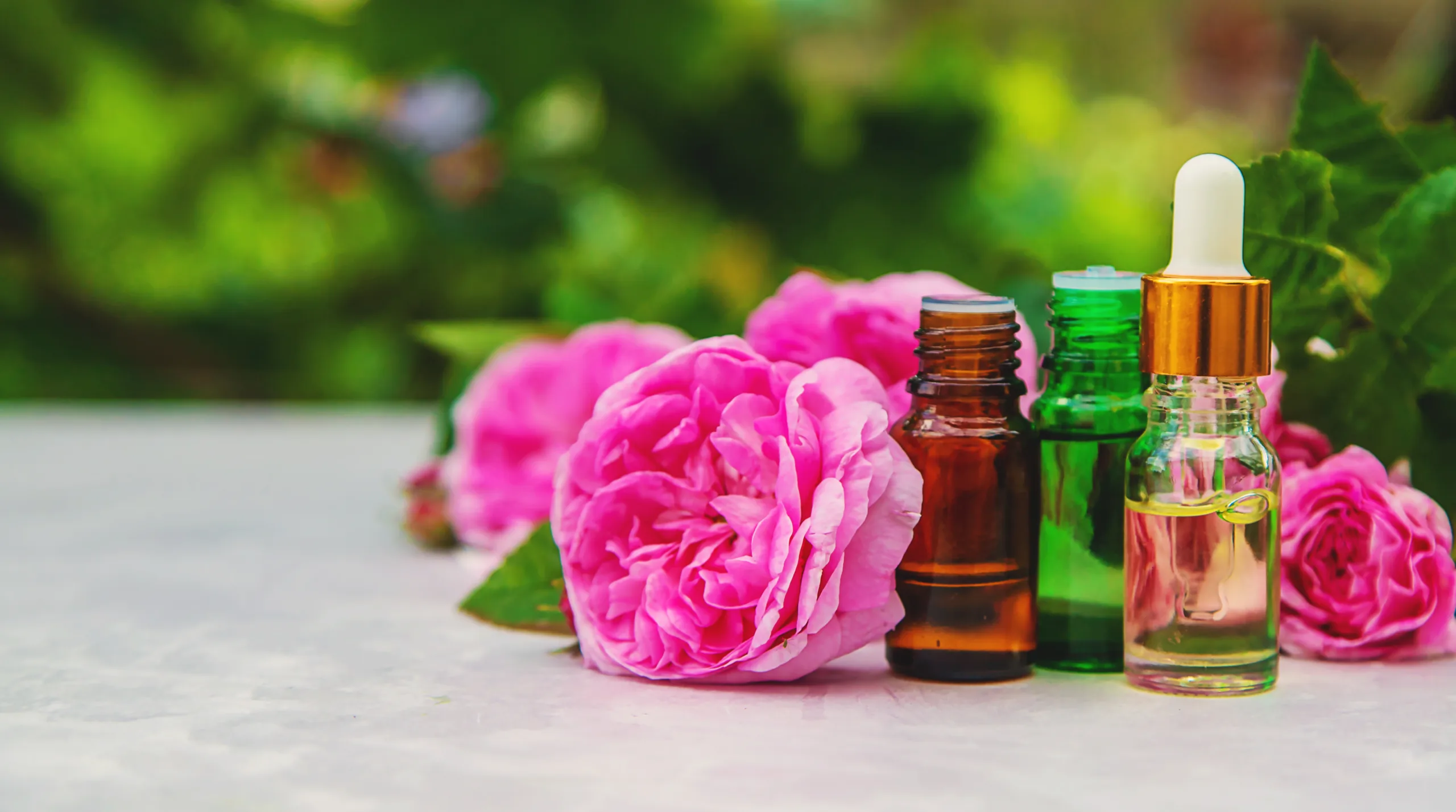
Therapeutic grade essential oils are increasingly being recognized for their profound impact on emotional and mental health. As more practitioners integrate these oils into their wellness protocols, they highlight the essential connection between scent, mood, and overall well-being. Research and anecdotal evidence suggest that these oils can significantly influence emotional states, assisting in stress relief and anxiety reduction, making them valuable tools for mental health support.
Specific essential oils have been found to exhibit properties that can uplift mood and enhance emotional clarity. For instance, studies show that lavender oil not only promotes relaxation but also helps to decrease anxiety levels by interacting with neurotransmitters in the brain. Similarly, citrus oils, like bergamot and sweet orange, have been associated with decreased feelings of stress and an increase in overall happiness. Research indicates that inhaling these oils can lead to lower cortisol levels, which is essential for managing stress effectively.
Essential Oils Known for Their Uplifting Properties
Understanding which essential oils are beneficial for emotional and mental health can empower individuals in their self-care routines. Below is a list of essential oils recognized for their uplifting properties, along with their specific effects.
These oils can be used in various ways, including diffusing, topical application (when diluted), or as part of a massage blend.
- Lavender: Known for its calming effects, lavender oil can assist in reducing anxiety and promoting restful sleep.
- Bergamot: This citrus oil is effective in alleviating stress and anxiety, often used as a natural mood enhancer.
- Frankincense: With its grounding properties, frankincense can help alleviate feelings of stress and promote emotional balance.
- Ylang Ylang: Known to reduce tension and anxiety, ylang ylang also promotes a sense of joy and relaxation.
- Sweet Orange: This uplifting oil can bring about feelings of warmth and cheerfulness, making it ideal for improving mood.
In terms of real-life application, many individuals have shared their stories of using essential oils for stress relief. For example, a case study involving a middle-aged woman experiencing chronic anxiety revealed significant improvement in her symptoms after incorporating lavender oil into her nightly routine. After several weeks of consistent use, she reported feeling calmer and more centered, which positively affected her daily interactions and overall happiness.
Another anecdote involves a young professional who struggled with stress in a high-pressure job. After using a diffuser with a blend of bergamot and sweet orange, she noticed a marked difference in her mood and productivity, leading her to advocate for the use of essential oils in her workplace wellness programs.
The growing recognition of therapeutic grade essential oils as tools for emotional and mental health is not just a trend; it’s supported by both anecdotal evidence and preliminary research, highlighting their potential benefits in promoting emotional well-being.
Trends in the market for therapeutic grade essential oils highlight the growing popularity and demand for natural wellness products.
The market for therapeutic grade essential oils has witnessed significant growth in recent years, influenced by a broader shift towards natural and holistic wellness solutions. As consumers continue to prioritize health and well-being, the demand for organic and non-toxic products has surged. Essential oils, known for their therapeutic properties, are increasingly being integrated into daily routines, from personal care to alternative medicine, reflecting a growing trend towards self-care and natural remedies.
The rise of the wellness movement, alongside a burgeoning interest in aromatherapy and natural healing, has driven the popularity of essential oils. Consumers are increasingly aware of the potential benefits of these oils, which range from stress relief to enhanced mood and immune support. This awareness is not only transforming individual purchasing habits but also shaping the landscape of the health and wellness industry.
Consumer Preferences and Market Dynamics
Understanding consumer preferences is vital for businesses operating in the therapeutic grade essential oils sector. The following points illustrate key trends and preferences shaping the market:
- Transparency and Quality: Consumers are demanding transparency regarding the sourcing and quality of essential oils. They prefer products that are certified organic and free from additives. This trend has prompted many brands to emphasize quality assurance and sustainable sourcing practices.
- Unique Blends: The demand for customized blends is on the rise. Many consumers are seeking personalized solutions tailored to their specific needs, leading brands to create unique formulations that enhance user experience.
- Online Shopping: E-commerce has become a primary channel for purchasing essential oils. This shift has made it easier for consumers to access a variety of products, facilitating informed choices through online reviews and resources.
- Education and Information Sharing: The growth of social media and online platforms has resulted in a more informed consumer base. Brands are responding by providing educational content about the uses and benefits of essential oils, enhancing consumer confidence and engagement.
The implications of these trends are profound for the production and marketing of essential oils. Companies are increasingly focusing on sustainable practices and transparency in their supply chains to meet consumer expectations. Additionally, the shift towards e-commerce means that brands must invest in digital marketing strategies that educate and engage potential customers.
When comparing the growth of therapeutic essential oils to other wellness and health products, the essential oils market has outpaced many traditional health supplements. For instance, the global aromatherapy market, which includes essential oils, is projected to grow significantly, surpassing the growth rates of conventional vitamins and supplements. This trend showcases a notable shift in consumer preferences towards more holistic and natural health solutions, reflecting a broader cultural movement towards wellness and self-care.
Wrap-Up
In summary, therapeutic grade essential oils offer a remarkable blend of healing properties and emotional support when used responsibly. By adhering to safety guidelines and understanding the extraction methods, we can fully harness their benefits. As the demand for natural wellness products continues to rise, it’s essential to choose high-quality oils that align with our holistic health goals, paving the way for a healthier, more balanced lifestyle.
Quick FAQs
What are therapeutic grade essential oils?
They are high-quality essential oils specifically extracted and tested for therapeutic use, characterized by their purity and potency.
How can I ensure I am buying therapeutic grade oils?
Look for oils that have third-party testing, clear sourcing information, and certifications that verify their quality and purity.
Are there any risks associated with using these oils?
Yes, improper use can lead to skin irritations, allergic reactions, or toxic effects, so it’s crucial to follow usage guidelines and consult professionals when necessary.
Can therapeutic grade essential oils be ingested?
Not all essential oils are safe for ingestion; only those specifically labeled as food-grade should be consumed, and it’s best to consult a healthcare provider.
How do I use essential oils for emotional support?
They can be used in diffusers, added to baths, or mixed with carrier oils for topical application to promote relaxation or uplift mood.