 Penelope Hailey
DIY essential oil products are revolutionizing the way we think about wellness and self-care. With their aromatic properties and therapeutic benefits, essential oils can transform everyday routines into delightful rituals. Whether you’re looking to create a soothing atmosphere at home or seeking natural alternatives for skincare, the world of DIY essential oils is both exciting and accessible.
By understanding the fundamentals of essential oils, exploring popular recipes, and learning how to safely create your own blends, you can unlock a treasure trove of benefits that enhance both mental and physical well-being. Plus, making these products at home not only saves money but also reduces your environmental impact, making it a win-win for you and the planet.
Understanding the Basics of DIY Essential Oil Products
Creating your own essential oil products can be a rewarding and therapeutic experience. With the right knowledge and techniques, you can tap into the natural benefits of essential oils, enhancing your well-being and bringing a personal touch to your home environment. Essential oils are concentrated extracts derived from plants, known for their aromatic and therapeutic properties. By understanding the basics of how they work and their benefits, you can embark on a journey of creativity and health.
Essential oils offer a wide array of benefits, including mood enhancement, stress relief, and support for physical health. When used properly, they can be incorporated into various DIY projects, such as homemade cleaning products, skincare items, and aromatherapy blends. However, a solid understanding of the different types of essential oils and the precautions necessary when working with them is essential for safe and effective usage.
Fundamental Concepts of Essential Oils
Essential oils are derived from the leaves, flowers, bark, and roots of plants through processes like steam distillation or cold pressing. Each essential oil possesses unique properties, making them suitable for different applications. The primary functions of essential oils include aromatherapy, topical application, and even culinary use. The benefits are wide-ranging, from promoting relaxation and alleviating headaches to acting as natural antiseptics.
Commonly used essential oils in DIY projects include:
- Lavender: Known for its calming effects, it is often used to promote relaxation and improve sleep quality.
- Peppermint: Provides a refreshing scent and can help with headaches and nausea.
- Tea Tree: Renowned for its antiseptic properties, it is commonly included in skincare products.
- Lemon: Offers a fresh, uplifting aroma and acts as a natural disinfectant.
- Eucalyptus: Often used for respiratory relief, its invigorating scent can clear the airways.
Understanding the properties and uses of these essential oils allows you to make informed choices about which ones to incorporate into your DIY creations.
Safety Precautions When Working with Essential Oils
While essential oils can be beneficial, they also require careful handling to ensure safety. Here are some important precautions to consider:
- Dilution: Essential oils should always be diluted with a carrier oil, such as coconut or jojoba oil, before applying to the skin to avoid irritation.
- Patch Testing: Conduct a patch test on a small area of skin to check for allergic reactions before full application.
- Storage: Store essential oils in a cool, dark place, away from direct sunlight to maintain their efficacy.
- Ingestion: Only ingest essential oils that are labeled as food-grade and consult a healthcare professional prior to consumption.
- Avoiding Sensitive Areas: Keep essential oils away from sensitive areas such as eyes, mucous membranes, and open wounds.
By adhering to these precautions, you can enjoy the myriad benefits of essential oils while minimizing risks, ensuring a safe and enriching DIY essential oil experience.
Exploring Popular DIY Essential Oil Recipes
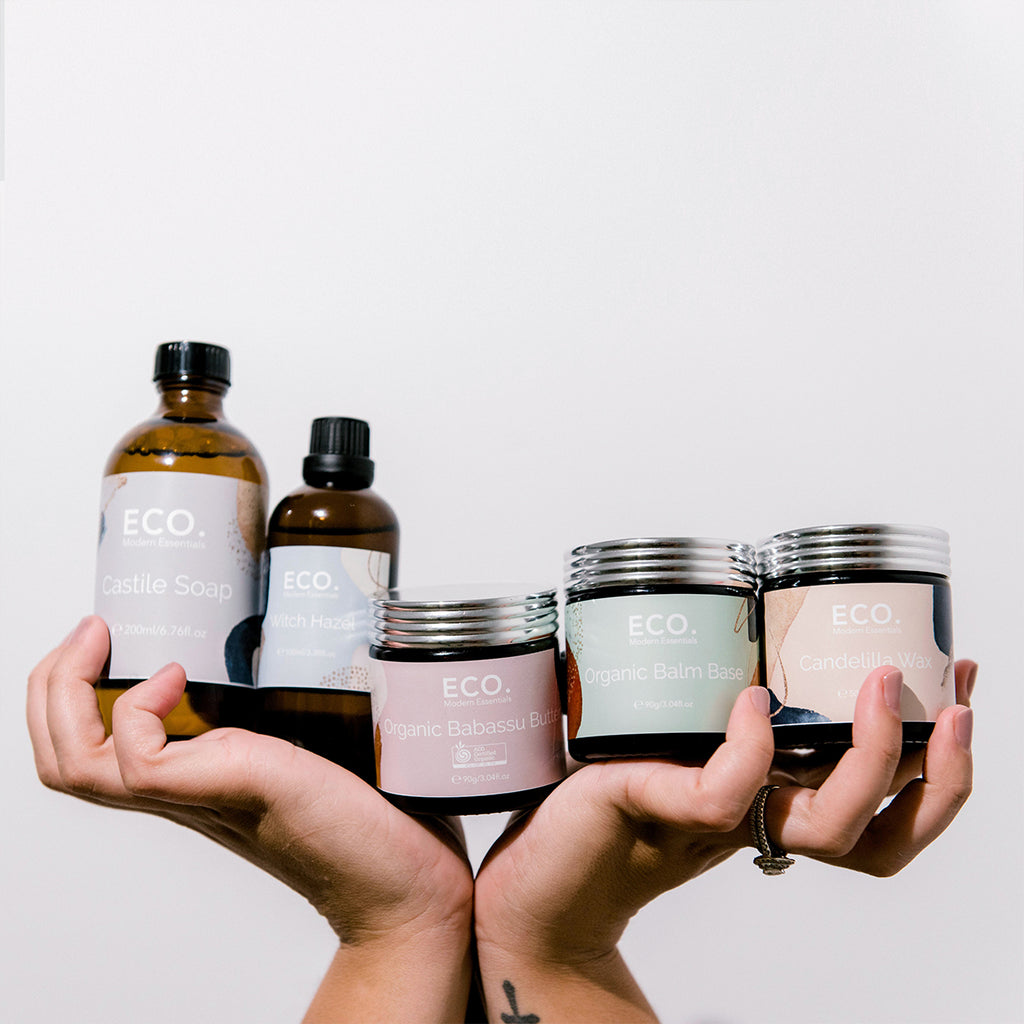
Creating your own essential oil products not only allows for customization but also enhances your well-being and home environment. The process of blending scents can be both therapeutic and rewarding, offering numerous benefits for relaxation, focus, and ambiance. Below, you’ll find a collection of popular DIY recipes that utilize essential oils, perfect for both novices and seasoned DIY enthusiasts.
Homemade Essential Oil Diffuser Blend
Making your own essential oil diffuser blend is a simple and effective way to fill your space with delightful aromas. Here’s a straightforward recipe to get you started:
Ingredients:
– 10-15 drops of your chosen essential oils
– 1 tablespoon of a carrier oil (such as sweet almond or jojoba oil)
– A small glass bottle or diffuser
Instructions:
1. In a small glass bottle, combine the carrier oil with the essential oils of your choice.
2. Close the bottle tightly and shake gently to mix the oils.
3. Add the blend to your diffuser according to its instructions, usually a few drops for every 100ml of water.
4. Enjoy the soothing or invigorating atmosphere created by your customized scent.
Popular Essential Oil Combinations:
– For relaxation: Lavender and chamomile.
– For energizing: Peppermint and citrus oils like bergamot or lemon.
– For focus: Rosemary and eucalyptus.
Scented Candles with Essential Oils
Creating scented candles infused with essential oils not only adds a personal touch to your home decor but also allows you to enjoy the therapeutic benefits of the oils while you unwind. Follow this step-by-step guide to craft your own candles.
Ingredients:
– Soy wax or beeswax (about 1 cup)
– 20-30 drops of essential oils
– A candle wick
– A container (like a glass jar or metal tin)
– A double boiler or a microwave-safe bowl
Instructions:
1. Melt the wax using a double boiler or carefully in the microwave until liquid.
2. Once melted, remove from heat and allow cooling slightly before adding essential oils.
3. Stir the essential oils into the melted wax to ensure even distribution.
4. Secure the wick in the center of the container and pour the wax mixture around it.
5. Let the candle cool completely, which may take a few hours. Trim the wick to about 1/4 inch before lighting.
Tips for Candle Making:
– Consider using wooden wicks for a unique crackling sound when lit.
– Experiment with different essential oil combinations to create distinctive scents tailored to your preferences.
Popular Essential Oil Combinations for Various Uses
Essential oils can be blended in numerous ways to achieve different effects, whether for relaxation, energy, or wellness. Below is a list of popular combinations categorized by their intended use.
Relaxation Blends:
– Lavender, ylang-ylang, and frankincense for a calming atmosphere.
– Bergamot and cedarwood for stress relief.
Energizing Blends:
– Lemon and peppermint for a refreshing pick-me-up.
– Grapefruit and rosemary for increased alertness.
Focus Blends:
– Basil, lemon, and peppermint to enhance concentration.
– Sage and eucalyptus for mental clarity.
Mood-Boosting Blends:
– Sweet orange and cardamom for a cheerful vibe.
– Clary sage and geranium for emotional balance.
Utilizing these blends can transform your space, elevate your mood, and promote a sense of well-being. Experimentation is key; don’t hesitate to mix and match to find what works best for you!
Discussing the Health Benefits of Essential Oils in DIY Products
The use of essential oils in DIY products has surged in popularity due to their multitude of health benefits. These natural substances, derived from plants, not only enhance the aromas of homemade creations but also offer therapeutic properties that can positively impact mental and physical well-being. By incorporating essential oils into DIY projects, individuals can harness nature’s potent remedies while avoiding synthetic chemicals often found in commercial products.
Essential oils are well-known for their various therapeutic properties, making them a valuable addition to DIY health and beauty products. Each essential oil possesses unique characteristics that promote wellness. For instance, lavender oil is renowned for its calming effects, making it ideal for stress relief and relaxation. Tea tree oil, on the other hand, is celebrated for its antiseptic properties and effectiveness in treating skin blemishes. Similarly, eucalyptus oil is often used to alleviate respiratory issues and enhance mental clarity. By understanding the specific benefits of these oils, individuals can tailor their DIY products to meet their personal health needs.
Therapeutic Properties of Specific Essential Oils
Exploring the therapeutic properties of various essential oils reveals why they’re favored in DIY products. Here are some noteworthy essential oils and their associated benefits:
- Lavender Oil: Known for its calming aroma, lavender oil can help reduce anxiety, improve sleep quality, and alleviate headaches. Its anti-inflammatory properties also promote skin healing.
- Peppermint Oil: This invigorating oil is effective in enhancing mental clarity and focus. It can also aid digestion and relieve headaches when applied topically or inhaled.
- Tea Tree Oil: Renowned for its antibacterial and antifungal properties, tea tree oil is an excellent choice for skin care. It helps combat acne and promotes clear skin.
- Eucalyptus Oil: Eucalyptus oil is often employed for its decongestant properties, making it beneficial for respiratory health. It can also boost mental clarity and energy.
- Frankincense Oil: Often referred to as the “king of oils,” frankincense aids in reducing stress, enhancing mood, and supporting the immune system.
The incorporation of these essential oils into DIY products not only enhances their effectiveness but also provides users with a natural alternative to synthetic ingredients. The benefits of using natural DIY products are numerous, particularly when contrasted with commercial options that often rely on synthetic fragrances and preservatives.
Comparison of Natural DIY Products and Commercial Products
Consumers are increasingly aware of the potential drawbacks associated with synthetic ingredients found in commercial products. Natural DIY products, using essential oils, present a compelling alternative. Below are some distinctions between natural DIY products and their commercial counterparts:
- Safety: Natural DIY products are generally safer for both the skin and the environment. Synthetic fragrances can provoke allergies and skin irritations, while essential oils offer nourishing properties.
- Ingredient Transparency: DIY products allow for complete control over the ingredients used, ensuring that harmful chemicals are excluded.
- Cost-Effectiveness: While some essential oils may have a higher upfront cost, creating DIY products can be more economical in the long run as they often yield multiple uses.
- Customization: DIY products can be tailored to meet individual preferences and specific health needs, something that’s often not possible with commercial products.
- Environmental Impact: Utilizing natural ingredients reduces the environmental footprint associated with synthetic manufacturing processes.
In summary, the health benefits of essential oils in DIY products are multifaceted, offering not only physical advantages but also enhancing mental well-being. By embracing the natural properties of essential oils, individuals can create personalized products that promote overall health without the risks associated with synthetic alternatives.
Designing DIY Essential Oil Skin Care Products
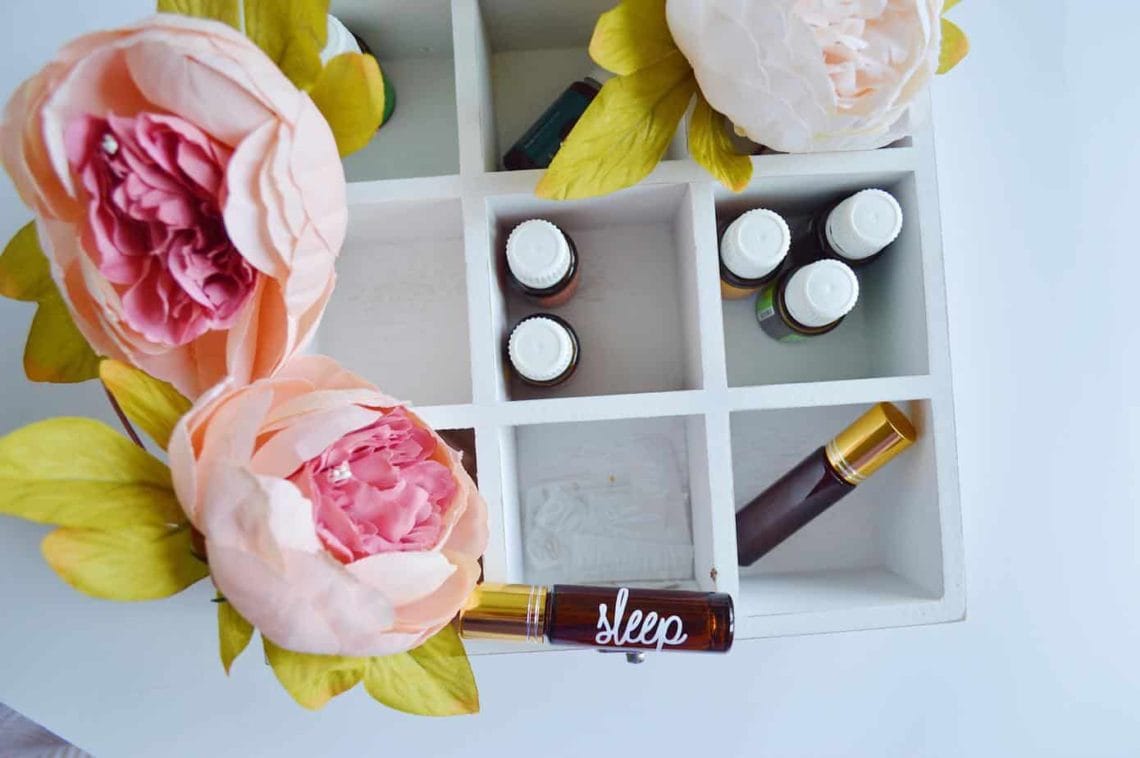
Creating your own essential oil skin care products can be a rewarding and sustainable way to care for your skin. Using natural ingredients not only reduces the exposure to chemicals and synthetic additives but also allows you to tailor products specifically to your skin’s needs. In this section, we will delve into the creation of a natural face serum and a homemade body scrub, along with essential safety guidelines to ensure your formulations are both effective and safe.
Creating a Natural Face Serum with Essential Oils
A natural face serum can provide essential hydration and nourishment, helping to address various skin concerns like dryness, aging, or acne. The process of creating a face serum involves combining carrier oils with essential oils that suit your skin type.
To formulate a simple face serum, follow these steps:
1. Select Your Carrier Oils: Choose oils that benefit your skin type. For instance, jojoba oil is excellent for oily skin, while argan oil can be great for dry skin.
2. Choose Essential Oils: Pick essential oils based on desired effects. For example:
– Lavender for calming
– Tea tree for acne-prone skin
– Frankincense for anti-aging properties
3. Combine Ingredients: In a small amber glass bottle, add the following:
– 2 tablespoons of carrier oil
– 8-10 drops of your selected essential oil(s)
4. Mix and Store: Gently shake the bottle to mix the oils well. Store in a cool, dark place to protect the oils from degradation.
Always perform a patch test before applying the serum to your face to check for any allergic reactions.
Formulating a Homemade Body Scrub Using Essential Oils
A body scrub is a fantastic way to exfoliate dead skin cells and invigorate the skin. Incorporating essential oils into your scrub can enhance the experience and provide additional skin benefits.
To create a simple body scrub, you will need:
– Base Ingredients: Choose a sugar or salt base. Brown sugar is gentle on the skin, while sea salt is more invigorating.
– Carrier Oil: Opt for coconut or olive oil for moisturizing properties.
– Essential Oils: Select essential oils that meet your needs. Popular choices include:
– Peppermint for a refreshing scent
– Lemon for brightening effects
– Eucalyptus for its invigorating aroma
Mix the following in a bowl:
1. 1 cup of sugar/salt
2. 1/2 cup of carrier oil
3. 10-15 drops of essential oil
Stir until well combined and transfer it into a jar for storage.
Use the scrub in the shower, applying it in a circular motion for the best results, and rinse off for smooth, glowing skin.
Essential Oil Safety and Dilution Guidelines for Skin Applications
Safety is paramount when using essential oils on the skin. Proper dilution is necessary to prevent irritation or adverse reactions.
Understanding dilution ratios is crucial. Here are some basic guidelines:
– For facial applications, a 1% dilution is recommended, which equates to about 1 drop of essential oil per teaspoon of carrier oil.
– For body products, a 2-3% dilution is generally safe, translating to about 2-3 drops per teaspoon of carrier oil.
– Always conduct a patch test before widespread application to ensure skin compatibility.
Be mindful of the following safety tips:
– Some essential oils can cause photosensitivity; avoid using citrus oils before sun exposure.
– Pregnant or nursing women should consult a healthcare provider before using essential oils.
– Store essential oils away from children and pets, as certain oils can be toxic if ingested.
Adhering to these guidelines helps ensure a safe and enjoyable experience with your DIY essential oil skin care products.
Creating Custom Blends for Aromatherapy
Aromatherapy offers a wonderful opportunity to harness the power of essential oils for enhancing well-being and relaxation. By creating custom blends, you can tailor the aroma and therapeutic properties to meet your specific needs. This guide will walk you through the methods for blending essential oils and provide practical applications for stress relief and sleep enhancement.
Blending essential oils is both an art and a science. When crafting your unique formulas, it’s important to consider the properties of each oil and how they interact with one another. Essential oils can be categorized into various families based on their effects, scents, and extraction methods. The blending process involves selecting oils that complement each other, ensuring that the final product is not only pleasant but also effective. A good starting point is to choose a base note, middle note, and top note to create a balanced blend.
Methods for Blending Essential Oils
Creating custom essential oil blends involves understanding the different notes and properties of the oils. Follow these steps to successfully craft your own mixtures:
1. Select Your Base, Middle, and Top Notes: Base notes provide depth, middle notes offer body, and top notes add brightness to your blend.
– Base Notes: Vetiver, Patchouli, Cedarwood
– Middle Notes: Lavender, Geranium, Chamomile
– Top Notes: Bergamot, Lemon, Peppermint
2. Use a Carrier Oil: Always dilute your essential oils with a carrier oil, such as jojoba or sweet almond oil, to ensure safe application on the skin. A typical dilution ratio is 3-5 drops of essential oil per teaspoon of carrier oil.
3. Test Blends in Small Batches: Start with small quantities to test the aroma and effects. Adjust the proportions until you find the perfect balance.
4. Document Your Formulas: Keep a record of each blend, including the oils used and their ratios. This helps replicate successful blends in the future.
Specific Blend for Stress Relief or Sleep Enhancement
A calming blend to relieve stress and enhance sleep can be made using the following essential oils:
– Lavender: Known for its relaxing properties.
– Bergamot: Helps to alleviate anxiety.
– Cedarwood: Promotes tranquility and supports restful sleep.
To create this blend, mix 5 drops of Lavender, 3 drops of Bergamot, and 2 drops of Cedarwood in 1 tablespoon of carrier oil. This soothing combination can be used in various ways:
– Diffuser: Add 5-10 drops of the blend to a diffuser to fill your space with calming aromas.
– Topical Application: Apply a small amount to pulse points, such as wrists and behind the ears, before bedtime.
“Essential oil blends can create an environment that promotes relaxation, making them an essential tool for self-care.”
Using Essential Oil Blends in Different Settings
Knowing how to effectively use your essential oil blends in various environments can enhance your experience. Here are some tips for different settings:
– At Home: Diffuse blends in living areas or bedrooms to create a calming atmosphere. Consider using a spray bottle with a mix of water and essential oils to freshen linens or upholstery.
– During Travel: Carry a small roll-on bottle of your favorite blend to apply on-the-go. This can help alleviate stress during flights or long trips. A travel diffuser that plugs into a car’s USB port can also be beneficial for maintaining a soothing environment on the road.
– At Work: A personal inhaler can be discreetly used at your desk to reduce anxiety and enhance focus. Simply add a few drops of your blend onto the wick and inhale as needed.
By blending and utilizing essential oils thoughtfully, you can enrich your daily life with aromatherapy tailored specifically to your needs.
Organizing a DIY Workshop for Essential Oil Product Creation
Organizing a DIY workshop for creating essential oil products can be an exciting endeavor that fosters creativity and community engagement. Whether you are a seasoned expert or a passionate beginner, bringing together like-minded individuals to explore the world of essential oils can lead to memorable experiences and valuable learning opportunities. This guide Artikels the essential components for planning a successful workshop, what materials and tools are required, and strategies to effectively market your event.
Key Components of a Successful Workshop
To ensure your workshop is well-organized and meets the expectations of participants, certain components must be carefully considered. These include the venue, scheduling, and participant engagement.
– Venue Selection: Choose a spacious, well-lit area that can comfortably accommodate your participants. Look for locations with good ventilation for working with essential oils, and ensure that basic amenities like tables, chairs, and access to water are available.
– Scheduling: Identify an optimal date and time for your workshop that avoids major holidays or local events. Consider the availability of your target audience to maximize attendance.
– Engagement Strategies: Foster interaction among participants by incorporating hands-on activities, group discussions, and Q&A sessions. This approach creates a more dynamic learning environment and encourages participants to share their experiences and insights.
Materials and Tools Needed for Participants
Having the right materials and tools is crucial for a successful DIY workshop. Below is a list of essential items that participants will need to create their essential oil products effectively:
– Essential Oils: Provide a variety of high-quality essential oils, such as lavender, tea tree, peppermint, and eucalyptus, to allow participants to experiment with different blends.
– Base Ingredients: Depending on the products being created, include base ingredients like carrier oils (e.g., coconut oil, jojoba oil), beeswax, or natural emulsifiers for lotions and balms.
– Containers: Participants will require suitable containers for their creations, such as small glass bottles, jars, or roll-on applicators.
– Measuring Tools: Supply measuring spoons, droppers, and scale for precise ingredient measurements.
– Mixing Supplies: Include bowls, stirring sticks, and funnels to facilitate the mixing process.
– Safety Gear: Provide safety goggles and gloves for participants to ensure safety when handling oils and other materials.
By ensuring that all necessary materials and tools are available, participants will have a seamless experience while creating their products.
Marketing the Workshop
Attracting participants to your DIY workshop requires effective marketing strategies that resonate with your target audience. Consider the following tips to enhance visibility and engagement:
– Social Media Promotion: Utilize platforms such as Instagram, Facebook, and Pinterest to showcase your workshop. Share engaging visuals of previous workshops, testimonials, and behind-the-scenes content to generate interest.
– Local Partnerships: Collaborate with local health stores, yoga studios, or wellness centers to cross-promote your event. These partnerships can expand your reach and attract a wider audience.
– Email Marketing: Send out newsletters to your existing contacts, highlighting the benefits of attending the workshop and any special promotions or early bird prices.
– Engaging Content: Create blog posts or videos discussing the benefits of essential oils and what participants can expect from the workshop. This not only educates potential attendees but also establishes your credibility in the field.
– Early Registration Incentives: Offer discounts or exclusive gifts for early registrants to encourage sign-ups and generate buzz prior to the event.
By employing these strategies, you can successfully market your DIY essential oil workshop, ensuring both attendance and participant satisfaction.
Identifying Sources for Quality Essential Oils
When it comes to essential oils, quality is paramount. Using pure, high-quality oils can significantly enhance the benefits and effectiveness of your DIY products. This section will guide you on evaluating the quality of essential oils, understanding labels, and sourcing from reputable suppliers.
To evaluate the quality of essential oils, it is crucial to look for specific indicators on the labels. Quality essential oils should come from plants that are grown in optimal conditions and harvested at the right time. Aromatherapy enthusiasts should seek oils that are pure, undiluted, and free from synthetic additives or fillers. Additionally, consider the extraction method; steam distillation and cold pressing are commonly recognized as the best methods for preserving the integrity of the oil.
Evaluating Essential Oil Labels
Understanding what to look for on essential oil labels can help you make informed choices. Here are some key aspects to consider when assessing the quality of essential oils:
- Botanical Name: The scientific name of the plant should be clearly stated, ensuring you know exactly what you’re getting.
- Therapeutic Grade: Look for oils labeled as therapeutic, as this indicates a higher level of purity and quality.
- Country of Origin: The best essential oils come from regions where the plants are naturally grown, so check the country of origin.
- Extraction Method: Ensure the label specifies how the oil was extracted. Preferred methods include steam distillation or cold pressing.
- Batch Number: A batch number indicates traceability, providing insights into the oil’s production and quality control.
Sourcing from reputable suppliers and brands is vital to ensure you are getting the highest quality essential oils. Reputable companies prioritize transparency and often provide third-party testing results to confirm the purity of their oils. Additionally, they adhere to ethical sourcing practices, ensuring that the plants are harvested sustainably.
Trusted Retailers for Quality Essential Oils
When looking for reliable sources of essential oils, it’s beneficial to know where to shop. Below is a list of trusted online retailers and local stores known for their high-quality essential oils:
- Young Living: A pioneer in the essential oil industry, known for their commitment to purity and quality.
- doTERRA: Offers a wide range of essential oils with a focus on sustainability and ethical sourcing.
- Plant Therapy: Recognized for their affordable yet high-quality essential oils and excellent customer service.
- Rocky Mountain Oils: Provides thorough testing for their products and offers a vast selection of oils.
- Local Health Stores: Many health food stores have dedicated sections for essential oils, often carrying reputable brands.
By examining labels carefully and choosing trustworthy suppliers, you can ensure that the essential oils you use in your DIY products are of the highest quality, maximizing their potential benefits.
Detailing the Environmental Impact of DIY vs Commercial Products
The environmental impact of consumer choices is increasingly at the forefront of discussions surrounding sustainability. When it comes to essential oils, opting for DIY products instead of commercial alternatives can significantly reduce waste and promote a more eco-friendly lifestyle. This discussion delves into the advantages of making your own essential oil products, highlighting the differences in environmental footprints between synthetic fragrances and natural oils, as well as sustainable practices you can adopt in your DIY endeavors.
Reduction of Waste in DIY Production
Creating your own essential oil products can lead to a notable reduction in waste compared to purchasing commercial items. Commercial products often come in plastic packaging that contributes to landfill issues and ocean pollution. By making DIY products, you can utilize reusable containers, which minimizes your reliance on single-use plastics.
The following points illustrate how DIY can effectively lower waste:
- Utilizing leftover materials: Many DIY recipes allow you to incorporate leftover kitchen ingredients or materials, significantly reducing overall waste.
- Customizable batch sizes: DIY products can be made in smaller quantities, reducing the likelihood of unused products that may eventually be discarded.
- Eco-friendly packaging options: Selecting glass or metal containers for your DIY products significantly decreases plastic use.
Environmental Footprint of Synthetic Fragrances vs Natural Essential Oils
The comparison between synthetic fragrances and natural essential oils reveals significant differences in their environmental footprints. Synthetic fragrances are derived from petroleum and often involve a complex production process that contributes to greenhouse gas emissions and environmental degradation. In contrast, natural essential oils are sourced from plants, which can have a lesser impact when harvested sustainably.
Important considerations include:
- Resource depletion: The extraction of synthetic ingredients utilizes non-renewable resources, while natural oils can be renewable if sourced responsibly.
- Biodiversity: The cultivation of plants for essential oils can promote biodiversity, whereas synthetic production often leads to monocultures.
- Pollution: The production of synthetic fragrances can release harmful chemicals into the environment, while natural oils typically offer a more benign profile.
Sustainable Practices for DIY Essential Oil Products
Implementing sustainable practices in the creation of DIY essential oil products not only benefits the environment but also enhances the quality of your final product. Here are key sustainable practices to consider:
- Source sustainably: Choose essential oils from reputable suppliers who prioritize sustainable harvesting methods.
- Grow your own: Cultivating your own herbs and plants for essential oils can drastically reduce transportation emissions and guarantee freshness.
- Repurpose materials: Utilize recyclable or biodegradable materials in your projects, such as using empty containers or natural fillers.
“Embracing DIY not only fosters creativity but also cultivates a deeper connection with nature, ultimately leading to more responsible consumer habits.”
Final Review
In conclusion, engaging with DIY essential oil products not only enriches your life but also connects you with nature in a meaningful way. From homemade diffusers to custom skincare solutions, the journey of crafting these products is as rewarding as the end results. So, gather your supplies, unleash your creativity, and dive into the aromatic world of essential oils for a healthier lifestyle.
Query Resolution
What are essential oils?
Essential oils are concentrated plant extracts that capture the natural fragrance and beneficial properties of various plants. They are commonly used in aromatherapy, skincare, and wellness products.
Are essential oils safe to use on the skin?
While many essential oils are safe for topical application, it’s crucial to dilute them with a carrier oil and perform a patch test to avoid skin sensitivity.
How can I ensure the quality of the essential oils I buy?
Look for labels indicating 100% pure essential oil, check for certifications, and choose reputable brands known for their quality and transparency.
Can I use essential oils if I have allergies?
Individuals with allergies should consult a healthcare professional before using essential oils, as some may trigger reactions.
How long do DIY essential oil products last?
The shelf life of DIY products can vary but generally lasts from six months to two years, depending on the ingredients and storage conditions.