
 Penelope Hailey
Body oil for dry skin is more than just a luxury; it’s a necessity for maintaining hydrated and healthy skin. Many people overlook the importance of proper hydration in their skincare routines, especially when dealing with dry skin. This often leads to various skin conditions that can affect one’s confidence and comfort. In this guide, we will explore the crucial role of body oils in combating dry skin, providing both insight and practical tips to ensure your skin remains nourished and radiant.
Understanding the importance of hydration is the key to addressing dry skin effectively. Dehydration can lead to flakiness, irritation, and a dull complexion, making it vital to incorporate body oils that replenish moisture. With the right ingredients and application methods, you can transform your skincare routine into a rejuvenating experience.
The Importance of Hydration for Dry Skin
Proper hydration plays a vital role in maintaining healthy skin, particularly for those dealing with dry skin. Hydration is not merely about drinking water; it encompasses the retention of moisture within the skin itself. When the skin is well-hydrated, it appears plump, radiant, and youthful. Conversely, the absence of adequate moisture can lead to a host of skin issues that detract from its overall health and aesthetics.
Dehydrated skin often feels tight, rough, and can even become flaky or itchy. These symptoms indicate a disruption in the skin’s barrier function, which is essential for protecting against environmental aggressors and retaining moisture. An insufficient moisture level can lead to a compromised skin barrier, making it more susceptible to irritation and inflammation. This chain reaction can significantly impact skin appearance, exacerbating issues such as dullness, increased visibility of fine lines, and uneven texture.
Common Skin Conditions Related to Dehydration
Several skin conditions arise due to inadequate hydration, highlighting its importance in skin health. Understanding these conditions can aid in recognizing the signs of dehydration and adopting appropriate skincare strategies.
– Eczema (Atopic Dermatitis): This chronic condition is characterized by red, inflamed patches of skin that are often itchy. Eczema can worsen with dry skin, as lack of moisture can trigger flare-ups and intensify discomfort.
– Psoriasis: A condition that accelerates skin cell production leading to scaling and inflammation. Dehydrated skin may exacerbate itching and discomfort associated with psoriasis, making hydration crucial for management.
– Dermatitis: This general term encompasses a range of inflammatory skin conditions. Dry skin is a common trigger for certain types of dermatitis, emphasizing the need for keeping the skin moisturized.
– Dry Cracked Skin: This is a visible manifestation of dehydrated skin, often occurring on the hands, feet, and elbows. Cracked skin can lead to pain and potential infections if not addressed properly.
– Fine Lines and Wrinkles: Dehydration can accentuate the appearance of fine lines and wrinkles. Well-hydrated skin appears smoother and more youthful, while dry skin may show these signs of aging more prominently.
It’s clear that maintaining adequate hydration is paramount for achieving healthy, vibrant skin. By prioritizing moisture retention through the use of body oils and other hydrating products, one can significantly enhance skin health and overall appearance.
Essential Ingredients to Look For in Body Oils for Dry Skin
When selecting a body oil to combat dry skin, understanding the essential ingredients can significantly enhance your choice. The right components can not only hydrate but also nourish and protect your skin, creating a barrier against dryness. By exploring both natural and synthetic options, you can make an informed decision that caters to your specific skin needs.
Key ingredients play a critical role in the effectiveness of body oils. Here are some essential ingredients that are particularly beneficial for dry skin:
Natural Ingredients Beneficial for Dry Skin
Natural ingredients often provide better compatibility with the skin, ensuring safe and effective hydration. Below are some noteworthy natural oils known for their hydrating properties:
- Jojoba Oil: This oil closely resembles the natural sebum produced by our skin, making it an excellent moisturizer. Jojoba oil helps in balancing oil production, preventing dryness while maintaining an ideal hydration level.
- Almond Oil: Rich in vitamin E and fatty acids, almond oil not only moisturizes but also nourishes the skin. Its lightweight texture allows for quick absorption, making it perfect for hydrating dry patches without a greasy residue.
- Coconut Oil: Known for its deeply moisturizing properties, coconut oil penetrates the skin effectively. It contains lauric acid, which provides antibacterial benefits while sealing in moisture, thus protecting the skin from further dryness.
Comparing natural and synthetic ingredients highlights important distinctions in efficacy and safety for dry skin. While synthetic ingredients can offer immediate results, they may sometimes cause irritation or allergic reactions. In contrast, natural ingredients typically offer long-term benefits without adverse side effects.
Natural ingredients are often safer and more effective for hydrating dry skin, as they provide essential nutrients and moisture without harmful additives.
In conclusion, prioritizing natural oils such as jojoba, almond, and coconut can significantly enhance skin hydration for those with dry skin. By understanding the functions and benefits of these ingredients, you can make confident decisions when selecting body oils tailored to your skin’s needs.
Ways to Apply Body Oil for Maximum Effectiveness
Applying body oil can significantly enhance the hydration and overall health of dry skin. Knowing how to apply it correctly ensures that you get the maximum benefits from the product. Here, we’ll explore effective techniques for application, the best times to apply body oil, and a guide on how to layer it with other skincare products for optimal results.
Proper Techniques for Applying Body Oil
Using body oil requires a few simple yet effective techniques to ensure it penetrates the skin efficiently. The application method can influence how well your skin absorbs the oil. Follow these steps to achieve the best results:
1. Start with Clean Skin: Always apply body oil to freshly cleansed skin to enhance absorption.
2. Warm the Oil: Take a small amount of body oil in your hands and rub them together to warm it up. This will help it spread more easily and absorb better.
3. Use Gentle Pressing Motions: Instead of rubbing, use gentle pressing motions with your palms to apply the oil. This technique helps the oil penetrate deeply without irritating the skin.
4. Target Dry Areas: Focus on particularly dry areas, such as elbows, knees, and heels, applying a little extra oil as needed.
5. Allow to Absorb: After application, allow the oil to sit on your skin for a few minutes before dressing. This gives your skin time to absorb the product fully.
Ideal Times for Application
Timing your application can significantly improve the efficacy of body oil. Here are the best times to apply body oil for enhanced absorption:
– Post-Shower: Applying body oil immediately after a shower when your skin is still damp helps lock in moisture. The steam from the shower opens up your pores, allowing the oil to penetrate better.
– Before Bed: Using body oil as part of your nighttime routine can provide deep moisture while you sleep, giving your skin time to repair and regenerate.
– Before Sun Exposure: Applying oil before sun exposure can offer added hydration and protection, especially if the oil contains natural SPF properties.
Step-by-Step Guide on Layering Body Oil with Other Skincare Products
Layering body oil with other skincare products can enhance your skincare routine, ensuring your skin receives optimal hydration. Here’s a step-by-step guide for effective layering:
1. Start with a Cleanser: Use a gentle cleanser to remove dirt and impurities from your skin.
2. Apply a Toner: If you use a toner, apply it next to prep your skin and enhance absorption.
3. Use a Serum: Apply a hydrating serum if you have one, as this can offer an additional hydration boost before the oil.
4. Apply Body Oil: Once the serum has absorbed, use the techniques mentioned above to apply body oil.
5. Seal with Moisturizer: For added hydration, follow up with a rich moisturizer to lock in the oil and create a protective barrier over your skin.
“Layering body oil with moisturizers and serums can significantly enhance skin hydration, providing a lasting effect.”
By mastering these techniques and timings, incorporating body oil into your skincare routine can transform your dry skin into a hydrated and radiant canvas.
Homemade Body Oil Recipes for Dry Skin Relief
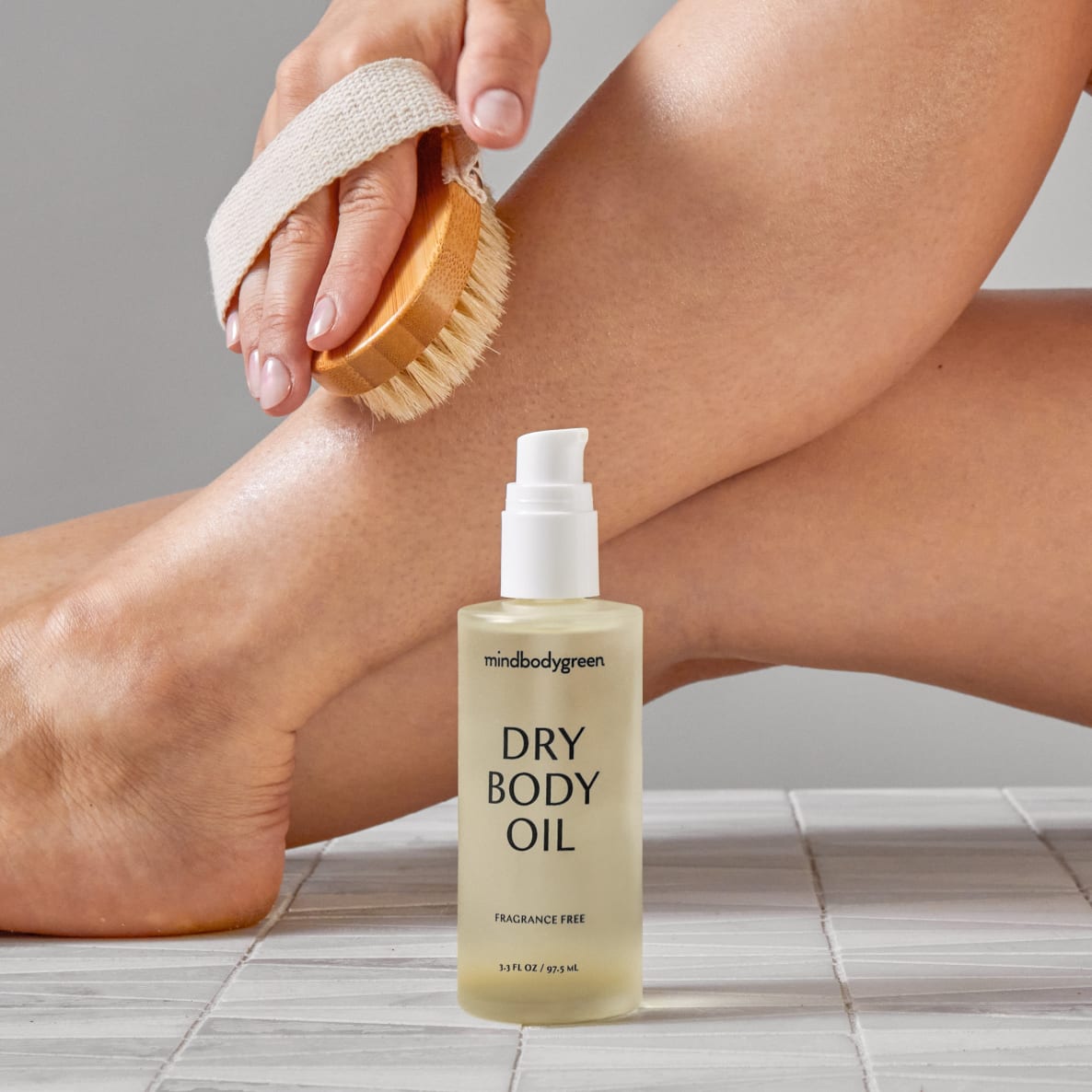
For those struggling with dry skin, homemade body oils can be a game-changer. Not only do they provide intense hydration, but they also allow you to customize your blend with natural ingredients that cater to your skin’s specific needs. Creating your body oil at home is both simple and rewarding, making it an excellent option for anyone seeking dry skin relief.
The following recipes utilize various nourishing oils and essential oils, known for their skin-loving properties. Each ingredient is chosen for its unique benefits, ensuring your homemade body oils are effective and delightful to use.
Recipe 1: Coconut and Jojoba Oil Blend
This recipe combines coconut oil’s hydrating qualities with jojoba oil’s ability to balance and moisturize.
– Ingredients:
– ½ cup coconut oil
– ¼ cup jojoba oil
– 10 drops of lavender essential oil (optional for fragrance)
– Instructions:
1. Melt the coconut oil in a small saucepan over low heat.
2. Once melted, remove from heat and add the jojoba oil.
3. Stir in the lavender essential oil if desired.
4. Pour into a glass bottle and let it cool before using.
Benefits:
– Coconut Oil: Rich in fatty acids, it deeply moisturizes and helps to protect the skin’s barrier.
– Jojoba Oil: Mimics the skin’s natural oils, making it easily absorbed and effective in maintaining skin hydration.
– Lavender Essential Oil: Offers a calming scent while providing potential antibacterial properties.
Recipe 2: Olive and Sweet Almond Oil Mixture
This nourishing blend is perfect for those looking to restore moisture and improve skin elasticity.
– Ingredients:
– ½ cup olive oil
– ½ cup sweet almond oil
– 5 drops of chamomile essential oil (optional for soothing benefits)
– Instructions:
1. In a small bowl, combine the olive and sweet almond oils.
2. Add chamomile essential oil and mix well.
3. Transfer to a dark glass bottle to protect the oils from light exposure.
Benefits:
– Olive Oil: Packed with antioxidants and vitamins, it hydrates and fights skin aging.
– Sweet Almond Oil: Known for its ability to soften the skin and reduce inflammation, making it ideal for dry skin.
– Chamomile Essential Oil: Helps soothe irritated skin and promotes relaxation.
Recipe 3: Avocado and Argan Oil Fusion
This luxurious oil blend targets deep hydration and nourishment for severely dry skin.
– Ingredients:
– ½ cup avocado oil
– ¼ cup argan oil
– 10 drops of rose essential oil (optional for a lovely scent)
– Instructions:
1. In a mixing bowl, combine avocado oil with argan oil.
2. Add the rose essential oil and stir until well blended.
3. Store in a glass pump bottle for easy dispensing.
Benefits:
– Avocado Oil: Rich in vitamins and fatty acids, it penetrates deeply to nourish and hydrate dry skin.
– Argan Oil: Contains essential fatty acids and vitamin E, known for promoting skin elasticity and moisture retention.
– Rose Essential Oil: Not only provides a wonderful fragrance but also supports skin hydration and has anti-inflammatory properties.
Creating your own body oil allows you to harness the power of nature for your skin’s unique needs.
Comparing Commercial Body Oils
When it comes to selecting the right body oil for dry skin, the options can be overwhelming. With a myriad of brands on the market, it’s essential to know what factors to consider to ensure you’re making the best choice for your skin type. Understanding ingredients, textures, and product labels can make a significant difference in hydration and skin health.
Choosing the right body oil requires careful consideration of several factors. These include the oil’s key ingredients, the presence of allergens, and how well it suits your specific skin type. Moreover, understanding the terminology used on labels can guide you toward products that will truly benefit your skin. Below are some critical points to consider when comparing commercial body oils:
Factors to Consider When Choosing Body Oils
The choice of body oil can significantly affect hydration levels and overall skin health. Look for the following factors when evaluating different products:
- Ingredient Quality: Natural oils like jojoba, almond, and avocado provide excellent moisturizing properties.
- Absorption Rate: Some oils absorb quickly, while others may leave a greasy residue. Consider your preference for texture.
- Allergen Presence: Check for common allergens if you have sensitive skin. Ingredients like fragrance and certain preservatives may cause irritation.
- Packaging: Dark glass bottles can protect oils from light degradation, extending their shelf life.
- Brand Reputation: Opt for brands known for their quality and transparency in ingredient sourcing.
Understanding these elements will help narrow down your options and lead to a more satisfactory product choice.
Comparison of Popular Body Oil Brands
A side-by-side comparison of popular body oils can help highlight the differences in formulations. Here’s a quick look at some well-regarded brands and their key ingredients:
| Brand | Key Ingredients |
|---|---|
| Neutrogena | Sunflower Seed Oil, Mineral Oil |
| The Body Shop | Almond Oil, Coconut Oil |
| Palmer’s | Cocoa Butter, Vitamin E, Coconut Oil |
| Bio-Oil | PurCellin Oil, Vitamin A, Vitamin E |
| Jojoba Oil | 100% Pure Jojoba Oil |
This comparison showcases the variety of ingredients that can cater to different skin needs, emphasizing the importance of selecting products that align with your personal skincare goals.
Understanding Product Labels
Reading product labels is crucial for informed choices, particularly with terms like “non-comedogenic,” which indicates that a product is less likely to clog pores. This is especially important for individuals prone to breakouts.
“Understanding product labels helps you select oils that align with your skin’s needs and avoid potential irritants.”
Being informed about the ingredient list not only helps in avoiding harmful substances but also aids in selecting oils that will deliver the hydration and nourishment your skin craves. Always look for products endorsed by dermatologists, as these typically undergo rigorous testing for safety and efficacy.
Seasonal Considerations for Using Body Oils
As the seasons change, so do the demands of our skin. Dry skin can be particularly susceptible to variations in weather, which in turn affects how we should use body oils. Understanding these seasonal shifts allows for better skin management, ensuring hydration and nourishment throughout the year.
The changing seasons bring distinct environmental factors that influence skin hydration. In winter, cold temperatures and low humidity can lead to increased dryness, while summer may introduce high humidity, affecting oil absorption. It’s crucial to adapt body oil usage according to these seasonal dynamics to maintain healthy skin.
Adjusting Body Oil Usage Throughout the Seasons
Different seasons require tailored approaches to body oil application. Recognizing how temperature and humidity affect your skin can optimize hydration strategies. Below are some practical adjustments for each season:
- Winter: The cold, dry air can sap moisture from the skin. Applying body oil immediately after showering locks in hydration. Opt for thicker oils like jojoba or avocado oil for added nourishment.
- Spring: As temperatures rise, consider lighter oils such as grapeseed oil, which absorb quickly and provide hydration without feeling heavy. Adjust the frequency of application as the weather warms.
- Summer: High humidity can make heavier oils uncomfortable. During this season, use oils sparingly and consider lighter formulations. Incorporate oils that contain SPF to protect against sun damage.
- Fall: Prepare for drying conditions by returning to richer oils that help combat the upcoming winter cold. Adding oils with antioxidants can help protect against the environmental changes.
Environmental conditions like humidity and temperature play significant roles in skin hydration levels. Low humidity can cause moisture in the skin to evaporate quickly, leading to dryness. Conversely, high humidity can create a film on the skin, preventing oils from being absorbed effectively. Keeping these factors in mind is essential for optimizing skin care routines tailored to seasonal changes.
“Adjusting body oil usage according to the season is not just a recommendation; it’s a necessity for maintaining skin health.”
By carefully considering how the seasons affect our skin and adapting body oil usage accordingly, you can enjoy soft, hydrated skin year-round.
How to Incorporate Body Oil into Your Daily Routine
Integrating body oil into your daily skincare routine can drastically improve the hydration and overall health of your skin. With just a few simple adjustments, you can boost the moisture levels in your skin, making it soft and supple. Consistency is key when it comes to reaping the full benefits of body oil, so here’s how to seamlessly blend it into your everyday life.
Designing a Daily Skincare Routine
A well-structured daily skincare routine is essential for optimal hydration. Here’s a simple framework to follow:
1. Cleanse: Start your day and evening by cleansing your skin with a gentle body wash to remove impurities.
2. Exfoliate: Use a mild exfoliating scrub 2-3 times a week to slough off dead skin cells, making absorption of body oil more effective.
3. Apply Body Oil: After cleansing (and exfoliating on the appropriate days), apply body oil while your skin is still slightly damp. This helps lock in moisture.
4. Moisturize: Follow up with a moisturizer, especially in drier conditions, to enhance hydration and provide a protective barrier.
5. Sun Protection: During the day, don’t forget to apply sunscreen to shield your skin from UV damage.
The combination of cleansing, oil application, and moisturizing creates a powerful hydration trio that keeps your skin looking radiant.
Benefits of Consistency in Using Body Oil
Regular use of body oil can lead to long-term benefits that significantly improve skin health. Here are some noteworthy advantages:
– Hydration: Consistently applying body oil creates a barrier that retains moisture, preventing dryness and flakiness.
– Elasticity: Daily application can enhance skin elasticity, helping to prevent stretch marks and sagging.
– Radiance: Over time, regular use gives skin a healthy glow, making it appear more youthful and vibrant.
– Calming Effects: Many body oils contain essential oils that can soothe and calm the skin, particularly beneficial for sensitive areas.
Incorporating body oil into your routine on a daily basis ensures that your skin not only feels better but looks better as well.
Integrating Body Oil with Bath Routines
Using body oil during or after your bath can elevate your skincare experience and enhance nourishment. Here are some tips to optimize your bath routine with body oil:
– Add to Bath Water: Pour a few drops of body oil into warm bath water. This creates a luxurious bath experience while infusing moisture into your skin.
– Apply Post-Bath: After your bath, gently pat your skin dry with a towel and immediately apply body oil to lock in the moisture from the water.
– Massage Techniques: While applying body oil post-bath, incorporate massage techniques to stimulate circulation and promote relaxation.
Using body oil in conjunction with a warm bath not only nourishes your skin but also turns your routine into a soothing self-care ritual.
Common Myths About Body Oils and Dry Skin
Many people believe that using body oils on dry skin is not beneficial, often due to misconceptions and myths that have circulated over time. These myths can lead to poor skincare choices, resulting in continued dryness and skin issues. Understanding the truths about body oils is essential for those seeking effective skincare solutions for dry skin.
Body oils have been used for centuries and are known for their hydrating properties. Unfortunately, there are several myths that can create confusion about their effectiveness. Addressing these misconceptions helps consumers make informed decisions and choose the right products for their skin.
Myth: Body Oils Make Skin Greasy
One common misconception is that body oils leave a greasy residue on the skin, making it feel uncomfortable and heavy. In reality, when applied correctly, body oils can penetrate the skin effectively without causing an excessive greasy feel.
A well-formulated body oil provides hydration without an oily appearance, especially when applied on slightly damp skin.
Many body oils are infused with lightweight ingredients such as jojoba oil or argan oil, which absorb quickly and provide moisture without clogging pores. This means that individuals with dry skin can enjoy the benefits of hydration without the unwanted greasy finish.
Myth: Oils Cause Breakouts
Another prevalent myth is that using body oils will lead to acne or breakouts. This belief can deter people with dry skin from utilizing oils, fearing they will exacerbate skin issues.
Research indicates that certain oils, particularly non-comedogenic oils, can actually help balance skin and reduce breakouts. For example, oils rich in linoleic acid, like grapeseed oil, can help regulate sebum production.
Oils can provide nourishment that helps maintain a healthy skin barrier, reducing the risk of irritation and breakouts.
Myth: Body Oils Are Only for Oily Skin Types
A common misunderstanding is that body oils are only suited for those with oily skin types. In reality, all skin types, including dry skin, can benefit from the right body oils.
Using body oils on dry skin can actually help lock in moisture and prevent water loss. The right oil creates a protective barrier on the skin, enhancing hydration levels. Selecting oils that are rich in fatty acids and antioxidants can be especially beneficial for dry skin types.
Myth: Oils Are Not as Effective as Creams
Some believe that oils are inferior to creams and lotions in hydrating dry skin. This myth can lead to the reliance on heavier creams that may not be as effective.
Evidence shows that body oils can provide superior hydration when used correctly. Oils penetrate deeper into the skin and can deliver nutrients more effectively than some water-based lotions.
When looking for hydration, it’s beneficial to use a combination of oils and creams to optimize skin moisture.
Myth: All Body Oils Are Created Equal
Lastly, there’s a misconception that all body oils work the same way. The truth is that the effectiveness of a body oil largely depends on its composition and quality.
Certain oils possess unique properties that cater specifically to dry skin. Ingredients like vitamin E, fatty acids, and herbal extracts can enhance the overall benefits of body oils. Understanding the ingredients and their effects can help individuals choose the right oil for their specific needs.
Selecting high-quality oils with beneficial properties is crucial for achieving the desired hydration and nourishment for dry skin.
The Role of Diet in Supporting Skin Hydration
Maintaining optimal skin hydration is not just about what you apply topically; it’s also significantly influenced by your diet. The nutrients from the food you consume play a pivotal role in determining the health and hydration levels of your skin. When you nourish your body with the right foods, it can enhance the effectiveness of body oils, providing a more comprehensive approach to skin hydration.
Nutrition directly affects skin health by influencing the moisture levels within your body. Hydrated skin is often a reflection of a well-balanced diet rich in essential fatty acids, vitamins, and minerals. When the body is adequately nourished, it can maintain its moisture barrier more effectively, allowing topical treatments like body oils to work more efficiently. This synergy between internal and external hydration is crucial for achieving soft, supple skin.
Foods That Promote Skin Hydration
Incorporating specific foods into your diet can greatly enhance your skin’s hydration levels. Here are some key foods that not only support skin health but also complement the use of body oils:
- Avocados: Rich in healthy fats and vitamins E and C, avocados help maintain skin elasticity and moisture.
- Fatty Fish: Salmon, mackerel, and sardines are loaded with omega-3 fatty acids, which help keep skin hydrated and supple.
- Nuts and Seeds: Walnuts and flaxseeds provide essential fatty acids and are great for maintaining skin hydration.
- Sweet Potatoes: Packed with beta-carotene, sweet potatoes help protect the skin from sun damage and promote a healthy glow.
- Watermelon: This hydrating fruit contains high water content and antioxidants that help in skin hydration.
- Leafy Greens: Spinach and kale are rich in vitamins and minerals that nourish your skin from the inside out.
Eating a diet that includes these foods can significantly improve your skin’s hydration levels and overall appearance. They help ensure your body is well-hydrated and provide the essential nutrients your skin needs to thrive.
“What you eat directly influences how well your skin retains moisture and responds to topical treatments.”
The connection between internal hydration and topical skin treatments cannot be overstated. Proper hydration from within ensures that the skin’s cells are adequately plumped and functioning optimally. When you use body oils, they can lock in the moisture and nutrients already present in your skin, enhancing their effectiveness. By harmonizing your dietary choices with your skincare routine, you create a holistic approach that maximizes skin health and hydration.
Expert Opinions on Best Practices for Using Body Oils
Skincare professionals unanimously agree that body oils can significantly enhance the skin’s hydration, especially for those with dry skin. These oils contain essential fatty acids and antioxidants that provide moisture, improve skin texture, and promote a healthy glow. Incorporating body oils into your routine can transform your skin, making it soft and supple.
Dermatologists emphasize the importance of selecting the right body oil based on individual skin types and concerns. They recommend using body oils that are non-comedogenic and enriched with natural ingredients. Here are some best practices derived from expert opinions:
Recommendations from Dermatologists
Dermatologists advocate for a thoughtful approach to using body oils. They suggest applying body oil immediately after showering, when the skin is still damp, to lock in moisture effectively. The following points summarize expert advice on body oil usage:
- Choose the Right Oil: Select oils like jojoba, almond, or coconut oil, known for their hydrating properties and compatibility with various skin types.
- Patch Test: Conducting a patch test before full application ensures that the oil does not cause irritation or allergic reactions.
- Use Sparingly: A little goes a long way. Applying too much can lead to a greasy feel, so start with a small amount and adjust as needed.
- Massage Technique: Gently massaging the oil into the skin can improve absorption and stimulate circulation, enhancing the overall effects.
- Combine with Moisturizers: Layering body oil over a hydrating lotion can further enhance moisture retention and nourish the skin.
“Using body oils as part of your skincare routine can create a protective barrier, preventing moisture loss and keeping the skin hydrated throughout the day.” – Dr. Jane Smith, Dermatologist
Incorporating these expert recommendations into your daily skincare routine can maximize the benefits of body oils. By being mindful of the types of oils used, the application techniques, and the timing, you can achieve beautifully hydrated skin that feels comfortable and looks radiant.
Closure
In conclusion, embracing body oil for dry skin can significantly improve your skin’s health and appearance. By understanding the essential ingredients, proper application techniques, and even incorporating homemade recipes, you can create a tailored skincare routine that meets your unique needs. Remember, consistency is key, and with the right knowledge and practice, your skin can thrive regardless of the season.
FAQ Corner
Can body oil clog pores?
Body oils labeled as non-comedogenic are safe for most skin types and unlikely to clog pores.
How often should I apply body oil?
It’s best to apply body oil daily, especially after showering, to lock in moisture.
Is body oil suitable for all skin types?
Yes, while it’s particularly beneficial for dry skin, many oils can be suitable for other skin types when chosen wisely.
Can body oils be used on the face?
Some body oils can be used on the face, but it’s essential to select oils that are suitable for facial skin to avoid irritation.
Are homemade body oils as effective as commercial ones?
Homemade body oils can be very effective, especially when using high-quality ingredients tailored to your skin’s needs.